The Walking Shoe: Your Ultimate Guide to Everyday Comfort and Style
Let’s be honest: most of us spend a significant portion of our lives on our feet. Whether navigating the urban jungle, pacing the office corridors, or exploring a new city on vacation, our footwear is the foundation of our daily experience. For too long, the choice seemed binary: either opt for orthopedic-looking shoes that promised comfort but sacrificed all aesthetic appeal, or suffer in stylish footwear that left our feet screaming for mercy by day’s end. This false dichotomy is obsolete. The modern walking shoe represents a revolutionary synthesis of biomechanical engineering and contemporary design, proving that you do not have to choose between feeling good and looking good. This guide is dedicated to dismantling the myths surrounding comfortable footwear and providing you with the knowledge to select a shoe that supports your body’s architecture while complementing your personal style. We will move beyond superficial marketing claims and delve into the objective science of what makes a shoe truly work for you, drawing from podiatric research, material science, and the lived experiences of everyone from long-distance hikers to fashion-forward urbanites.
The Anatomy of Comfort: It’s More Than Just Cushioning
When we think of a comfortable shoe, the immediate mental image is often one of plush, pillowy softness. However, true comfort—the kind that prevents fatigue, supports your joints, and allows you to walk for miles—is a complex equation. It begins with understanding the foot’s biomechanics. The human foot is a marvel of engineering, comprising 26 bones, 33 joints, and over 100 muscles, tendons, and ligaments. A proper walking shoe acts as an external partner to this intricate system. The first critical component is the midsole. This is the heart of the shoe, typically made from materials like EVA (ethylene-vinyl acetate) foam, polyurethane, or newer technologies like Nike’s ZoomX or Adidas’s Boost. According to research from the Spaulding National Running Center, affiliated with Harvard Medical School, the midsole’s primary job is not just to be soft, but to provide responsive energy return and effective shock attenuation. This means it cushions the impact of your foot striking the ground and then helps propel you forward into the next step, reducing the muscular effort required. A shoe that is too soft without adequate rebound can actually cause instability and muscle fatigue, as your foot and leg muscles work harder to stabilize with each step.
Arch Support and Motion Control: The Unsung Heroes
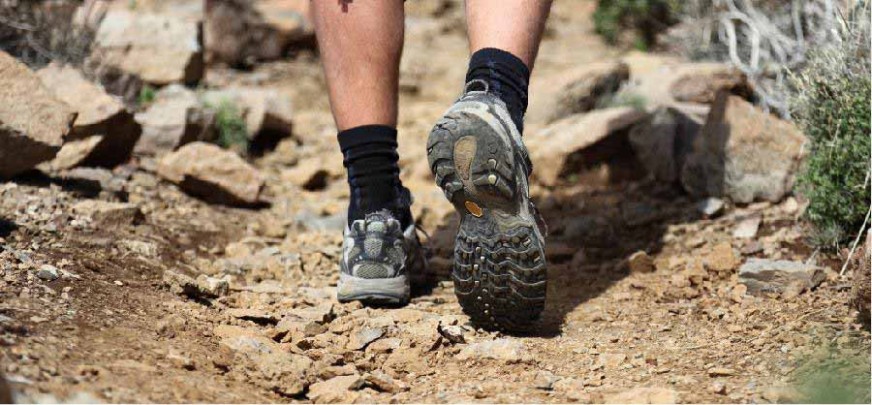
Beneath the midsole lies the often-overlooked but vital shank or arch support. This is not a one-size-fits-all feature. Podiatrists categorize feet generally into three arch types: neutral, low-arched (flat feet), and high-arched. A person with flat feet tends to overpronate, meaning their foot rolls inward excessively upon landing. This can lead to a cascade of issues, including plantar fasciitis, shin splints, and knee pain. For them, a walking shoe with structured medial (inner-side) support and motion control features is essential to guide the foot into a more neutral alignment. Conversely, someone with a high arch tends to underpronate or supinate, resulting in poor shock absorption as the foot doesn’t roll inward enough to distribute force. They require shoes with enhanced cushioning and flexibility. The American Podiatric Medical Association (APMA) grants its Seal of Acceptance to footwear that promotes good foot health, and a key criterion is appropriate arch support. Ignoring your arch type is like building a house on an unstable foundation; eventually, the structure above—your ankles, knees, hips, and back—will show signs of stress. Therefore, identifying your gait and arch type, often possible through a simple “wet test” at home or a professional gait analysis at a specialty store, is the first scientific step in choosing your ideal shoe.
Material Matters: Breathability, Durability, and Sustainability
The upper part of the shoe, which cradles your foot, is where technology meets daily wear and tear. Historically, leather was the gold standard for durability, but modern synthetics like engineered mesh, knit uppers (like those popularized by Adidas Primeknit), and recycled polyester have transformed the landscape. The primary function of the upper is to provide a secure, adaptive fit while allowing for breathability. A study published in the Journal of Foot and Ankle Research highlighted that microclimate (temperature and humidity) inside the shoe significantly impacts comfort and the risk of conditions like athlete’s foot. A breathable mesh upper facilitates air circulation, keeping feet cool and dry. Furthermore, the concept of durability has evolved. It’s no longer just about how long the sole lasts before wearing thin, but about how the materials hold their structural integrity. A well-constructed upper will maintain its shape and support over time, preventing the foot from sliding within the shoe, which can cause blisters and instability. In recent years, the dialogue has rightly expanded to include sustainability. Brands are increasingly utilizing recycled plastics, organic cotton, and even innovative materials like pineapple leaf fiber (Piñatex) or mushroom-based leather (Mylo). As noted by environmental scientists, the footwear industry has a significant ecological footprint, and consumer demand for sustainable options is driving meaningful change. Choosing a walking shoe from a brand committed to responsible sourcing is a step toward personal and planetary health.
The Style Revolution: When Form Follows Function Beautifully
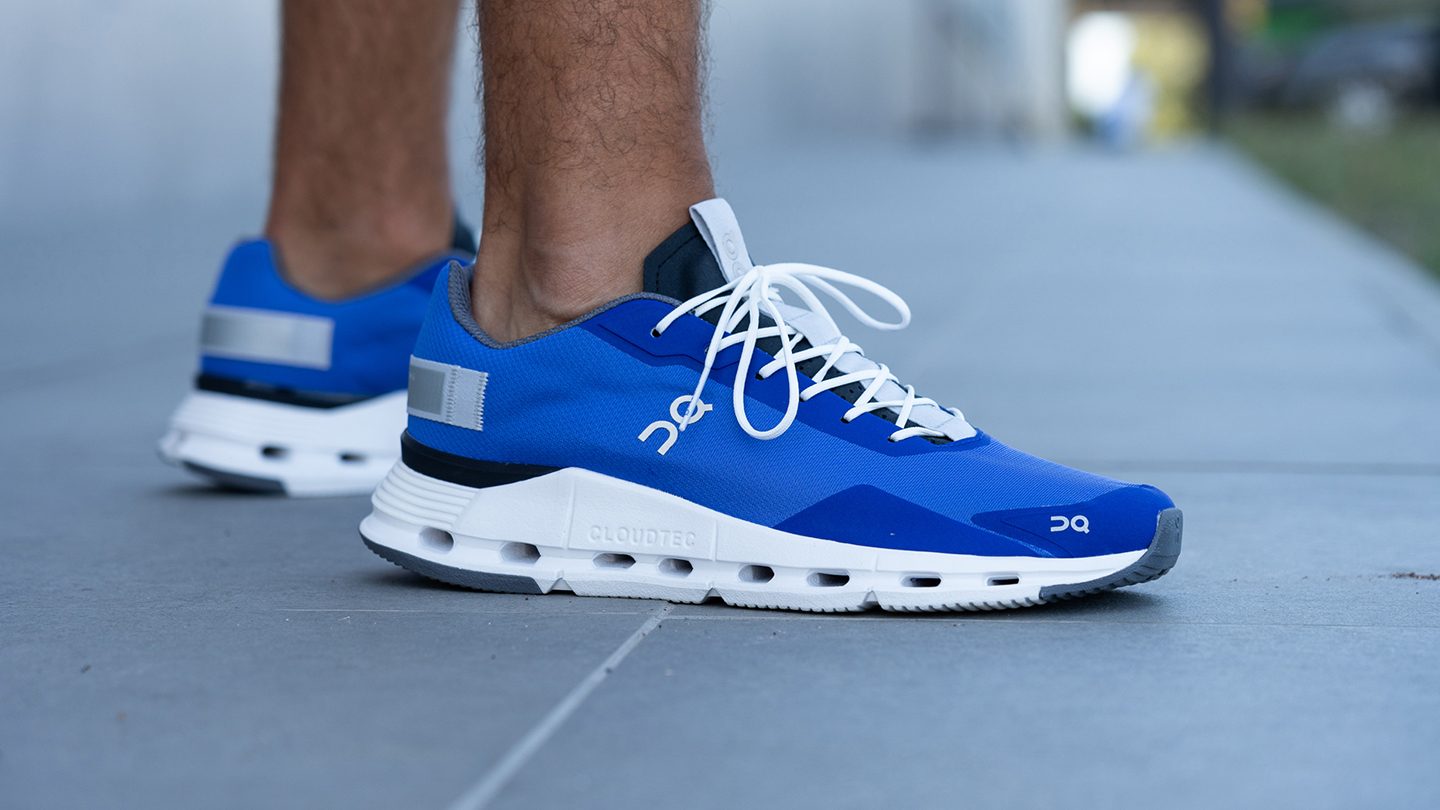
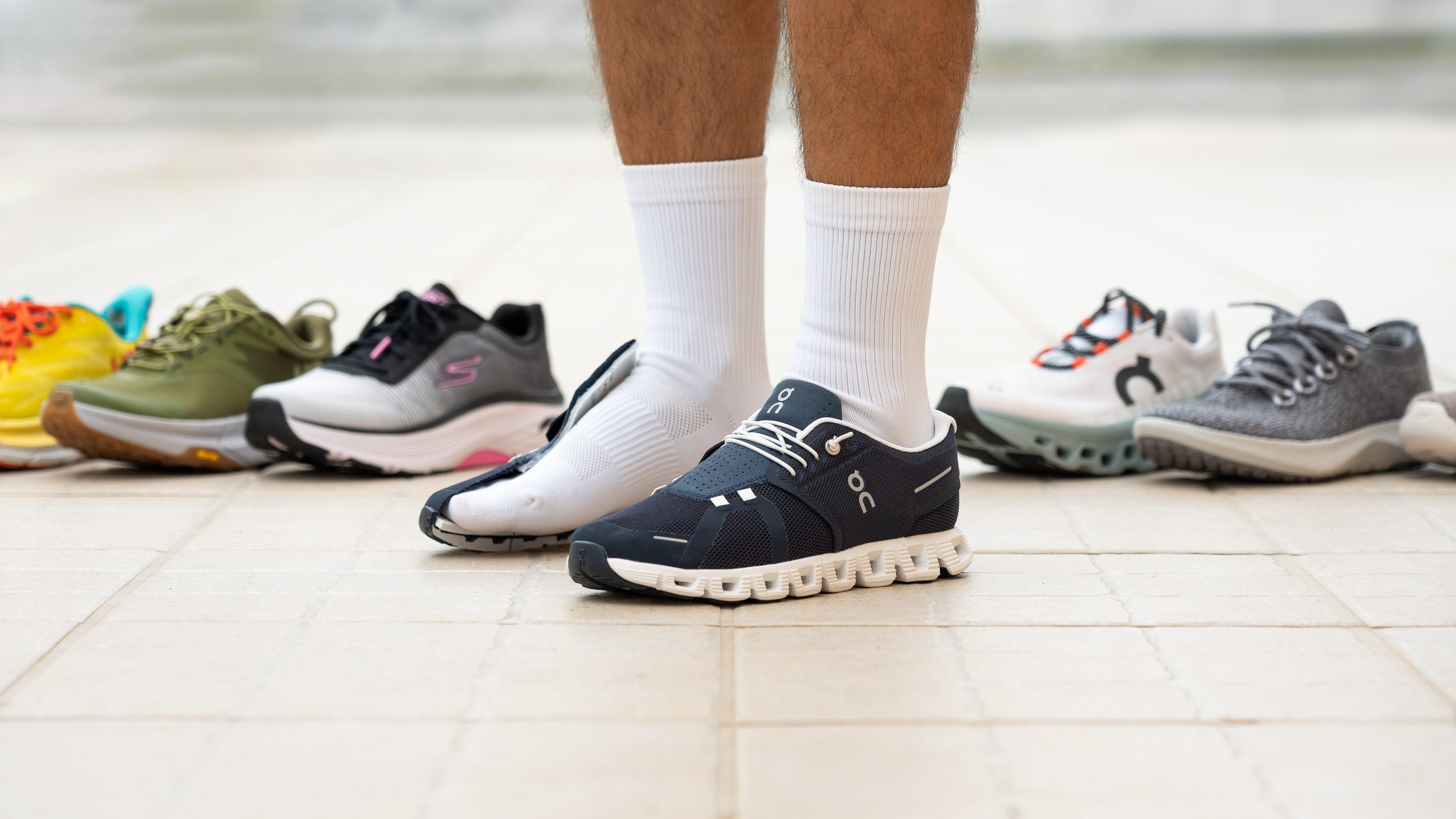
Gone are the days when “comfort shoes” were a sartorial surrender. The last decade has witnessed a seismic shift, with high-fashion designers collaborating with athletic brands and heritage comfort labels undergoing stunning makeovers. The aesthetic of the modern walking shoe is characterized by clean lines, minimalist profiles, and versatile color palettes—think neutrals, muted tones, and monochromatic schemes that integrate seamlessly into both casual and business-casual wardrobes. This isn’t merely a trend; it’s a response to a cultural movement towards wellness and practicality without sacrificing identity. As fashion critic Vanessa Friedman of The New York Times has observed, the rise of “athleisure” and hybrid styles reflects a broader societal shift where the boundaries between different aspects of life are blurring, and footwear must be adaptable. Brands like Allbirds, with their simple wool runners, or Cole Haan’s Grand series, which infuses dress shoe silhouettes with athletic shoe technology, are prime examples. The key is to look for design elements that don’t compromise the core engineering. A sleek profile shouldn’t mean a narrow toe box that cramps your toes; a stylish sole shouldn’t lack necessary flex points. The perfect walking shoe is one where you forget you’re wearing it—not because it’s invisible, but because it causes no distraction, allowing you to move through your day with effortless confidence and ease.

Making the Informed Investment: Knowledge as Your Guide
Armed with an understanding of biomechanics and materials, you are now prepared to navigate the marketplace not as a passive consumer, but as an informed individual. The final step is the practical synthesis of this knowledge. First, always prioritize fit over size number. Sizing can vary dramatically between brands and even models. Your feet are largest at the end of the day, so that is the ideal time to shop or try on shoes. There should be about a thumb’s width (roughly half an inch) of space between your longest toe and the end of the shoe. The widest part of your foot should align with the widest part of the shoe without any pinching or bulging. Second, consider your primary use-case. A shoe for long, continuous city walking on hard pavement has different requirements than one for intermittent standing or light errands. For the former, prioritize superior cushioning and rocker soles (which promote a smooth heel-to-toe transition); for the latter, flexibility and lightweight construction might be more appealing.
“The shoe that fits one person pinches another; there is no recipe for living that suits all cases.” This insight, often attributed to Carl Jung, holds profound truth for footwear. It reminds us that personal physiology and experience are paramount.
Finally, let’s talk about value. An investment in a quality pair of walking shoes is an investment in your long-term musculoskeletal health. While premium models from brands like HOKA, Brooks, or SAS might carry a higher initial price tag—often ranging from $120 to $160—their advanced materials, durable construction, and foot-healthy design provide far greater value per mile than cheaper, poorly constructed alternatives. The good news is that you rarely need to pay full price. Utilize price-tracking tools on retailer websites, sign up for brand newsletters for exclusive discounts, and keep an eye on seasonal sales events. Many reputable online retailers also offer generous trial periods, allowing you to test the shoes indoors to ensure they are the right fit. Remember, the most expensive shoe is not necessarily the best for you, and the best shoe is one that disappears on your foot, empowering you to move through your world with comfort, style, and vitality.