

The Walking Shoe: Your Ultimate Guide to Comfort and Style
Forget the notion that comfort and style are mutually exclusive realms in footwear. The modern walking shoe stands as a triumphant rebuttal to that outdated idea, merging biomechanical engineering with contemporary design to create a product that supports your body and complements your life. This isn’t about a niche product for dedicated power walkers; it’s about the foundational piece of gear for anyone who moves on their feet. Whether you’re navigating city streets, exploring nature trails, or simply managing the daily marathon of errands and commutes, the right shoe transforms an act of necessity into one of pleasure. The journey to finding that perfect pair begins with understanding that a true walking shoe is a specialized tool, designed with specific principles that distinguish it from running sneakers, fashion flats, or casual loafers. Its mission is singular: to provide stability, cushioning, and flexibility in perfect harmony for the unique mechanics of the walking gait.
The Anatomy of a Perfect Stride: Deconstructing the Walking Shoe
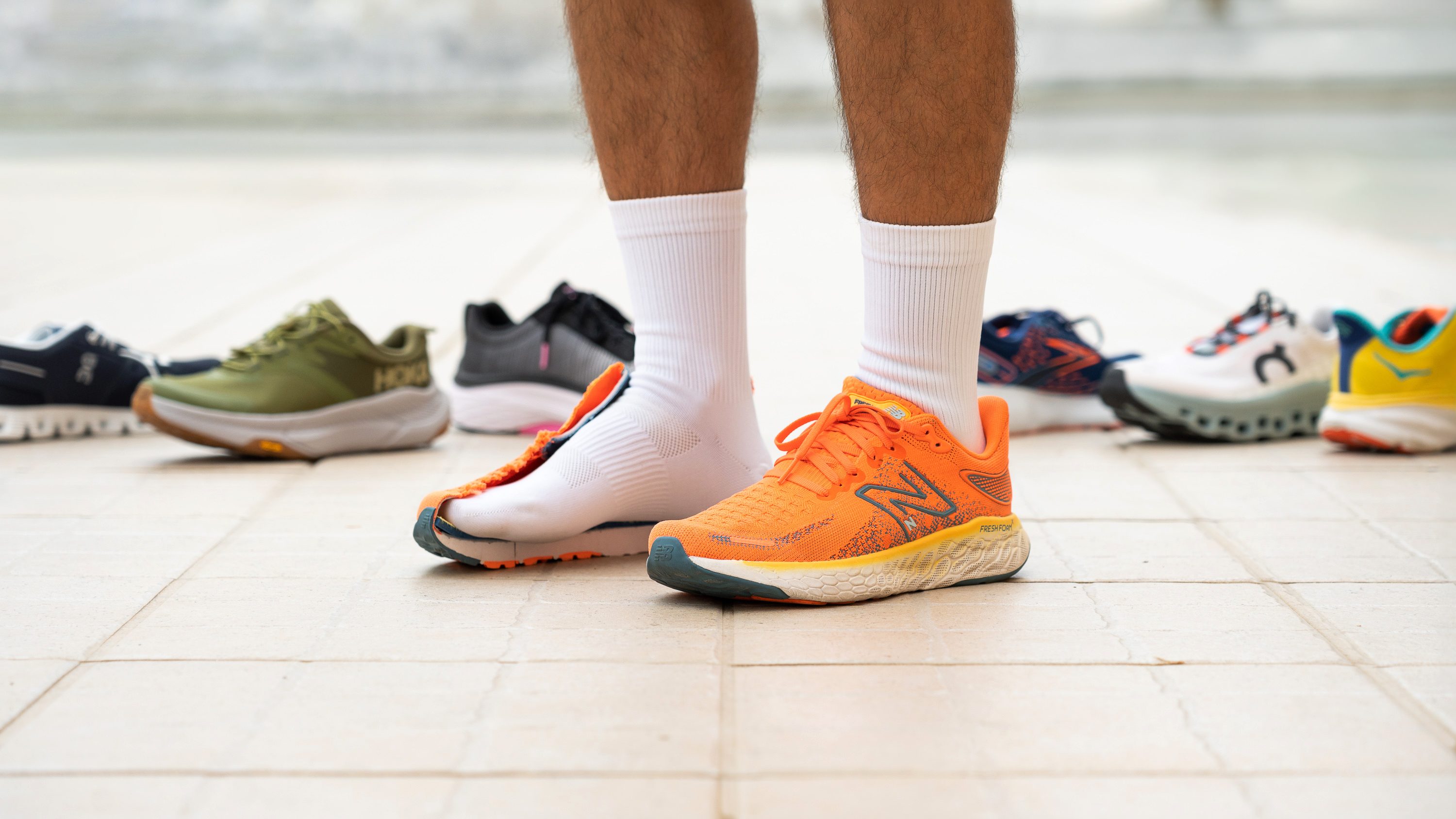
To appreciate the engineering marvel of a dedicated walking shoe, one must first understand the biomechanics it serves. Walking is a heel-to-toe motion with one foot always in contact with the ground, creating a different impact profile and stability requirement than running. The key components of a superior walking shoe are meticulously crafted around this motion. Let’s start with the midsole, the heart of the shoe. This is where cushioning technologies like EVA foam, polyurethane, or proprietary gels (such as ASICS’ GEL or Brooks’ DNA LOFT) reside. Their job is not just to be soft, but to absorb and disperse the vertical impact forces that travel up the leg with each step. As Dr. Casey Kerrigan, a former Harvard Medical School professor and founder of a biomechanics research company, has often highlighted, “Shoe cushioning can significantly reduce joint loading, which is critical for long-term joint health.” The midsole must also have a degree of flexibility, particularly at the ball of the foot, to facilitate the natural roll-through motion of walking. A rigid sole fights this motion, causing fatigue.
Stability, Support, and the All-Important Heel Counter
While cushioning protects, stability guides. The rearfoot, or heel counter, is a non-negotiable element of a proper walking shoe. This is the firm cup that cradles your heel. A sturdy, well-padded heel counter prevents excessive side-to-side motion (overpronation or supination), aligning the foot and ankle to create a stable platform for each step. This is crucial for preventing common overuse injuries like plantar fasciitis, shin splints, and Achilles tendinitis. Consider the analogy from architecture: a building needs a solid foundation. Your body is that building, and your heel strike is the foundation of every step. Furthermore, the last—the shape around which the shoe is built—is paramount. Many quality walking shoes are built on a “straight” or “semi-curved” last to provide a roomy toe box and support for the natural alignment of the foot, contrasting with the more curved lasts often found in performance running shoes designed for speed. The upper materials also play a vital role. Modern meshes offer breathability to manage moisture and temperature, while synthetic overlays provide structure without unnecessary weight. The marriage of these elements—responsive midsole, secure heel counter, accommodating last, and breathable upper—creates the symphony of support that defines an exceptional walking shoe.
Beyond the Hype: Separating Scientific Design from Marketing Jargon
The footwear market is saturated with claims of “revolutionary” technology and “maximum” comfort. Cutting through this noise requires a lens focused on objective, science-backed features rather than buzzwords. One of the most validated concepts in footwear science is the “rocker sole” design. This isn’t a gimmick; it’s a biomechanical aid. Seen in brands like HOKA ONE ONE and certain models from Skechers, a rocker sole features a curved geometry that promotes a smooth transition from heel strike to toe-off, reducing the work required by the calf muscles and Achilles tendon. This design has roots in therapeutic footwear and has been studied for its benefits in reducing pain for individuals with conditions like arthritis. Another critical, yet often overlooked, aspect is shoe weight. A study published in the journal Medicine & Science in Sports & Exercise concluded that adding even 100 grams per shoe can increase metabolic cost (the energy you expend) by about 1%. For a walker covering miles daily, lighter shoes directly translate to less fatigue.

Let’s also demystify “arch support.” It is not a one-size-fits-all proposition. Feet have different arch types: neutral, low (flat feet), or high. A good walking shoe will often come in multiple versions or offer removable insoles to accommodate this. For instance, brands like Brooks and New Balance frequently offer their popular walking models in “standard” and “wide” widths, and sometimes with different midsole densities to control pronation. The authority on this doesn’t come from an influencer, but from institutions like the American Podiatric Medical Association (APMA), which grants its Seal of Acceptance to shoes that meet rigorous standards of function and foot health. Looking for this seal or recommendations from such professional bodies is a more reliable strategy than being swayed by celebrity endorsements alone. As the famous runner and author Christopher McDougall explored in his book Born to Run, while focusing on minimalism, the dialogue around footwear is deeply connected to natural movement and injury prevention—a conversation that directly informs the evolution of the modern walking shoe.
The Style Equation: Proving Practicality Can Be Polished
The historical complaint against functional shoes was their aesthetic—often bulky, brightly colored, and technically obvious. That era is over. Today, leading athletic and footwear brands have fully embraced the demand for versatile style. The contemporary walking shoe draws inspiration from fashion trends like athleisure and minimalist sneaker design. You’ll find sleek, monochromatic options from brands like Allbirds or Cole Haan that use premium wool knits or leather uppers paired with proprietary comfort soles. The classic white leather walking sneaker from brands like K-Swiss or Ecco has become a wardrobe staple, effortlessly pairing with everything from jeans to chinos and even summer dresses. The key is in the silhouette and color palette. A lower profile, cleaner lines, and neutral colors (black, white, grey, navy) allow the shoe to integrate into everyday wear without shouting “technical gear.” This fusion means you no longer need to pack a separate pair of shoes for a day of travel that involves both extensive sightseeing and a nice dinner. One well-chosen pair of walking shoes can authentically serve both purposes, embodying the principle that true style is uncompromisingly comfortable.
Investment and Longevity: When to Retire Your Faithful Companions
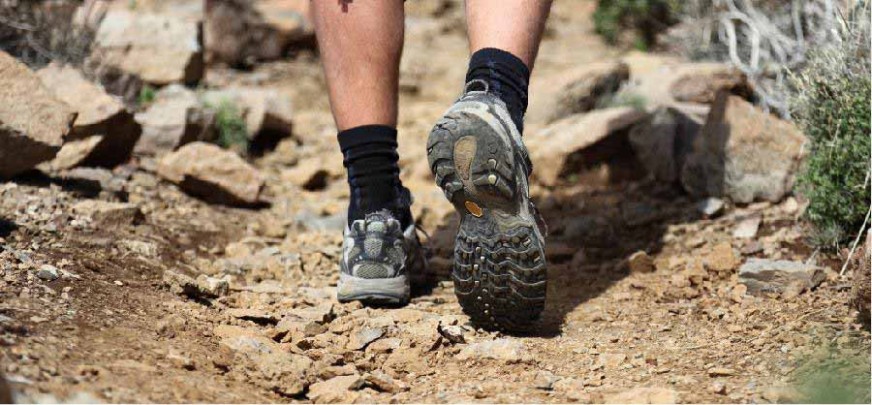
A common and costly mistake is holding onto walking shoes long after their structural integrity has failed. The cushioning and support materials in the midsole compress and break down over time, not just from visible wear on the outsole. The general consensus among podiatrists and fitness experts, echoed by resources from the Mayo Clinic and Verywell Fit, is to replace walking shoes every 300 to 500 miles. For an average walker covering 3-5 miles per day, that translates to roughly every 3 to 6 months. It’s a financial consideration, but framed correctly, it’s an investment in injury prevention. Worn-out shoes are a primary contributor to knee, hip, and back pain for walkers. How can you tell? Perform a simple “twist test”: hold the heel with one hand and the forefoot with the other and gently twist. A shoe with a still-functional midsole will offer resistance. If it twists with little effort, the midsole is likely dead. Also, place the shoes on a flat table and view them from behind. Excessive tilt inward or outward indicates the support structure has broken down.
:max_bytes(150000):strip_icc()/when-should-i-replace-my-walking-shoes-3436325-0801-7a1840d83573471092e0380f9e230ecc.jpg)
To maximize the value of this necessary replacement cycle, savvy consumers should look for strategic purchasing opportunities. Many direct-to-consumer brands offer significant discounts on previous model years when new versions are released. The technological advancements between model years are often incremental, so a “last season’s” model typically provides 95% of the performance at 70% of the price. Subscribing to newsletters from reputable online retailers or setting price alerts can lead to substantial savings. Furthermore, consider purchasing two pairs of your favorite model and rotating them. This allows the foam in the midsole to fully decompress between wears, extending the functional life of each pair. This approach not only spreads out the cost over time but also ensures you always have a properly supportive pair ready. Remember, the cost of physical therapy for a foot injury far exceeds the price of a new pair of shoes. Viewing your walking shoes as essential, consumable equipment for health—like a quality mattress or an ergonomic office chair—reframes the purchase from a discretionary expense into a non-negotiable investment in your mobility and well-being.
Your Personal Fitting: A Step-by-Step Guide to the Perfect Pair
Armed with knowledge, the final step is the personal fitting. This is not a passive activity. First, shop in the afternoon or evening, as feet naturally swell throughout the day. Wear the socks you intend to walk in. When you try the shoe on, there should be about a thumb’s width (roughly 3/8 to 1/2 inch) of space between your longest toe and the end of the shoe. This allows for foot expansion and forward movement during the stride. Width is equally critical; your foot should not spill over the side of the footbed, nor should there be excessive gapping. Don’t be wedded to your “usual” size; sizing varies dramatically between brands and even models. Always walk on a hard surface in the store, not just carpet. Pay attention to any immediate points of pressure or slippage. A great walking shoe should feel secure and supportive from the first step, with no “break-in” period required—that’s a myth that often leads to blisters and discomfort. A proper fit is the final, essential layer that allows all the engineered technology of the walking shoe to perform as intended for your unique foot.
The pursuit of the perfect walking shoe is a journey toward a more supported, stylish, and sustainable way of moving through the world. It is a rejection of the false choice between what feels good and what looks good. By prioritizing biomechanical principles, seeking objective evidence for design claims, embracing modern aesthetics, and understanding the lifecycle of the product, you empower yourself to make an informed choice. That choice resonates with every step you take, turning the simple, fundamental act of walking into a daily experience of comfort and confidence. Your feet are your foundation; give them the thoughtful, engineered home they deserve.
