

The Walking Shoe: Your Secret to Effortless Style and All-Day Comfort
Forget the notion that comfort and style exist in separate realms of your wardrobe. The modern walking shoe has evolved into a sophisticated hybrid, a piece of footwear engineered not just for movement but for living. It is the unsung hero of the urban explorer, the busy professional, and the style-conscious individual who refuses to sacrifice well-being for aesthetics. This article isn’t about a fleeting trend; it’s about a fundamental shift in how we approach daily footwear. We will dissect the anatomy of the perfect walking companion, grounding our exploration in biomechanics, material science, and the evolving philosophy of contemporary style. The goal is to equip you with the knowledge to choose a shoe that doesn’t just carry you through the day but elevates it, merging the often-disparate worlds of all-day comfort and effortless style into a single, seamless step.
The Foundation: Biomechanics and the Science of the Step
To appreciate the modern walking shoe, one must first understand the complex mechanics it supports. Walking is a controlled fall, a repetitive cycle of heel strike, midstance, and toe-off. Each phase places unique stresses on the joints, tendons, and ligaments of the foot and lower limb. According to research from institutions like the University of Virginia’s Motion Analysis and Motor Performance Laboratory, improper footwear can disrupt this natural gait cycle, leading to issues ranging from plantar fasciitis and shin splints to long-term joint degeneration in the knees and hips. The primary role of a true walking shoe is to facilitate, not hinder, this natural motion. This is achieved through a combination of targeted cushioning and strategic support. Cushioning, often provided by advanced polymer foams like Adidas’s Boost or Nike’s React, isn’t merely about softness; it’s about energy return and shock attenuation. As Dr. Casey Kerrigan, a former Harvard Medical School professor and founder of a biomechanics-focused footwear company, has stated in numerous interviews, “The goal is to manage the impact forces that travel up your body with each step.” Simultaneously, support features like arch reinforcement and a firm heel counter work to stabilize the foot, preventing excessive pronation (inward rolling) or supination (outward rolling), which are common culprits of discomfort and injury. Therefore, selecting a shoe is not a mere fashion choice but a physiological one, directly impacting your musculoskeletal health with every mile you log on city pavements.
:max_bytes(150000):strip_icc()/when-should-i-replace-my-walking-shoes-3436325-0801-7a1840d83573471092e0380f9e230ecc.jpg)
Architecting Comfort: Key Components of a Superior Walking Shoe
Deconstructing a premium walking shoe reveals a symphony of engineered components, each with a specific purpose. Let’s move from the ground up. The outsole, typically made from carbon rubber or blown rubber, provides durability and traction. Its flex grooves are not random; they are placed to encourage a natural bending motion at the metatarsal heads, exactly where your foot wants to flex. The midsole is the heart of the shoe. Today’s technology has moved beyond simple EVA foam. Brands utilize proprietary compounds—like ASICS’s GEL cushioning systems, which are silicone-based pads placed in the heel and forefoot to absorb shock, or HOKA’s maximalist Meta-Rocker geometry, which creates a smooth rolling gait to reduce calf and Achilles strain. The upper must be a masterclass in balance: breathable, often using engineered mesh or knit materials to prevent overheating, yet structured enough to provide a secure, glove-like fit. A well-padded tongue and collar prevent chafing, while a robust heel counter cups the calcaneus bone to lock the heel in place. The insole or sockliner is the final interface with your foot; many premium shoes offer removable orthotic-friendly insoles, allowing for custom orthotics if needed. This holistic design philosophy is echoed by experts on platforms like Runner’s World and Verywell Fit, which consistently emphasize that a shoe’s value lies in the integration of these parts working in concert to protect and propel the wearer.
:max_bytes(150000):strip_icc()/vwt-asics-womens-gel-pulse-16-jinfeng-chen-21-712f0f140e834b84b3a8dcf0bf154771.jpeg)
Where Form Meets Function: The Aesthetics of Modern Performance
The great triumph of the contemporary walking shoe is its dissolution of the boundary between athletic gear and streetwear. No longer are comfortable shoes clunky eyesores. Designers have successfully translated performance technology into sleek, versatile silhouettes. This shift is part of a broader cultural movement, often termed “athleisure” or “performance casual,” championed by style icons and everyday users alike. The clean lines of a pair of Allbirds, the futuristic curvature of an ON Cloud, or the heritage-inspired design of a New Balance 990 series—all offer credible style credentials. They pair effortlessly with tailored trousers, denim, or technical fabrics, creating a look that is both polished and prepared for action. This aesthetic integration is crucial. As fashion critic and author Vanessa Friedman has noted in The New York Times, the rise of hybrid footwear reflects a societal prioritization of wellness and practicality without abandoning a sense of personal style. The right walking shoe becomes a statement of intelligent living. It tells the world you value both your physical well-being and your presentation, that you are someone who moves with purpose and taste. This duality is its greatest strength, freeing you from the old compromise and allowing your footwear to be a true asset to your lifestyle, not a limitation.
Making the Intelligent Choice: A Guide to Selection and Value
Armed with an understanding of the why and the what, the final step is the how: selecting your ideal pair. This process should be methodical. First, know your foot type. A simple “wet test” (observing the shape of your footprint on a dry surface) can indicate if you have high, neutral, or low arches, guiding you toward shoes with appropriate support levels. Second, prioritize fit over size number. Your ideal walking shoe should have about a thumb’s width of space between your longest toe and the end of the shoe, with a secure but not tight fit across the widest part of your foot. Shop in the afternoon when feet are naturally slightly swollen. Third, consider your primary use. Are you logging miles on hard concrete, or are you seeking an all-day shoe for intermittent standing and walking? The cushioning and outsole requirements differ. Now, let’s address value. An investment in a high-quality walking shoe from reputable brands like Brooks, Saucony, or the aforementioned ASICS and HOKA is an investment in your health. While the initial price point may be higher—often ranging from $120 to $160 for premium models—the cost per mile is dramatically lower when considering durability and injury prevention. Furthermore, the market is replete with opportunities for savvy shoppers. End-of-season sales, manufacturer refurbishment programs, and reputable online retailers frequently offer significant discounts, sometimes bringing top-tier technology within a $80-$100 range. The key is to view this not as an expense, but as a critical procurement for your most fundamental tool: your body.
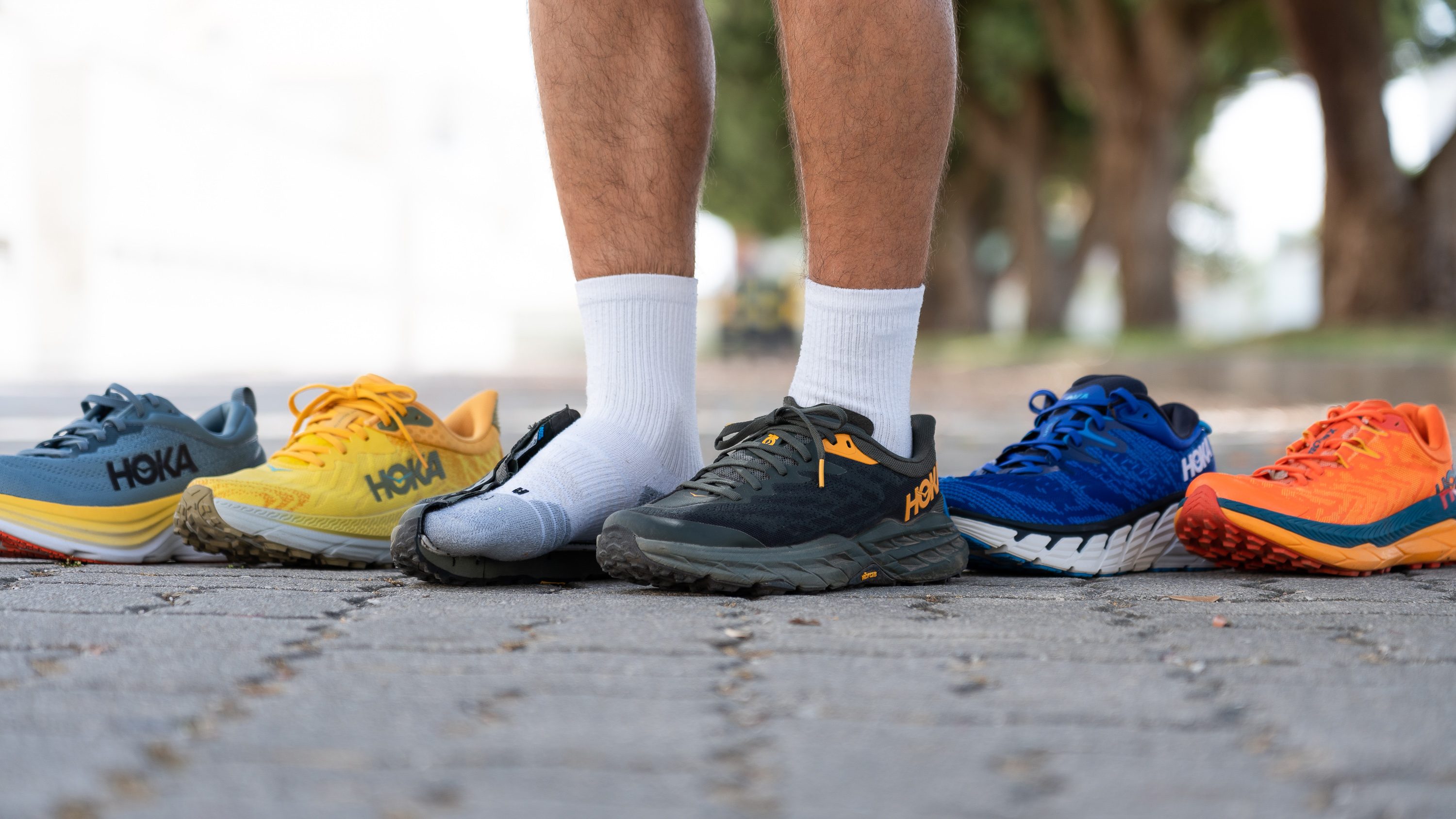
The Longevity Pact: Care, Rotation, and Knowing When to Let Go
Your relationship with a great pair of walking shoes doesn’t end at the purchase; it’s a covenant of care. To maximize their lifespan and performance, adopt simple maintenance habits. Rotate between two pairs if possible; this allows the midsole foam to fully decompress between wears, dramatically extending its resilient properties. Avoid machine washing, which can break down adhesives and materials. Instead, clean uppers with a soft brush, mild soap, and water. Air dry them away from direct heat. Crucially, know when to retire them. The external tread may look fine, but the internal cushioning loses its integrity long before the sole wears out. The consensus among podiatrists and fitness experts, frequently cited on health platforms like WebMD and Mayo Clinic’s patient advice sites, is to replace walking shoes every 300 to 500 miles. For the average person, this translates to roughly every six to nine months of regular use. Listen to your body. New, unexplained aches in your feet, knees, or back are often the first signal that your shoes’ support has degraded. Replacing them on schedule is the final, non-negotiable step in honoring the promise of comfort and protection that a true walking shoe is designed to keep.
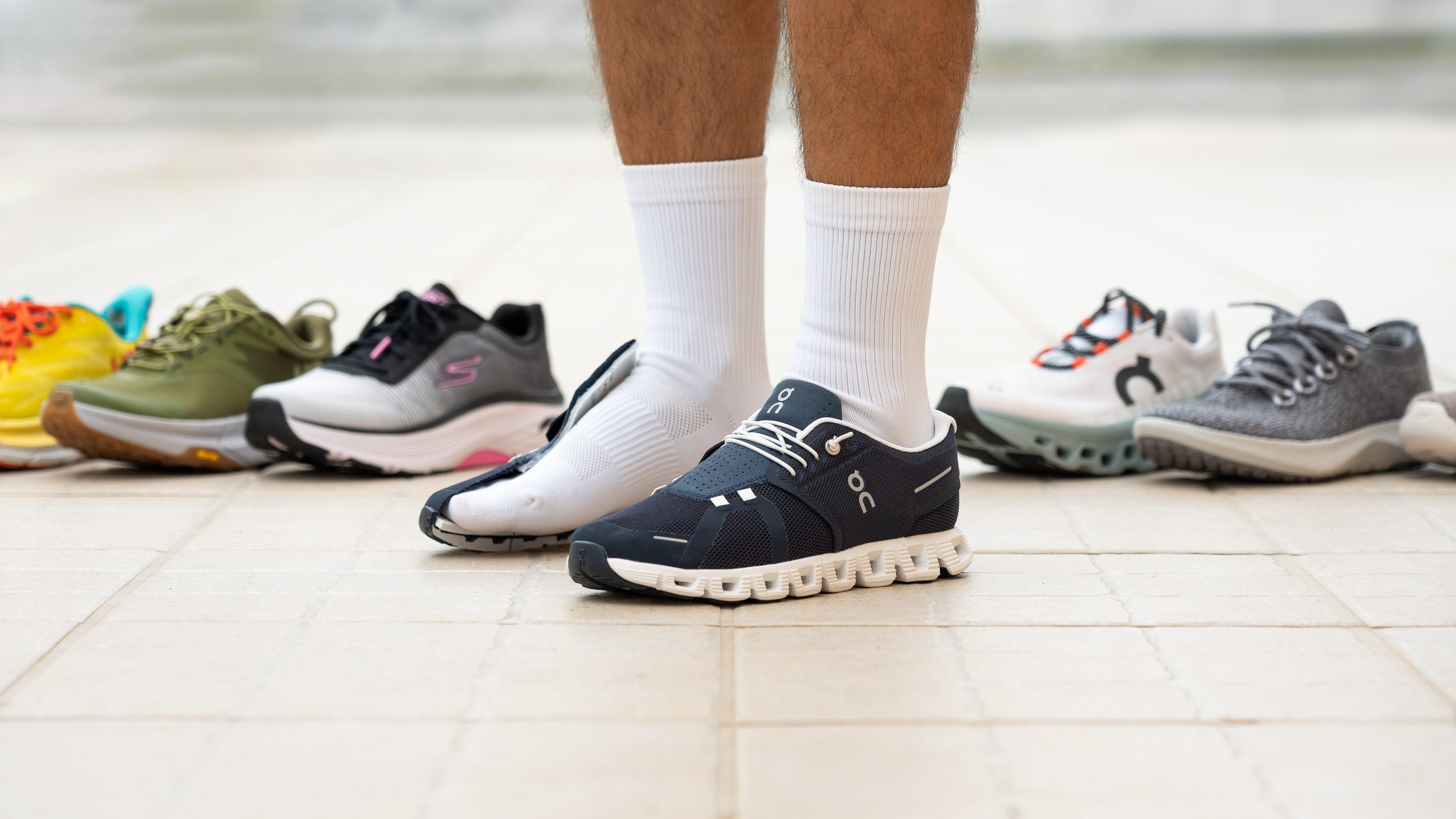
The journey through the world of the modern walking shoe reveals it to be far more than mere footwear. It is a product of sophisticated engineering, a symbol of a culture that values holistic well-being, and a practical tool for daily resilience. By choosing wisely, based on biomechanical science and honest self-assessment, you unlock a secret to modern living: that you can move through your days supported, stylish, and free from the nagging distraction of discomfort. The right pair doesn’t just change how your feet feel; it changes your posture, your energy, and your readiness to engage with the world. Let your next step be an informed one, toward a shoe that truly walks with you, in every sense of the word.
