

The Ultimate Guide to Vionic Walking Shoes for All-Day Support
Forget the notion that comfort and style are mutually exclusive, especially when it comes to the shoes you wear for hours on end. The quest for footwear that genuinely supports your body from the ground up often leads to a compromise, but it doesn’t have to. This guide delves into the world of biomechanically designed footwear, focusing on a brand that has turned orthopedic science into wearable art. We’re moving beyond superficial comfort to explore how proper alignment can transform your daily experience, whether you’re navigating city streets, standing at work, or exploring new trails. The right shoe isn’t just an accessory; it’s a foundational tool for wellness.
The Science of Support: More Than Just a Cushiony Feel
True all-day support is a biomechanical intervention, not merely a plush sensation. The human foot is a complex structure of 26 bones, 33 joints, and over 100 muscles, tendons, and ligaments. When this structure is improperly aligned—a condition known as overpronation (rolling inward) or supination (rolling outward)—it creates a chain reaction of stress that travels up the kinetic chain. This can manifest as plantar fasciitis, knee pain, hip discomfort, and even lower back issues. A study published by the Harvard Medical School emphasizes that footwear is a critical modifiable factor in managing musculoskeletal health. The core innovation in a dedicated Vionic walking shoe lies in its biomechanical footbed. Unlike generic arch supports, these footbeds are crafted with a deep heel cup, a precise arch contour, and a forefoot rocker. This triad works synergistically to stabilize the heel, align the arch, and promote a natural gait cycle, thereby reducing strain on the body’s connective tissues. It’s a scientific approach to walking, transforming every step from a potential stressor into an act of alignment.
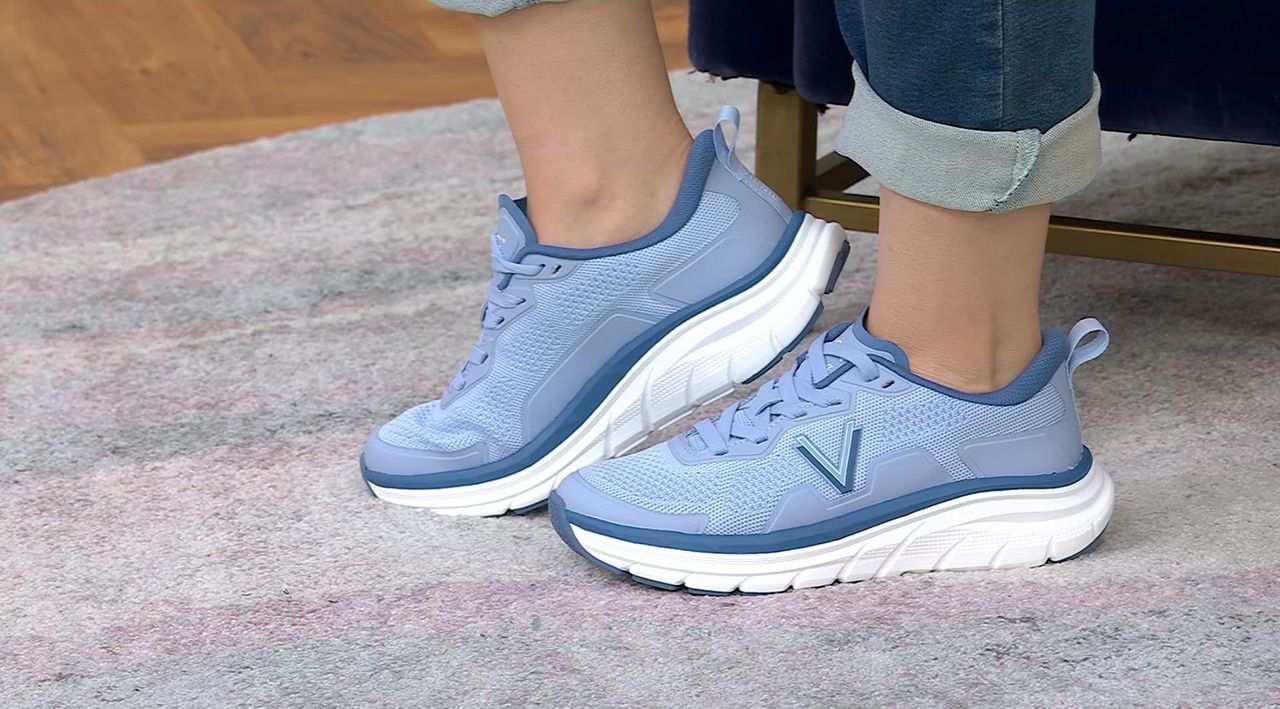
Decoding the Vionic Difference: Orthaheel Technology
At the heart of every pair lies what the brand calls its Orthaheel Technology. This isn’t marketing jargon; it’s a podiatrist-developed system with a clinically proven track record. Research cited by the American Podiatric Medical Association (APMA), which has granted its Seal of Acceptance to many Vionic styles, indicates that such biomechanical orthotics can significantly reduce pain associated with common foot conditions. The technology is engineered to position the foot in its anatomically correct posture. Imagine standing on a perfectly molded impression of a healthy, neutral foot—that’s the principle. The footbed counteracts overpronation by providing a firm yet comfortable support along the medial (inner) side of the foot, preventing the ankle from collapsing inward. This precise calibration is what separates a Vionic walking shoe from a standard comfortable sneaker. As noted by Dr. Andrew Shapiro, a podiatrist featured in various health publications, “Consistent support at the foundation is key to preventing the cumulative damage of micro-imbalances.” This foundational philosophy is embedded in every design, making each shoe a mobile platform for better posture.
Anatomy of a Day-Long Companion: Key Features Explored
When you examine a Vionic walking shoe, several features work in concert. First, the outsole is typically made of durable, flexible rubber with strategic flex grooves. This allows for a natural bend at the metatarsal heads without compromising stability. Second, the midsole often incorporates lightweight, responsive cushioning materials like EVA or proprietary foams that absorb shock without bottoming out. Third, the upper is constructed from breathable, often premium, materials that adapt to the foot’s shape, preventing constriction and hotspots. But the undisputed star remains the removable orthotic footbed. Its removability is a genius feature, allowing for customization. If you have custom orthotics from your podiatrist, you can replace the insole. Alternatively, you can keep the proprietary insole, which is designed to maintain its supportive properties over hundreds of miles. This combination of durability, adaptability, and biomechanical intelligence is what enables these shoes to be true companions from morning until night.

From Pain to Performance: Real-World Applications
The proof of any therapeutic footwear is in the wearing. Individuals who transition from unsupportive flats or generic athletic shoes often report a noticeable difference within days. A teacher who stands on hard classroom floors might find the relentless ache in her heels subsiding. A nurse completing a 12-hour shift may experience less fatigue in his legs and back. A traveler navigating airports and cobblestone streets could enjoy exploration without foot punishment. This isn’t anecdotal hyperbole; it’s the predictable outcome of improved biomechanics. As author and biomechanics researcher Katy Bowman discusses in her book “Move Your DNA,” our modern environments, including our shoes, profoundly shape our physical health. By choosing footwear that respects human anatomy, we actively participate in “loading” our bodies correctly. A well-designed Vionic walking shoe facilitates this correct loading, making it a tool not just for pain relief but for enhanced daily performance and endurance.
Style Meets Substance: The Evolving Aesthetic
Gone are the days when supportive shoes were clunky and visually unappealing. The modern consumer demands aesthetics, and the industry has responded. Today’s collections feature sleek sneakers, elegant loafers, sophisticated sandals, and casual slip-ons. The integration of biomechanical technology has become seamless—literally and figuratively. You can find styles with minimalist profiles, contemporary color-blocking, and materials like suede, knit, and leather that look at home in a professional setting or a casual weekend outfit. This design evolution is critical because it removes the barrier to consistent wear. When shoes are attractive, you’re more likely to choose them day after day, thereby receiving the continuous support your body needs. The fusion of clinical function with fashion-forward design represents a significant leap in wellness apparel, proving that you don’t have to sacrifice your personal style for the sake of your physical well-being.

Investing in Your Foundation: Value Beyond the Price Tag
Let’s address the practical consideration: cost. A quality pair of biomechanical shoes often carries a higher initial price point than a discount store alternative. However, this is a classic case of value versus cost. Consider the investment through a different lens. First, the materials and construction are typically superior, leading to greater longevity—a well-made pair can outlast two or three pairs of cheaper shoes. Second, and more importantly, is the potential healthcare cost avoidance. Chronic foot, knee, or back pain can lead to expensive therapies, custom orthotics, and lost productivity. A preventative tool that promotes alignment is an investment in your long-term mobility. As the ancient philosopher Socrates is often paraphrased, “Wear good shoes, for you will walk many miles in them.” The wisdom holds true: your foundation matters. To make this investment more accessible, savvy shoppers look for seasonal sales, discounts on previous seasons’ colors, or bundle offers directly from the brand or authorized retailers. The true value of a Vionic walking shoe is measured not just in dollars, but in pain-free steps and sustained vitality.
A Word from Those Who Know: Testimonials and Expert Voices
The impact of properly supportive footwear is echoed by both experts and everyday users. On platforms like YouTube, certified fitness trainers and physical therapists frequently analyze footwear, with many highlighting the importance of built-in arch support for clients with active lifestyles. Meanwhile, countless user reviews on retail sites tell stories of reclaimed mobility. One might write, “After years of avoiding long walks, I can finally enjoy hiking with my family again.” Another might say, “These shoes solved the plantar fasciitis that my expensive running shoes couldn’t.” These personal accounts form a powerful corpus of evidence. As the renowned chef and television host Gordon Ramsay, known for enduring long, punishing hours on his feet in the kitchen, once remarked in an interview about essential gear,
“If you’re on your feet all day, your shoes are the most important piece of equipment you own. Don’t cheap out on them.”
This sentiment, from someone whose profession demands relentless standing, underscores the universal principle: protecting your foundation is non-negotiable for sustained performance.

The journey to finding footwear that truly supports you is a step toward taking control of your physical well-being. It’s a decision to move through the world with greater ease, less fatigue, and more confidence. By prioritizing biomechanical design, as exemplified in a thoughtfully crafted walking shoe, you are not just buying a product—you are adopting a tool for a healthier, more active life. The path forward is literally underfoot, waiting to be walked with intention and support.
