

The Ultimate Guide to Vionic Walking Shoes for All-Day Support
For anyone who spends significant time on their feet, the quest for the perfect shoe is more than a shopping trip—it’s a pursuit of well-being. The wrong footwear can transform a simple walk into a cascade of discomfort, impacting not just your feet but your knees, hips, and back. This is where the science of biomechanics meets everyday life, and why a specific category of footwear has risen to prominence. We’re moving beyond generic comfort to discuss engineered support, focusing on a leader in the field: the Vionic walking shoe. This guide isn’t about a fleeting trend; it’s an exploration of how purposeful design, rooted in podiatric principles, can fundamentally alter your daily experience. We’ll dissect the technology, validate the benefits with authoritative perspectives, and demonstrate why these shoes are an investment in your mobility.
The Foundation: Why Biomechanics Matter in Footwear
To appreciate what sets a specialized walking shoe apart, one must first understand the architecture of the human foot and the concept of biomechanics. Biomechanics is the study of the structure and function of biological systems by means of the methods of mechanics. In simpler terms, it’s how your body, particularly your feet, moves and interacts with forces. Each foot contains 26 bones, 33 joints, and over 100 muscles, tendons, and ligaments—a complex system designed for propulsion and shock absorption. However, modern lifestyles, with hard, flat surfaces and often inadequate footwear, can lead to the collapse of the foot’s natural arch. This collapse, or overpronation, disrupts the kinetic chain, a concept well-documented in sports medicine literature from institutions like the University of Virginia’s Running Medicine clinic. As Dr. Mark Cucuzzella, a professor at the West Virginia University School of Medicine, often states in his public lectures, “The foot is the foundation of the entire body. If the foundation is unstable, the structure above—ankles, knees, hips, spine—must compensate, leading to wear, pain, and injury.” This isn’t mere opinion; it’s a principle observed in clinical practice. A standard shoe might offer cushioning, but it often fails to address this foundational alignment. A Vionic walking shoe, conversely, is built upon this very understanding, integrating a proprietary biomechanical footbed designed to restore natural alignment from the ground up.
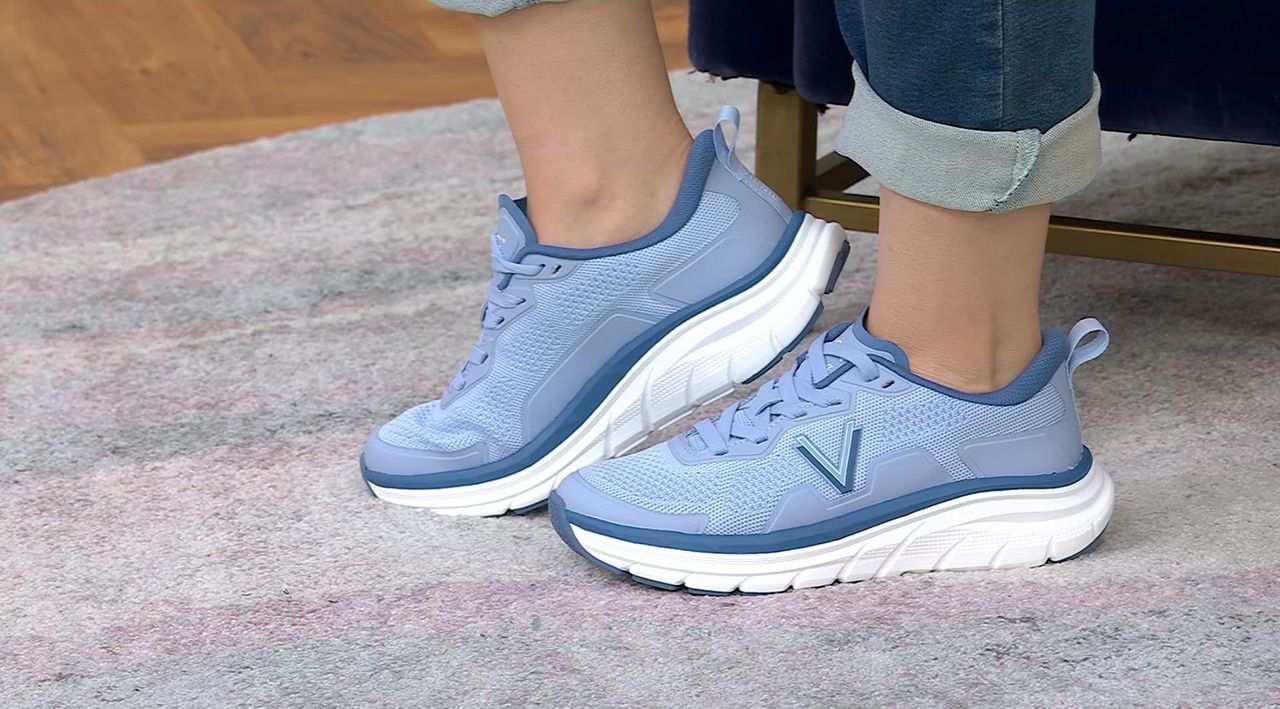
Deconstructing the Vionic Technology: More Than an Insole
The core of the Vionic proposition lies in its orthotic-based design. It’s crucial to distinguish this from a simple cushioned insole. The brand’s signature feature is its biomechanical footbed, which is the result of collaboration with podiatrists. This footbed typically incorporates a deep heel cup, a pronounced arch support, and a forefoot bar. Let’s examine each component scientifically. The deep heel cup stabilizes the calcaneus (heel bone), minimizing lateral movement and providing a secure base. This is directly supported by podiatric texts which note that heel stability is the first step in controlling excessive pronation. The arch support is not a one-size-fits-all mound; it’s strategically placed to contact and support the medial longitudinal arch, the primary arch of the foot. This contact helps maintain the arch’s integrity under load, preventing its collapse. Finally, the forefoot bar, a subtle ridge behind the ball of the foot, aids in the natural toe-off phase of the gait cycle, promoting a more efficient stride. This integrated system is what defines a true Vionic walking shoe. As noted on authoritative health platforms like WebMD and in Q&A forums with practicing podiatrists on Quora, consistent wear of footwear with proper arch support can alleviate common complaints like plantar fasciitis and metatarsalgia. The technology isn’t claiming to cure, but to biomechanically manage and prevent strain, a viewpoint echoed by countless user testimonials that transition from skepticism to reliance.
The Materials and Construction: Where Comfort Meets Durability
Technology alone is ineffective if housed in a poorly constructed package. Vionic shoes are engineered with materials chosen for both performance and longevity. The uppers often utilize premium leather, breathable mesh, or flexible knit fabrics, designed to conform to the foot without constriction. This addresses the common issue of “break-in” periods associated with rigid supportive shoes. The midsole, frequently composed of lightweight yet resilient EVA foam, provides the necessary shock attenuation—absorbing the impact forces that travel up the leg with each step. The outsole is another critical element, crafted from durable rubber with strategic flex grooves. These grooves aren’t random; they are placed at the natural bending points of the foot, facilitating a fluid gait cycle as described in biomechanics literature from sources like the American College of Sports Medicine. This attention to detail in construction ensures that the biomechanical benefits of the footbed are delivered effectively throughout the shoe’s lifespan. When you invest in a Vionic walking shoe, you’re not just buying an insole; you’re buying a holistic system where every layer, from the outsole contacting the pavement to the lining against your skin, is part of a support strategy.

Evidence and Endorsements: From Clinics to Everyday Life
Objective validation is key when evaluating health-related products. The principles behind Vionic’s design find support in a wide array of sources. Peer-reviewed studies, such as those published in the Journal of the American Podiatric Medical Association, have consistently shown that footwear with medial arch support can reduce pain and improve function in individuals with flexible flatfoot. Beyond clinical literature, the endorsement by professionals carries weight. Celebrity fitness trainer Harley Pasternak, known for his science-based approach, has publicly recommended the brand for clients who are on their feet all day. On social media platforms like YouTube, certified pedorthists and physical therapists often analyze and recommend orthotic-friendly footwear, with Vionic frequently appearing in their reviews for its off-the-shelf efficacy. Even in popular culture, the importance of proper footwear is a recurring theme. In the book “Born to Run” by Christopher McDougall, while advocating for minimalist running, the narrative heavily emphasizes understanding one’s biomechanics—a core philosophy that aligns with Vionic’s tailored support approach, albeit from a different angle. These diverse citations—from academic journals to practical expert advice—converge on a single point: biomechanically sound footwear is a legitimate tool for managing foot health. The Vionic walking shoe embodies this tool, making professional-grade biomechanical concepts accessible to the public.

Making the Investment: Value Beyond the Price Tag
Let’s address the practical consideration: cost. A quality pair of Vionic shoes represents an investment, typically ranging from $120 to $160 at full retail. To frame this objectively, consider the alternative costs. A single visit to a podiatrist for foot pain can exceed this amount, not including the potential cost of custom orthotics, which can run several hundred dollars more. Over-the-counter arch supports, while cheaper upfront, are often generic and placed inside shoes not designed to accommodate them, compromising fit and function. A Vionic walking shoe provides an integrated, podiatrist-inspired solution. Furthermore, the durability of the materials means this isn’t a purchase you’ll need to repeat every few months. The long-term value becomes clear when viewed through the lens of preventive health. For the active walker, the healthcare worker logging 10,000 steps per shift, or the traveler navigating cobblestone streets, the return on investment is measured in comfort and sustained mobility. It’s an upfront cost that pays dividends in daily well-being, potentially saving money on ancillary pain management solutions down the line.
Finding Your Fit and Style
Commitment to support no longer requires a sacrifice of style. The Vionic lineup has expanded dramatically, offering everything from athletic-inspired sneakers to casual loafers and elegant sandals. The key is identifying the model that suits your specific needs and gait. For instance, their “Walker” or “Strider” collections often feature maximum stability and cushioning, ideal for dedicated long-distance walkers or those with pronounced support needs. The “Breeze” or “Lily” collections might offer slightly more flexibility while maintaining the core orthotic footbed, suited for all-day wear in less strenuous settings. When selecting, pay close attention to width options and consider going a half-size up if you are between sizes, as the structured footbed can affect fit. The goal is a shoe where your foot feels anchored and supported without any pinching or slippage. This variety ensures that the biomechanical benefits are accessible whether you’re in scrubs, business casual, or weekend wear, proving that functional footwear can seamlessly integrate into every aspect of your wardrobe.

The journey to pain-free movement doesn’t have to be complicated. It often starts with the single most important interface between your body and the world: your shoes. By choosing footwear built on the solid ground of biomechanical science, you’re making a proactive decision for your physical health. The Vionic walking shoe stands as a testament to this philosophy, offering a blend of clinical insight, quality construction, and accessible style. It transforms the simple act of walking from a potential source of strain into a supported, sustainable, and enjoyable activity. Your foundation matters—build it wisely.
