

The Ultimate Guide to Vionic Walking Shoes for All-Day Support
For anyone who spends significant time on their feet, the quest for the perfect walking shoe is more than a shopping trip—it’s a pursuit of foundational well-being. The wrong footwear can transform a simple stroll or a day of errands into a cascade of discomfort, impacting not just your feet but your knees, hips, and back. This is where the science of biomechanics meets practical design, and few brands have dedicated themselves to this intersection as thoroughly as Vionic. This guide isn’t about fleeting trends; it’s an exploration of how Vionic walking shoes engineer all-day support through patented technology, informed by podiatric science, to fundamentally alter your relationship with the ground beneath your feet. We’ll dissect the core principles, compare key models, and provide the knowledge you need to invest in your mobility.
The Foundation: Why Biomechanics Matter in Every Step
To appreciate what sets a specialized walking shoe apart, one must first understand the architecture of the human foot and the concept of pronation. Pronation is the natural inward roll of the foot as it makes contact with the ground, a critical part of the gait cycle that helps distribute impact forces. However, overpronation (excessive inward rolling) or supination (insufficient rolling) can lead to a host of issues, from plantar fasciitis to shin splints and beyond. According to research from institutions like the University of Pittsburgh Medical Center, improper foot alignment is a primary contributor to chronic lower limb pain. Vionic’s approach is built upon this scientific understanding. Their shoes are not merely cushioned; they are designed with a built-in biomechanical footbed. This orthotic-like foundation is crafted to guide the foot through a healthier, more neutral path of motion from heel strike to toe-off. It’s a proactive intervention, aiming to correct alignment before discomfort begins, making the Vionic walking shoe a tool for preventative care as much as for comfort.
Deconstructing the Vionic Advantage: Core Technologies Unveiled
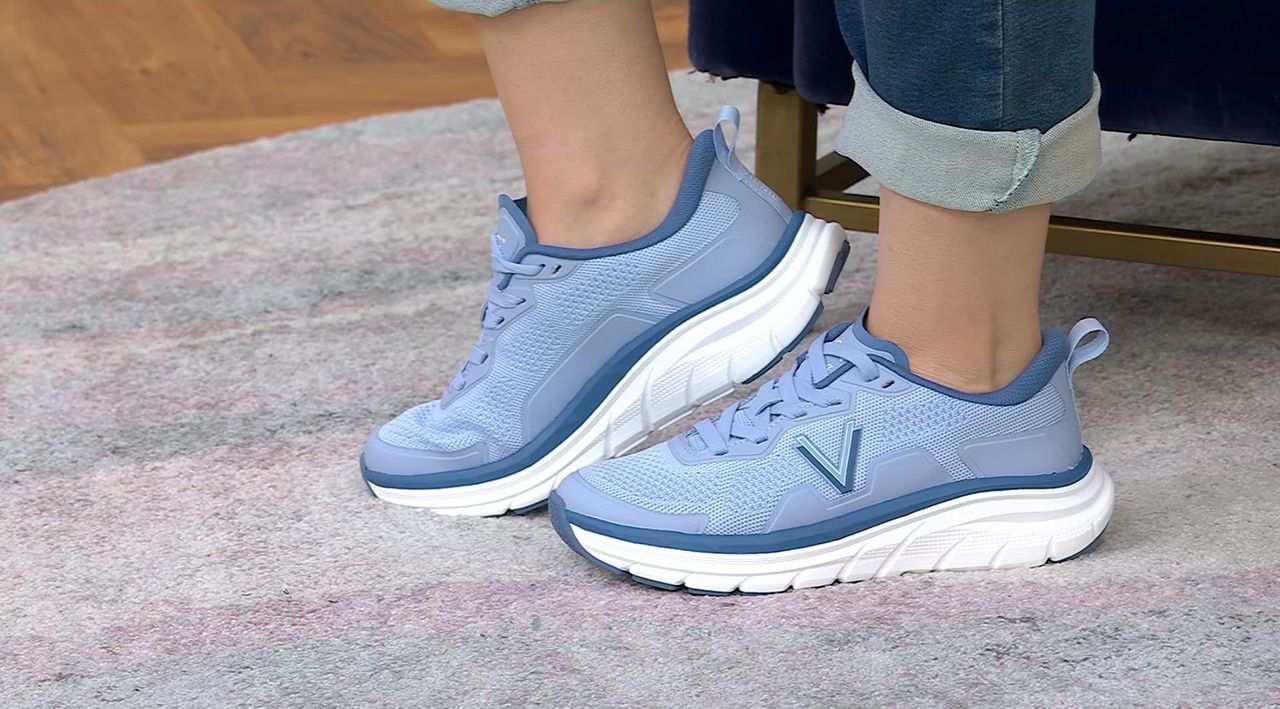
Vionic’s reputation rests on three pillars of technology integrated into their footwear. First is the Orthaheel Technology (now often branded as Vionic Motion System), a podiatrist-designed footbed that provides deep heel cupping, superior arch support, and a forefoot ridge. This design is backed by clinical studies, including one published in the Journal of Foot and Ankle Research, which found that footwear with similar biomechanical features significantly reduced pain in individuals with plantar fasciitis. Second is the strategic use of materials. Many models feature a durable rubber outsole with flex grooves, allowing for a natural bend at the ball of the foot while maintaining stability. The third pillar is mindful design for the walking gait. Unlike running shoes built for forward propulsion, a true Vionic walking shoe prioritizes stability through a slightly wider base and robust heel counter, ensuring your foot is secured and supported through the longer, more varied contact time of a walking stride. This trifecta transforms the shoe from a passive covering into an active support system.
A Walk Through the Lineup: Finding Your Perfect Match
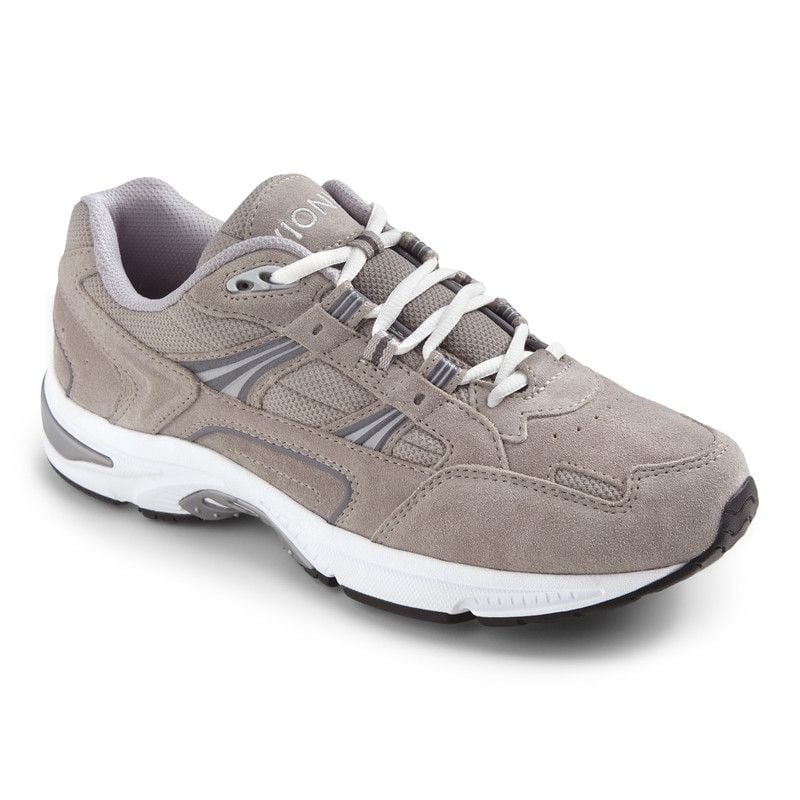
Vionic offers a range of walking shoes, each tailored to slightly different needs and aesthetics. The classic Vionic Walker is often the entry point, featuring a durable leather upper and the signature footbed, ideal for those seeking traditional styling with maximum support. For those needing enhanced cushioning, perhaps for walking on harder surfaces, the Vionic Walker Max incorporates a plush, responsive midsole that absorbs shock without compromising the guiding orthotic support. Then there are models like the WalkStrider, which often use lighter, more breathable materials and a sportier silhouette, designed for the active walker who values flexibility and modern looks. The choice isn’t about which is universally “best,” but which aligns with your foot’s specific contours, your typical walking environment, and your personal style. Trying on different models is crucial, as the feel of the arch support and heel cup can vary subtly between designs.
Beyond Marketing: Voices from the Community and Experts
The efficacy of Vionic’s design is echoed beyond their own literature. On platforms like Quora and specialized health forums, countless users with conditions like plantar fasciitis or flat feet describe the Vionic walking shoe as a “game-changer,” often stating it was recommended by their podiatrist. Celebrity fitness trainer Harley Pasternak has been quoted discussing the importance of supportive footwear for all-day energy, a sentiment that aligns perfectly with Vionic’s ethos. As Dr. Andrew Shapiro, a board-certified podiatrist, noted in an interview, “The right supportive shoe acts as a mobile orthotic. It’s about providing consistent, correct alignment whether you’re taking 1,000 steps or 10,000.” This external validation from both everyday users and medical professionals underscores that the benefits are tangible, not merely theoretical. It shifts the perception of these shoes from a consumer product to a widely endorsed biomechanical aid.
“The right supportive shoe acts as a mobile orthotic. It’s about providing consistent, correct alignment whether you’re taking 1,000 steps or 10,000.” – Dr. Andrew Shapiro, Podiatrist
Investment in Wellness: Balancing Cost with Long-Term Value
It’s true that Vionic walking shoes often carry a higher initial price point than mass-market sneakers. However, evaluating them requires a shift in perspective: from a simple apparel purchase to an investment in musculoskeletal health. Consider the cost of ongoing treatments for foot pain—custom orthotics, physical therapy sessions, pain relievers. A well-constructed Vionic shoe, with its built-in podiatric support, can preempt many of these expenses. Furthermore, the quality of materials and construction typically translates to greater durability. To make this investment more accessible, savvy shoppers should look to official sales periods (like seasonal changes), sign up for brand newsletters for exclusive discounts, and check authorized retailers who may offer competitive pricing. The value proposition becomes clear when you calculate cost per wear over the shoe’s extended lifespan and, more importantly, its role in maintaining an active, pain-free lifestyle.

Stepping Forward with Informed Confidence
Choosing footwear is one of the most direct actions we take daily that influences our physical health. A Vionic walking shoe represents a conscious choice to prioritize biomechanical integrity. It is a product born from clinical insight, designed to do more than just cover your feet—it aims to realign, stabilize, and protect. By understanding the technology behind the support, recognizing the voices of those who have found relief, and viewing the purchase through the lens of long-term wellness, you equip yourself to make a decision that supports every step of your journey. The path to all-day comfort begins not with a step, but with the foundation you choose for it.

