

The Best Tennis Shoes for Everyday Walking Comfort
When we talk about finding the perfect shoe for the miles we log in our daily lives, the conversation often veers towards specialized walking shoes or running sneakers. However, a compelling and often overlooked category is that of tennis shoes for walking. Originally engineered for the lateral cuts, quick stops, and sprints of the tennis court, these shoes possess a unique set of features that translate remarkably well to the demands of everyday ambulation. This isn’t about repurposing a worn-out pair of court shoes; it’s about recognizing the inherent design principles in modern tennis footwear that offer stability, cushioning, and durability for the walker. The right pair can transform your daily commute, your weekend errands, or your dedicated fitness walk from a mundane task into a genuinely comfortable experience.

The Anatomical Synergy: Why Tennis Shoes Work for Walking
To understand the suitability of tennis shoes for walking, we must dissect the biomechanics of both activities. Walking is a heel-to-toe motion, a controlled fall where each foot absorbs 1.5 times your body weight with every step. Tennis, while involving running, is predominantly about multi-directional movement—side-to-side, forward, and backward lunges. This demands exceptional midfoot and forefoot stability. Consequently, tennis shoes are built with a focus on lateral support and forefoot reinforcement, areas often under-engineered in standard running shoes designed for straight-line motion. Dr. Casey Kerrigan, a renowned biomechanist and former professor at Harvard Medical School and the University of Virginia, has extensively researched footwear. In her studies, she often emphasizes that excessive cushioning can destabilize the foot. A tennis shoe’s firmer midsole and supportive upper provide a stable platform, preventing the excessive inward roll (overpronation) common in walkers, which can lead to knee, hip, and back pain. This inherent stability is a scientific boon for walkers. Furthermore, the outsole of a tennis shoe, typically made of durable, non-marking rubber with a herringbone or modified tread pattern, offers excellent traction on a variety of surfaces—from pavement to indoor floors—mirroring the need for grip on different court surfaces. This translates directly to confident strides on wet sidewalks or polished supermarket aisles.
Decoding the Features: Cushioning, Support, and Breathability
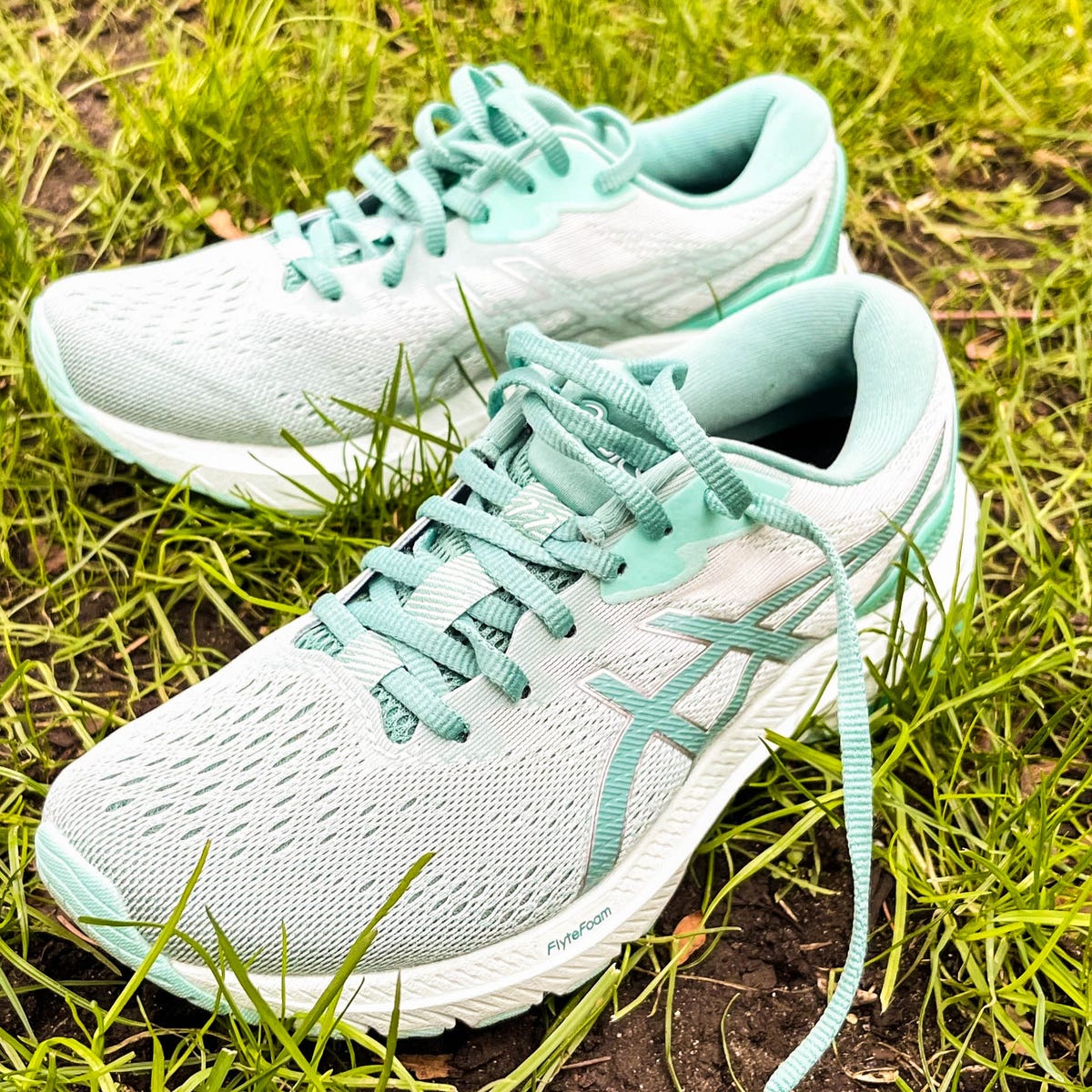
Let’s move from the general to the specific. When evaluating tennis shoes for walking, three pillars stand out: cushioning, support systems, and breathability. The cushioning in tennis shoes is strategic. Unlike the plush, soft foam stacks in some running shoes meant to maximize energy return over long, linear distances, tennis shoe cushioning is often more responsive and firmer. Brands like ASICS, with their GEL technology, or Nike, with Air units, place these cushioning systems in the heel and forefoot—precisely the points of impact for a walking gait. This provides shock absorption without the mushy instability. The support structure is paramount. Look for features like a TPU shank or midfoot saddle. These are not just marketing terms; they refer to hardened plastic or reinforced material that reduces torsional flex, keeping your foot aligned. A study published in the Journal of Orthopaedic & Sports Physical Therapy highlighted the role of midfoot stability in reducing lower limb injuries. The upper of a good walking tennis shoe should be breathable mesh to manage moisture but reinforced with synthetic overlays or leather in high-wear areas (like the toe drag zone in tennis) which coincidentally protects the shoe during the walking toe-off phase. This combination ensures your foot stays cool and the shoe maintains its shape over hundreds of miles.
Voices from the Court and the Road: Endorsements and Evidence
The argument for tennis shoes as superior walking companions isn’t made in a vacuum. It’s echoed by professionals and enthusiasts alike. On platforms like Quora and specialized fitness forums, physical therapists often recommend stable, court-style shoes for patients with plantar fasciitis or mild overpronation who are beginning a walking regimen. Celebrity trainer Harley Pasternak, who has worked with stars from Lady Gaga to Robert Pattinson, frequently emphasizes footwear choice in his 5-Factor Fitness philosophy. While not exclusively endorsing tennis shoes, he stresses the importance of supportive, purpose-built shoes for everyday activity, a box many tennis shoes check. Furthermore, consider the testimony from the tennis world itself. In an interview for Tennis Magazine, renowned podiatrist Dr. Paul Langer, who treats professional athletes, stated:
“A quality tennis shoe is one of the most supportive athletic shoes you can buy. It’s designed to handle extreme forces in multiple planes of motion. For someone whose daily activity is walking, that level of support is often overkill in the best possible way—it provides a margin of safety and comfort that a minimalist shoe cannot.”
This “overkill” is precisely the buffer that makes a tennis shoes for walking so effective. It’s engineered for more demanding physical scenarios, making it exceptionally reliable for less intense, but prolonged, use.
Making the Right Choice: A Buyer’s Considerations
Armed with this knowledge, how do you select the ideal pair? First, prioritize fit over everything. Your walking shoe should have a thumb’s width of space in the toe box to allow for natural foot swelling and splaying during your stride. The heel should be locked in without slippage. Second, examine the outsole. A durable rubber with a flat, multi-directional tread pattern will offer the best longevity and grip for pavement and trails. Deep, aggressive lugs are unnecessary and may feel unstable on concrete. Third, consider weight. Modern tennis shoes have become lighter, but some still carry more heft than a minimalist running shoe. Aim for a balance; a slightly heavier shoe often indicates more substantial materials and support, which can be beneficial. Brands like New Balance, with their extensive width sizing, or Brooks, which adapts running biomechanics to other categories, offer excellent crossover models. Remember, the goal is to find a shoe that feels secure, not restrictive, and propels you forward comfortably. Don’t be swayed by the sport’s name on the box; be swayed by the engineering inside it.

Investment in Comfort: The Long-Term Value Proposition
Here is where professional knowledge meets practical economics. A premium pair of tennis shoes for walking might carry a higher initial price tag, often ranging from $100 to $160, compared to a basic casual sneaker. However, the cost-per-mile analysis tells a different story. The reinforced toes, robust outsoles, and high-quality midsole foams (like Adidas’s Boost or Nike’s React) are designed to resist compression set and wear. Where a cheap shoe might be flattened and unsupportive after 200 miles, a well-constructed tennis shoe can comfortably provide support and cushioning for 500 miles or more. This durability effectively halves your long-term footwear cost. Furthermore, consider the potential healthcare savings. Investing in supportive footwear is a proactive measure against common overuse injuries. As noted by the American Podiatric Medical Association, improper footwear is a leading contributor to foot ailments. By choosing a shoe with proven stability features, you are potentially avoiding the costs and discomfort associated with plantar fasciitis, shin splints, or knee pain. Many reputable brands also offer last-season models or colorways at significant discounts (often 30-50% off), providing access to this superior technology at a more accessible price point. The value lies not just in the product, but in the sustained comfort and health it supports.
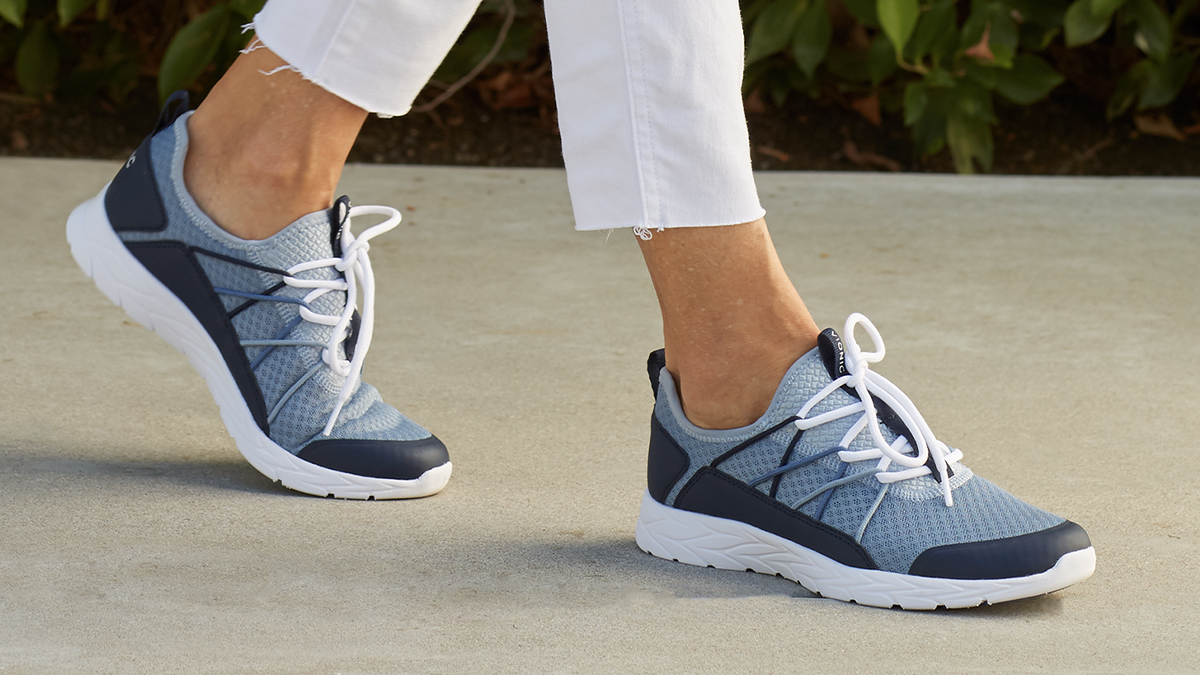
The quest for the perfect everyday walking shoe ends not in the running aisle, but perhaps surprisingly, near the tennis gear. The architectural philosophy behind a modern tennis shoe—its unwavering commitment to lateral stability, strategic cushioning, and all-surface traction—creates a foundation that is uniquely advantageous for the walker. It offers a protective, stable environment for your feet, translating the rigorous demands of court sport into everyday resilience. Choosing a pair of tennis shoes for walking is a decision that merges biomechanical science with practical longevity, an investment that pays dividends in every comfortable, confident step you take on your daily journey.
