

The Best Tennis Shoes for All-Day Walking Comfort
When you think of a shoe built for miles of pavement, a running shoe might spring to mind. But step off that track for a moment. The true champion for the urban explorer, the all-day commuter, or the weekend wanderer might just be sitting in the athletic aisle, often overlooked: the modern tennis shoes for walking. This isn’t about repurposing a clay-court specialist for a city stroll. It’s about recognizing that the engineering principles behind a great tennis shoe—lateral support, durable outsoles, and cushioned stability—align almost perfectly with the demands of prolonged walking. The right pair doesn’t just carry you; it transforms your relationship with distance, turning a potential chore into a sustained pleasure.
The Unseen Architecture of Support: Why Tennis Shoes Work
To understand the suitability of tennis shoes for walking, we must dissect their design philosophy. Tennis is a sport of explosive, multi-directional movement. A player isn’t just moving forward; they’re lunging sideways, backpedaling, and pivoting on a dime. This demands a shoe with a fortified midfoot and a heel counter that locks the foot in place to prevent rollovers, a common source of ankle injuries. Dr. James G. Garrick, Director of the Center for Sports Medicine at Saint Francis Memorial Hospital, has often emphasized the importance of “motion control” in athletic footwear, a feature paramount in tennis designs. When you walk, especially for hours, your foot undergoes a repetitive gait cycle—heel strike, foot flat, mid-stance, toe-off. While less violent than a tennis lunge, this cycle, repeated thousands of times, places stress on the same stabilizer muscles and ligaments. A running shoe, optimized for forward motion in a straight line, often has softer, more malleable sidewalls. A tennis shoe’s inherent lateral support system acts as a guiding chassis for your foot, promoting a stable, efficient roll from heel to toe and reducing the muscular fatigue associated with overpronation or supination. It’s a foundational principle of biomechanics: stability begets efficiency, and efficiency begets endurance.
:max_bytes(150000):strip_icc()/vwt-walking-shoes-test-ryka-devotion-x-sahara-borja-02-18807b688fbb49e4ba30a3ee438600cb.jpeg)
Cushioning vs. Responsiveness: Finding the Sweet Spot
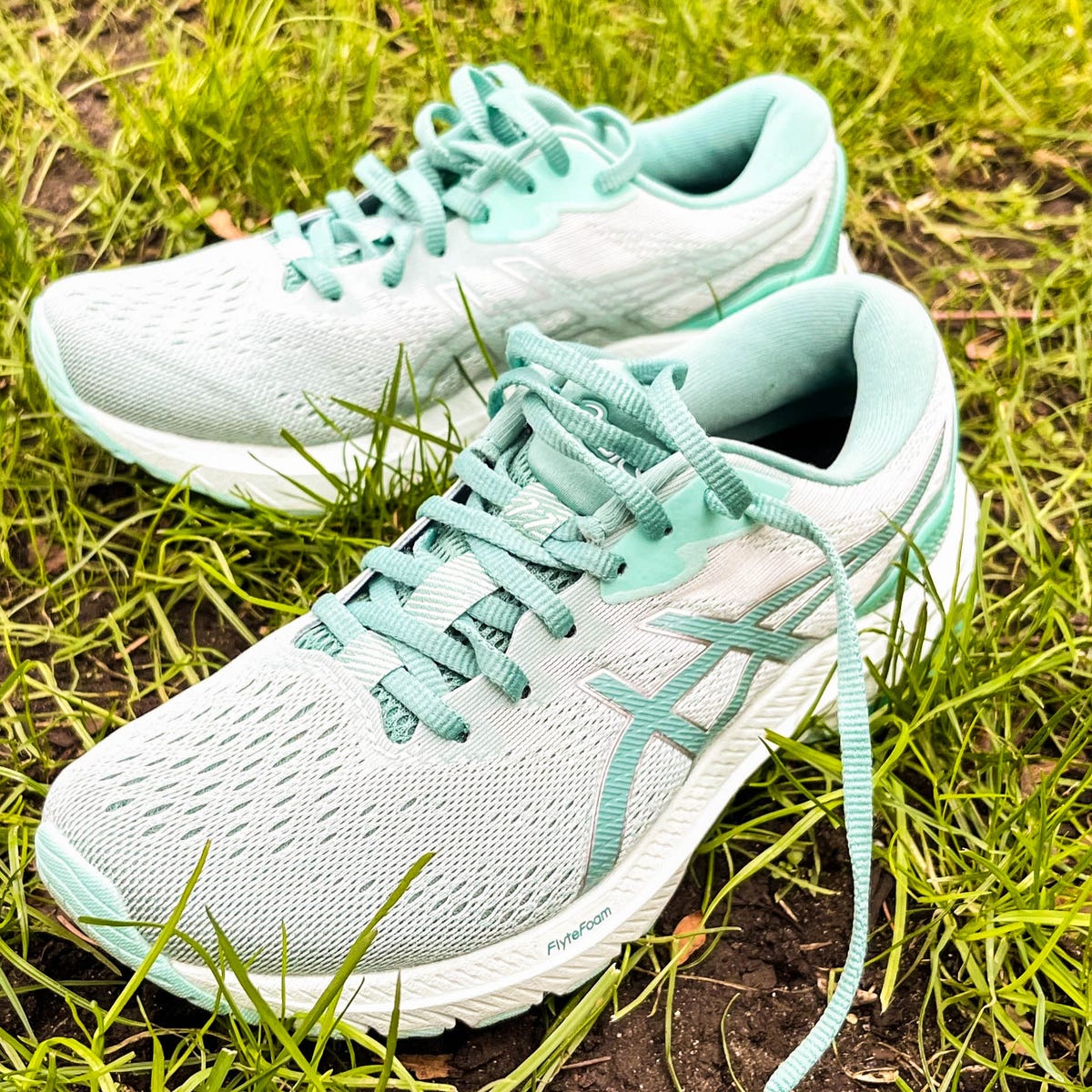
The cushioning debate is central to choosing any athletic shoe. For walking, the goal is not the plush, energy-returning foam of a marathon racer, nor the ultra-firm, low-to-the-ground feel of a court shoe for hard surfaces. It’s about a balanced “responsive cushioning.” Think of it as the difference between a luxury sedan and a sports car. You want the smooth ride that absorbs the repetitive impact of concrete (the sedan’s comfort) but with enough feedback and spring to propel you into the next step without feeling like you’re sinking into quicksand (the sports car’s connection to the road). Brands like ASICS, which roots its technology in decades of biomechanical research often cited in university kinesiology departments, excel here. Their GEL technology, for instance, isn’t just marketing; it’s a silicone-based cushioning system placed at critical impact points to dissipate shock waves before they travel up the skeletal system. This is crucial for all-day comfort. As noted in reviews from authoritative sites like Runner’s World and CNET, the best tennis shoes for walking often utilize dual-density midsoles—a firmer foam on the inner edge to control overpronation, and a softer, responsive foam elsewhere. This scientific approach to material layering provides a protective yet lively platform that can handle a museum tour as well as a brisk walk to the train.
The Durability Dividend: Outsole Design and Long-Term Value
Walking primarily wears down the heel and forefoot areas of an outsole. Tennis shoes, however, are built to withstand the abrasive sandpaper effect of a hard court, which grinds away at the entire sole, especially the toe-drag area for serves and the lateral edges for slides. Consequently, manufacturers use exceptionally durable rubber compounds, like Adidas’s Adiwear or Nike’s BRS 1000, in high-wear zones. This translates directly to longevity for a walker. While a running shoe’s lightweight blown rubber outsole might be chewed up by six months of daily pavement pounding, a tennis shoe’s tougher sole will likely last well over a year, providing a better cost-per-mile ratio. The tread pattern is also key. Instead of deep, aggressive lugs for trail running, tennis shoes feature a modified herringbone or hexagonal pattern that offers omnidirectional grip on flat, hard surfaces—perfect for wet sidewalks, polished museum floors, or tile. This durability isn’t an accident; it’s a core design parameter. As a popular Quora thread on shoe longevity highlighted, users consistently report that cross-training or tennis-specific models outlast their running-focused counterparts for casual, daily wear, making them a smarter long-term investment for your walking routine.
Beyond the Court: Aesthetic and Functional Versatility
Let’s address the elephant in the room: style. The classic white leather tennis shoe, immortalized by icons from John McEnroe to Princess Diana, has evolved. Today’s models blend performance materials with contemporary designs. You can find options in sleek monochromes, subtle earth tones, and modern knits that transition seamlessly from a morning walk to a casual lunch or even a workplace with a relaxed dress code. This versatility is a significant advantage. You don’t need to pack an extra pair of “civilian” shoes. The right tennis shoes for walking perform and complement your wardrobe. This fusion of form and function is a principle championed by designers like Tinker Hatfield at Nike, who famously stated, “Design must reflect the practical and aesthetic in business but above all… good design must primarily serve people.” A good walking shoe serves you by being both a biomechanical tool and a stylistic asset, eliminating the compromise between comfort and appearance.

Selecting Your Pair: A Practical Guide
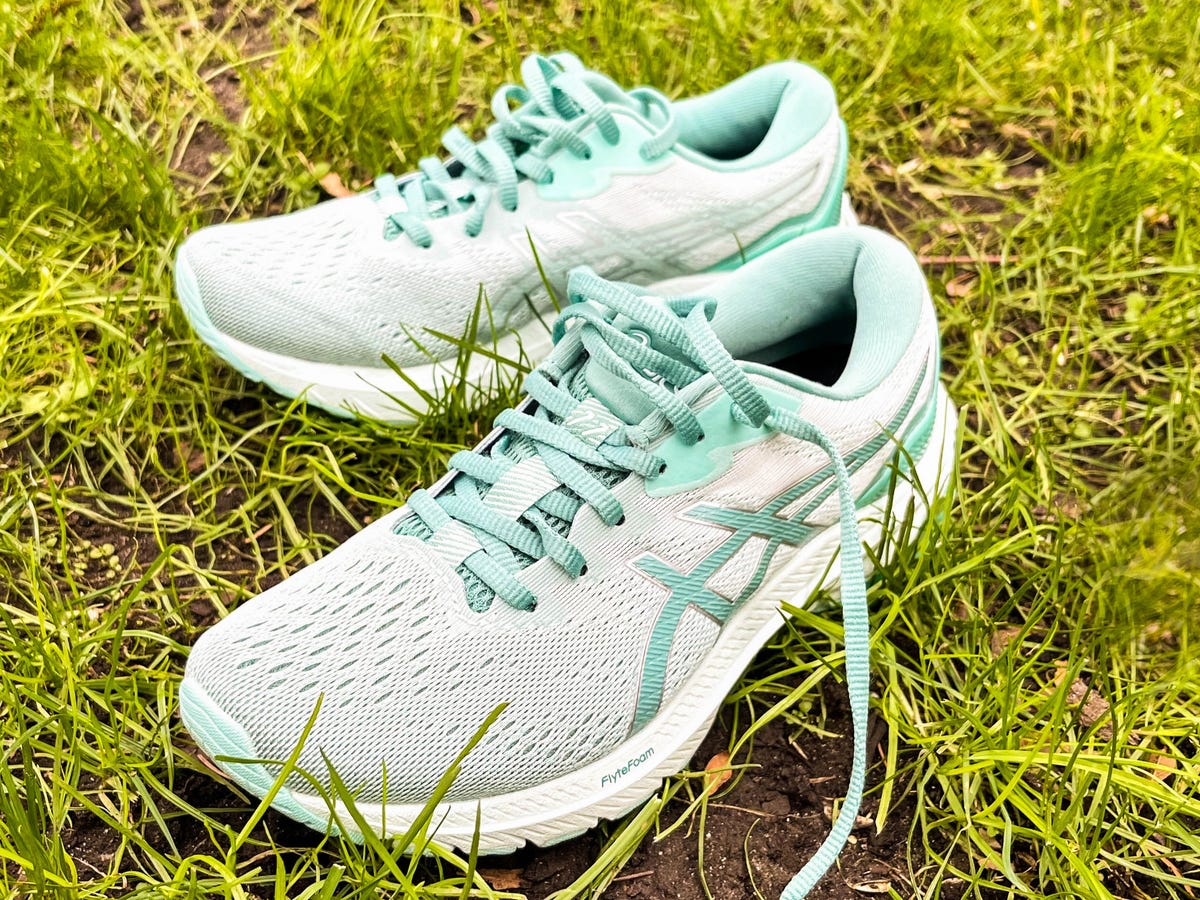
Knowing the theory is one thing; choosing is another. Start with fit. Your walking shoe should have a thumb’s width of space in the toe box to allow for natural foot spread and swelling during long periods of activity. The heel must be snug, not tight, with minimal slippage. Focus on brands with a heritage in court sports: ASICS (Gel-Resolution or Gel-Dedicate lines), Nike (Court Lite or Air Zoom Vapor series), Adidas (Gamecourt or Solecourt models), and New Balance (Fresh Foam Lav or 696v4). These lines incorporate the stability and durability we’ve discussed. Don’t be swayed by the most expensive “pro” model; often, the mid-tier “team” or “club” versions offer 90% of the technology at a significantly lower price point. For instance, while a premium ASICS Gel-Resolution may feature top-tier materials, the ASICS Gel-Dedicate provides the essential GEL cushioning and durable outsole at a more accessible price, often found on discount platforms for under $75. This is where bringing professional knowledge to discounted prices truly benefits you. Check official brand outlet sites, reputable sporting goods retailers during seasonal sales, and even certified resellers on Amazon. The goal is to acquire engineered performance without the premium price tag of the latest, hype-driven sneaker release.
The Final Verdict: A Step in the Right Direction
The search for the perfect all-day walking companion ends not with a specialized tool, but with a versatile athlete. The modern tennis shoe, born from the rigorous demands of court sport biomechanics, provides a unique synergy of lateral support, responsive cushioning, and hardened durability that is uniquely suited to the sustained, repetitive nature of walking. It offers a foundation that protects, a design that adapts, and a value proposition that endures. So, before you default to the running aisle, take a moment to consider the court. Your feet, your style, and your wallet may thank you for choosing a purpose-built partner for the long road ahead. The evidence from biomechanics, material science, and consumer experience points clearly to one conclusion: for conquering the urban landscape in comfort and confidence, a well-chosen pair of tennis shoes for walking is not just an alternative; it is, quite possibly, the optimal choice.
