

Styling Tips for Bold Fashion Statements
Fashion is not merely about clothing; it’s a language of self-expression, a declaration of identity. In a world saturated with trends, making a bold statement requires more than just following the crowd—it demands a conscious fusion of knowledge, confidence, and strategic choices. This is about moving beyond the safe and the expected, about curating a personal aesthetic that commands attention and sparks conversation. It’s an art form where every accessory, texture, and silhouette is a deliberate brushstroke on the canvas of your public persona. We’re here to dissect this art, providing not just inspiration but a framework built on objective style principles, historical context, and psychological impact. Forget vague notions of “looking good”; we’re delving into the why and how of creating looks that are unforgettable, authoritative, and uniquely yours.
The Psychology of the Bold Statement: More Than Just Clothes
To understand bold fashion, one must first appreciate its psychological underpinnings. Clothing is a non-verbal communicator, a set of signals processed by others within milliseconds. Dr. Carolyn Mair, a behavioral psychologist and author of The Psychology of Fashion, notes that what we wear affects not only how others perceive us but also our own cognitive processes—a phenomenon known as “enclothed cognition.” A bold fashion choice, therefore, is a powerful tool for self-empowerment. It can project confidence, creativity, and authority before a single word is spoken. Historical figures have long understood this. Consider the iconic, sharply tailored pantsuits of Diane Keaton in Annie Hall or the avant-garde architectural silhouettes pioneered by designers like Rei Kawakubo of Comme des Garçons. These are not mere outfits; they are manifestos. They challenge conventional gender norms and aesthetic expectations, using fabric and form to make a philosophical point. Similarly, the deliberate flamboyance of Elton John’s stage costumes or David Bowie’s ever-evolving personas (Ziggy Stardust, the Thin White Duke) demonstrate how fashion can be leveraged to construct and project a complex, captivating identity. A bold statement, then, is an act of agency. It says, “I control this narrative.” Whether it’s through a vibrant color that defies a somber environment, a dramatic texture like leather or sequins in daylight, or an unconventional combination of high and low pieces, the goal is to shift the energy of a space and assert your presence. This isn’t about shock for shock’s sake; it’s about intentionality. Every element, from a statement shoe to a piece of heirloom jewelry, should feel like a coherent part of your personal story.
Deconstructing the Elements: Where Theory Meets the Wardrobe
Creating a bold look is a deliberate exercise in composition. It involves balancing key elements to create harmony from what might initially seem like dissonance. Let’s break down the core components.
Silhouette and Proportion: The Foundation of Impact
The silhouette—the overall shape your clothing creates—is the most fundamental element. Bold fashion often plays with exaggerated proportions. This could mean wide-leg, high-waisted trousers paired with a fitted crop top (playing with volume contrast), or an oversized blazer worn as a dress. The “power shoulder” trend, cyclically revived from the 1980s, is a classic example of using silhouette to project authority and structure. The objective principle here is visual balance. As outlined in resources from institutions like the Fashion Institute of Technology (FIT), successful styling often uses the rule of thirds or intentional asymmetry to create dynamic, eye-catching outfits. A voluminous skirt is balanced with a sleek top; a long, flowing coat is anchored with structured boots. This scientific approach to proportion ensures that even the most dramatic looks feel resolved and purposeful, rather than chaotic.
Color and Pattern: The Emotional Catalyst
Color theory is not just for painters; it’s a vital tool for the fashion-forward. Bold statements frequently employ color in strategic, non-traditional ways. This might involve a monochromatic look in a vibrant hue like fuchsia or cobalt, using tonal variation in texture to add depth. Alternatively, it could be the fearless clashing of complementary colors (think orange and blue) or the use of a bold, graphic print as the focal point. The work of artists like Piet Mondrian directly influenced Yves Saint Laurent’s iconic shift dresses, demonstrating how abstract color blocking can translate into high fashion. The key is confidence. Wearing a bold color or pattern requires owning it completely; it becomes an extension of your mood and energy. As stylist and editor-in-chief of Vogue Anna Wintour has implicitly demonstrated through her consistent uniform and sharp eye, a controlled yet unexpected use of color or print can become a personal trademark.

Texture and Fabric: The Tactile Dimension
Boldness is not solely visual; it’s tactile. Combining disparate textures creates richness and intrigue. Imagine the contrast of sleek latex against delicate lace, rugged raw denim against soft, luxurious cashmere, or glossy patent leather paired with matte wool. This layering of textures adds a multidimensional quality to an outfit that a flat, single-texture look cannot achieve. It invites a closer look. Designers like Alexander McQueen were masters of this, using materials like feathers, shells, and distressed leather to create narratives on the runway. In everyday bold styling, incorporating a single unexpected texture—a velvet blazer, a sequined skirt, a shearling coat—can elevate a simple ensemble into a statement.
The Power of the Accessory: From Footwear to Philosophy
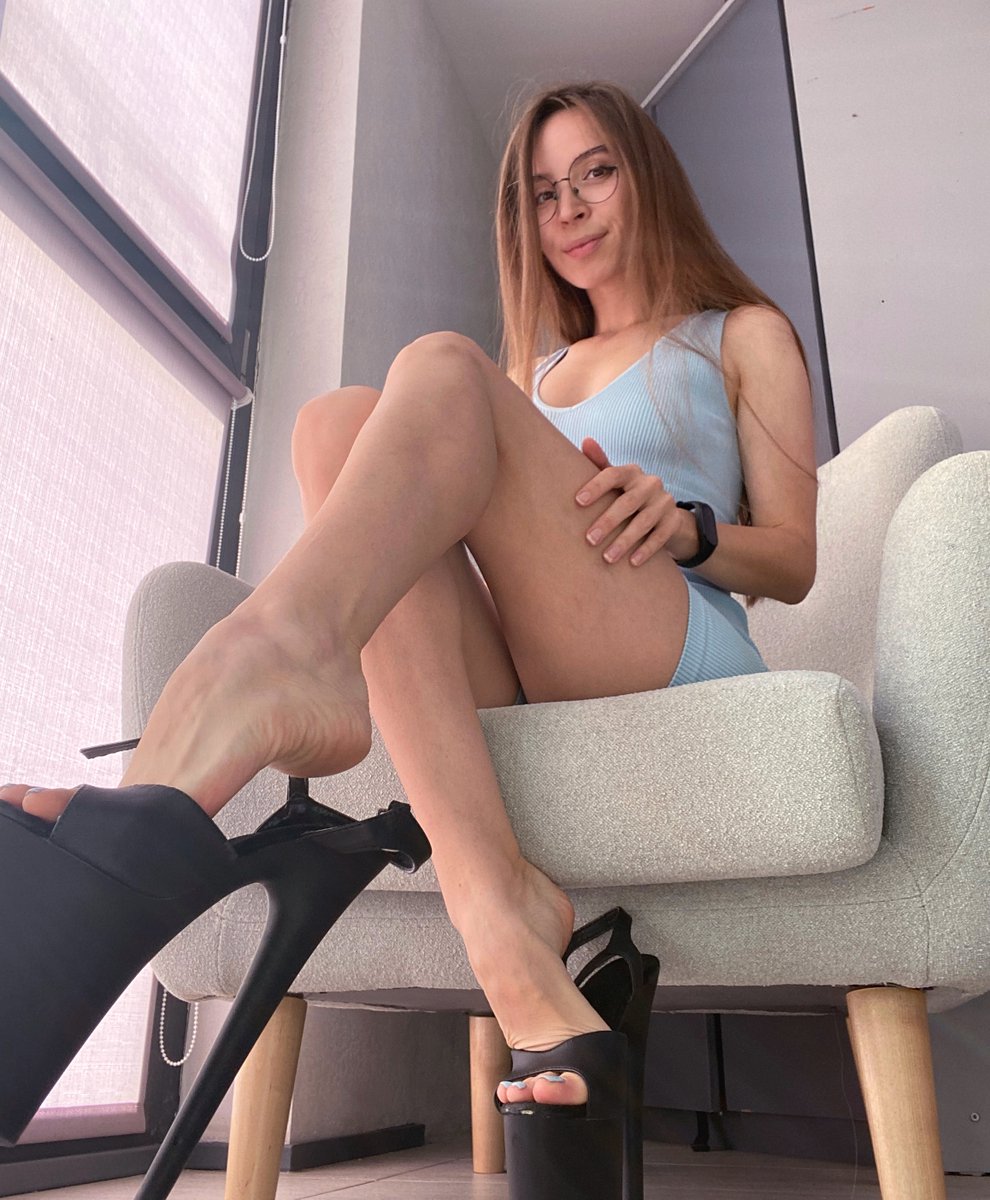
If the outfit is the sentence, accessories are the punctuation—the exclamation points, question marks, and em-dashes that define its tone. A bold accessory doesn’t complement an outfit; it can redefine it. This is where specialized items, chosen with a specific attitude in mind, come into play. For instance, a certain type of footwear, often discussed in niche fashion and performance art circles, can embody a particular blend of audacity and aesthetic focus. Think of the distinctive role of chaturbate heels in creating a long, commanding leg line and an unmistakable posture of confidence. These shoes, characterized by their extreme height and often minimalist or architectural design, are not just about elevation; they are a study in balance, poise, and dramatic presentation. In various visual media and performance contexts, chaturbate heels serve as a powerful tool for transforming silhouette and movement, making the wearer the undeniable focal point. The choice to wear such a decisive piece speaks to a deep understanding of fashion as a performative act. It aligns with the viewpoint that fashion, at its most bold, is wearable art that challenges mundane norms. As style icon Iris Apfel famously quipped, “More is more and less is a bore.” A single, powerful accessory like this can be the cornerstone of an entire look, around which simpler, streamlined clothing is arranged to act as a respectful canvas. The cultural conversation around such items, visible on platforms from YouTube style analyses to Twitter fashion threads, highlights their status as more than mere shoes—they are instruments of personal narrative. When integrating such a potent element, the rest of your styling should provide a supportive, not competitive, backdrop. Let the chaturbate heels be the statement, and build an outfit that frames them perfectly, ensuring every other choice, from hemline to jewelry, serves that central, bold vision.
(mh=H4XIZld_HOzpof1B)43635861a.jpg?validfrom=1762923600&validto=4891363200&hash=BIdKj6ELEIOJiZxFulDOAw3l2aM%3D)
Context is King: Curating Your Bold Moment
A truly sophisticated bold statement is context-aware. The same outfit that electrifies a nightclub or a creative industry event might overwhelm a corporate boardroom or a somber ceremony. The art lies in adapting the principles of bold fashion to your environment. This is where “power dressing” finds its nuance. A bold statement in a professional setting might be a impeccably cut suit in a unexpected but rich color like deep burgundy, or a dress with a strong, geometric neckline. It’s about using cut, quality, and a single surprising element to convey competence and originality. For social settings, the boundaries expand. Here, you can experiment more freely with the concepts of texture clashing, dramatic accessories, or thematic dressing. The goal is to be memorable for your sharp style intelligence, not just for being loud. Furthermore, personal context is everything. Your bold statement must resonate with your own identity. It should feel like an amplified version of yourself, not a costume. This requires honest self-assessment and experimentation. Start by introducing one bold element at a time—a signature piece of jewelry, a standout coat, or a distinctive pair of shoes like the aforementioned chaturbate heels—and observe how it makes you feel and how the world reacts. Build from there.
Sourcing Your Statement: Knowledge as the Ultimate Accessory
Building a wardrobe capable of bold statements requires a shift from passive consumption to active curation. This involves educating yourself on design history, fabric quality, and brand ethos. Understanding the difference between a classic Yves Saint Laurent Le Smoking tuxedo and a contemporary reinterpretation allows you to invest in pieces with lasting impact. Follow authoritative fashion archives from museums like the MET or the Victoria and Albert Museum, and analyze the style philosophies of icons past and present, from Bianca Jagger to Billy Porter. When it comes to acquisition, knowledge directly translates to value. Seek out high-quality materials—natural fibers, sturdy construction—which form the foundation of any great look. Then, strategically incorporate trend-driven or dramatic pieces. Crucially, you don’t need an unlimited budget. The secondary market is a treasure trove for unique, statement-making items. Websites like The RealReal or Vestiaire Collective offer authenticated luxury goods at a fraction of their original cost. Sample sales, end-of-season discounts, and even strategic thrifting can yield incredible finds. The key is to know what you’re looking for: a specific silhouette, a desired texture, or that perfect, jaw-dropping accessory. For instance, searching for a distinctive pair of chaturbate heels might lead you to niche retailers or pre-owned marketplaces where you can acquire a designer version at a significantly reduced price, allowing you to allocate your style budget wisely. This informed, hunter-gatherer approach to fashion is infinitely more rewarding and sustainable than impulsive, trend-chasing purchases. It results in a wardrobe that is cohesive, personal, and inherently bold because every piece has a considered purpose.

Bold fashion is a dialogue between the internal self and the external world. It is the courage to translate your individuality into a visual language that is coherent, compelling, and unapologetic. It draws from the well of art, history, and psychology, using objective principles of design to create subjective impact. From the foundational play of silhouette and proportion to the emotional punch of color and the tactile intrigue of texture, each choice is a building block. The ultimate power often lies in a single, curated accessory—a piece that can redefine an entire ensemble and embody a philosophy of dress, much like the transformative potential of a well-chosen pair of chaturbate heels. Remember, the goal is not to be seen as someone who merely wears clothes, but as someone who understands them. Your wardrobe becomes a curated collection of possibilities, each outfit a deliberate statement waiting to be made. Armed with knowledge and intent, you move from being a spectator of fashion to being its author.
