

Step Into Style: The Ultimate Guide to Toe Walker Shoes
In the world of footwear, a unique category exists that blends medical necessity with lifestyle choice: toe walker shoes. For some, these are essential tools for managing a physical gait pattern; for others, they represent a conscious step towards a different way of moving. This guide delves beyond the surface, exploring the anatomy, science, and style of shoes designed for those who walk on their toes.
Decoding the Toe Walker Gait: More Than Just a Walk
To understand the shoe, we must first understand the gait. Toe walking, or idiopathic toe walking (ITW) when no underlying medical condition is identified, is characterized by a persistent pattern of walking on the balls of the feet with minimal or no contact between the heels and the ground. According to research from institutions like the Gait & Motion Analysis Laboratory at the University of California, San Francisco, this pattern alters the entire kinetic chain. The calf muscles (gastrocnemius and soleus) can become chronically shortened, the Achilles tendon may tighten, and the body’s center of gravity shifts forward. This isn’t merely a quirky habit; it’s a biomechanical reality that places unique stresses on the feet, ankles, knees, and even the lower back. A study published in the Journal of Children’s Orthopaedics notes that while common in toddlers, persistent toe walking beyond age three may warrant evaluation. The right toe walker shoes are engineered to address these precise biomechanics, offering support where it’s needed most and promoting a healthier alignment without sacrificing personal expression.
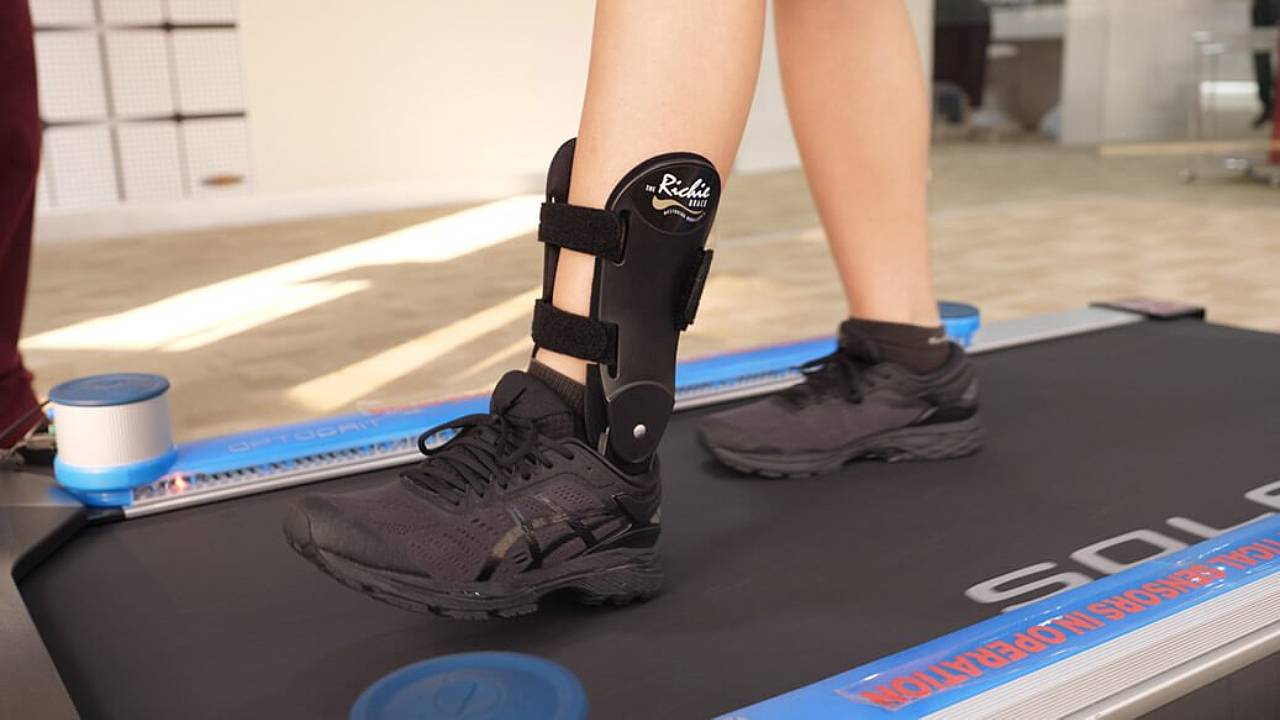
The Architectural Blueprint: Key Features of a Supportive Shoe
Not every shoe can accommodate or correct a toe-walking gait. The architecture of an effective toe walker shoe is built on several non-negotiable pillars. First and foremost is heel counter rigidity. A firm, deep heel cup is paramount. It acts as a stabilizer, cradling the calcaneus (heel bone) and preventing the foot from sliding forward and upward into a toe-standing position within the shoe. This feature is often cited by podiatrists on platforms like Quora and in clinical literature as the single most important element for managing toe walking. Secondly, consider the rocker sole. Inspired by therapeutic footwear, a rocker-bottom profile facilitates a smoother roll-through from heel-strike to toe-off, even if the wearer’s natural tendency is to forego the heel-strike. It reduces the effort required for forward propulsion and minimizes pressure on the forefoot. Third is forefoot volume and depth. Toe walkers often exert immense pressure on the metatarsal heads. A shoe with ample height and width in the toe box prevents cramping, allows for natural toe splay, and can accommodate custom orthotics if needed. Finally, secure closure systems—like laces, multiple straps, or BOA fit systems—ensure the foot remains locked in the correct position, maximizing the effectiveness of the heel counter. As noted by the American Orthopaedic Foot & Ankle Society, proper fit is therapeutic in itself.
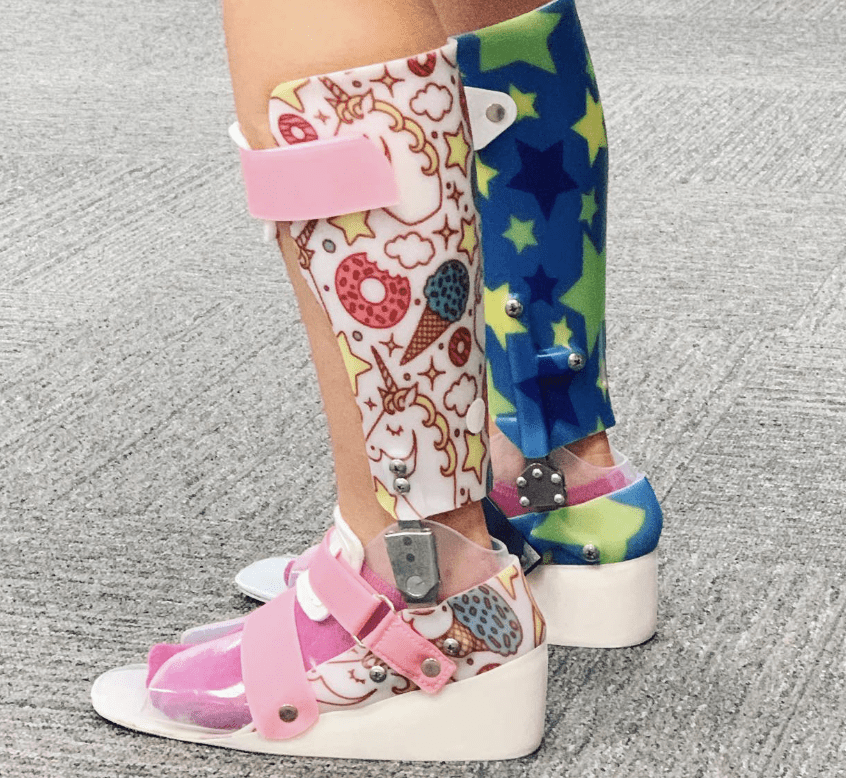
From Clinic to Concrete: The Lifestyle Evolution
The narrative around toe walker shoes has dramatically evolved. Once confined to clinical-looking orthopedic designs, the market has responded with style-conscious options. This shift mirrors a broader cultural movement towards inclusive and adaptive fashion. Brands now recognize that individuals managing toe walking—whether due to conditions like cerebral palsy, autism spectrum disorder (where toe walking can be a sensory-seeking behavior, as discussed in resources from the Autism Research Institute), or idiopathic causes—deserve choices that reflect their personal style. You can find sleek sneakers, robust boots, and even formal footwear incorporating the essential supportive features. This fusion of form and function empowers the wearer. It transforms a shoe from a mere medical device into a statement of identity. As celebrity stylist and inclusive design advocate on YouTube, Sinéad Burke, often emphasizes, “Fashion is a language. When you are excluded from it, you are excluded from the conversation.” Today’s toe walker shoes ensure everyone gets to speak.
The Orthotic Alliance: Maximizing Shoe Efficacy
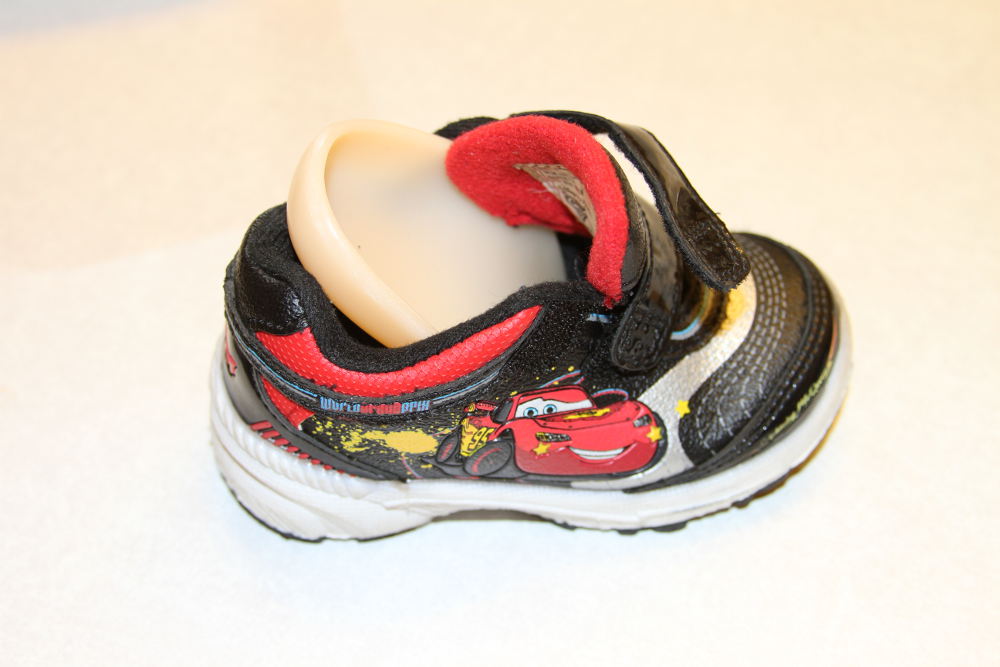
A perfect shoe is made more powerful with the right internal partner: the orthotic. For many toe walkers, custom-made foot orthoses prescribed by a podiatrist or orthotist are game-changers. These are not generic insoles from a pharmacy; they are 3D maps of your feet, designed to correct specific imbalances. A common prescription for toe walking includes a heel lift with a deep heel cup and a metatarsal pad or bar. The heel lift helps gently stretch a tight Achilles tendon by placing the ankle in a slightly more dorsiflexed position, while the metatarsal support offloads pressure from the overworked forefoot. Inserting these into your shoes requires attention to detail. As demonstrated in numerous instructional videos from orthotic labs, the existing insole of the shoe often needs to be removed to create sufficient depth. The partnership between a structurally sound shoe and a precision-crafted orthotic creates a synergistic system that manages symptoms, encourages a more typical gait pattern, and enhances overall comfort for the long haul.
Navigating the Market: A Curated Selection for Every Step
Embarking on the journey to find your ideal pair need not be overwhelming. Let’s break down some standout categories. For everyday versatility, look to brands like New Balance (certain 990 series models) or Altra, which offer inherent stability, wide toe boxes, and removable insoles. Their designs are athletically inclined yet socially seamless. For robust support and durability, orthopedic brands like Drew or Propét have decades of expertise, often featuring extra-depth construction and adjustable components. In the realm of youthful style, companies like Billy Footwear (with their innovative zip-open design) or Plae create shoes that are both fun and functional, addressing the needs of growing, active children who toe walk. It’s worth consulting reviews from communities on platforms like Reddit’s r/podiatry or parent forums dedicated to physical therapy, where real-world, long-term wear tests are shared. Remember, an investment in the right shoe is an investment in your musculoskeletal health. While premium supportive shoes can range from $120 to $250, and custom orthotics from $300 to $500, view them as essential equipment. Many podiatry clinics offer package deals or work with insurance, and manufacturers frequently provide seasonal discounts—signing up for newsletters is a savvy way to stay informed.

The Final Stride: Empowerment Through Informed Choice
Walking through life on your toes presents unique challenges, but it does not define your journey. The modern landscape of footwear offers a powerful convergence of medical science and design intelligence. By prioritizing immutable principles like heel counter stability and forefoot accommodation, and by partnering these features with professional guidance and custom orthotics when necessary, you transform your foundation. The right pair of toe walker shoes becomes more than footwear; it is an instrument of stability, a canvas for style, and a step towards sustainable mobility. Your path is distinct—your shoes should be engineered to honor it, every step of the way.
