

How to Style This Bold Trend for Every Occasion
Leopard print, a pattern historically laden with symbolism and controversy, has clawed its way back into the forefront of fashion, not as a fleeting novelty but as a foundational neutral. This resurgence isn’t about timid whispers of wildness; it’s a full-throated roar of confidence, a declaration of personal power translated into textile. Once relegated to the realm of the daring or the dated, animal prints, particularly leopard, have been democratized by contemporary designers and stylists. They argue that its organic, irregular spots mimic nature’s own artistry, making it surprisingly versatile. The key to wielding this potent pattern lies not in shying away from its boldness, but in understanding its language—its scale, its color palette, and its context. From the boardroom to a weekend brunch, the right application of leopard print, especially through a statement piece like cheetah print heels, can elevate an outfit from simple to spectacular. This guide dismantles the intimidation surrounding this trend, providing a scientific, stylistic, and practical roadmap for integrating leopard print into every facet of your wardrobe, proving that wildness, when mastered, is the ultimate sophistication.
The Psychology and History of the Spotted Pattern: Why Leopard Captivates
To style leopard print effectively, one must first appreciate its profound cultural and psychological roots. The pattern is not merely decorative; it is communicative. Historically, wearing the skin of a powerful predator like a leopard was a talismanic act, a way for tribal chiefs and royalty to appropriate the animal’s perceived attributes: strength, cunning, ferocity, and sovereignty. This symbolism transitioned into Western fashion in the 1930s and 40s, popularized by screen sirens who used it to project a dangerous, untamed sexuality. As fashion historian Dr. Valerie Steele notes in her work for The Museum at the Fashion Institute of Technology, “Animal prints, especially leopard, have long been associated with a transgressive, ‘feline’ femininity—a woman who is independent and potentially predatory.” This perception was cemented by icons like Joan Collins in Dynasty and the timeless glamour of old Hollywood. However, the 21st-century reinterpretation, supported by neuroscientific research on pattern recognition, suggests a shift. The brain finds pleasure in deciphering the chaotic yet ordered randomness of leopard spots, a principle known as “perceptual fluency.” It is this balance between chaos and order that makes the pattern simultaneously exciting and wearable. Modern fashion philosophy, as seen on platforms from Vogue to Quora style forums, has recast leopard print as a neutral. Stylist Allison Bornstein famously tweeted, “Leopard is a neutral. Fight me.” This reclassification is pivotal; it liberates the pattern from its niche, allowing it to pair with everything from denim to chiffon, functioning as a complex, textured base rather than a loud accent.
Decoding the Occasion: A Five-Point Style Framework
Mastering leopard print requires a situational strategy. The following five-point framework provides a objective blueprint for deployment, ensuring your style statement is always context-appropriate and powerfully effective.
1. The Professional Arena: Commanding Respect with Subdued Wildness
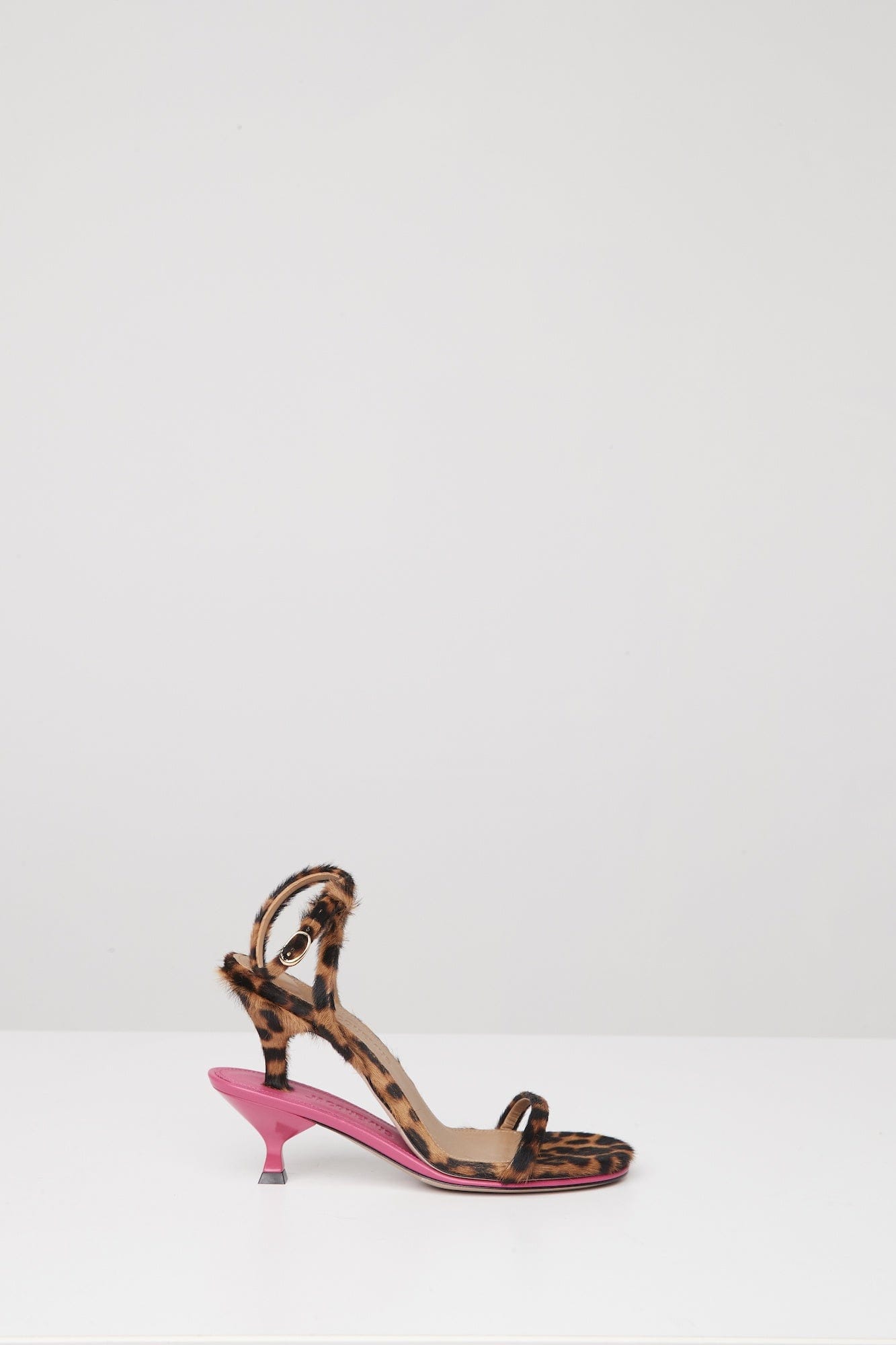
The corporate environment demands a calibrated approach. The goal here is to hint at innovation and confidence without screaming for attention. Scientific management studies, such as those cited in Harvard Business Review literature, indicate that perceived creativity and competence can be subtly influenced by sartorial choices that break monotony in a controlled manner. This is where the concept of the “accent piece” becomes crucial. A full leopard-print suit might overwhelm, but a single, impeccably crafted item speaks volumes. Consider a sleek leopard-print silk blouse under a sharp black blazer, or a pencil skirt in a small-scale, brown-and-black leopard paired with a crisp white shirt. The ultimate power move, however, is a pair of sophisticated cheetah print heels. Opt for a classic pump silhouette in a high-quality material. The heel grounds the wild pattern in professionalism, while the print adds a layer of strategic personal branding. It whispers that you are detail-oriented, confident, and unafraid of calculated risks—a valuable asset in any negotiation. Pair this with minimalist jewelry and a structured bag to keep the focus sharp and intentional.
2. Casual & Weekend Wear: Effortless Cool and Playful Energy
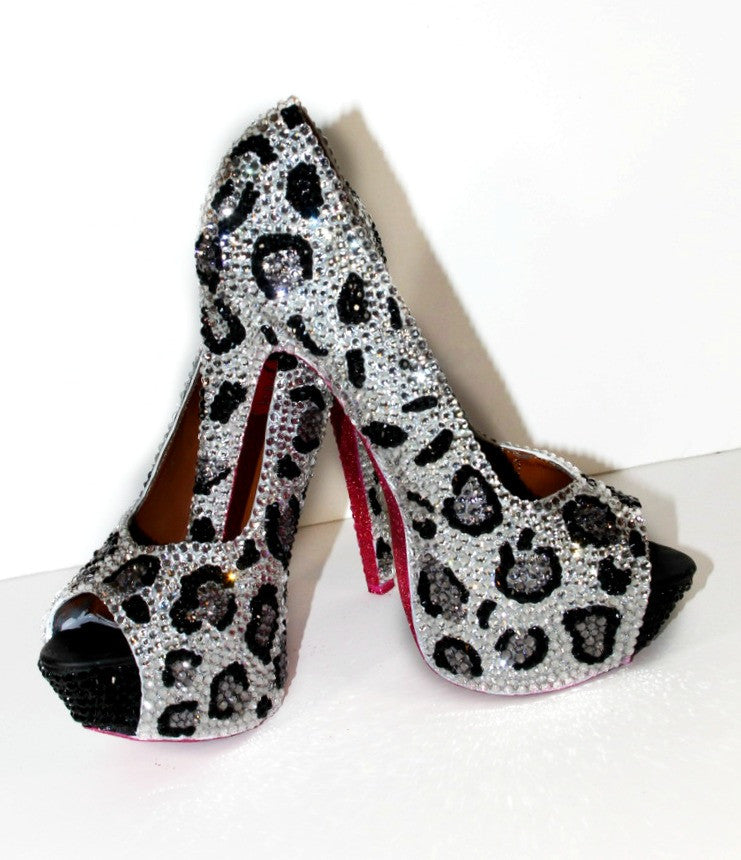
Weekends are for expressing a more relaxed, personal vibe. Here, leopard print becomes a partner in creating looks that are both comfortable and chic. The principle at play is “cognitive ease”—the brain enjoys the familiar pattern in a relaxed context, creating an aesthetic of effortless put-togetherness. Denim is leopard print’s perfect casual counterpart. The rugged, blue tones of a great pair of jeans provide a neutral canvas that allows the print to pop without effort. A loose-fitting leopard print sweater, an oversized scarf, or even a crossbody bag can instantly elevate a simple jeans-and-tee combo. For a playful twist, incorporate cheetah print heels in a more casual form, such as a block-heel sandal or a sleek sneaker hybrid. This juxtaposition of “wild” and “casual” is a staple of French-girl style, celebrated on websites like Who What Wear. As fashion influencer Camille Charrière once stated in an interview, “The secret to Parisian style is in the mix—the vintage Levi’s with the impeccable leopard loafer.” The key is balance: let the leopard piece be the star by keeping everything else simple, solid, and understated.
3. Evening Glamour: Unleashing Unapologetic Drama
When the sun sets, leopard print is licensed to fully embrace its dramatic heritage. This is the occasion to channel its inherent glamour and power. Think of the iconic looks from films like Breakfast at Tiffany’s or The Thomas Crown Affair, where leopard is used as a symbol of sophisticated seduction and mystery. The evening look calls for luxe fabrics and bold silhouettes. A flowing leopard-print midi dress, a sleek jumpsuit, or a statement coat thrown over a little black dress are all show-stopping options. Footwear becomes critical here. A strappy, high-heeled sandal in leopard print, perhaps adorned with metallic details, elongates the leg and completes a head-to-toe powerful statement. As designer Tom Ford famously opined, “Dressing well is a form of good manners.” For an evening event, good manners mean presenting a complete, considered vision. Don’t shy away from pairing leopard with other rich textures like velvet, silk, or metallics. The interplay of textures adds depth and luxury, ensuring your look is photographically memorable and emotionally resonant.
4. The Art of Accessorizing: Strategic Doses of Spotted Flair
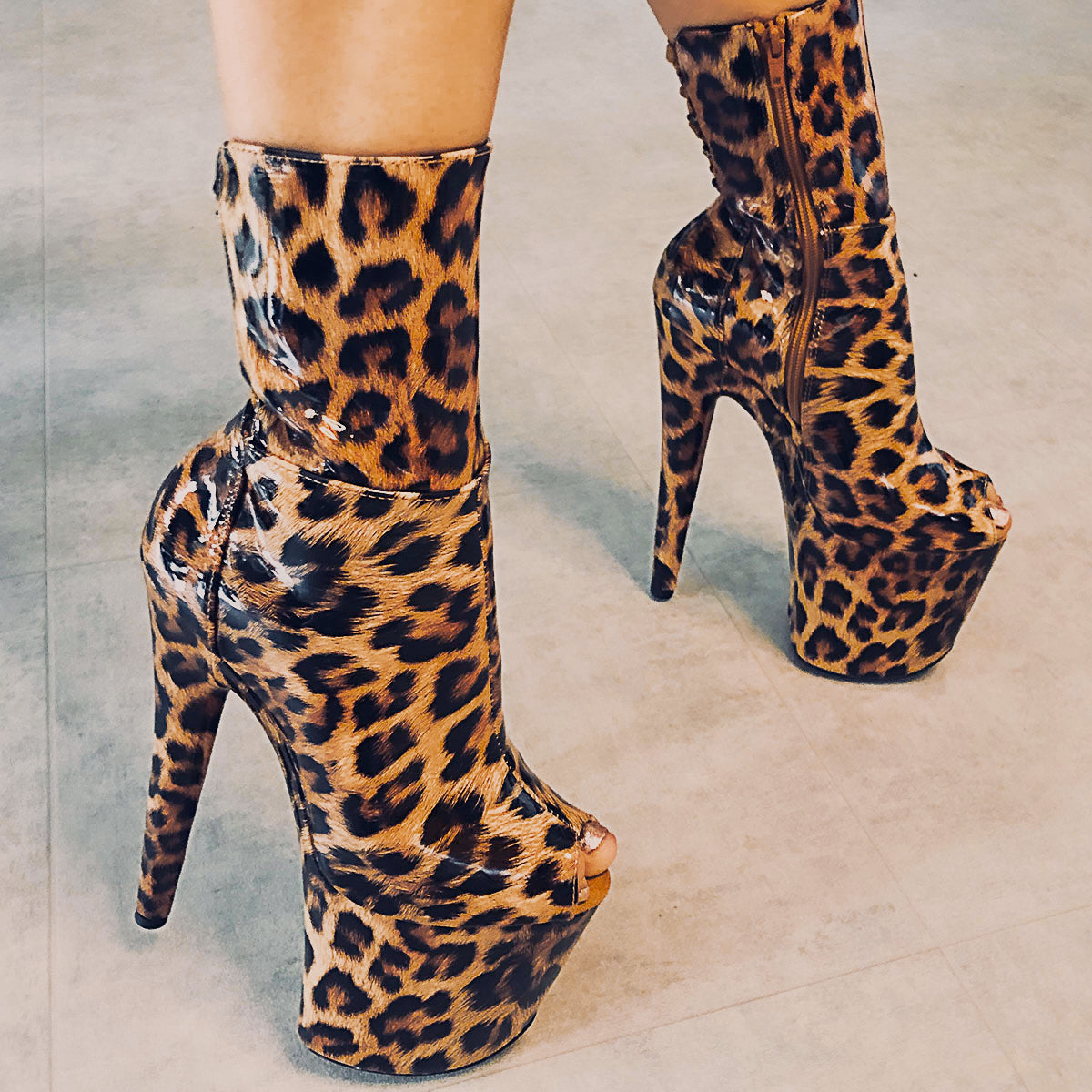
For those who prefer a more subtle introduction, accessories are the gateway drug to leopard print. This approach aligns with the economic principle of “marginal utility”—a small investment yields a disproportionately high style return. A leopard print belt cinching a trench coat, a hair scarf tied on a bag handle, a pair of statement earrings, or a sleek phone case can inject personality into any outfit without commitment. This method is particularly useful for testing the trend’s resonance with your personal style. Footwear, again, offers a perfect middle ground. A loafer, a flat, or an ankle boot in leopard print serves as a foundational accessory that can be worn repeatedly. The beauty of starting with accessories, as countless style guides on Baidu Baike and Wenku suggest, is the low-risk, high-reward nature of the experiment. You learn how the pattern interacts with your existing wardrobe, building confidence for larger pieces. A single, well-chosen accessory acts as a visual punctuation mark, drawing the eye and showcasing your stylistic literacy.
5. Pattern Mixing for the Advanced Stylist: Beyond the Rules
Once comfortable with leopard as a neutral, the adventurous can explore pattern mixing—the apex of sartorial intelligence. This is not about chaos, but about harmonic dissonance. The scientific basis lies in the Gestalt principles of visual perception, where the mind seeks to organize disparate elements into a coherent whole. The rule of thumb is to vary the scale and ensure a unifying color thread. Leopard, with its organic shape, pairs brilliantly with geometric patterns like thin pinstripes, small gingham, or even delicate florals. Imagine a leopard print skirt with a finely striped Breton top, or a leopard bag with a floral dress where one color in the floral matches the background hue of the leopard. Even more daring is pairing different animal prints, like leopard and snake, provided they share a similar color family and one print is significantly larger in scale than the other. In this advanced arena, a pair of cheetah print heels can act as the unifying anchor, tying together the mixed patterns on top. This technique, championed by designers like Missoni and Etro, demonstrates a masterful command of fashion’s language, turning an outfit into a moving work of art.

Investing in Your Spotted Arsenal: Quality, Care, and Smart Acquisition
Embracing leopard print as a staple necessitates a shift from viewing it as a fast-fashion trend to considering it a long-term investment. The difference in perception between a cheap, poorly defined leopard pattern and a high-quality, well-printed one is stark. Quality materials—like silk, wool, or high-grade synthetic blends—hold the dye better and present the pattern with clarity and richness. This is especially critical for footwear; a well-constructed pair of cheetah print heels from a reputable brand will offer superior comfort, durability, and aesthetic detail, making them a versatile workhorse in your closet. Care is paramount: follow garment instructions meticulously, often favoring dry cleaning for woven items and gentle wiping for shoes. From a consumer economics standpoint, the cost-per-wear of a premium leopard item is ultimately lower than repeatedly buying disposable versions. To build your arsenal smartly, leverage end-of-season sales, reputable discount platforms, and consignment stores for designer finds. Brands often discount bold patterns first, allowing the savvy shopper to acquire statement pieces at a fraction of the cost. Remember, a single exceptional leopard piece is worth a dozen mediocre ones.
Leopard print has transcended its cyclical trend status to become a modern wardrobe essential, a tool for non-verbal communication that speaks of confidence, creativity, and a nuanced understanding of style. Its versatility, rooted in its psychological impact and historical gravitas, allows it to adapt to any scenario when applied with the strategic frameworks outlined. Whether you start with a whispered hint via an accessory or make a declarative statement with a stunning dress and matching cheetah print heels, the power lies in your intentionality. This is not about following a trend blindly, but about harnessing a timeless pattern’s energy to articulate your unique identity. In the lexicon of fashion, leopard print is a bold, elegant, and endlessly adaptable phrase. Learn its grammar, practice its pronunciation, and you will find yourself eloquently dressed for every occasion life presents.
