

How to Style These Wild Statement Shoes
Statement shoes, particularly those adorned with audacious patterns like animal prints, are not merely footwear; they are a declaration of intent, a sartorial exclamation point. They arrive in our closets with a promise of transformation, yet often leave us staring, wondering how to integrate their wild energy into our daily lives without tipping into costume territory. This is not about taming the beast but about understanding its language. The key lies in strategic styling—allowing the shoe to be the hero while everything else plays a crucial supporting role. It’s a dance between boldness and balance, where the right moves can turn a potentially overwhelming piece into the cornerstone of an unforgettable outfit. Forget safe and predictable; we’re here to architect looks that are as intentional as they are striking, proving that the wildest pieces often hold the key to our most confident selves.
The Philosophy of the Statement: Why We Wear the Wild
Before diving into the practicalities, it’s essential to grasp the “why.” Statement shoes, from sculptural heels to vibrant prints, operate within the realm of fashion psychology and semiotics. As noted by Professor Jennifer Baumgartner in “You Are What You Wear,” our clothing choices are a non-verbal communication tool, a projection of our internal state to the external world. Choosing a pair of cheetah print heels over classic black pumps is a conscious decision to communicate traits like confidence, daring, and a playful disregard for convention. This aligns with the concept of “enclothed cognition,” a term stemming from research published in the Journal of Experimental Social Psychology, which suggests that the symbolic meaning of our clothes and the physical experience of wearing them can systematically influence our psychological processes. In essence, slipping on those wild shoes can actually alter your mindset, priming you for a more assertive and adventurous presence. Historically, animal prints have cycled through fashion, often symbolizing power, luxury, and a connection to untamed nature. From the leopard-spotted coats of mid-century Hollywood starlets to the iconic imagery of musicians like Debbie Harry, the print has been a shorthand for rock-and-roll glamour and unapologetic femininity. A statement shoe, therefore, is more than an accessory; it’s an armor and an amplifier, chosen not just for aesthetics but for the persona it helps the wearer embody.
Rule #1: The Foundation of Neutrality
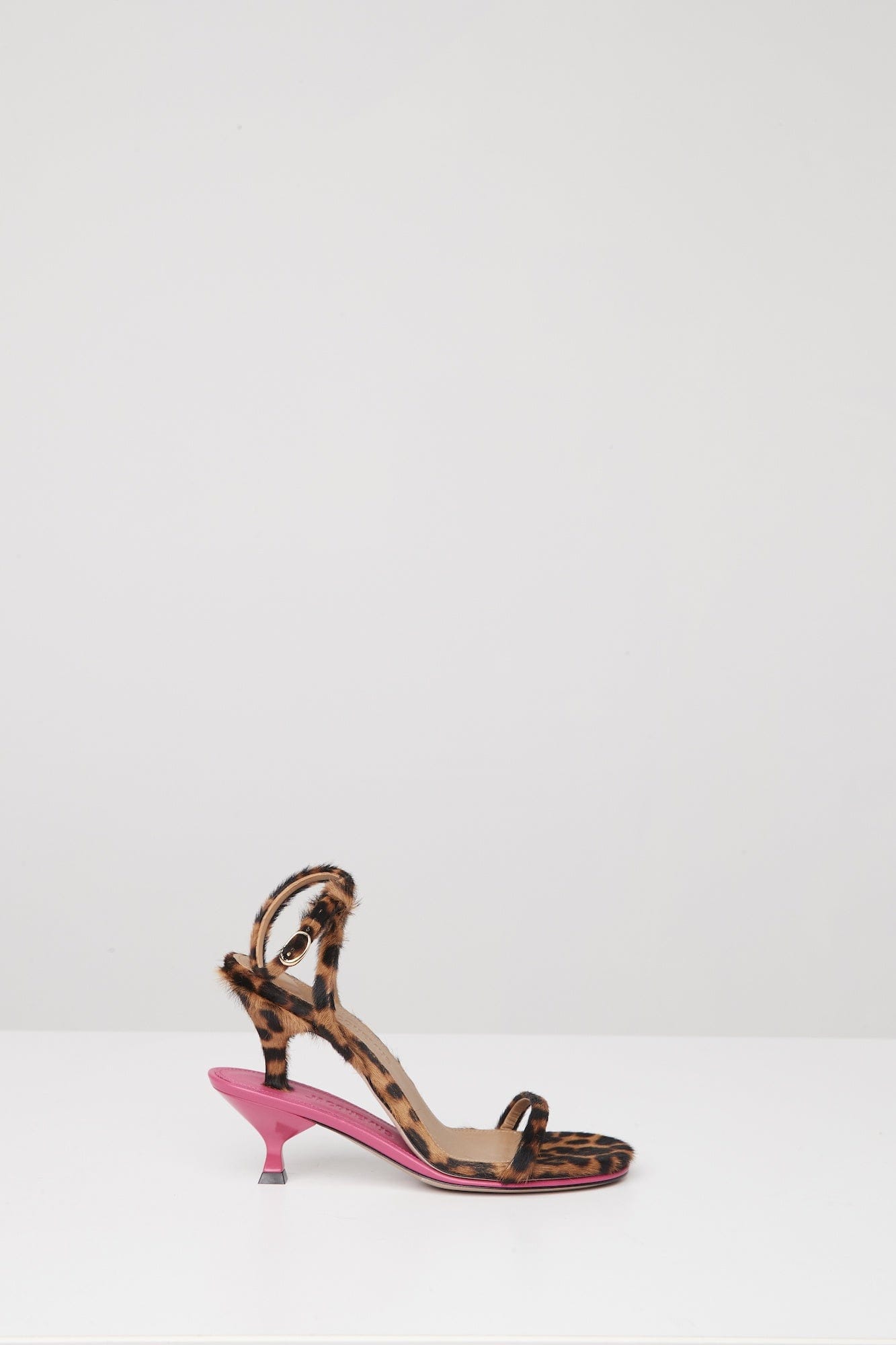
Your first and most powerful tool when styling a wild shoe is a canvas of neutrality. This does not mean boring; it means creating a sophisticated, clean backdrop that allows the shoe to sing without competition. Think of your outfit in terms of a gallery: the walls are white, the lighting is perfect, so the artwork (your shoes) becomes the undeniable focal point. This involves building a wardrobe foundation of pieces in solid, muted colors like black, white, navy, camel, grey, and denim blue. A perfectly tailored black blazer and trousers, a simple white silk slip dress, or a high-quality grey cashmere sweater become the ultimate partners to a dramatic shoe. The science behind this is rooted in visual perception and the Gestalt principles of figure-ground relationship. By minimizing pattern, texture, and color competition in the rest of your outfit, you force the viewer’s eye to settle on the intended point of interest. As stylist and author Allison Bornstein frequently advocates in her “three-word method,” one of those words should be a “wildcard” – that unexpected, personality-driven piece. Your cheetah print heels are that wildcard. When paired with a minimalist ensemble, the contrast is what creates the magic. It’s the difference between visual noise and visual harmony. This approach also offers immense practical value; investing in these neutral, high-quality basics ensures cost-per-wear efficiency, as they form the backbone of countless outfits, while the statement shoes provide the ever-changing flair.
Rule #2: Color Theory in Action
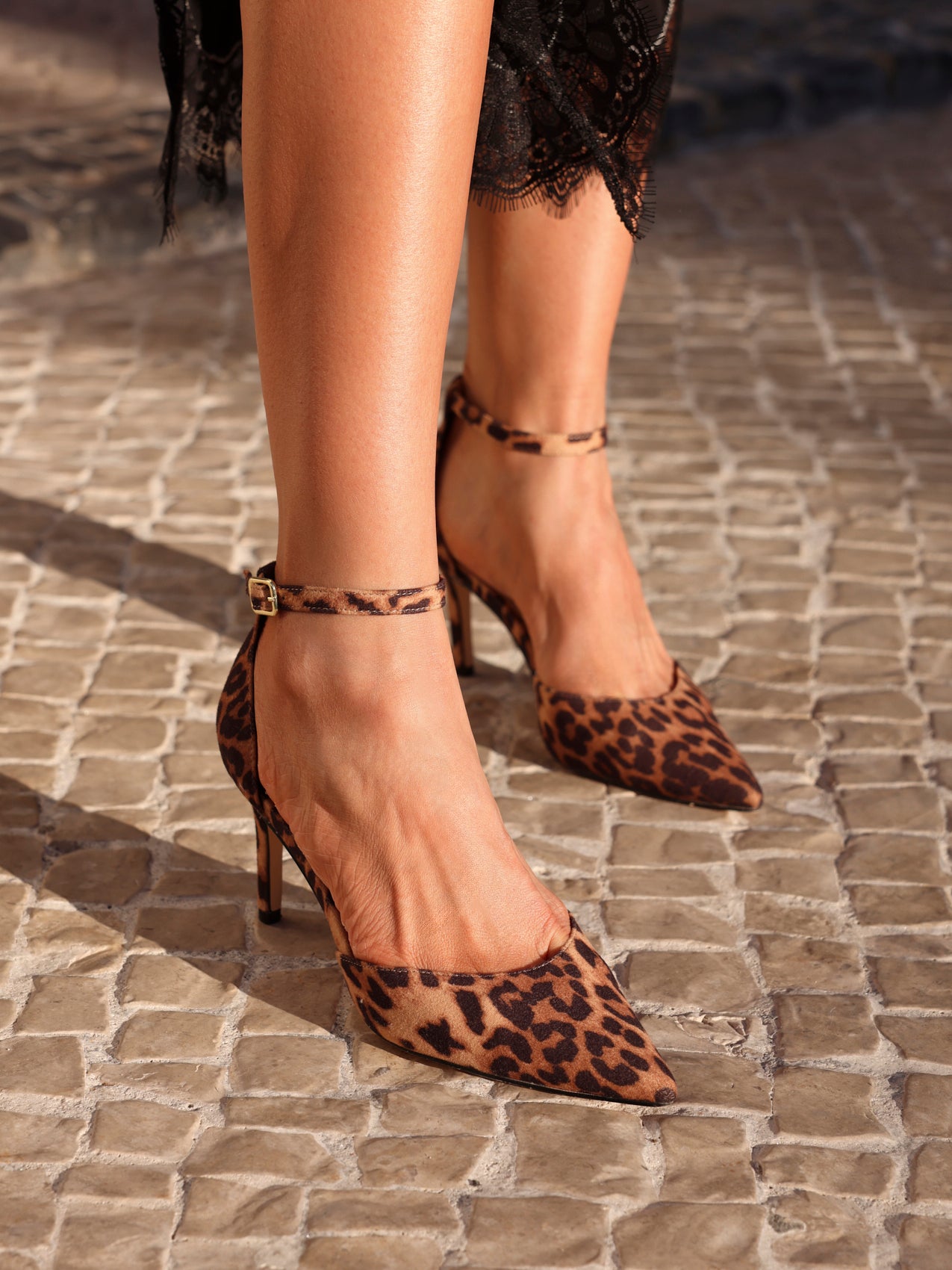
Once neutrality is mastered, the next level involves intentional color pairing. This is where you can begin to introduce color into your outfit while still letting the shoes lead. The most effective method is to pick up a secondary or accent color from the shoe itself. For instance, if your cheetah print heels have hints of rust or caramel within the pattern, a sweater or bag in that exact hue creates a cohesive, designer-level look. It shows a considered eye and moves the outfit from “shoe plus clothes” to a unified composition. Conversely, for shoes in a solid, vibrant color (like electric blue mules), employing a complementary color scheme can be devastatingly effective. Using a color wheel, the complement of blue is orange. A subtle, burnt orange tone in a scarf or a lipstick can make the blue shoes appear even more vibrant. This is not guesswork; it’s classic color theory, as explored in Johannes Itten’s seminal work for the Bauhaus, “The Art of Color.” The psychological impact of color pairing is profound. As documented on authoritative design platforms like Canva’s Design School, complementary colors create maximum contrast and stability, exciting the eye while feeling balanced. This strategic use of color allows you to build more complex outfits without sacrificing the primacy of your statement footwear. It’s a dialogue between elements, where the shoe speaks the loudest line, and the rest of the outfit offers the perfect response.
Rule #3: Silhouette and Proportion Play
The shape of your clothing is the silent conductor directing attention to your feet. The wrong silhouette can fight your shoes; the right one can elevate them to art. For towering or elaborate heels, balancing the volume elsewhere is key. A streamlined, fitted silhouette—think a pencil skirt, tailored trousers, or a bodycon dress—ensures the shoe remains the sole source of drama. This creates a sleek, powerful line from head to toe. As fashion historian Valerie Steele notes in her writings for The Museum at FIT, the interplay between clothing silhouette and footwear has defined decades of style, from the hobble skirts paired with delicate heels of the 1910s to the mini dresses and go-go boots of the 1960s. Conversely, if your statement shoe is a chunky platform or an architectural flat, you can play with more volume on top. A pair of bold, square-toed loafers can be brilliantly grounded with a wide-leg, flowing trouser that just grazes the top of the shoe. This plays with proportion in a modern way, as often seen on runways for brands like The Row or Khaite. The rule of thumb is to avoid competing points of interest. If the shoe is busy in pattern, keep the shape clean. If the shoe is a bold, minimalist shape, you have more freedom to experiment with volume. It’s a sartorial see-saw, and mastery comes from knowing which side to weight.
The Confidence Catalyst: Embracing the Unexpected
The final, non-negotiable ingredient is attitude. Statement shoes demand a certain ownership. They are not for the faint of heart, but wearing them can actually generate the confidence they seem to require. This circles back to enclothed cognition. As style icon Iris Apfel, a woman who built a legacy on bold accessories, once quipped:
“More is more and less is a bore… I think you get more interesting by adding things. I don’t think you get more interesting by taking things away.”
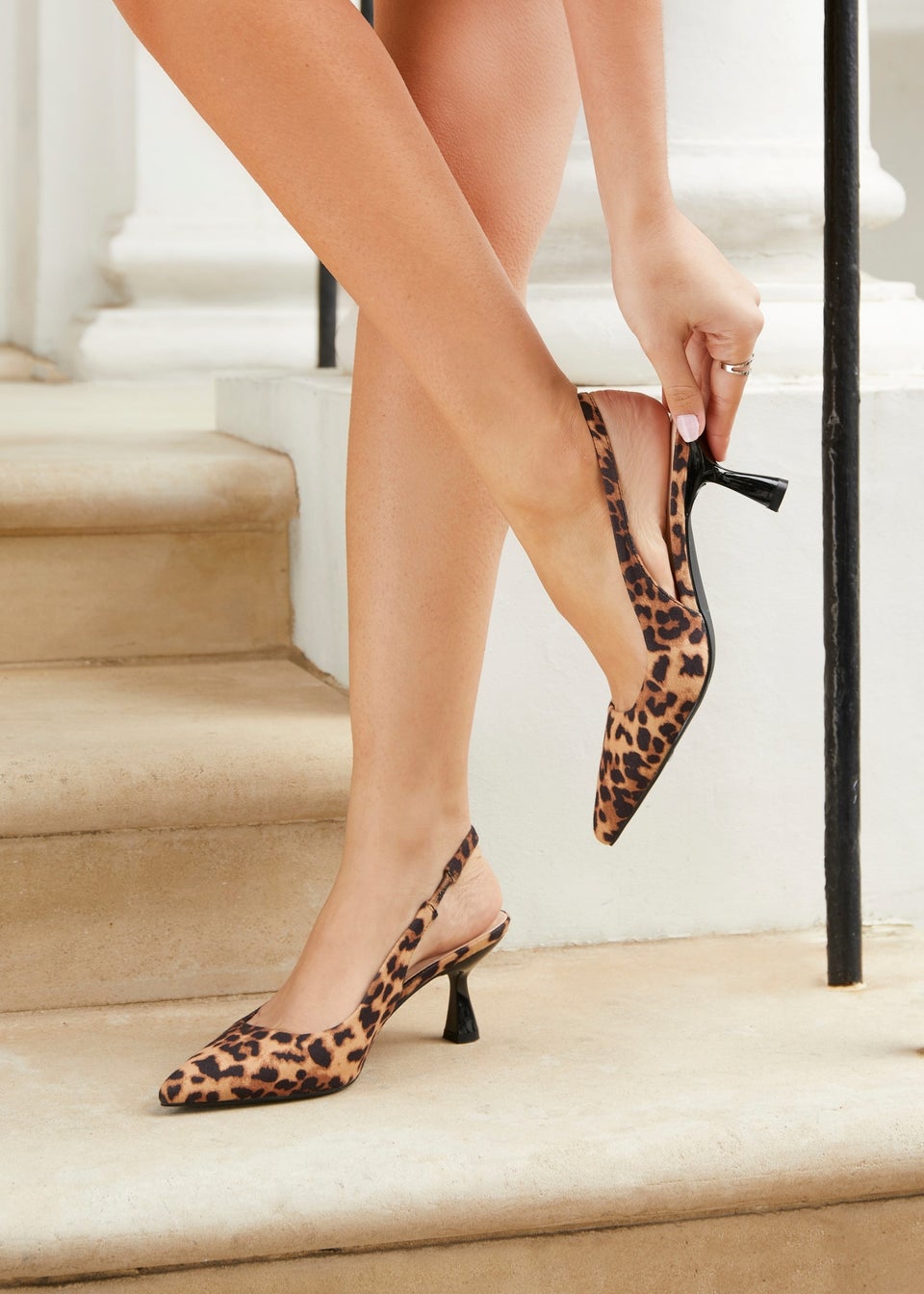
This philosophy empowers the wearer to see the shoe not as a risk, but as an addition of interest and personality. The goal is to look intentional, as if you curated the entire outfit precisely to culminate at those spectacular cheetah print heels. This might mean walking with a slightly straighter posture, or carrying yourself with the knowledge that you’ve made a compelling choice. In the digital age, this sentiment is echoed by countless fashion educators on platforms like YouTube. Stylist and content creator Audrey Coyne, for example, emphasizes “dressing for the life you want,” where bold pieces are tools for self-expression and stepping into a more empowered version of oneself. The shoe ceases to be just an object; it becomes a catalyst for the persona you choose to project that day.
Practical Scenarios: From Desk to Dinner
Let’s translate theory into practice. For a professional setting, imagine a pair of those sophisticated cheetah print heels. Pair them with a crisp, white button-down shirt, dark-wash straight-leg jeans (the tailored kind), and a sleek black blazer. The print adds a dose of insider fashion knowledge to an otherwise classic uniform, speaking to creativity within bounds. For a evening out, let the shoes be the star. A simple, long-sleeved black velvet mini dress or a sleek black jumpsuit provides a luxe, blank slate. Add minimal jewelry—perhaps just statement earrings—and let the shoes carry the narrative. For a more avant-garde approach, try tonal dressing: head-to-toe camel, from a wool coat to a knit dress, punctuated violently and wonderfully by the spotted heels. This monochromatic technique, favored by designers like Giorgio Armani, uses texture variation (wool, cashmere, leather) to create depth, making the sudden appearance of the wild print even more dramatic and deliberate. Each scenario follows the core principles: neutral foundation, considered color or tone, complementary silhouette, and an air of unwavering confidence.
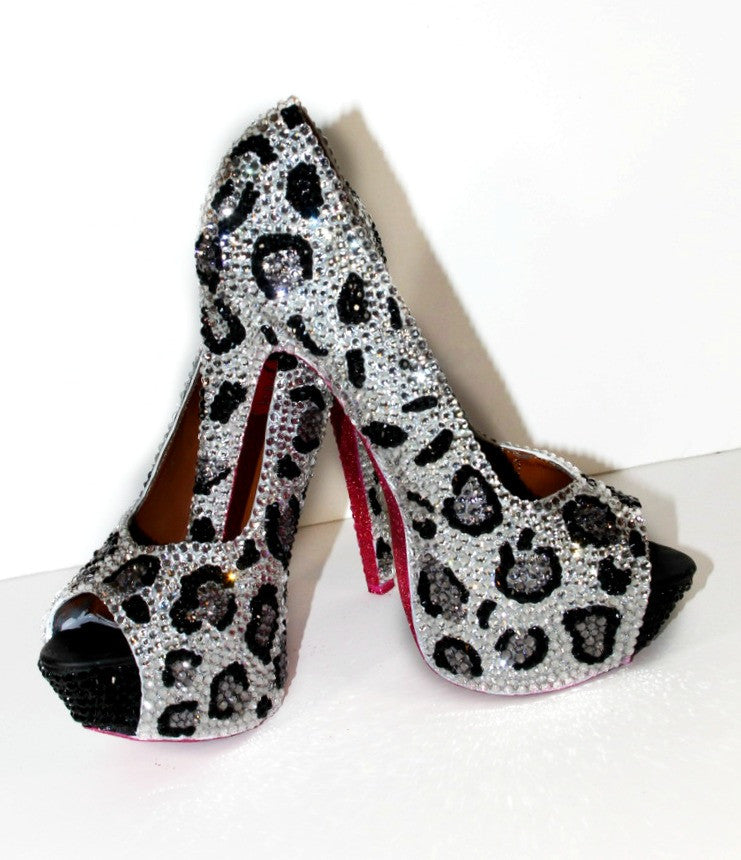
Styling wild statement shoes is an exercise in controlled chaos and intelligent design. It requires a shift from seeing clothing as mere coverage to viewing it as a compositional art form. By mastering the interplay of neutrality, color, silhouette, and attitude, you transform potential fashion faux pas into your signature style moments. The cheetah print heels in your closet are not a problem to be solved; they are an opportunity waiting to be unlocked. They invite you to play, to experiment, and to communicate a part of yourself that might otherwise remain silent. So, open that box, slide them on, and build the world around them. The result is not just an outfit, but a point of view—audacious, considered, and unequivocally yours.
