

Vionic Walking Shoes for All-Day Support
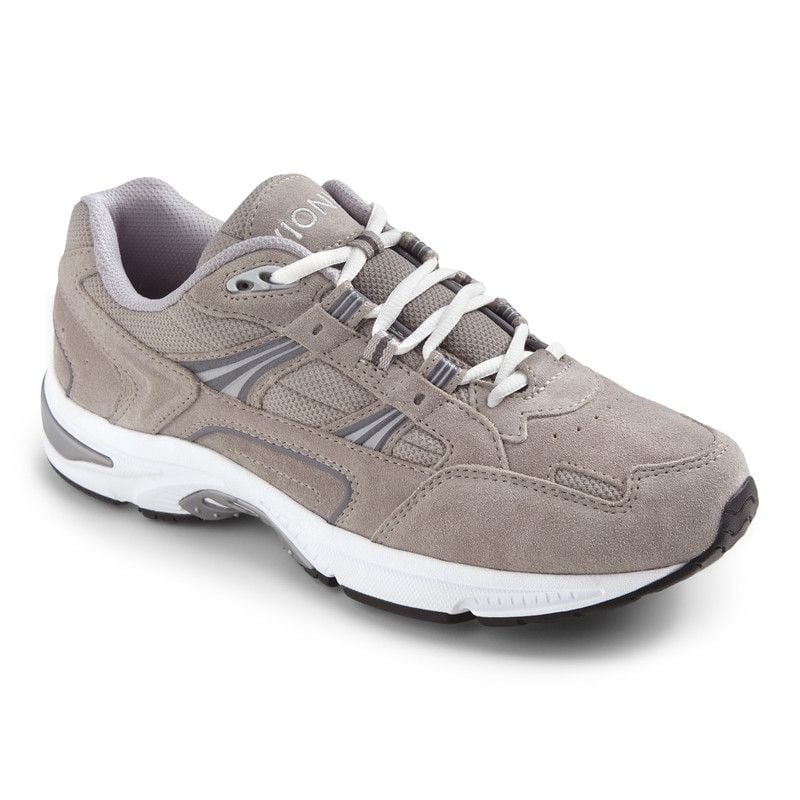
Imagine a shoe that doesn’t just cover your feet but actively supports your entire kinetic chain from the ground up. This isn’t a futuristic concept; it’s the foundational principle behind biomechanically engineered footwear. For anyone whose day involves prolonged standing, walking, or the simple desire to move through life without foot fatigue, the choice of footwear transitions from a matter of style to one of essential well-being. The quest for all-day support leads us past fashion trends and into the realm of podiatric science, where design is dictated by the intricate architecture of the human foot. It is here that a specific category of footwear, exemplified by the vionic walking shoe, establishes its relevance. These shoes are not mere accessories; they are tools engineered to align, cushion, and stabilize, turning the daily act of walking from a potential source of strain into a supported, sustainable activity. The distinction lies in a deliberate design philosophy that integrates orthotic principles into everyday wear, offering a solution where conventional sneakers or flats often fall short.
The Science of Support: Biomechanics and Podiatric Principles
To appreciate the engineered nature of a supportive walking shoe, one must first understand the biomechanical challenges of walking. Gait analysis, a study of human locomotion, reveals that with each step, forces equivalent to 1.5 times your body weight travel through your feet. Improper foot alignment, such as overpronation (excessive inward rolling) or supination (outward rolling), can distribute these forces unevenly, leading to a cascade of issues—from plantar fasciitis and metatarsalgia to knee, hip, and even lower back pain. The American Podiatric Medical Association (APMA) consistently emphasizes that proper footwear is a first-line defense against such disorders. A truly supportive shoe, therefore, must address three core pillars: motion control, arch support, and heel stabilization. This is where the design of the vionic walking shoe is rooted. Its signature component is a built-in, biomechanical footbed. Unlike a simple cushioned insole, this footbed is contoured to mimic the optimal alignment of a healthy foot, featuring a deep heel cup to stabilize the calcaneus, a pronounced arch support to maintain the medial longitudinal arch, and a forefoot pad to relieve pressure on the ball of the foot. This tri-planar control system guides the foot through a more natural gait cycle, reducing strain on ligaments and tendons. The science is clear: as noted in publications from institutions like the University of Pittsburgh Medical Center, sustained orthotic intervention through footwear can significantly reduce pain and improve function in individuals with common musculoskeletal complaints.
Beyond the Insole: Holistic Engineering for Daily Wear
While the orthotic footbed is the cornerstone, its efficacy is magnified by the shoe’s holistic construction. Consider the midsole: often made from lightweight, responsive materials like EVA or polyurethane, it is engineered not just for cushioning but for strategic shock absorption and durability. The external outsole typically features a flexible yet grippy rubber compound, designed with a rocker profile. This rocker, or toe-spring, facilitates a smoother heel-to-toe transition, reducing the work required by the calf muscles and Achilles tendon with each step—a feature often discussed in ergonomic literature for reducing fatigue. The upper of a vionic walking shoe is equally considered, utilizing breathable meshes and soft, structured leathers that accommodate natural foot swelling throughout the day without constriction. This integrated approach ensures that every component works in concert. As celebrity fitness trainer Harley Pasternak has often remarked on platforms like YouTube, “You cannot out-exercise a bad shoe.” He advocates for footwear that provides a stable foundation, noting that alignment starts from the ground up, affecting posture and overall movement efficiency. This sentiment echoes the design intent behind biomechanical footwear, transforming it from a niche product into a mainstream health-conscious choice.

The Personal Impact: From Pain to Performance
The theoretical benefits of biomechanical footwear materialize in profoundly personal ways. For the healthcare worker logging 12-hour shifts on hard hospital floors, the difference between a standard nursing shoe and a purpose-built walking shoe can be the difference between ending a shift with debilitating heel pain and finishing with manageable fatigue. For the avid traveler navigating cobblestone streets and endless airport terminals, support translates to endurance, allowing exploration without foot-related limitations. The narrative is common in online communities like Quora and specialized forums, where users share testimonials of how switching to shoes with proper arch support alleviated chronic plantar fasciitis symptoms that years of stretching alone could not resolve. This isn’t anecdotal coincidence; it’s the predictable outcome of providing the musculoskeletal system with the correct platform. A vionic walking shoe functions as a mobile orthotic device. It doesn’t require the user to be in a clinical “patient” role; instead, it integrates therapeutic design into daily life. The result is often a rediscovery of simple pleasures—a long walk in the park, a day of shopping, or playing with children—without the looming dread of foot pain. This shift from managing pain to enabling activity represents a significant quality-of-life improvement, a point passionately made by many podiatrists on social media platforms like Twitter, where they debunk myths about “toughing out” foot pain and advocate for proactive, supportive footwear choices.
Investment Versus Cost: The Value of Long-Term Foot Health
It is tempting to view specialized footwear through the lens of upfront cost. However, a more accurate perspective considers value and long-term investment in one’s health. A cheap, poorly constructed shoe may save money initially but can contribute to medical expenses down the line—from orthotic inserts and physical therapy to more invasive interventions. In contrast, a well-engineered vionic walking shoe is designed for durability, with high-quality materials and construction meant to withstand daily wear while maintaining its supportive properties. The value proposition is enhanced when considering the potential savings on auxiliary products; the integrated, podiatrist-designed footbed often eliminates the need for costly, custom orthotics for many individuals. Furthermore, brands frequently offer direct-to-consumer discounts, seasonal sales, and bundle offers, making this investment more accessible. For instance, keeping an eye on the official website or authorized retailers can reveal significant price reductions on previous season’s colors or multi-pair deals. The true economy lies not in the price tag but in the cost-per-wear and the invaluable return of pain-free mobility. As the adage goes, paraphrased from countless health professionals, “You pay for your shoes whether you buy good ones or not.” The payment simply comes in a different currency—either at the register or in comfort and health.

Dispelling Myths: Style, Sensation, and Adaptation
A common barrier to adopting biomechanical footwear is the misconception that “supportive” must mean “clinical,” “bulky,” or “unfashionable.” Modern designs, including the vionic walking shoe, actively challenge this notion. Contemporary lines feature sleek silhouettes, a variety of colors from neutrals to bold hues, and designs that seamlessly blend with both athletic wear and casual attire. The evolution has been from a medical device to a lifestyle product. Another myth concerns the initial feel. A shoe with proper arch support may feel unusual to someone whose feet have been chronically unsupported; the muscles and fascia are being asked to function in a new, more aligned position. This adaptation period, often lasting a few days to a week, is frequently mistaken for discomfort. Podiatric advice, widely available on sites like WebMD and the APMA’s own resources, recommends a gradual break-in period to allow the body to adjust. The sensation is not one of pain but of engagement—the arch being actively held rather than collapsing. Once adapted, wearers frequently report a feeling of “walking on a cloud” not because of excessive softness (which can be destabilizing), but because of even weight distribution and reduced joint strain. The ultimate testament is that what begins as a conscious choice for support often becomes the only type of shoe one wishes to wear, as the body comes to recognize and prefer the correct alignment.

The journey to all-day comfort is not about finding the softest shoe, but the smartest one. It is a decision to partner with footwear that understands and responds to the complex biomechanics of the human body. The vionic walking shoe represents this paradigm—a synthesis of podiatric science, material innovation, and thoughtful design. It stands as a testament to the idea that everyday wellness can be woven into the fabric of our daily routines, starting literally from the ground we walk on. By choosing shoes engineered for support, you are not merely accessorizing; you are investing in the foundation of your mobility, enabling a more active, engaged, and comfortable life with every step you take.
