

The Walking Shoe: Your Secret to Effortless Style and All-Day Comfort
Forget the notion that comfort and style exist in separate realms. The modern walking shoe has evolved into a sophisticated hybrid, a piece of footwear engineered not just for movement but for living. It is the unsung hero of a curated wardrobe, the foundation upon which a day of confidence is built. This isn’t about athletic performance in the traditional sense; it’s about the performance of your daily life. From the morning commute to an evening stroll, the right shoe doesn’t just carry you—it elevates you. The quest for the perfect pair is a pursuit of biomechanical harmony and aesthetic satisfaction, a search for that elusive item which, once found, becomes indispensable. Let’s dismantle the old paradigms and explore how this essential item redefines what it means to be both comfortable and chic.
The Anatomy of All-Day Comfort: More Than Just a Soft Sole
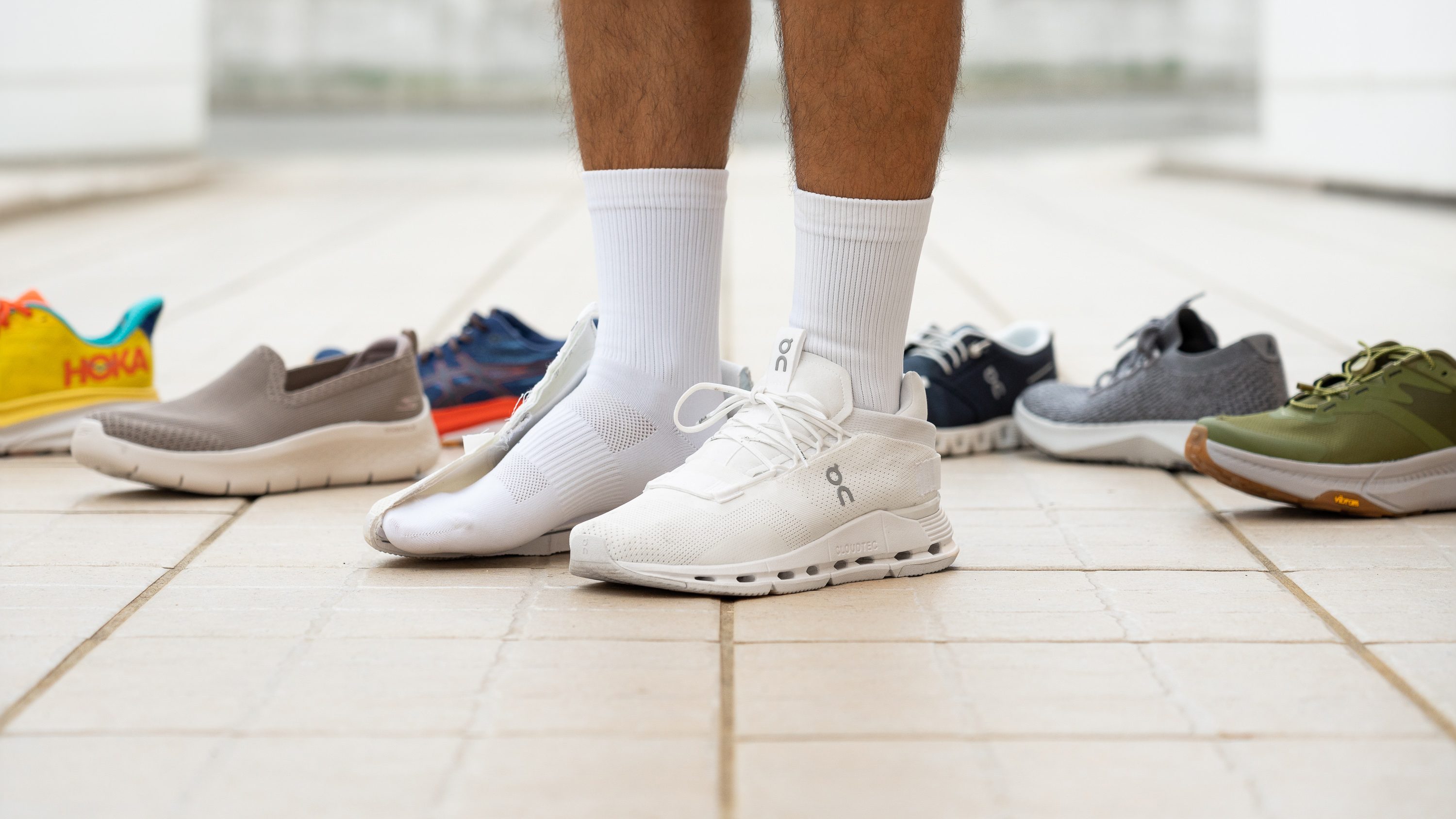
Comfort in a walking shoe is a complex symphony of engineering, not a single note of cushioning. It begins with the midsole, the heart of the shoe. Technologies like ASICS’ GEL cushioning, a silicone-based substance that attenuates shock during impact, or Adidas’ Boost foam, made from thousands of energy-returning TPU pellets, are not marketing gimmicks. They are scientifically developed materials whose properties are studied in biomechanics labs at institutions like the University of Calgary’s Human Performance Laboratory. The goal is shock attenuation and energy return—reducing the force traveling up your skeletal system with each step and giving a subtle push to your next stride. Then comes the insole or sockliner, which often incorporates antimicrobial treatments and arch support contours. The importance of arch support is underscored by the American Podiatric Medical Association, which notes that proper support can prevent a cascade of issues from plantar fasciitis to knee pain. Finally, the upper must be considered. Modern engineered meshes and knit materials, such as those used by brands like Allbirds or Nike’s Flyknit, provide adaptive breathability and a sock-like fit that moves with your foot, reducing points of friction that lead to blisters. A 2018 review in the Journal of Foot and Ankle Research emphasized that footwear fit is the primary modifiable factor in preventing foot disorders. Thus, a true comfort shoe is a holistic system: a shock-absorbing base, a supportive cradle, and a flexible, breathable enclosure working in unison.
Ergonomics in Motion: The Science of the Gait Cycle
To understand why a specialized walking shoe matters, one must understand the gait cycle—the repetitive pattern from heel strike to toe-off. Walking generates forces of 1.2 to 1.5 times your body weight with each step, a fact frequently cited in biomechanics textbooks. A running shoe is designed for a dynamic, airborne motion with a different strike pattern and higher impact forces. In contrast, a dedicated walking shoe prioritizes a smooth heel-to-toe transition. This is where rocker soles, a feature championed by brands like HOKA, come into play. The subtly curved geometry of the sole promotes a natural rolling motion, reducing strain on the Achilles tendon and calf muscles. Dr. Casey Kerrigan, a former Harvard Medical School professor and founder of a footwear science company, has published research showing that traditional high-heeled and stiff-soled shoes increase joint torques in the knee and hip, contributing to osteoarthritis. A well-designed walking shoe does the opposite: it facilitates natural kinematics. Furthermore, the flexibility point—where the shoe bends—must align with the metatarsophalangeal (MTP) joints of your foot. If it’s too far forward or back, it forces the foot muscles to work overtime, leading to fatigue. As the famous shoemaker John Lobb is often paraphrased, “A shoe should be a servant to the foot, not its master.” The modern walking shoe, through applied ergonomics, aims to be precisely that—an obedient facilitator of effortless, biomechanically sound movement.
Style Reimagined: From Gym to Street Without a Second Thought
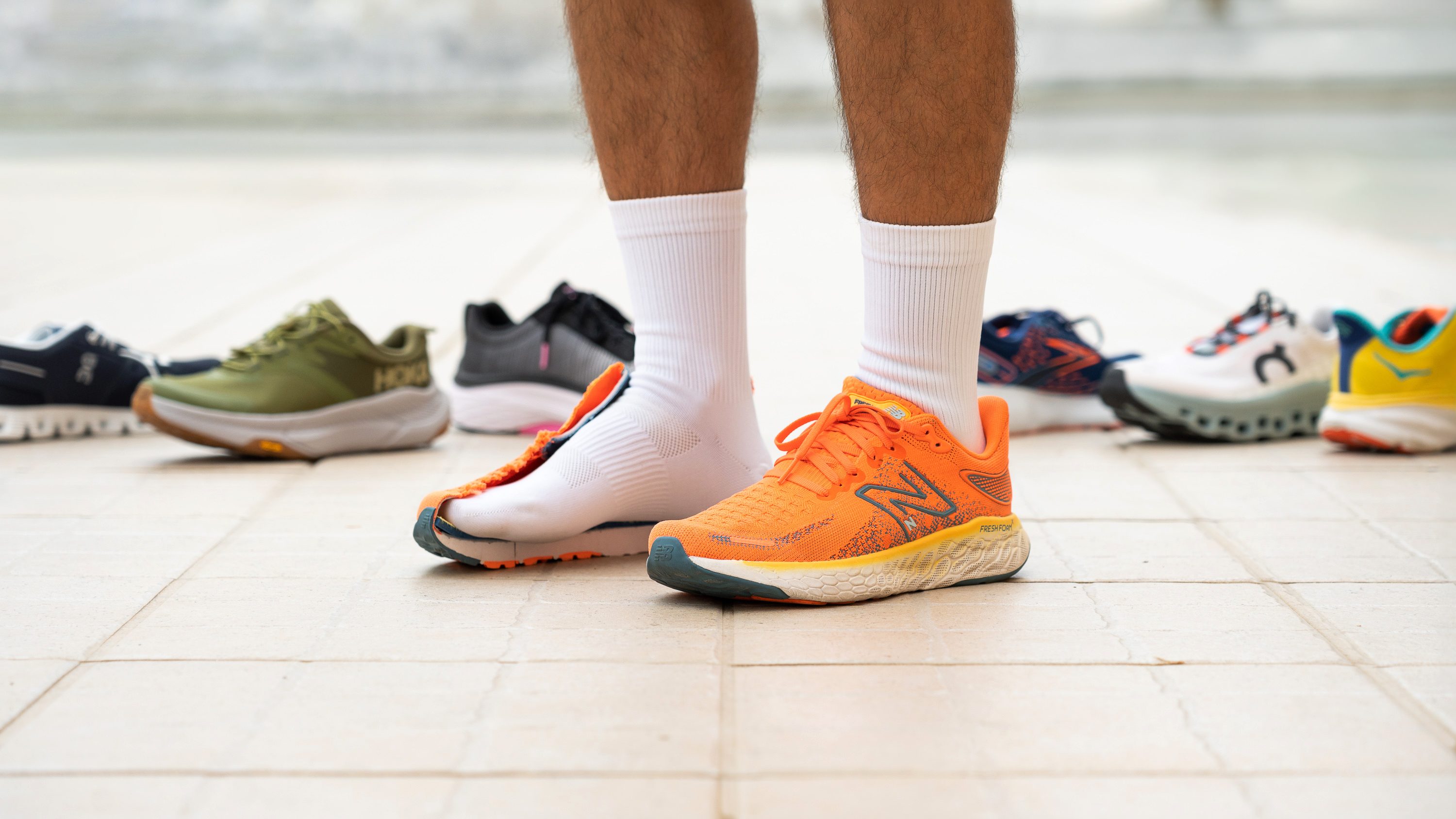
The seismic shift in fashion over the last decade has been the erasure of rigid categories. The “athleisure” trend, a portmanteau of athletic and leisure, is not merely a trend but a permanent reorientation of how we dress, reflecting a culture that values wellness and fluidity. The walking shoe sits at the epicenter of this movement. No longer confined to technical fabrics and bright, contrasting panels, today’s designs draw from minimalist aesthetics, heritage sneaker styles, and even high-fashion collaborations. Think of the clean lines of a Common Projects sneaker, the timeless profile of a New Balance 990 series, or the architectural shapes of some Salomon models adopted by fashion communities. As designer Virgil Abloh once noted in an interview with GQ, “The idea of a uniform—a sneaker, a hoodie—it’s a pragmatic approach to dressing that speaks to a generation.” The walking shoe has become that universal staple. Its style lies in its intentionality and its versatility. A sleek, monochromatic pair in grey, white, or black can anchor a wide range of outfits, from tailored trousers to casual jeans and a blazer. The key is in the details: the quality of materials, the precision of the color blocking, and the absence of overly aggressive, sporty logos. This is footwear that communicates a quiet confidence, an understanding that being prepared for physical comfort does not require a sacrifice in appearance. It is the ultimate tool for a dynamic lifestyle, looking equally appropriate in a casual office setting, a weekend museum visit, or while traveling through an airport.
:max_bytes(150000):strip_icc()/vwt-asics-womens-gel-pulse-16-jinfeng-chen-21-712f0f140e834b84b3a8dcf0bf154771.jpeg)
The Investment Perspective: Cost-Per-Wear and Informed Value
It is tempting to see a premium price tag on a highly engineered walking shoe and balk. However, a more nuanced view reveals its true value through the lens of cost-per-wear and preventative health economics. A cheap, poorly constructed shoe may last a few months before its support breaks down, often leading to discomfort and potentially contributing to musculoskeletal issues. A quality pair, built with durable materials and robust construction techniques like cemented or, better yet, stitch-down or Goodyear welting in some hybrid models, can provide consistent support for 500 miles or more, as often recommended by podiatrists for athletic shoes. Worn daily, that’s over a year of reliable service. When you divide the initial cost by the number of days of comfort, the investment becomes clear. Furthermore, consider the potential costs it helps avoid: expenses for pain relievers, orthotic inserts, physical therapy, or treatment for conditions like plantar fasciitis. As the ancient proverb, often misattributed to various sources but embodying timeless wisdom, states: “The bitterness of poor quality remains long after the sweetness of low price is forgotten.” This is profoundly true for footwear. Brands like Ecco, Mephisto, and certain lines from Clarks and Cole Haan have built reputations on this very principle, merging comfort technology with classic styling for a product meant to endure. Purchasing such a shoe is not an expense; it is an investment in your daily well-being and long-term foot health, a decision that pays dividends with every pain-free step you take.
Curating Your Pair: A Guide to Intentional Selection
Finding your ideal walking shoe requires moving beyond brand loyalty and into the realm of personal fit and purpose. Start by analyzing your footprint. The simple “wet test”—wet your foot and step on a paper bag—can reveal whether you have a high, neutral, or low arch, guiding your need for support or cushioning. Shop in the afternoon or evening, as feet naturally swell throughout the day. Bring the socks you intend to wear with them. There should be a thumb’s width of space between your longest toe and the end of the shoe, and the widest part of your foot should align with the widest part of the shoe without feeling constricted. Don’t be seduced by a “comfortable” upper if the foundational support isn’t right. Test the shoe’s flexibility by holding the heel and trying to bend the toe upward; the bend should occur at the ball of the foot, not the middle. Finally, align the shoe with your dominant activity. Are you primarily on hard urban surfaces? Prioritize cushioning. Walking on trails or uneven paths? Look for added stability and a more protective outsole. The market now offers specialized options for every niche, from ultra-cushioned maximalist shoes like the HOKA Bondi to stable, supportive guides like the Brooks Addiction Walker. Your choice should be a deliberate match for your body’s mechanics and your life’s geography.
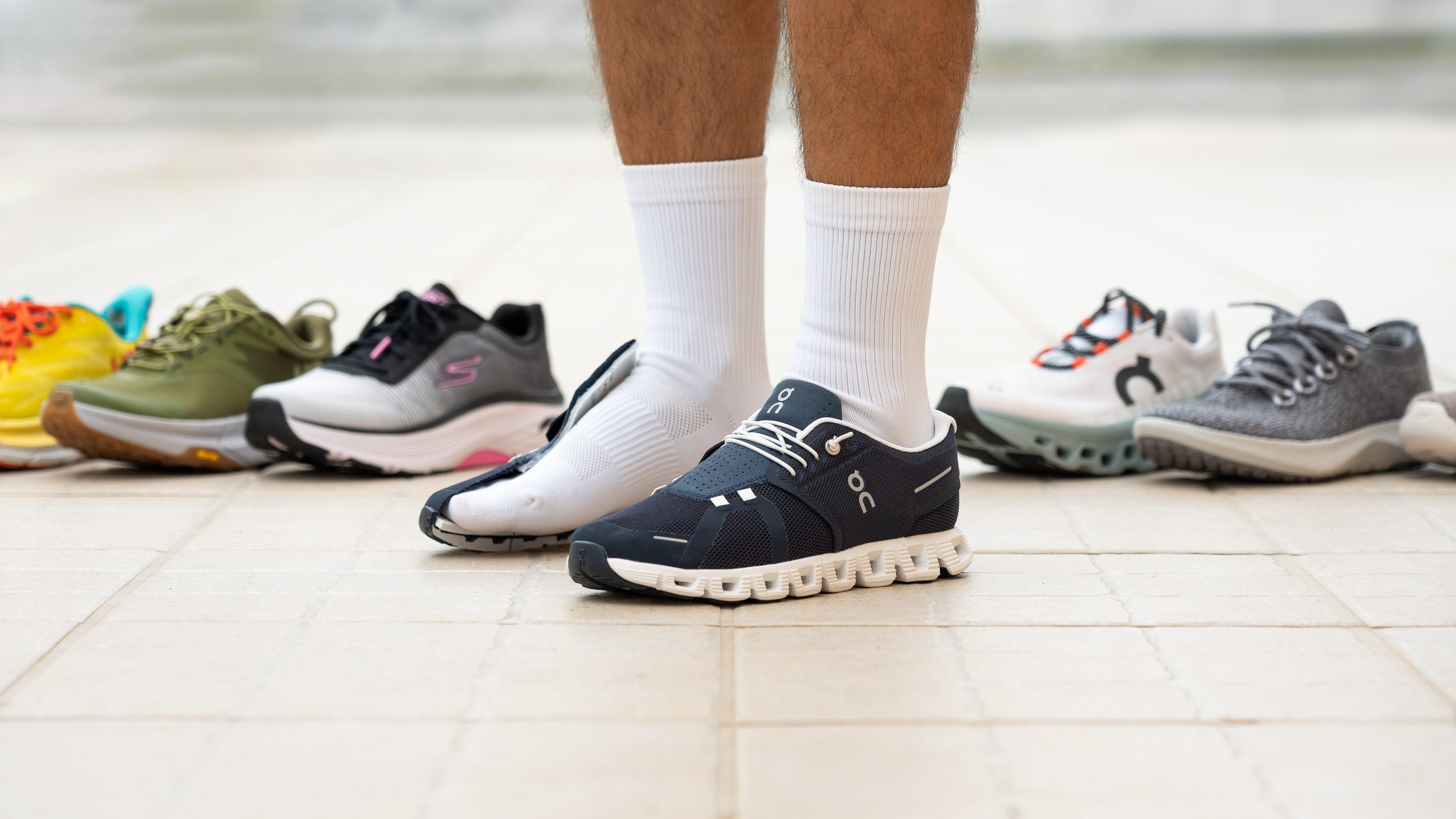
The pursuit of the perfect walking shoe is a journey toward self-knowledge. It is an acknowledgment that how you move through the world matters, and that the foundation of that movement deserves careful consideration. This shoe is no longer a mere accessory; it is a piece of functional art, a tool for wellness, and a statement of pragmatic style. It whispers that you are prepared—for distance, for spontaneity, for comfort that lasts from dawn until dusk. When you find that pair that disappears on your foot while simultaneously elevating your entire presence, you’ve unlocked a secret. You’ve discovered that effortless style isn’t about standing still in beautiful shoes; it’s about moving through life with unwavering comfort and confidence, one perfectly supported step at a time.
