

The Best Tennis Shoes for Everyday Walking Comfort
When we talk about finding the perfect companion for our daily strides, the conversation inevitably turns to footwear that bridges the gap between athletic performance and all-day resilience. The quest isn’t for a specialized running shoe or a casual sneaker, but for a specific hybrid: the ideal tennis shoes for walking. This choice is far from trivial; it’s a decision that impacts our posture, joint health, and overall enjoyment of movement. The right pair can transform a mundane errand into a pleasant journey, while the wrong one can lead to discomfort that echoes from your heels to your hips. This exploration delves beyond marketing claims, grounding our search in biomechanics, material science, and the lived experiences of countless walkers. We will dissect what makes a tennis shoe suitable for walking, evaluate key features from cushioning to durability, and provide you with the knowledge to select a pair that offers not just comfort, but lasting support for the miles ahead.
The Biomechanical Foundation: Why Tennis Shoes Can Be Walkers
The fundamental question is why a shoe designed for the lateral cuts and quick sprints of tennis could possibly suit the repetitive, heel-to-toe motion of walking. The answer lies in their shared foundational engineering. Both activities demand exceptional stability. A study from the University of Calgary’s Human Performance Lab highlights that athletic shoes designed for court sports prioritize medial-lateral (side-to-side) stability to prevent ankle rolls during aggressive directional changes. This inherent stability is a boon for walkers, especially on uneven urban terrain, providing a secure platform that many dedicated running shoes, built for forward motion, can lack. Furthermore, the cushioning in quality tennis shoes is often more evenly distributed throughout the midsole, as opposed to the pronounced heel cushioning in many running shoes. This offers a balanced feel for the more evenly distributed pressure of the walking gait cycle. As noted by biomechanist Dr. Casey Kerrigan, founder of OESH Shoes, “The walking gait involves a double support phase where both feet are on the ground, demanding continuous stability and shock absorption.” A well-constructed tennis shoe meets this demand by offering a combination of responsive cushioning and a supportive upper that cradles the foot throughout its entire roll from heel strike to toe-off. Therefore, when we seek tennis shoes for walking, we are leveraging a design built for multi-directional support and impact dispersion, attributes that translate exceptionally well to the walking stride.

Deconstructing Comfort: The Pillars of a Great Walking Shoe
Comfort is a subjective sensation, but in footwear, it is built upon objective, measurable pillars. The first is Midsole Cushioning and Technology. Materials like Adidas’s Boost, Nike’s React, or ASICS’s GEL are not just marketing terms; they are proprietary foam compounds engineered to return energy and attenuate shock. For walking, we need cushioning that is soft enough to comfort but resilient enough not to bottom out. A 2022 review in the Journal of Foot and Ankle Research emphasized that moderate cushioning reduces peak pressure on the heel and forefoot during walking compared to both minimalistic and overly soft shoes. The second pillar is the Outsole and Traction Pattern. The herringbone or modified tread patterns on tennis shoes are designed for grip on various court surfaces (clay, hard court, grass). This translates to reliable traction on concrete, asphalt, and even light trails, preventing slips. The rubber compound is also typically durable, resisting wear from abrasive pavement. Third is the Upper and Fit. A walking shoe must secure the foot without pressure points. Many modern tennis shoes use engineered mesh for breathability and strategic synthetic overlays for support. The fit should be snug at the heel and midfoot, with ample room in the toe box to allow for natural splay and swelling that occurs during prolonged walking. Ignoring any of these pillars can turn a promising pair of tennis shoes for walking into a source of blisters, hot spots, or fatigue.
Arch Support and Last Design: The Unseen Essentials
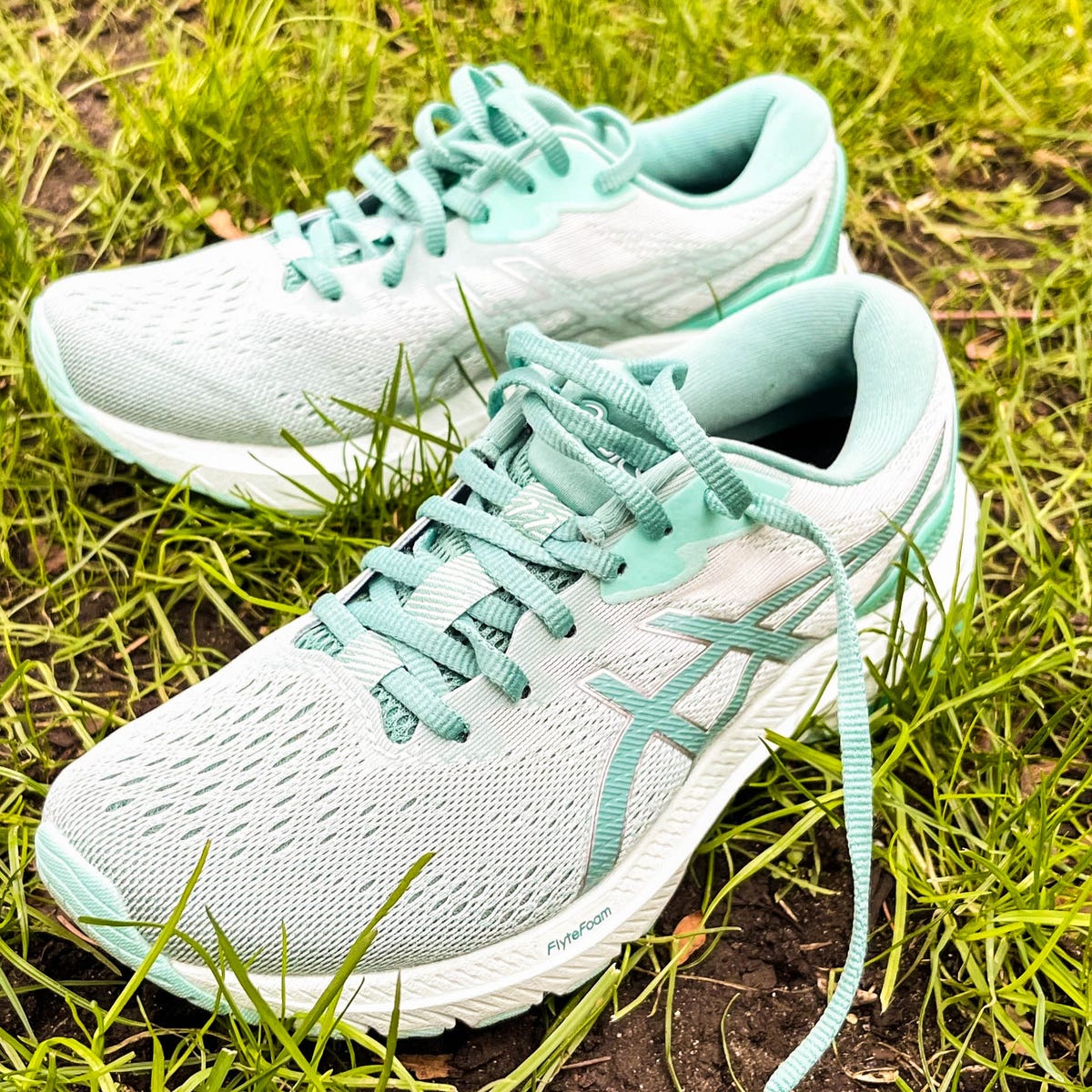
Beneath the visible layers of a shoe lies its architectural blueprint: the last. This is the three-dimensional form around which the shoe is built, and it determines its fundamental fit profile—straight, semi-curved, or curved. For walkers, understanding last design is crucial. A straight-lasted shoe generally provides more room and stability for flat feet or those requiring motion control, while a curved last often suits high-arched feet seeking more flexibility. Arch support is intrinsically linked to this. It’s not about a rigid, high bump in the midsole, but about a contoured footbed that complements the shoe’s last to maintain the foot’s natural alignment. As podiatrist Dr. Jacqueline Sutera explains on platforms like Quora and her professional site, “Improper arch support during walking can lead to a cascade of issues, from plantar fasciitis to knee pain.” Many premium tennis shoes offer removable insoles, allowing you to replace them with custom orthotics if needed. When evaluating tennis shoes for walking, consider your arch type and look for models that explicitly mention supportive midsoles or stability features. Brands like ASICS with their DuoMax support system or New Balance with their various width offerings cater to this need for individualized anatomical alignment, ensuring the shoe works with your foot’s structure, not against it.
Material Matters: Breathability, Durability, and Sustainability
The longevity and feel of a shoe are dictated by its materials. The modern evolution from heavy leather to engineered textiles has revolutionized walking comfort. Breathable mesh uppers, often with thermoplastic polyurethane (TPU) reinforcements, keep feet cool and reduce moisture buildup—a key factor in preventing fungal infections and blisters during long, daily walks. Durability, however, is a balancing act. Abrasion-resistant rubber in high-wear zones (like the toe drag area, common in tennis) is a feature that directly benefits walkers, as it prevents premature wear on the outer sole. Beyond performance, the conversation now rightly includes sustainability. Brands are increasingly incorporating recycled materials. For instance, Adidas uses Parley Ocean Plastic in some lines, while Allbirds employs natural merino wool and sugarcane-based EVA foam. This shift isn’t merely ethical; it often correlates with innovative material properties. As Tim Brown, co-founder of Allbirds, stated in a Fast Company interview, “Sustainable materials can drive better performance—breathability, softness, and a lighter environmental footprint.” When selecting your tennis shoes for walking, consider the material lifecycle. A shoe made with recycled polyester and durable rubber not only comforts your feet but also aligns with a broader responsibility, making your daily walk a step towards a more sustainable practice.
The Professional and Celebrity Endorsement: A Reality Check
It’s easy to be swayed by a celebrity athlete endorsing a flashy new model. However, a discerning look at professional and informed amateur endorsements can be revealing. For example, renowned physical therapist and author Kelly Starrett often discusses footwear choice on his podcast, The Ready State, emphasizing a “stable, flat, and relatively unsquishy” base for general movement, a description many court shoes fit. On YouTube, channels like “Doctor Jo” (Dr. Joanne Borg-Stein) or “The Run Experience” often analyze shoes for their therapeutic and practical walking merits, not just their hype. Even in popular culture, the practicality of tennis shoes is acknowledged. In the book What I Talk About When I Talk About Running, author Haruki Murakami reflects on the importance of reliable shoes for his daily routines, a sentiment that resonates with any dedicated walker. The key is to view endorsements as data points, not directives. A shoe worn by a tennis champion is engineered for explosive performance, but the technology trickles down to consumer models focused on comfort and support. The true endorsement to seek is from podiatrists, biomechanists, and the collective reviews of everyday walkers who have logged hundreds of miles in their chosen pair of tennis shoes for walking.
:max_bytes(150000):strip_icc()/Web_1500-vwt-primary-best-overall-shoe-tstaples-118-671f4e0048e64d14a1c42e4f8d9e6658.jpg)
Making the Investment: Value, Pricing, and Smart Shopping
High-quality walking shoes are an investment in your health, but that doesn’t mean you must pay a premium. The market offers excellent value across price points. Technology from flagship models often trickles down to mid-range versions within a year or two. For instance, the cushioning foam in a top-tier $160 shoe might be used in a $110 model the following season. Key shopping strategies include looking for previous generations of proven models, which are frequently discounted online. Brands like ASICS, New Balance, and Brooks consistently update their lines, making the “old” model—often only cosmetically different—a bargain. Furthermore, consider factory outlet stores or authorized online retailers during seasonal sales. The goal is to procure a shoe with the essential features—good cushioning, a supportive last, durable outsole, and breathable upper—at the best possible price. Remember, the most expensive shoe is not always the best for your specific foot. Sometimes, a simpler, well-constructed model from a reputable brand provides all the necessary support for daily ambulation without superfluous (and costly) racing technology. Prioritize fit and function over fashion or hype to find true value in your search for the perfect tennis shoes for walking.
Your Personal Fitting: The Non-Negotiable Step
All the research, reviews, and recommendations culminate in one irreplaceable act: trying the shoes on. Your personal fitting is the final and most critical audit. Visit a specialty store in the afternoon or evening, as feet naturally swell throughout the day. Wear the socks you typically walk in. When you try on the shoe, ensure there’s about a thumbnail’s width of space between your longest toe and the end of the shoe. The heel should be locked in place with minimal slippage. Walk around the store—on carpet, on hard floor if possible. Pay attention to any pinching, rubbing, or pressure points. Don’t be seduced by the “comfort” of an overly soft, slipper-like feel; that cushion will often break down quickly. Instead, seek a feeling of secure, balanced support. A good salesperson will ask about your walking habits and may even watch your gait. This hands-on process is where you confirm whether the biomechanical principles and material qualities discussed actually work for your unique feet. It transforms a theoretical “good shoe” into your good shoe, the reliable partner for your daily journeys.
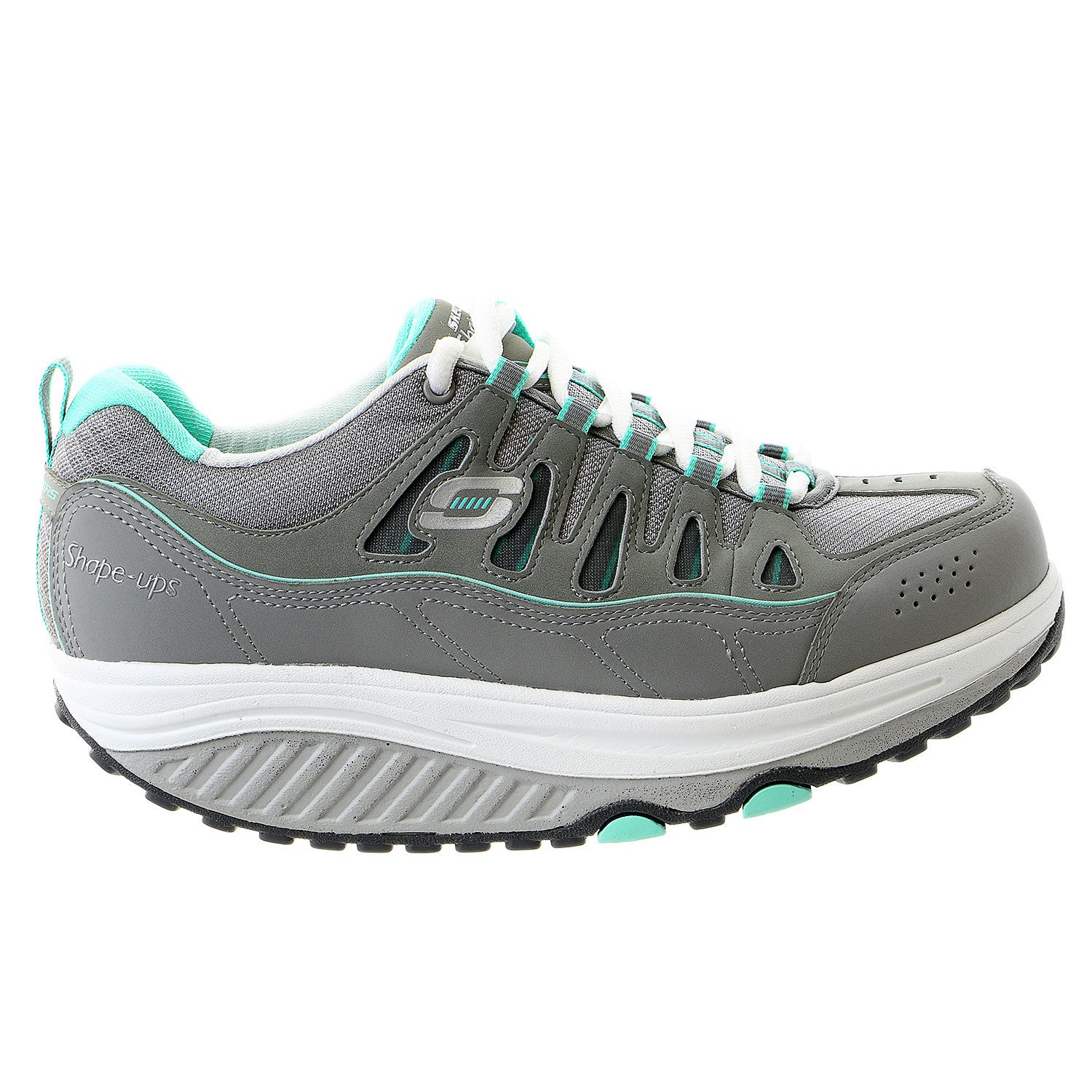
The journey to find the best walking companion ends not with a universal declaration of a single “best” shoe, but with a empowered understanding of what makes a shoe work. The ideal tennis shoes for walking successfully marry the stability demands of court sports with the endurance needs of daily pedestrian life. It is a shoe built on a supportive last, cushioned with resilient technology, wrapped in breathable materials, and fitted with precision to your individual anatomy. By prioritizing these scientific and practical considerations over transient trends, you invest in more than footwear; you invest in the foundation of your mobility. Let your choice be informed by biomechanics, guided by honest reviews, and finalized by your own tactile experience. The right pair awaits, ready to cushion every step of your path forward.
