

Step Into Style: The Ultimate Guide to Toe Walker Shoes for Effortless Chic
Fashion is a dialogue between form and function, a dance where aesthetics meet anatomy. For a distinct community, this dialogue centers on a specific footwear need that has long been relegated to the purely medical sphere: the requirement for shoes that accommodate a toe-walking gait. Historically, the search for such footwear meant sacrificing style at the altar of necessity, leaving individuals with limited, often clinical-looking options. This guide dismantles that outdated paradigm. We are entering an era where the toe walker shoes are not just adaptive devices but powerful instruments of personal style. This isn’t about masking a gait; it’s about embracing a unique physicality and adorning it with confidence, sophistication, and effortless chic. The right shoe can transform posture, elevate an outfit, and fundamentally alter one’s presence in the world. Let’s explore how.
Decoding the Anatomy: What Defines a Toe Walker Shoe?
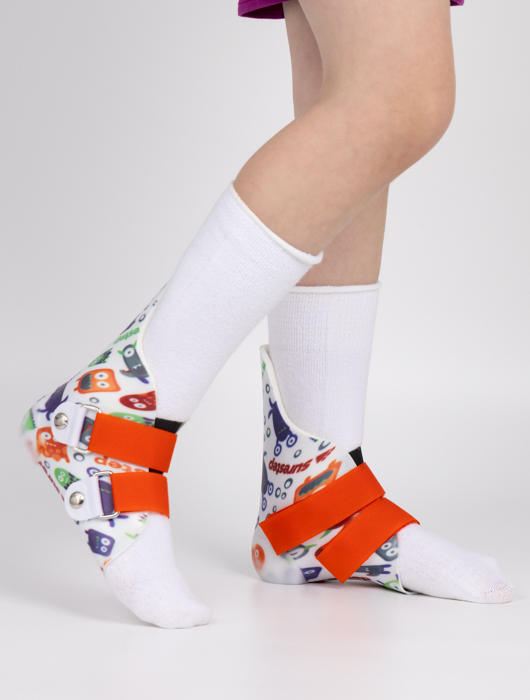
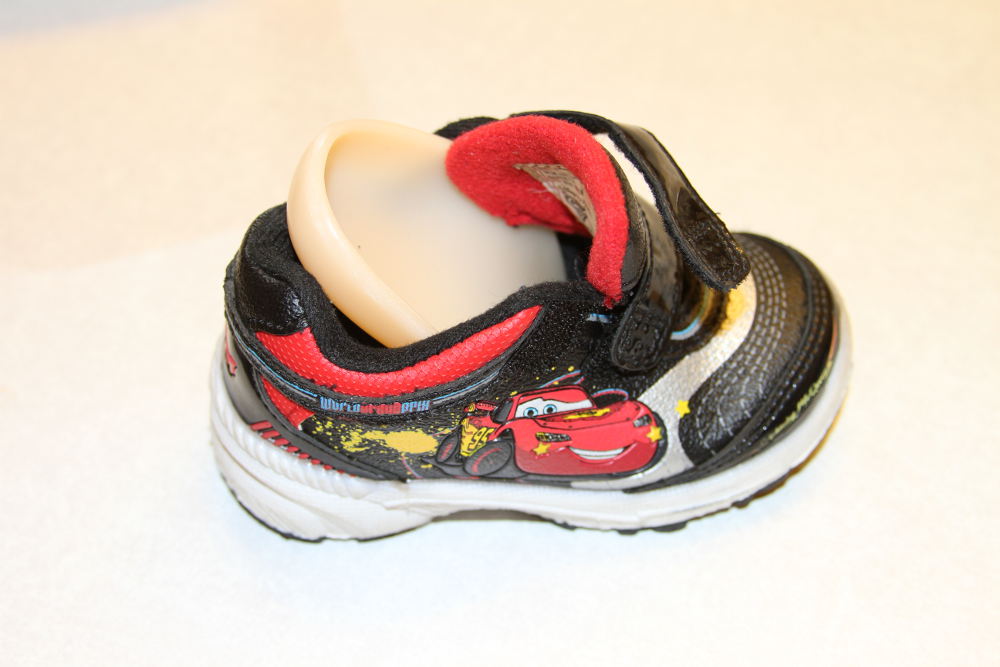
To appreciate the style revolution, one must first understand the scientific foundation. Toe walking, or idiopathic toe walking (ITW) when no underlying medical condition is identified, is a gait pattern where the heel makes minimal or no contact with the ground during the stance phase of walking. According to research from institutions like the Gait Analysis Laboratory at Connecticut Children’s Medical Center, persistent toe walking can lead to shortened Achilles tendons, altered biomechanics, and potential joint stress. Therefore, a true toe walker shoe is engineered with specific structural elements. The most critical is a rigid or semi-rigid heel counter. This is the reinforced back part of the shoe that cups the heel, providing stability and preventing the heel from slipping upward, which encourages a heel-to-toe strike. Secondly, a rocker sole is often incorporated. This curved sole design, validated by podiatric literature from sources like the Journal of the American Podiatric Medical Association, facilitates a rolling motion through the step, reducing the effort required for heel strike and promoting a more natural gait transition. Finally, secure closure systems—like lace-up, buckle, or multiple strap designs—are non-negotiable. They ensure the foot is held firmly within the shoe’s corrective architecture, preventing the compensatory gripping action that toe walkers often use in loose footwear. Understanding these features is the first step to discerning which stylish options genuinely offer support.
The Style Alchemist: Transforming Support into Statement
The misconception that supportive shoes must be bulky or bland is a relic of the past. Today, designers and specialized brands are acting as style alchemists, expertly blending medical-grade support with high-fashion sensibilities. Consider the architectural elegance of a sleek, leather ankle boot with hidden internal rigidity. Or the modern appeal of a minimalist white sneaker, its clean lines belying a sophisticated rocker sole and a heel counter firm enough to provide guidance. The key is to look for brands that prioritize both domains. Fashion icons have long whispered this truth. As the legendary designer Coco Chanel once articulated, “Luxury must be comfortable, otherwise it is not luxury.” This philosophy is the north star for modern toe walker shoes. Luxury here is redefined as the seamless union of profound comfort (born from correct support) and undeniable aesthetics. It’s about finding a loafer with a supple leather upper but a purposefully designed last that cradles the foot, or a stylish sandal with an adjustable, supportive arch bridge and a secure ankle strap. The market now offers everything from professional brogues suitable for a corporate setting to fashion-forward platform sneakers that provide the necessary stability and pitch. The transformation lies in recognizing that every style category—from athletic to formal—has been reimagined through this supportive lens.
Strategic Integration: Orthotics and Insoles as Secret Weapons
Sometimes, the pinnacle of style is achieved not by the shoe alone, but by a powerful alliance within. For many toe walkers, custom orthotics or over-the-counter supportive insoles are essential tools for managing gait and comfort. The stylish integration of these devices is a masterclass in practical chic. The first rule is volume. The chosen shoe must have sufficient depth and removable footbed to accommodate the orthotic without cramping the foot. This often leads one away from ultra-flat designs and towards brands known for their generous fit. The second rule is stability. The shoe itself must have a firm foundation to prevent the orthotic from twisting or the ankle from rolling; a flimsy sole negates the benefits of a premium orthotic. Websites like ‘The Orthotic Shop’ and discussions on platforms like Quora are replete with testimonials highlighting how the right shoe-orthotic combo can be life-changing. A stylish leather boot or a robust sneaker becomes a vessel for personalized biomechanical correction. This strategic integration means you are no longer limited to “orthopedic” styles; you can deconstruct any fashionable shoe to see if it meets the criteria of depth, a secure closure, and a stable base, thereby unlocking a vast sartorial landscape.
A Curated Journey: Footwear for Every Facet of Your Life
Effortless chic is contextual; it is the art of being perfectly appointed for the moment. Let’s curate a wardrobe of toe walker shoes that moves fluidly with your life. For the Professional Sphere, seek out Oxfords, derbies, or loafers from brands like Cole Haan or certain lines of Ecco that often incorporate rocker technology and excellent heel counters into classically styled shoes. A well-crafted leather shoe with a hidden gore elastic side can offer both the polished look required and the easy entry needed. In the Domain of Casual Cool, the options explode. Brands like Vionic, Naot, and certain models from Birkenstock have built their reputation on arch support and foot-friendly designs that are now undeniably trendy. Think fashion-forward sandals with adjustable buckles, contemporary clogs, or sneakers from brands like Hoka or Altra that prioritize foot-shaped toes and stable platforms. The Athletic and Active category is where technology shines. Look for running or walking shoes with features like “guide rails” or pronounced heel counters from Asics, New Balance, or Brooks. The goal is dynamic support that moves with you during exercise. Remember, as fitness expert Jillian Michaels often emphasizes on her platforms, “Your body is your instrument. You have to take care of your instrument.” Supportive, gait-appropriate athletic shoes are a non-negotiable part of that care, allowing you to perform and recover optimally.
Investment and Intelligence: Navigating Cost for Quality
Quality footwear that addresses specific biomechanical needs is an investment in your long-term well-being and style capital. It is prudent to approach this not as an expense, but as a calculated investment. The materials—full-grain leather, durable suedes, high-quality rubber compounds, and advanced supportive foams—cost more but provide longevity, better breathability, and consistent support. However, savvy shopping is key. Direct-to-consumer brands often offer superior value by cutting out middlemen. Signing up for newsletters from specialty foot health retailers can give you early access to sales. End-of-season clearances are excellent opportunities to stock up on classic styles. Furthermore, consider the cost-per-wear model. A $200 pair of boots worn 100 times a year for three years costs about 66 cents per wear, while a cheap, unsupportive $50 pair that causes discomfort and lasts only one season is a poorer financial and physical investment. Websites like “6pm.com” or the sale sections of authorized retailers are treasure troves for discounted prices on high-quality brands. The intelligence lies in knowing which features are non-negotiable for you (e.g., a rigid heel counter, a removable insole) and hunting for those specific traits within discounted offerings.
The Final Step: Walking with Confidence and Poise
The journey culminates not just in a well-appointed shoe rack, but in a transformed experience of movement. The right toe walker shoes do more than support; they empower. They provide a stable, balanced foundation from which your posture naturally improves. When your feet are securely and comfortably positioned, your spine can align, your shoulders can relax, and your stride can lengthen. This physical shift creates a psychological one. There is a profound confidence that comes from knowing you look impeccably stylish while being perfectly supported—no compromises, no secret discomfort. It’s the confidence captured in the cinematic stride of a character like James Bond, whose elegance is inseparable from his poised, assured movement. It’s the quiet power of a professional delivering a presentation, grounded and steady. This is the ultimate promise of modern toe walker footwear: a synergy of science and style that allows your unique gait to become part of a graceful, powerful, and utterly chic personal signature. The path to effortless chic begins with understanding your foundation and having the courage to demand that it be both beautiful and biomechanically brilliant.

