

Step Into Comfort and Style with Vionic Walking Shoes
For years, the pursuit of the perfect walking shoe felt like a compromise. You could have cushioning that felt like walking on clouds, but the shoe looked like a medical device. You could find a sleek, stylish design, but your feet would be screaming in protest after a few city blocks. This false choice between wellness and aesthetics has dominated the footwear market, leaving many to accept discomfort as the price of looking good, or sacrificing style for the sake of their soles. But what if this dichotomy is a relic of the past? The evolution of biomechanics and orthotic science has ushered in a new category of footwear that refuses to choose. At the forefront of this movement is the vionic walking shoe, a product line built on the principle that foundational foot health is the ultimate source of both enduring comfort and authentic style. This isn’t about adding a generic insole to a fashionable sneaker; it’s about engineering the shoe from the ground up with a deep, scientific understanding of the human gait. When your feet are properly supported, aligned, and cared for, every step becomes easier, your posture improves, and the energy you once spent managing discomfort is freed. The right shoe doesn’t just carry you; it empowers you. Let’s explore how the integration of podiatrist-inspired technology with contemporary design creates an experience that transforms walking from a mundane task into a daily pleasure.
The Foundation: Biomechanics and the Science of Walking
To appreciate what sets a specialized walking shoe apart, we must first understand the complex mechanical event that is a single step. Walking is a controlled fall, a rhythmic transfer of weight from one foot to the other involving intricate coordination between bones, muscles, ligaments, and tendons. The gait cycle, as defined in kinesiology literature from institutions like the University of Virginia’s Motion Analysis Laboratory, consists of the stance phase (when the foot is on the ground) and the swing phase (when it is in the air). The moment of heel strike, the rolling motion through the midfoot, and the final push-off from the forefoot create significant forces—often 1.2 to 1.5 times your body weight—that travel up through your body. When your foot lacks proper support, particularly in the arch, these forces are distributed poorly. This can lead to overpronation (excessive inward rolling) or supination (outward rolling), disrupting the kinetic chain. As noted by Dr. Andrew Shapiro, a spokesperson for the American Podiatric Medical Association, “Misalignment at the foot can lead to problems in the ankles, knees, hips, and even the lower back.” It’s a domino effect of discomfort that starts from the ground up. A generic, flat-soled shoe does nothing to mitigate this; it merely provides a barrier between your foot and the pavement. The innovation in a vionic walking shoe lies in its built-in orthotic footbed, which is designed with a deep heel cup, a firm arch support, and a forefoot bar. This trio works in concert to stabilize the foot, promote natural alignment, and guide it through a healthier gait cycle. This isn’t mere marketing; it’s applied biomechanics. The goal is to create an environment where the foot can function as nature intended, reducing strain on the body’s infrastructure with every step you take.
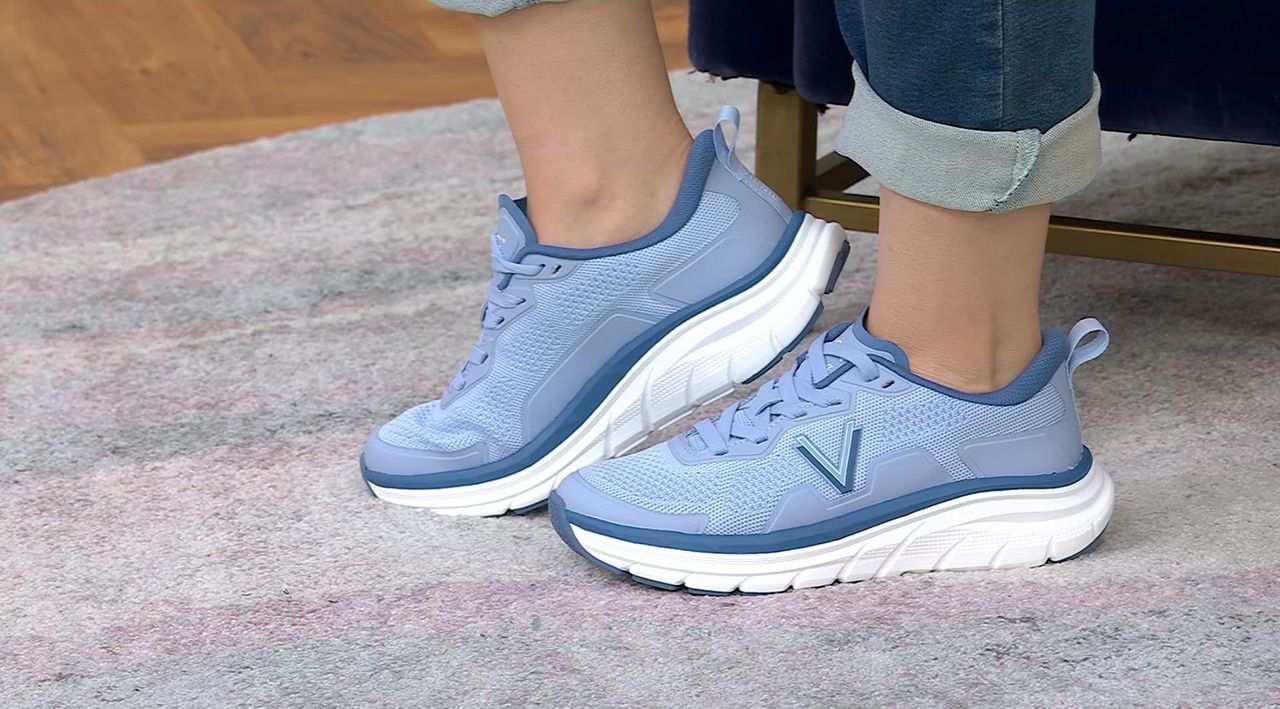
Debunking the Comfort Myth: Soft vs. Supportive
A common misconception, often perpetuated by flashy advertisements, is that comfort equates to softness. We are drawn to shoes that feel pillowy the moment we slip them on, believing that maximum cushioning equals maximum comfort. However, this initial “sink-in” feeling can be deceptive and, in the long term, counterproductive. Think of it like a mattress: a mattress that is too soft fails to support your spine, leading to morning aches. Similarly, a shoe that is overly soft provides no structural integrity. Your foot muscles and ligaments must work overtime to stabilize themselves on an unstable base, leading to fatigue and pain. This concept is echoed in resources from the Mayo Clinic’s orthopedics department, which advises that good walking shoes should provide “support and stability” over mere softness. The vionic walking shoe approach redefines comfort as dynamic support. Its signature orthotic is firm where it needs to be—under the arch—to prevent collapse, and contoured to cradle the heel and metatarsals. This “supportive comfort” allows your foot’s natural shock-absorbing structures to work efficiently without being undermined. It’s the difference between slumping into a sagging couch and sitting upright in an ergonomically designed chair. The former feels easy at first but becomes taxing; the latter supports you correctly, enabling you to feel refreshed and energized over time. This scientific approach to comfort means the shoe works with your body’s mechanics, not against them, providing relief that lasts for miles, not just minutes.
Where Technology Meets Aesthetics: The Design Philosophy
Historically, orthopedic or supportive footwear was synonymous with clunky, unattractive designs. This created a psychological barrier for many, who associated foot health with a loss of personal style. The team behind Vionic challenged this notion head-on. Their design philosophy operates on a simple yet revolutionary premise: therapeutic technology should be invisible. The biomechanical core—the orthotic footbed—is the non-negotiable foundation. Wrapped around this core is a design process that draws from contemporary fashion trends, color theory, and material textures. The result is a vionic walking shoe that you would be proud to wear to a casual lunch, on a travel adventure, or during a day of errands, without anyone suspecting it’s “a comfort shoe.” They utilize premium leathers, breathable mesh uppers, and modern silhouettes that align with current athleisure and casual wear trends. The aesthetic appeal is intentional and critical because adherence is a key component of any wellness product. If you don’t like how a shoe looks, you won’t wear it consistently, and its therapeutic benefits are lost. By merging podiatric science with a keen fashion sense, these shoes become a seamless part of your lifestyle. They eliminate the need for a “shoe change” when comfort becomes a priority, allowing you to maintain your style identity without compromise. This fusion is a testament to the belief that caring for your body and expressing your personal style are not mutually exclusive pursuits but can be harmoniously integrated into a single, well-crafted product.

The Long-Term Investment: From Footwear to Foot Health
Viewing a quality walking shoe as a mere accessory is a significant oversight; it is, in fact, a long-term investment in your musculoskeletal health. Every day, we subject our feet to hard, unyielding surfaces—concrete, tile, hardwood floors. Without proper intervention, this can accelerate wear and tear. The value proposition of a vionic walking shoe extends far beyond the day of purchase. Consider the cumulative effect: if you take an average of 8,000 steps a day, that’s over 2.9 million steps a year. Each step in a shoe that promotes alignment is a step toward preserving the health of your joints. This preventative aspect is crucial. As fitness expert and author Jillian Michaels has often stated on her platforms, “What you wear on your feet sets the foundation for your entire workout—and your daily movement.” The investment here is in avoiding future costs, both financial and physical: costs like custom orthotics, physical therapy sessions, or dealing with chronic conditions like plantar fasciitis, metatarsalgia, or knee pain. While the initial price point may be higher than that of a mass-market sneaker, the cost-per-wear and the potential savings in future healthcare expenses make it a prudent choice. It’s an investment in maintaining an active, pain-free lifestyle, ensuring that your feet, the foundation of your mobility, are protected and supported for all the journeys ahead.

Experiencing the Difference: A Personal Journey
You might wonder if the difference is truly perceptible. The transition can be revealing. For the first day or two, your feet and legs might even feel unusual as they adjust to proper alignment—a sensation some describe as “muscles being used correctly for the first time.” This is a normal part of the adaptation process, much like feeling sore when you start a new, beneficial exercise routine. After this brief period, the real experience begins. The fatigue that typically sets in during an afternoon of standing or walking noticeably diminishes. That nagging ache in your heels when you first get out of bed in the morning may start to fade. You might find you can walk longer distances without the urge to sit down and rest your feet. This isn’t placebo; it’s your body responding to a correctly supported gait. The built-in orthotic in a vionic walking shoe acts as a constant, gentle guide for your feet. Whether you’re navigating a museum for hours, exploring a new city on vacation, or simply managing a busy day at work, the support system is working. The experience shifts from enduring an activity to enjoying it, because your footwear is no longer a source of distraction or discomfort. It becomes a reliable tool that enhances your daily life, allowing you to focus on the world around you, not the ground beneath you.
Voices of Validation: From Experts to Everyday Users
The principles behind this footwear are not developed in a vacuum; they are validated by both clinical expertise and widespread user experience. The American Podiatric Medical Association (APMA) has granted its Seal of Acceptance to many Vionic styles, meaning a committee of podiatrists has evaluated them and found they promote good foot health. This is a significant, science-based endorsement. Beyond clinical seals, the testimony of users in forums, on review sites, and social media provides powerful, real-world evidence. On platforms like Quora and dedicated footwear review sites, countless individuals share stories of relief from chronic foot pain after switching to biomechanically designed shoes. One such review from a long-time sufferer of plantar fasciitis stated, “After six months of pain, I tried these on a recommendation. Within two weeks, the sharp morning pain was gone. They don’t look like ‘medical shoes,’ which was important for my job. I’ve bought three pairs now.” This sentiment, repeated in various forms, highlights the dual victory of pain relief and regained confidence. It demonstrates that the technology delivers on its promise outside the lab, in the messy, demanding reality of everyday life. When expert science and mass user experience align, it points to a product that genuinely fulfills its core mission.

The journey to finding footwear that truly serves you ends when you stop seeing shoes as mere coverings and start recognizing them as essential biomechanical tools. The vionic walking shoe represents this paradigm shift. It embodies the convergence of objective podiatric science and subjective personal style, proving that the highest form of comfort arises from intelligent support, and that true style is inseparable from well-being. This isn’t about following a trend; it’s about making a foundational choice for your physical health that doesn’t ask you to abandon your aesthetic sense. It’s an invitation to walk through life on a foundation that is as thoughtful as it is strong, as stylish as it is smart. When your shoes are engineered to respect the intricate design of the human body, every step forward is taken with greater ease, stability, and confidence. The path to a more comfortable, active, and vibrant life literally begins from the ground up.
