

Your Ultimate Guide to Comfort and Style in Every Step
We often hear that the journey of a thousand miles begins with a single step. But what if that step is uncomfortable, unsupported, or simply unenjoyable? The foundation of any great journey, whether it’s a daily commute, a weekend hike, or the simple act of moving through your day, is a pair of exceptional walking shoes. This isn’t about fleeting fashion trends that sacrifice function; it’s about a harmonious fusion where biomechanical science meets personal expression. The right pair of shoes transforms walking from a mundane necessity into a source of pleasure, a form of self-care, and a confident stride through the world. Forget the notion that comfort means frumpiness. Today’s market is rich with options that provide the arch support, cushioning, and stability your body demands, wrapped in designs that reflect your individual style. This guide is your roadmap to finding that perfect pair, blending professional insights with an eye for value, ensuring your every step is taken with both ease and assurance.
The Anatomy of a Perfect Walking Shoe: Beyond the Surface
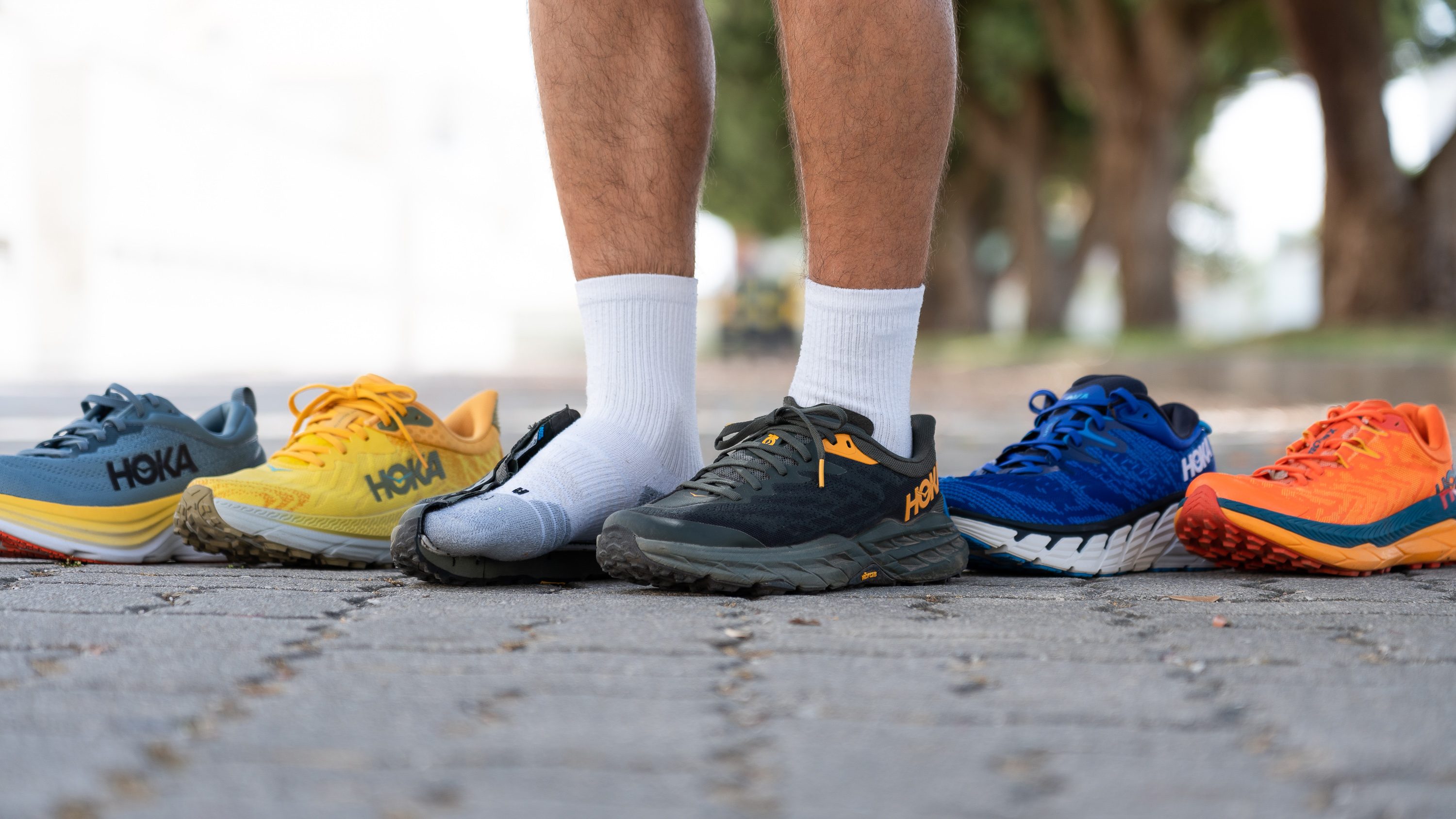
To understand what makes a great walking shoe, we must dissect its components with a scientific lens. The human foot is a complex structure of 26 bones, 33 joints, and over 100 muscles, tendons, and ligaments. A proper walking shoe acts as a supportive partner to this biomechanical marvel. The cornerstone is the midsole, typically made from materials like EVA (ethylene-vinyl acetate) foam or polyurethane. Research from institutions like the University of Calgary’s Human Performance Lab emphasizes the role of midsole cushioning in attenuating ground reaction forces—essentially, reducing the shock that travels up your legs with each heel strike. Then comes the insole or sockliner, which provides the immediate bed for your foot. For those with specific needs, such as overpronation (where the foot rolls inward excessively), a medial post—a firmer area of material on the inner side of the midsole—is crucial for stability. The outsole’s tread pattern isn’t just for show; its geometry and rubber compound determine traction and durability. As Dr. Casey Kerrigan, a former Harvard Medical School professor and founder of a footwear science company, has often stated, “Shoes should work with your feet, not against them.” This means a sufficiently wide toe box to allow natural splay upon foot strike, a heel counter that firmly cradles the rearfoot without biting, and a flexible forefoot that enables the natural rolling motion of the gait cycle. A true walking shoe integrates these elements seamlessly.
Style is a Function: How Design Complements Performance
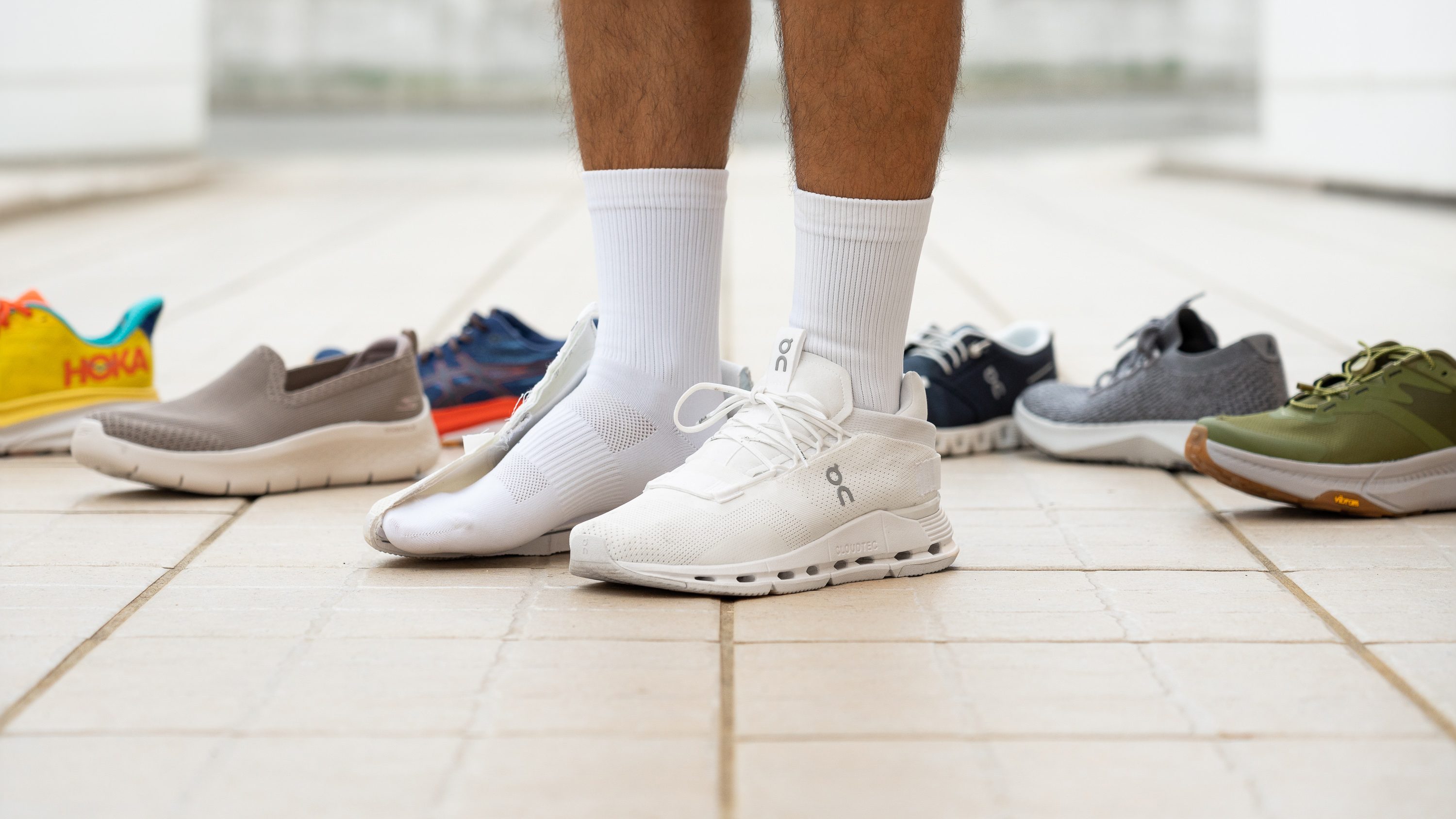
The historical dichotomy between “comfort shoes” and “stylish shoes” is a false one, a relic of past design limitations. Modern footwear engineering has demolished this wall. Consider the rise of brands like Allbirds, which built its identity on sustainable, comfortable materials like merino wool and eucalyptus tree fiber, presented in minimalist, versatile designs that transition from the office to a casual outing. Or observe the trend documented by fashion analysts at Vogue and GQ, where the chunky, cushioned soles of performance running shoes have been adopted into high-fashion streetwear. This isn’t mere appropriation; it’s recognition that the visual language of performance—dynamic lines, layered materials, bold color blocking—inherently possesses aesthetic appeal. A sleek, leather walking loafer from a brand like Cole Haan, which incorporates Grand.ØS technology adapted from running shoes, proves that a shoe can be boardroom-appropriate while providing all-day comfort. The style of your walking shoes communicates your approach to life: efficient, considered, and unwilling to compromise on your well-being. When you choose a pair that you genuinely find visually appealing, you’re more likely to wear them consistently, reaping the long-term health benefits of regular walking. The market now offers everything from retro-inspired sneakers with modern cushioning to waterproof leather boots with orthopedic-grade footbeds, ensuring there is a style nexus for every personal aesthetic.
The Fitting Room is Your Laboratory
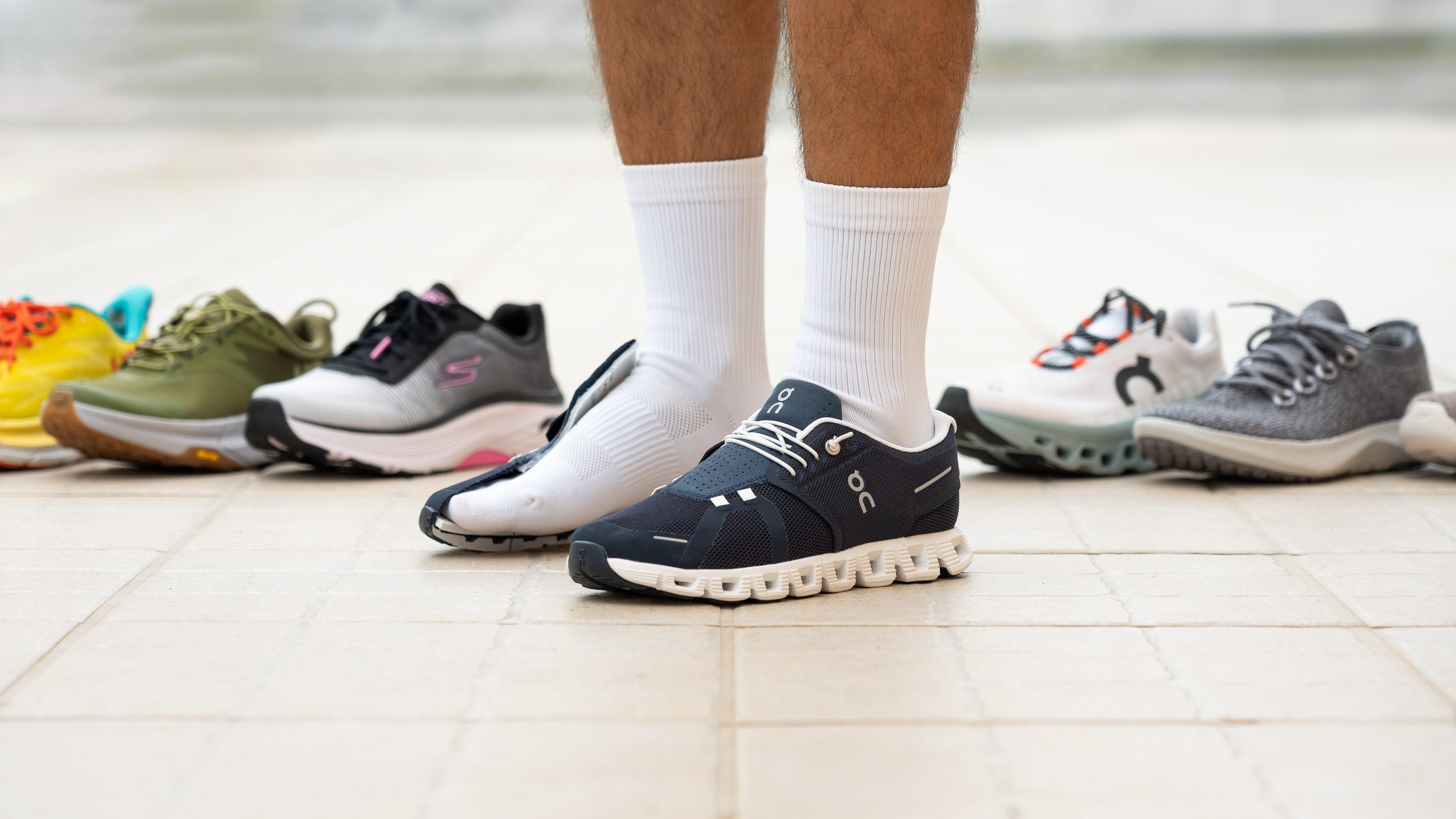
Purchasing the ideal walking shoe is an empirical process, not a theoretical one. Online reviews and size charts are starting points, but the definitive test happens on your feet. A fundamental principle, often cited by podiatrists and fitting experts on platforms like YouTube’s “The Run Experience,” is to shop in the afternoon or evening. Your feet naturally swell throughout the day, and fitting them at their largest ensures the shoes won’t become constrictive during use. Always wear the same type of socks you intend to pair with the shoes. When you try them on, stand up. There should be about a thumb’s width (roughly 3/8 to 1/2 inch) of space between your longest toe and the end of the shoe. This allows for foot expansion and forward movement during the walking gait. The width should feel secure without pinching; you should be able to wiggle your toes freely. Don’t be seduced by the myth of “breaking them in.” While some minimal molding may occur, a proper walking shoe should feel comfortable and supportive from the very first step. Walk around the store on hard surfaces, not just carpet. Pay attention to any points of rubbing or pressure, particularly around the heel collar and the ball of your foot. Listen to the wisdom of veteran shoe fitters, whose experience, as shared in forums on Quora and specialized retail blogs, underscores that the right fit feels like an extension of your body, not an addition to it.
Investment Versus Expense: Decoding Value in Footwear
It’s tempting to view a high price tag as a guarantee of quality, and a low one as a bargain. The reality of walking shoes is more nuanced. An investment in a well-constructed pair from a brand with a proven research and development focus—using durable rubber compounds, high-resilience foams, and quality upper materials—often pays dividends in months of comfortable service and potential avoidance of foot-related ailments. However, the direct correlation between cost and comfort is not absolute. The key is to identify the features you need. Do you require maximum cushioning for pavement pounding, or a firm, stable base for trail walking? Websites like Runner’s World and Wirecutter perform rigorous wear-testing, often finding exceptional performers in mid-price brackets. Furthermore, the secondary market of previous seasons’ models offers tremendous value. Brands frequently update colorways and minor features, while the core technology remains identical. Searching for “previous model” or “closeout” on reputable sites can yield discounts of 30-50% on perfectly excellent shoes. Remember, the true cost of a shoe isn’t its price, but its cost-per-wear. A $150 pair worn daily for a year and a half is a far better value than a $60 pair that causes discomfort and needs replacing in three months.
Voices of Experience: Why It Matters
Beyond specifications and lab tests, the lived experience of diverse individuals provides invaluable context. On platforms like Twitter and Reddit’s r/walking communities, thousands share their real-world testimonials. A nurse on her 12-hour shift might praise a specific brand for its all-day support, while a traveler extols the packable versatility of a particular lightweight model. These anecdotes form a collective knowledge base. Consider the words of author and long-distance walker Cheryl Strayed, whose memoir Wild vividly describes the transformative, and sometimes destructive, power of footwear on a monumental journey. While her infamous boot choice was flawed, the narrative underscores the critical, life-altering role of the right shoe. Similarly, celebrity trainers on social media often highlight footwear as the most important piece of equipment for their clients’ wellness routines. As one prominent fitness influencer on YouTube noted in a gear review,
“You can have the perfect workout plan, but if your shoes are working against your biomechanics, you’re introducing strain and limiting your potential. It’s the first thing I assess with anyone starting a walking or running program.”
This convergence of expert opinion and crowd-sourced validation helps cut through marketing claims, guiding you toward models proven in the field, not just in the factory.
Your Step, Your Story: Making the Final Choice
Armed with knowledge of anatomy, design, fit, value, and community wisdom, the final choice becomes a personal declaration. It’s the intersection of your unique biomechanics—perhaps you have high arches or a tendency for plantar fasciitis—and your personal narrative. Are you a city dweller seeking a sleek, all-weather companion? A parent who needs a supportive shoe for hours on your feet at the park? An avid hiker who wants a single pair that transitions from trail to town? The perfect walking shoe is the one that disappears in its comfort while making you feel present and confident in your stride. It’s a tool for wellness, an accessory for expression, and a quiet enabler of daily life. Don’t rush the process. Try on multiple brands and models. Compare the feel of a maximalist cushioning system against a more flexible, natural design. Your feet, and your future self, will thank you for the diligence.
The pursuit of the ideal walking shoe is a meaningful investment in your daily quality of life. It’s an acknowledgment that the simple, fundamental act of walking deserves respect and support. By prioritizing the marriage of scientifically-backed comfort and authentic style, you choose to move through the world with intention. You choose to listen to your body’s needs without silencing your personal aesthetic. The right pair awaits—a partner engineered for support, designed for life, and ready to carry you forward in comfort and confidence, step after step after step.
