

Your Ultimate Guide to Chic and Feminine Outfits
Feminine style is not a monolith dictated by fleeting trends, but a powerful language of self-expression rooted in confidence, deliberate choices, and an understanding of form, color, and texture. It’s the art of crafting an aura that is both graceful and assertive, soft yet strong. This guide moves beyond superficial lists to explore the foundational principles that underpin a chic and feminine wardrobe, offering you the professional knowledge to build a timeless personal style, while always being mindful of how to acquire key pieces intelligently.
The Architecture of Femininity: Silhouette and Fabric
The cornerstone of any feminine outfit lies in its architecture—the silhouette it creates and the materials from which it is built. Historically, feminine fashion in Western contexts has often played with the contrast between the body’s natural lines and structured enhancement. Think of the cinched waists of the Victorian era or the sleek column dresses of the 1930s. A scientific perspective from materials engineering reveals why certain fabrics feel inherently more feminine. Silk, chiffon, and fine cotton possess specific drape coefficients and light interaction properties; they flow, catch light softly, and move with the body, creating a dynamic, organic silhouette. As noted by the Fashion Institute of Technology’s textile science literature, the hand-feel and visual weight of a fabric directly influence perceived aesthetics. A-line skirts, wrap dresses, and peplum tops are not arbitrary designs; they utilize geometry to highlight the waist, a key focal point in many culturally feminine silhouettes, while allowing for ease of movement. The goal is not restriction, but definition. When you choose a piece, ask yourself: does its shape celebrate my form? Does the fabric enrich that shape with its behavior? Investing in a well-cut dress made of natural fibers often yields more long-term style dividends than several trendy, synthetic alternatives, and seeking out end-of-season sales on these quality staples is a savvy strategy.
The Psychology of Color and Detail
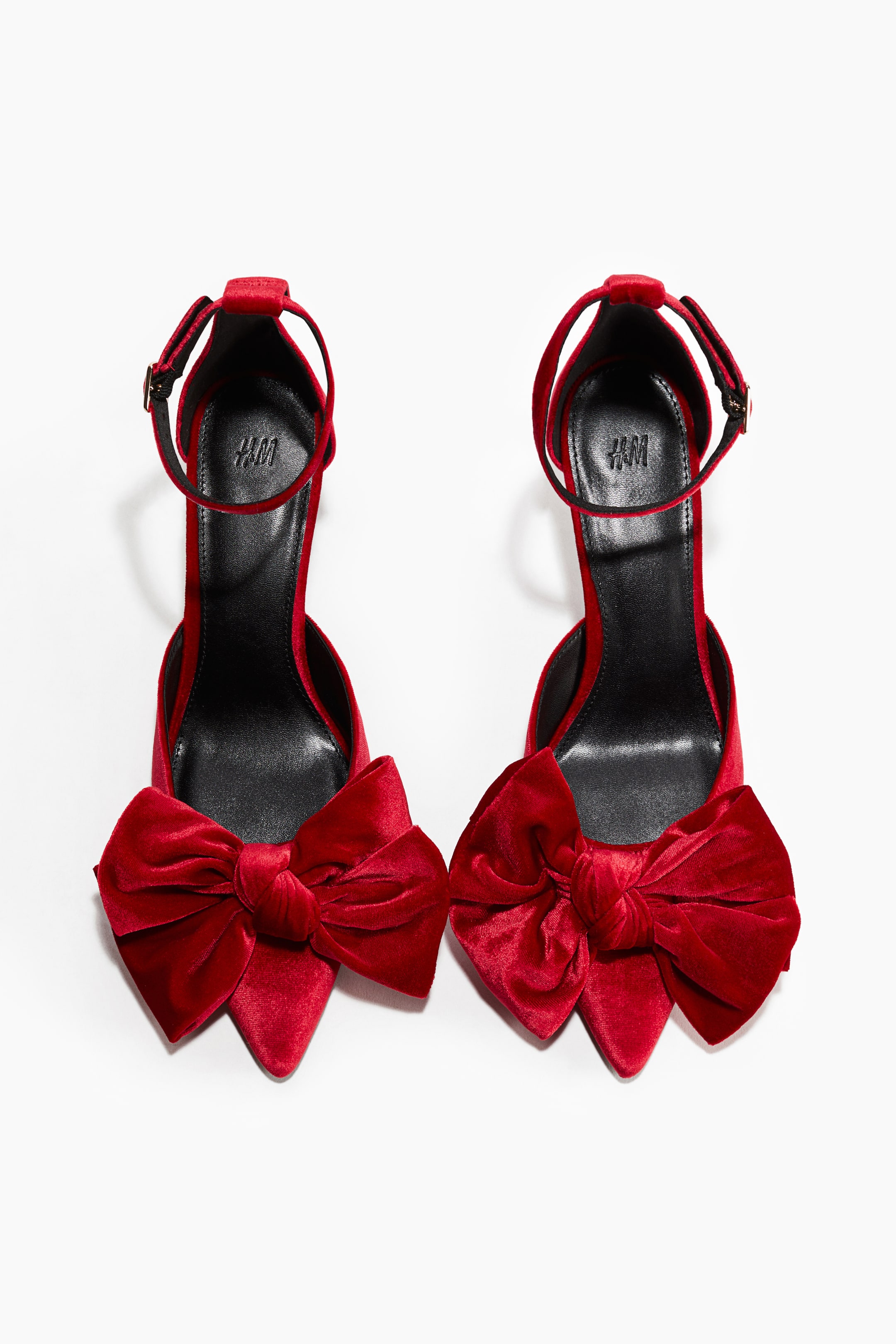
Color psychology is not mere pop science; it is a field studied in design schools and marketing departments worldwide for its profound impact on perception and emotion. While femininity is in no way limited to a specific palette, understanding color’s language empowers intentional choice. Soft pastels, rich jewel tones, and classic neutrals each carry different connotations. Pink, for instance, as explored in Valerie Steele’s book “Pink: The History of a Punk, Pretty, Powerful Color,” has a complex history, evolving from a masculine color in the 18th century to its modern associations. A bold red speaks of confidence and energy—a fact leveraged by figures from Christian Louboutin to powerful politicians. The details are where personality truly shines. Delicate lace, intricate embroidery, or subtle ruffles add layers of texture and narrative. These elements should feel personal, not prescribed. A statement piece, like a pair of exquisite bow red heels, exemplifies this principle perfectly. The bow detail adds a touch of classic, romantic flourish, while the red hue commands attention. It’s a conversation between softness and power. As fashion commentator Vanessa Friedman of The New York Times often notes, it’s the considered detail that transforms an outfit from “dressed” to “styled.”
The Power of a Signature Accessory
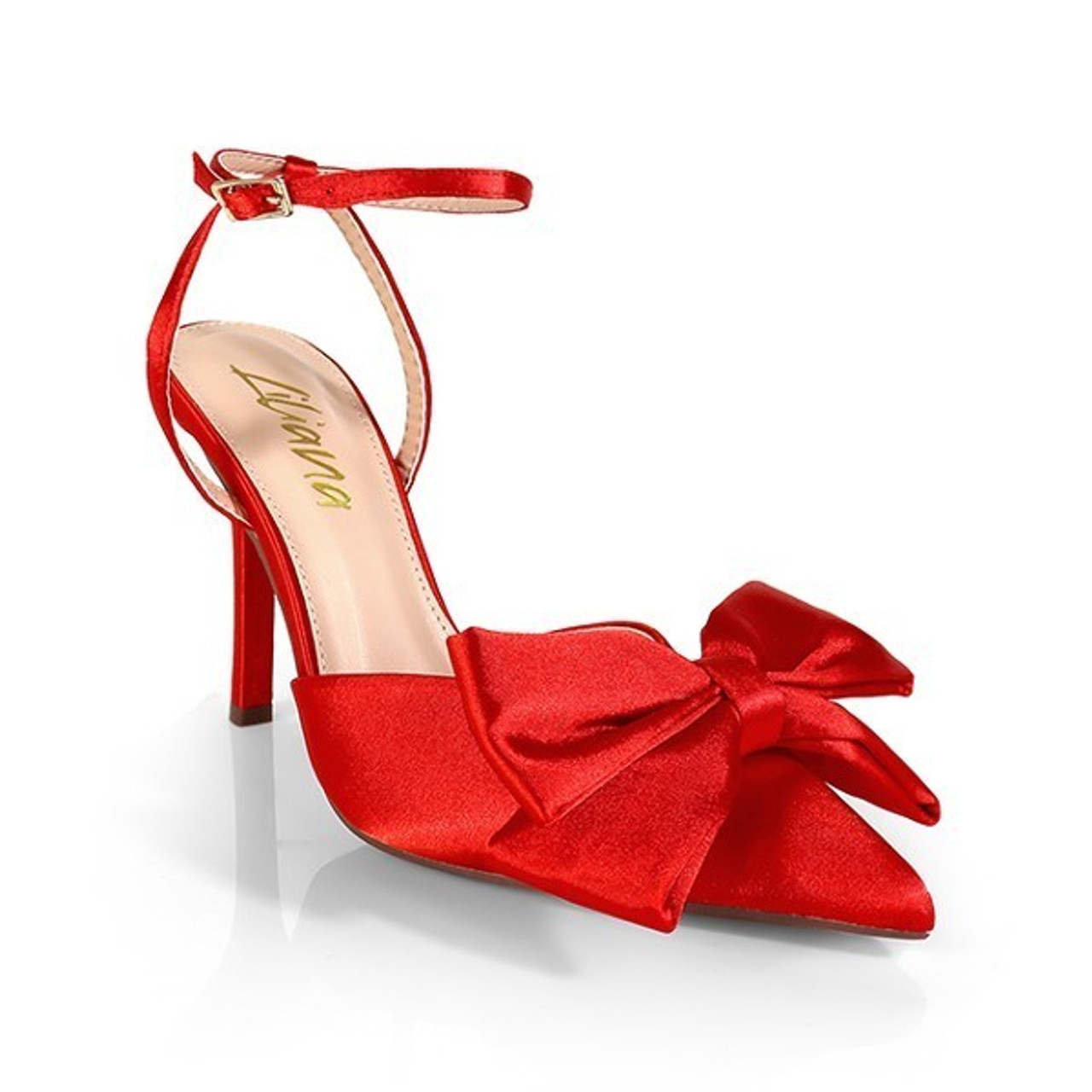
Accessories are the punctuation marks of your style sentence. They can turn a declarative outfit into an exclamation. A chic and feminine approach to accessorizing often leans towards cohesion and meaning rather than sheer volume. A single strand of pearls, a vintage-inspired watch, or a structured handbag in a complementary color can ground an entire look. Footwear, in particular, holds transformative power. Consider the iconic bow red heels—a style championed by celebrities from Dita Von Teese to modern style icons on platforms like Instagram. These shoes do more than elevate height; they elevate an outfit’s spirit. The bow red heels are a perfect case study: they combine a playful, feminine motif (the bow) with a color of undeniable authority (red). This duality is the essence of modern femininity. You don’t merely wear such a piece; you engage with it. Building a capsule of high-quality accessories, perhaps by prioritizing one iconic piece per season during promotional periods, ensures your basics always have a partner for standout moments.
Curating a Timeless Wardrobe: The Capsule Mindset
The most chic wardrobes are often the most edited. The concept of the capsule wardrobe, popularized by figures like London-based stylist Susie Faux and later Donna Karan, is rooted in efficiency and timelessness. The objective is to own fewer, better things that all work in harmony. From a third-person perspective, observing someone with a curated wardrobe reveals a consistency and confidence that fast fashion cannot replicate. Start with foundational neutrals—a great pair of trousers, a perfect white blouse, a little black dress. Then, introduce color and pattern through layers and accessories. This method is not only aesthetically sound but economically intelligent. By focusing on versatile, high-quality staples, you reduce the cost-per-wear of each item exponentially. For example, a well-tailored blazer can transition from office wear to weekend casual when paired with denim and those standout bow red heels. Many luxury and contemporary brands offer significant discounts during seasonal sales, which is the ideal time to invest in these cornerstone items. The knowledge of what constitutes a true wardrobe workhorse is the most professional discount you can give yourself.
Adapting Femininity Across Contexts
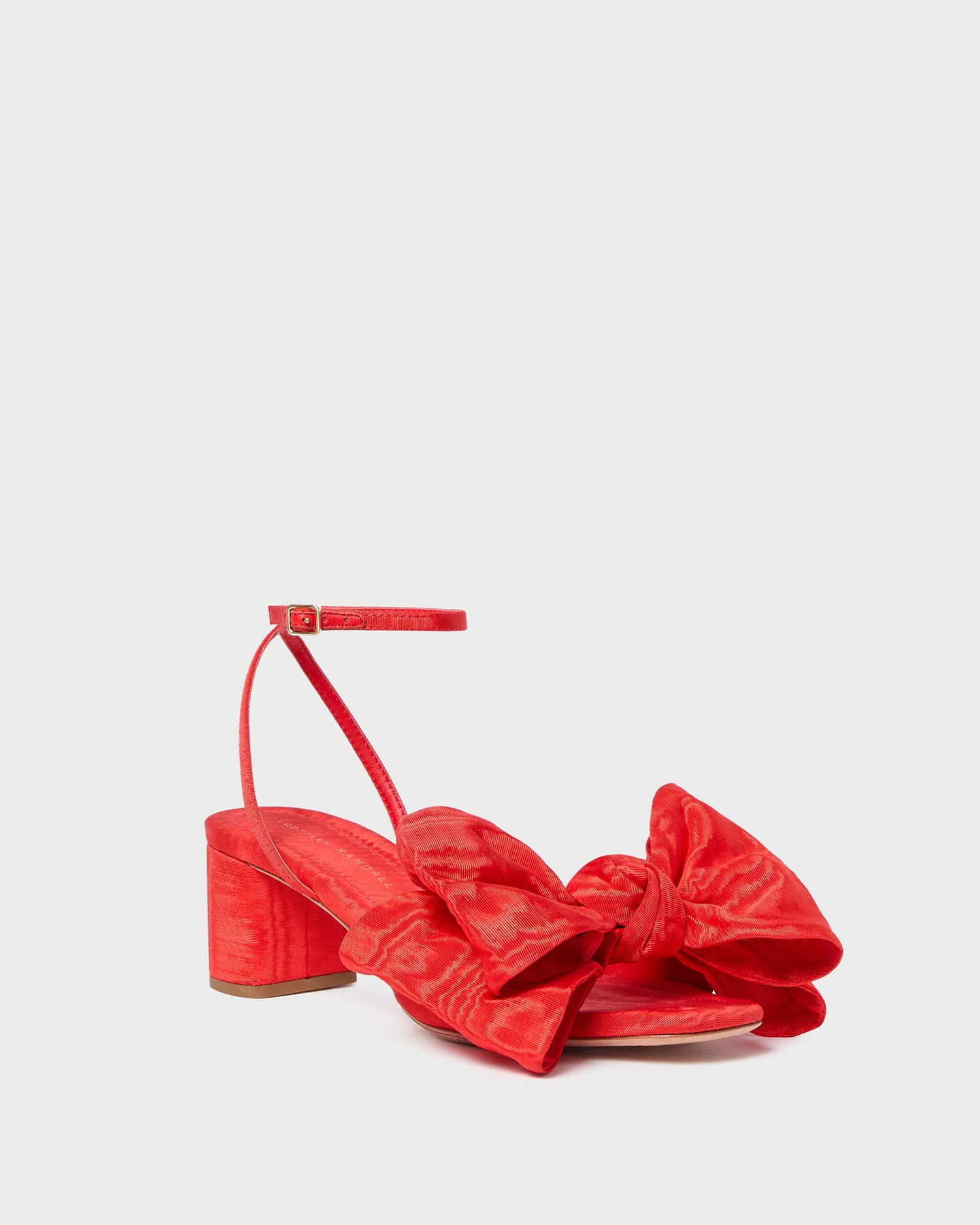
A common misconception is that feminine style lacks versatility. On the contrary, its principles are adaptable to any setting. For the professional environment, femininity can be expressed through a sharp, color-blocked midi dress and a pair of elegant loafers. The key is in the fit and the finish. As Sheryl Sandberg noted in Lean In, presenting oneself authentically and professionally is part of building authority. For casual settings, femininity might mean the effortless elegance of a linen jumpsuit or a silk camisole paired with high-waisted jeans. The evening calls for drama—perhaps a slip dress with a statement heel. The unifying thread is intention. Even the most relaxed outfit becomes “chic” when the pieces are chosen for their cut and quality, and the overall look is cohesive. Remember, a pair of stunning bow red heels can be the anchor that takes a simple black dress from daytime meeting to dinner date with just a change of lipstick and a switch in your bag.
Beyond the Garment: Posture, Care, and Mindset
The final, often overlooked, elements of a chic and feminine presentation exist beyond the clothing rack. Your posture is the invisible foundation of any outfit. Carrying yourself with grace and assurance—shoulders back, head held high—immediately elevates the simplest ensemble. This isn’t just anecdotal; studies in non-verbal communication, such as those referenced by Harvard Business School professor Amy Cuddy in her work on “power poses,” show how posture influences both others’ perceptions and our own internal confidence. Furthermore, the care of your garments is a reflection of self-respect. Proper storage, timely cleaning, and mindful maintenance prolong the life of your investments and ensure they always look their best. This mindset of care extends to how you acquire your wardrobe. Becoming a discerning shopper who values craftsmanship over logos, and who strategically shops sample sales, outlet collections (which often contain past-season mainline items), and reputable consignment platforms, allows you to build a luxurious wardrobe at a fraction of the retail price. It’s a sustainable, intelligent, and ultimately more stylish approach.
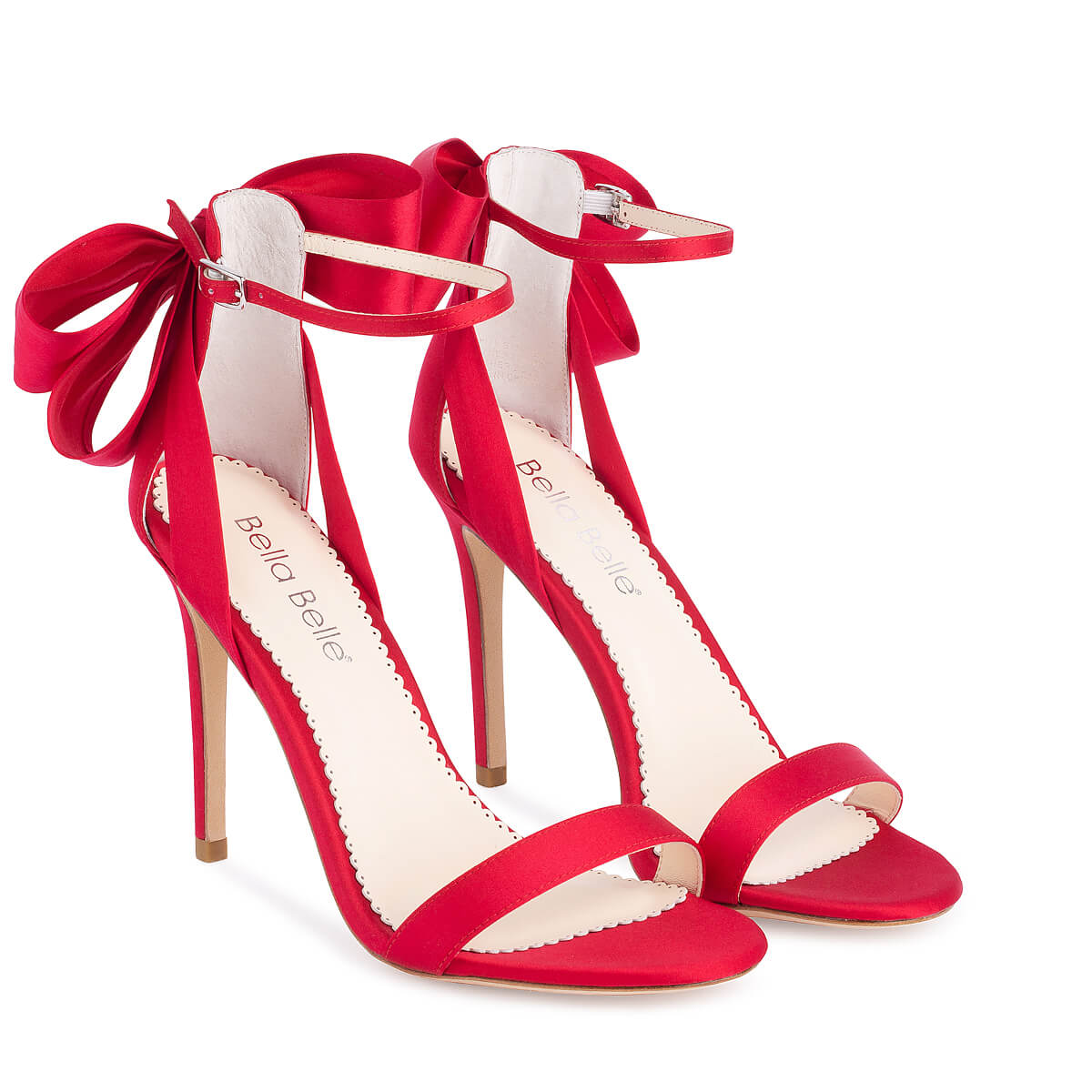
Ultimately, chic and feminine style is a personal dialect in the global language of fashion. It is built on the pillars of conscious silhouette selection, a nuanced understanding of color and detail, the strategic power of accessories like a memorable pair of bow red heels, and the intelligent curation of a versatile wardrobe. It is sustained by the intangible qualities of posture and care. When you dress with this depth of understanding, you are not following a trend—you are defining a presence that is uniquely and confidently your own. The true luxury lies not in the price tag, but in the knowledge and intention behind every choice you make.
