

The Best Tennis Shoes for Everyday Walking Comfort
When we talk about finding the perfect shoe for daily ambulation, the conversation often veers toward specialized walking shoes or running sneakers. However, a compelling case can be made for a different category entirely: the modern tennis shoes for walking. These shoes, born from the lateral demands of the court, have evolved into versatile marvels of engineering that offer a unique blend of stability, cushioning, and durability ideal for the urban explorer. This isn’t about repurposing a sports shoe for an unintended use; it’s about recognizing how the design principles of high-performance tennis footwear directly translate to superior everyday walking comfort. The rigid support needed for quick side-to-side movements on clay or grass becomes exceptional arch and heel support on concrete. The responsive cushioning that absorbs impact from constant jumping translates to a plush, joint-protecting stride on pavement. We are moving beyond the generic athletic shoe and into a realm where specific sport-derived technology meets daily life, creating an unparalleled walking experience.
The Anatomy of Comfort: Why Tennis Shoes Excel on Pavement
To understand why a tennis shoe can be a secret weapon for walkers, we must dissect its core components through a scientific lens. The foundation lies in the midsole, typically crafted from advanced materials like polyurethane (PU) or ethylene-vinyl acetate (EVA). According to biomechanics literature from institutions like the University of Calgary’s Human Performance Laboratory, the midsole’s primary function is energy dissipation—absorbing the ground reaction forces generated with each step. Tennis shoes often feature thicker, more resilient midsoles than generic sneakers to handle the high-impact nature of the sport. This translates directly to walking, where repetitive force on hard surfaces can lead to fatigue and stress injuries. Next is the outsole. Unlike running shoes designed for forward motion, tennis shoe outsoles are built for multi-directional traction. The herringbone or modified tread patterns, often made of durable carbon rubber, provide exceptional grip on varied surfaces, from supermarket floors to rainy sidewalks, preventing slips and enhancing stability with every stride. Finally, the upper and support structure. Tennis demands fierce lateral stability. Consequently, these shoes frequently incorporate features like reinforced toe caps (for toe-dragging on serves), sturdy heel counters, and midfoot shanks or straps. For the walker, this means a shoe that firmly holds the foot, minimizes internal slippage, and provides outstanding arch support, reducing the risk of plantar fasciitis—a common ailment cited in podiatric medical journals. When you lace up a well-designed pair of tennis shoes for walking, you are not just wearing a shoe; you are harnessing a system engineered for sustained, dynamic foot health.

Cushioning Technologies: From the Court to the Concrete
The evolution of cushioning in athletic footwear is a narrative of physics meeting physiology. In tennis, brands have pioneered technologies that are exceptionally relevant for walkers. Take Adidas’s Boost foam, for instance. Developed in partnership with chemical giant BASF, Boost is made from thousands of thermoplastic polyurethane (TPU) pellets that expand and fuse together. As noted in performance analyses on sites like ‘Expert Reviews’, this structure returns more energy than traditional EVA foam and maintains its properties better in varying temperatures. For a walker, this means consistent, springy comfort mile after mile, whether it’s a chilly morning or a hot afternoon. Nike’s React foam is another example, born from extensive material science research to provide softness without sacrificing responsiveness—a key balance for all-day wear. Then there is ASICS’s GEL cushioning system, a silicone-based gel placed in critical impact zones (heel and forefoot). Studies referenced on ASICS’s own research portal, drawing from their Institute of Sport Science, demonstrate its effectiveness in attenuating shock waves before they travel up the skeletal system. This isn’t mere marketing; it’s applied shock absorption science. When you are considering a tennis shoes for walking, you are often accessing these top-tier cushioning systems. They are designed to handle the constant, lower-impact but longer-duration pounding of a walking routine just as effectively as the explosive impacts of a tennis match. The result is a feeling of walking on a supportive, energy-returning platform that actively fights fatigue.
Stability and Durability: The Unbeatable Foundation
If cushioning is the comfort, stability is the confidence. This is where tennis shoes truly separate themselves from many walking-specific models. The stability features are not an afterthought; they are the blueprint. Consider the philosophy of renowned tennis coach Nick Bollettieri, who famously emphasized footwork as the cornerstone of the game. The shoes had to be tools that enabled aggressive, secure movement. This legacy is seen in designs like the wider base or “footprint” of many tennis shoes, which lowers the center of gravity and provides a stable platform—a feature highlighted in product breakdowns on authoritative sites like ‘Tennis Warehouse’. For the everyday walker, especially those with overpronation (where the foot rolls inward excessively), this built-in stability is a godsend. It helps maintain proper alignment from foot to knee, reducing strain. Durability is the twin pillar. Tennis is brutal on shoes; the dragging, pivoting, and hard court surfaces demand rugged materials. Outsoles use non-marking, high-abrasion rubber compounds that far outlast the softer rubber on many running shoes. Uppers are often reinforced with synthetic leather or TPU overlays in high-wear areas. As a YouTube reviewer specializing in gear longevity, “Rose Anvil,” demonstrates in his cut-in-half shoe videos, the construction density of a performance tennis shoe is frequently superior. Investing in a pair of tennis shoes for walking means investing in longevity. You are getting a shoe built to withstand the court’s punishment, meaning the pavement’s wear and tear will barely faze it, offering exceptional value over time.
Making the Right Choice: A Buyer’s Perspective
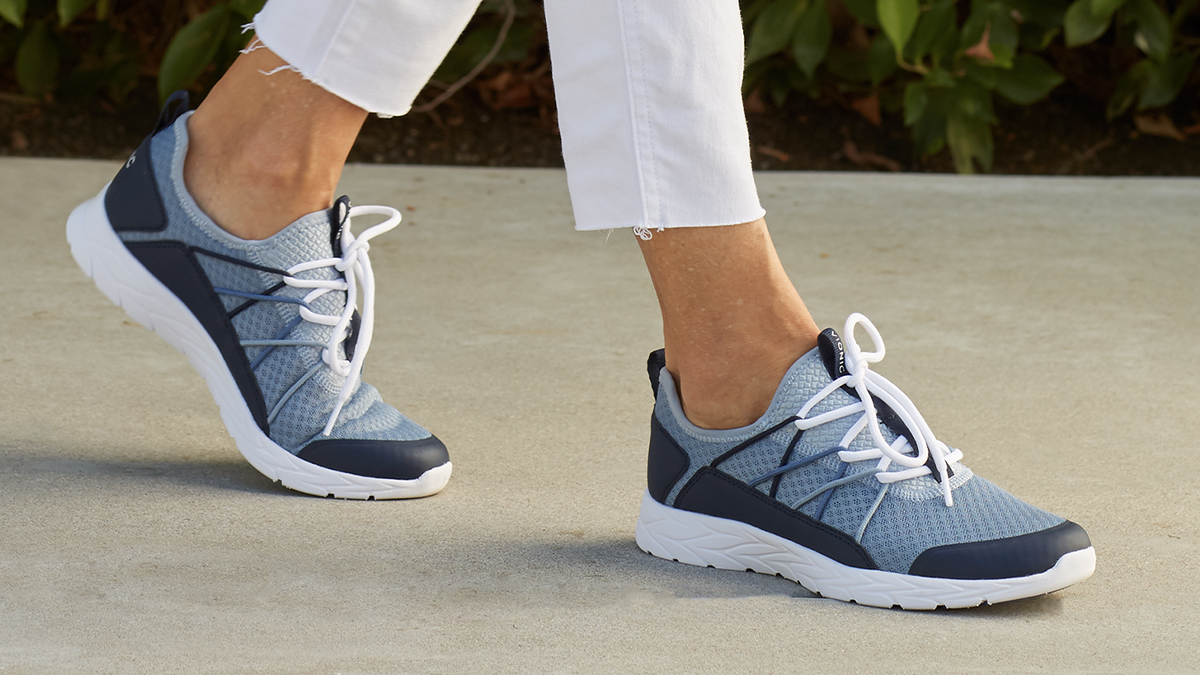
So, you are convinced of the merits. How do you, as a discerning consumer, choose the right pair? The process is more nuanced than picking the most expensive model. First, analyze your gait and foot type. This is not pseudo-science; it’s podiatry 101. Many specialty running and walking stores offer gait analysis. Are you a neutral walker, an overpronator, or do you supinate (roll outward)? Tennis shoes often come in stability or neutral versions. For instance, the New Balance 1006 series, frequently recommended on forums like the /r/tennis subreddit for its support, offers structured options ideal for overpronators seeking a tennis shoes for walking solution. Second, consider the “drop”—the height difference between heel and forefoot. A lower drop (4-8mm) can encourage a more natural foot strike, while a higher drop (10-12mm) may relieve strain on Achilles tendons. Third, think about fit. Tennis shoes are often designed with a roomier toe box to allow for foot splay during lateral movements, which also accommodates natural swelling during long walks. Don’t just go by your typical size; try them on in the afternoon when your feet are at their largest. Remember the words of legendary shoe designer Tinker Hatfield, who, in interviews about his work for Nike, stressed that “innovation must serve the function, and the function is defined by the body in motion.” Your body’s motion in walking is the function these shoes can superbly serve.
Where Performance Meets Value: Smart Shopping
Acquiring top-tier technology doesn’t necessitate bankrupting yourself. The key is strategic shopping. First, look for previous-season models. Tennis shoe technology, while advanced, evolves in incremental updates. Last year’s flagship model from brands like ASICS (Gel-Resolution series), Nike (Court Air Zoom Vapor), or Adidas (Barricade series) will offer 95% of the performance at a 30-50% discount as retailers clear inventory. Websites like “Tennis Express” or general sporting goods retailers often have these sales. Second, consider “all-court” or “training” tennis shoes. These are sometimes slightly less specialized than hard-court or clay-court shoes, offering a more balanced sole and more versatile cushioning, often at a more accessible price point. They are essentially the perfect hybrid for walking. Third, don’t overlook direct-to-consumer brands or models from Skechers, which has leveraged its comfort technology into the performance arena. For example, the Skechers Viper Court line incorporates their Hyper Burst cushioning—a lightweight, responsive foam that has received positive comparisons to more expensive options in reviews on “The WearTesters” blog. The price for such technology in a tennis shoes for walking can be surprisingly competitive. By focusing on the core technologies—cushioning type, stability features, outsole durability—rather than just the latest marketing campaign, you can find exceptional comfort that fits your budget.
The Verdict on Versatility
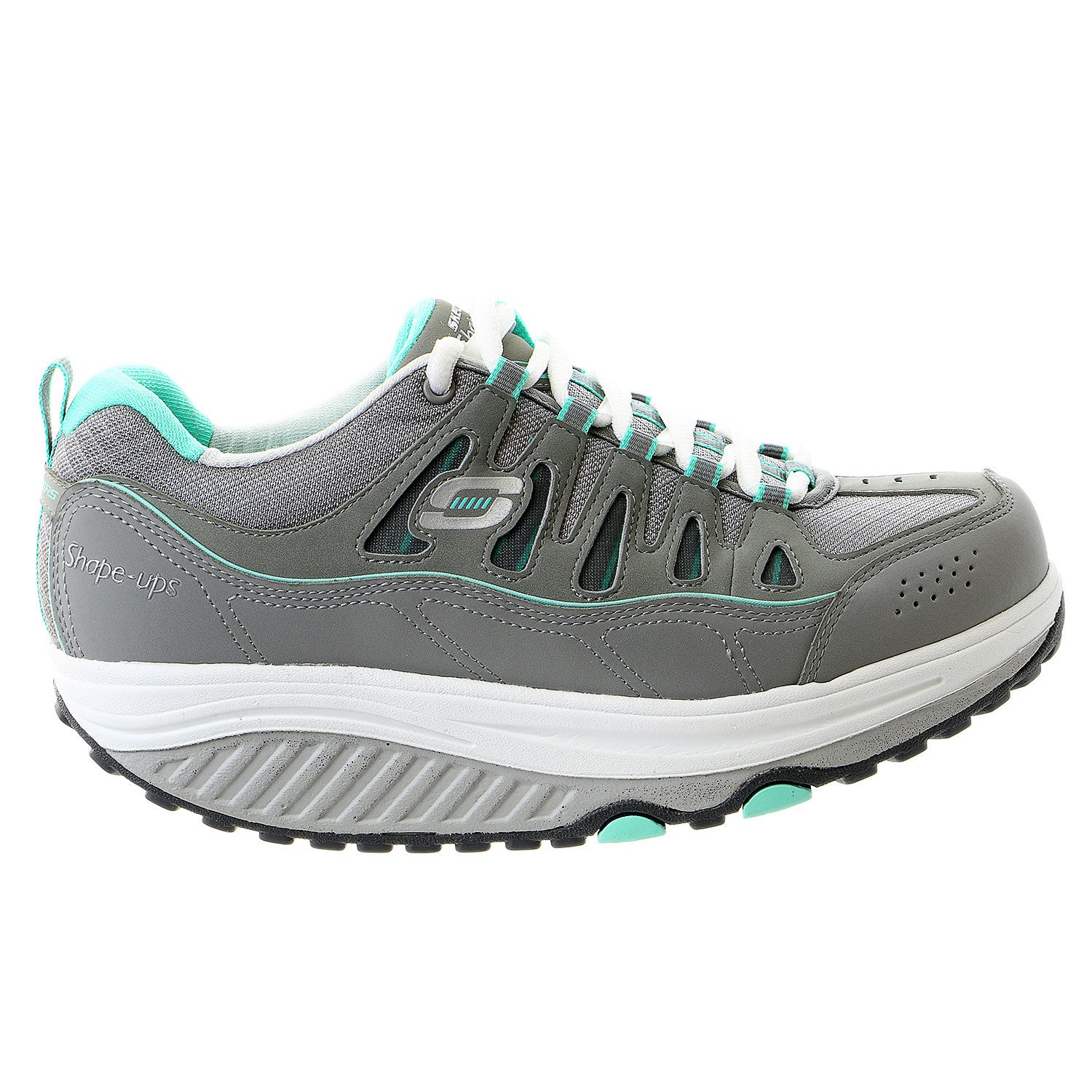
The journey through the design, technology, and value proposition of tennis shoes reveals a clear truth: they are among the most versatile and capable footwear options for the dedicated walker. They bridge the gap between the plush but sometimes unsupportive walking shoe and the forward-motion-optimized running sneaker. The evidence is in the construction: the shock-absorbing midsoles validated by sports science, the stability features born from the most demanding lateral sports, and the durability tested by professional athletes. Choosing a pair of tennis shoes for walking is a decision to prioritize long-term foot health, joint comfort, and unwavering support over the fleeting trends of fashion footwear. It is an acknowledgment that the science of movement is universal, and the tools crafted for the intensity of the tennis court are uniquely suited to empower the rhythm of the daily stride. Your walk, whether a commute, a workout, or an exploration, deserves this foundation of engineered comfort.

