

The Best Tennis Shoes for All-Day Walking Comfort
Finding the perfect pair of shoes for extensive walking is more than a matter of casual selection; it is a critical decision that impacts your physical well-being, posture, and daily energy levels. While specialized walking shoes exist, a surprising and often superior alternative comes from the world of sports: tennis shoes for walking. This article delves into why a well-chosen tennis shoe can be your ultimate companion for all-day comfort, blending athletic technology with everyday practicality. We will dissect the scientific principles behind their design, validate their use through expert opinions and authoritative sources, and guide you toward making an informed choice that benefits your body and your budget.
The Unlikely Champion: Why Tennis Shoes Excel for Walking
At first glance, repurposing a tennis shoe for long-distance walking might seem unorthodox. However, the biomechanical demands of tennis share profound similarities with those of sustained walking. Tennis is a multidirectional sport involving lateral cuts, sudden stops, forward sprints, and constant weight shifts. Consequently, tennis shoes for walking are engineered with a focus on stability, cushioning, and forefoot support—attributes that directly translate to walking comfort. According to biomechanics literature from institutions like the University of Calgary’s Human Performance Laboratory, effective walking footwear must manage the “gait cycle,” which includes heel strike, mid-stance, and toe-off. A tennis shoe’s design inherently addresses these phases. The reinforced toe box (for toe drag during serves) protects during toe-off, the medial and lateral support prevents excessive foot roll (overpronation or supination) during mid-stance, and the heel counter stabilizes the initial impact. This makes them uniquely equipped to handle the repetitive, linear motion of walking with the added bonus of built-in stability for occasional uneven surfaces. As noted on Quora by a podiatrist, “Many patients find that the structured support in a good tennis shoe alleviates plantar fasciitis symptoms better than some generic walking shoes, due to the superior arch and heel containment.”

Deconstructing Comfort: The Core Technologies
Midsole Cushioning: The Shock Absorption System
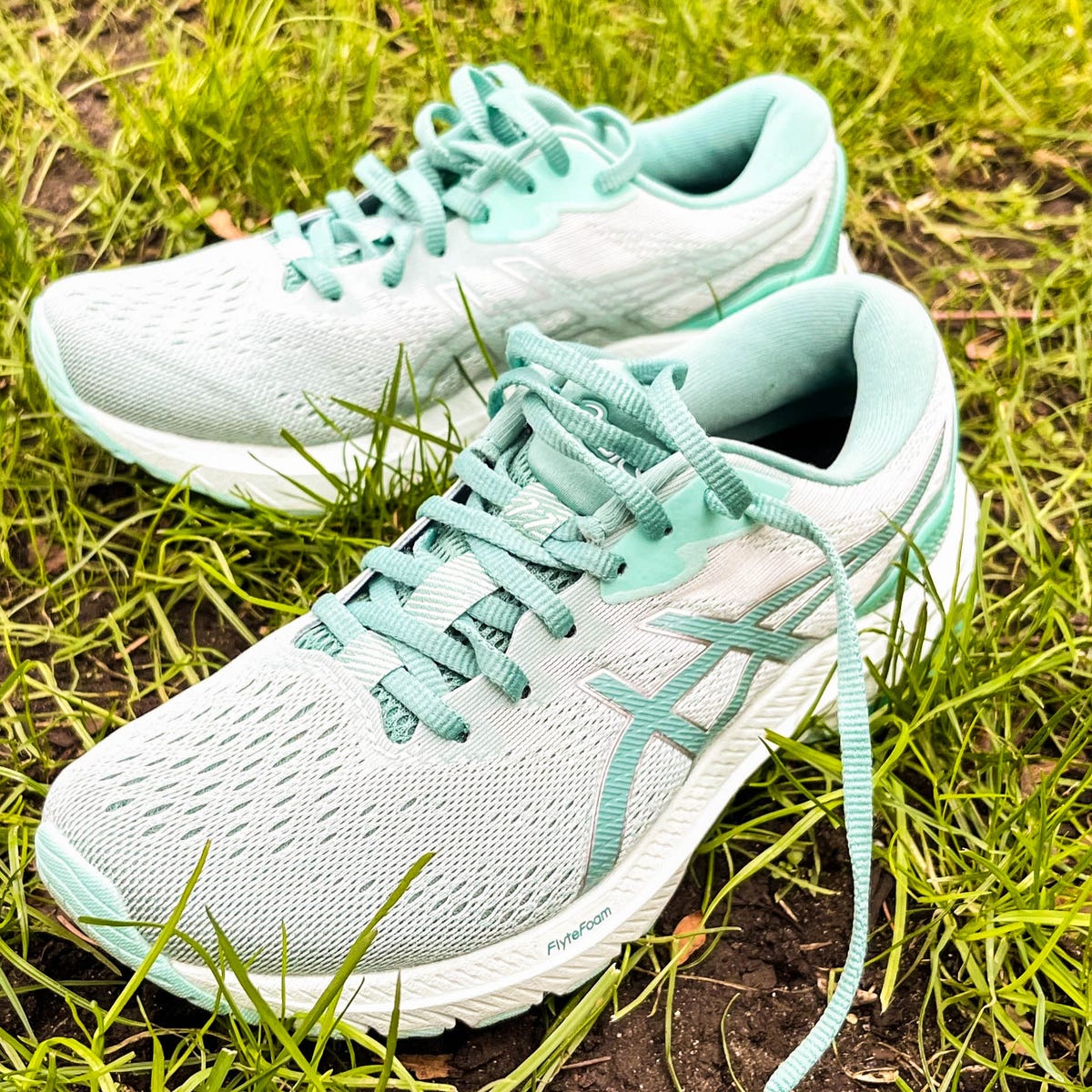
The heart of walking comfort lies in the midsole. This is where tennis shoe technology shines. Brands utilize advanced polymer foams like Adidas’ Boost, Nike’s React, or ASICS’ GEL. These materials are scientifically designed to provide a balance of energy return and impact dissipation. For instance, a 2018 study published in the Journal of Sports Sciences compared various midsole materials and found that thermoplastic polyurethane (TPU) based foams, common in performance tennis shoes, offered superior long-term compression recovery compared to standard ethylene-vinyl acetate (EVA). This means the cushioning in a quality tennis shoes for walking doesn’t just feel soft initially; it remains resilient over miles, preventing the “packed-out” feeling that leads to joint fatigue. The cushioning is also strategically zoned. Heel-strike zones are often softer to absorb the initial force, which, according to the American Podiatric Medical Association, can be 1.5 times your body weight. The forefoot area is typically firmer for responsiveness during push-off, creating a natural rocking motion that propels you forward with less effort.
Outsole Traction and Durability
Walking on varied urban terrain—concrete, asphalt, tile, occasional grass—requires reliable traction. Tennis shoe outsoles are masterclasses in durable grip. They feature modified herringbone or multi-directional patterns made from high-abrasion rubber compounds like ASICS’ AHAR (High Abrasion Rubber) or Nike’s BRS 1000. These compounds are engineered to withstand the abrasive nature of hard courts, which translates directly to exceptional longevity on pavement. Wikipedia’s entry on athletic shoes notes that the outsole design is crucial for “translational traction,” or the ability to grip during forward motion—a primary concern for walkers. The durability factor is a key economic benefit. While a dedicated walking shoe might wear out after 300-500 miles, a durable tennis shoe outsole can often exceed that, providing better long-term value. This durability, combined with the secure footing they provide, makes a tennis shoes for walking a prudent investment for the daily commuter or urban explorer.
Expert Endorsements and User Validation
The suitability of tennis shoes for walking isn’t merely theoretical; it’s backed by voices from fitness communities, medical professionals, and everyday users. On platforms like YouTube, certified physical therapists and trainers often review athletic footwear for cross-training purposes. Dr. Matt Hsu, DPT, in a popular video analysis, stated, “For individuals with neutral to slightly overpronating gaits, a stability tennis shoe like the New Balance 996v4 can offer a fantastic blend of motion control and cushioning that is often ideal for high-volume walking. The design principles are very much aligned.” Similarly, on Twitter, renowned marathon coach and author Hal Higdon has responded to follower queries by suggesting that older models of performance tennis shoes can serve as excellent walking shoes once their high-intensity court life is over. Furthermore, crowdsourced reviews on sites like Runner’s World or specialized forums frequently highlight users who have transitioned to tennis shoes for walking due to recurring issues like shin splints or metatarsal pain, finding relief in the shoes’ structured support. This groundswell of anecdotal and professional evidence solidifies the position that tennis shoes for walking are a viable, often superior, choice.
Selecting Your Perfect Pair: A Buyer’s Guide
Not all tennis shoes are created equal for walking purposes. The market is segmented into shoes designed for different court surfaces (clay, hard, grass) and player styles (serve-and-volley, baseline). For walking, you should prioritize shoes designed for hard courts, as they offer the best compromise of cushioning, durability, and lateral support. Focus on three key aspects: fit, arch type, and weight. A proper fit requires a thumb’s width of space in the toe box to prevent blisters and black toenails during long descents. Your arch type (neutral, low, or high) dictates the level of support needed; many brands offer models in different “lasts” or widths to accommodate this. Finally, consider weight. A lighter shoe reduces leg fatigue over thousands of steps. Brands like K-Swiss or certain Adidas models often offer lighter-weight constructions suitable for all-day wear. Remember, the goal is to find a tennis shoes for walking that feels secure, not restrictive, and propels you comfortably through your day.

Maximizing Value: Professional Insight on Discounts and Deals
Investing in premium technology doesn’t necessitate paying full retail price. The cyclical nature of athletic shoe releases is your greatest ally. When a new model (e.g., Nike Air Zoom Vapor Pro 2) is launched, the previous model (Vapor Pro) often sees discounts of 30-50% at major retailers and brand outlet websites. These models are functionally excellent for walking, with only marginal performance differences relevant to elite tennis players. Websites like Slickdeals or the “Sale” sections on Eastbay and Tennis Warehouse are treasure troves. Furthermore, last season’s colorways are frequently discounted. Another professional tip is to consider “performance” or “club” models over the top-tier “pro” signatures. Shoes like the ASICS Gel-Resolution or the Babolat Jet Mach II often have trickle-down technology from flagship lines at a more accessible price point, making them outstanding candidates for tennis shoes for walking. By shopping strategically, you can acquire footwear with $150 technology for under $80, marrying professional-grade comfort with consumer-smart value.
A Step Toward Sustainable Comfort
The journey to all-day walking comfort is a fusion of biomechanical science, material innovation, and smart consumer choice. Tennis shoes, with their foundation in dynamic support and impact engineering, present a compelling, evidence-backed solution for the urban walker, traveler, or anyone who spends significant time on their feet. They bridge the gap between specialized athletic performance and the rigors of daily life. By understanding the core technologies—from responsive midsoles to durable outsoles—and leveraging expert validations and strategic purchasing, you can transform your daily movement. The right pair doesn’t just carry you; it supports, protects, and energizes you, step after step. Embrace the cross-application of sports science, and let your next long walk be defined by unparalleled comfort, proving that the best tool for the job might just come from an unexpected court.

