Style Meets Comfort for Every Outfit
For years, fashion and comfort were presented as opposing forces in a sartorial tug-of-war. We were told to choose: look good or feel good. That era is decisively over. Today, the most empowering style statement you can make is one that doesn’t compromise your well-being. It’s about understanding that the foundation of any great outfit—from a sharp suit to casual weekend wear—is not just the visible garments but what you put on your feet. The modern pursuit is for harmony, where aesthetic appeal and physical ease are not mutually exclusive but are interwoven into every choice we make. This philosophy transcends fleeting trends, rooting itself in a holistic approach to dressing that respects both the body and personal expression. At the heart of this revolution is a single, often underestimated item: the perfect walking shoe.
The Anatomical Blueprint: Why Your Feet Dictate Your Style
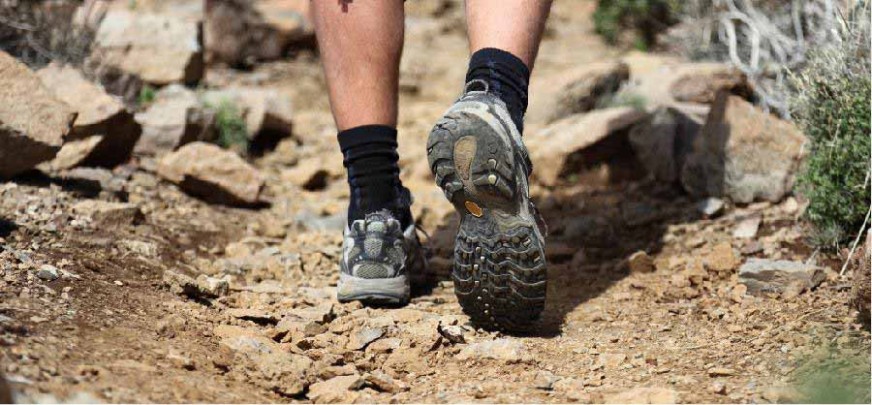
To marry style with comfort, we must first appreciate the complex engineering of the human foot. Each foot contains 26 bones, 33 joints, and over a hundred muscles, tendons, and ligaments. This structure is a masterpiece of biomechanics, designed for propulsion, balance, and shock absorption. When we encase it in footwear that contradicts its natural function, the repercussions travel upward. The American Podiatric Medical Association consistently notes that improper footwear can lead to a cascade of issues—from plantar fasciitis and bunions to knee, hip, and even back pain. Therefore, the quest for a comfortable shoe is not about indulgence; it’s a physiological necessity. A well-designed walking shoe acts as an extension of this natural anatomy. It provides structured support at the arch, a heel counter that stabilizes, and a toe box wide enough to allow natural splay. Brands like Hoka One One have built their reputation on leveraging this scientific understanding, using meta-rocker geometries and maximalist cushioning not as a gimmick, but to guide the foot through a more natural gait cycle. When your foundation is biomechanically sound, your posture improves, your stride becomes more confident, and that confidence radiates outward, becoming an integral, invisible layer of your style.
Debunking the Myth: The Evolution of “Ugly” Comfort
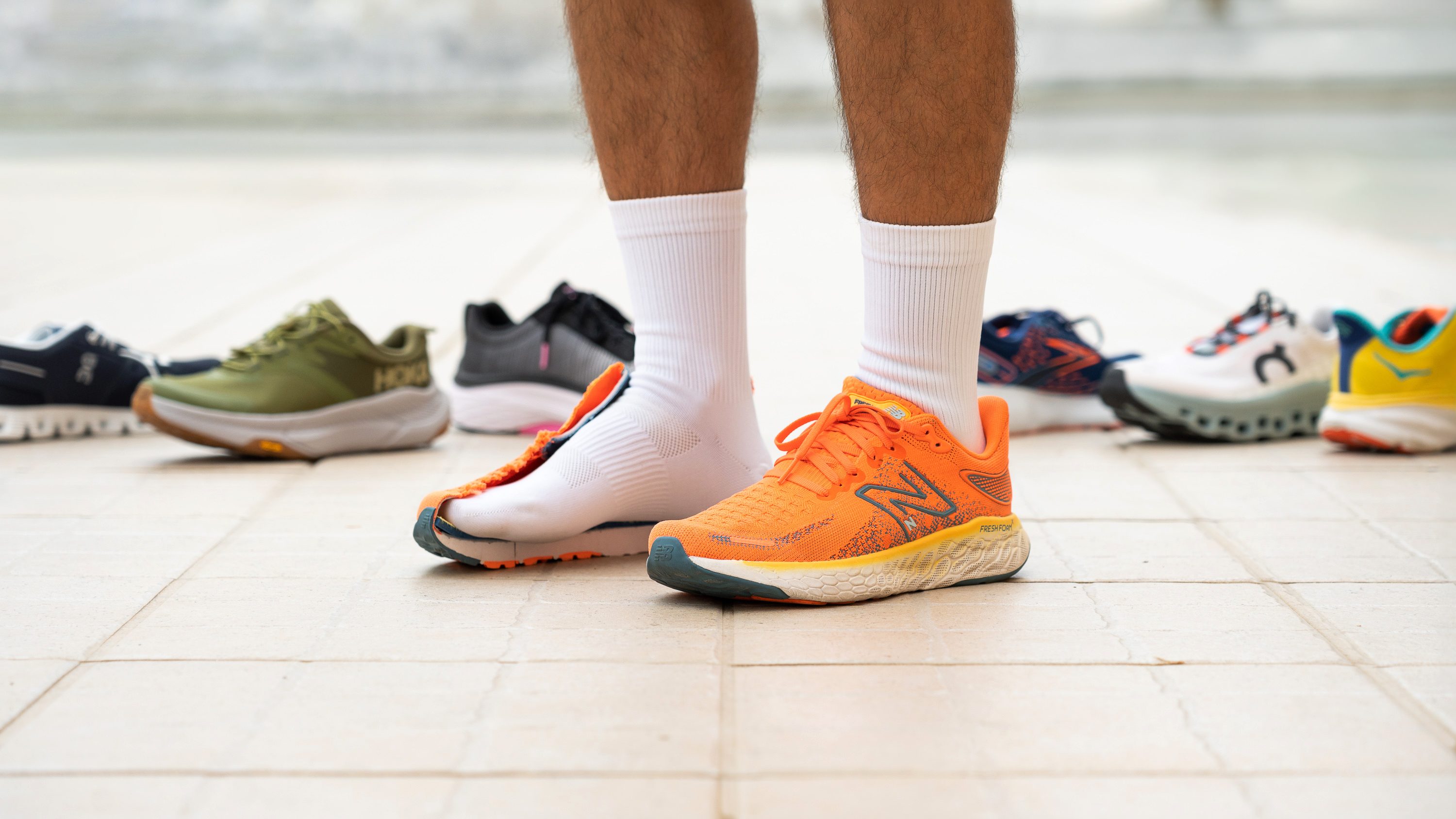
The perception that comfortable shoes are inherently unstylish is a dated construct, thoroughly dismantled by recent fashion history. Recall the rise of the “athleisure” trend, which found its seminal moment when high-fashion runways embraced sneakers. This was not a mere coincidence but a cultural shift. As designer Virgil Abloh once articulated in an interview with GQ, “The new luxury is defined by utility and access. It’s about intelligent design that serves the wearer.” This statement encapsulates the modern ethos. The once-clunky running or walking shoe has been reimagined. We now see sleek, minimalist designs from brands like Cole Haan and Allbirds, which integrate merino wool or sustainable materials with proprietary cushioning foams. The technical innovation behind a premium walking shoe—such as Adidas’s Boost or Brooks’s DNA LOFT cushioning—is now packaged in silhouettes that complement chinos, dresses, and tailored trousers. The evidence is in the market data: according to industry analyses from NPD Group, sales of performance-inspired lifestyle footwear have consistently grown, even as formal shoe categories have stagnated. Comfort is no longer hiding; it is the centerpiece, celebrated for its intelligent design and aesthetic versatility.
The Wardrobe Chameleon: One Shoe, Multiple Universes
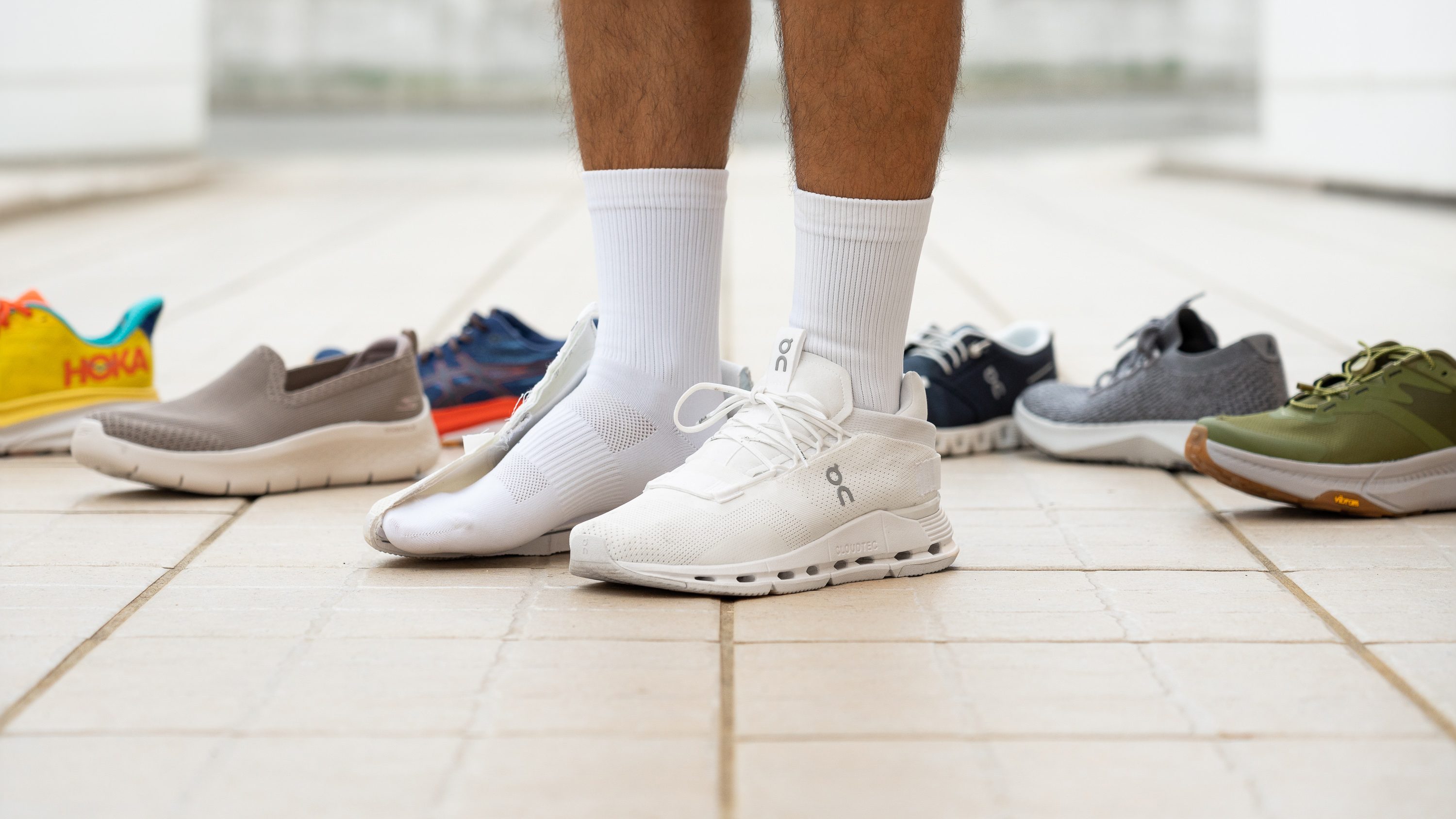
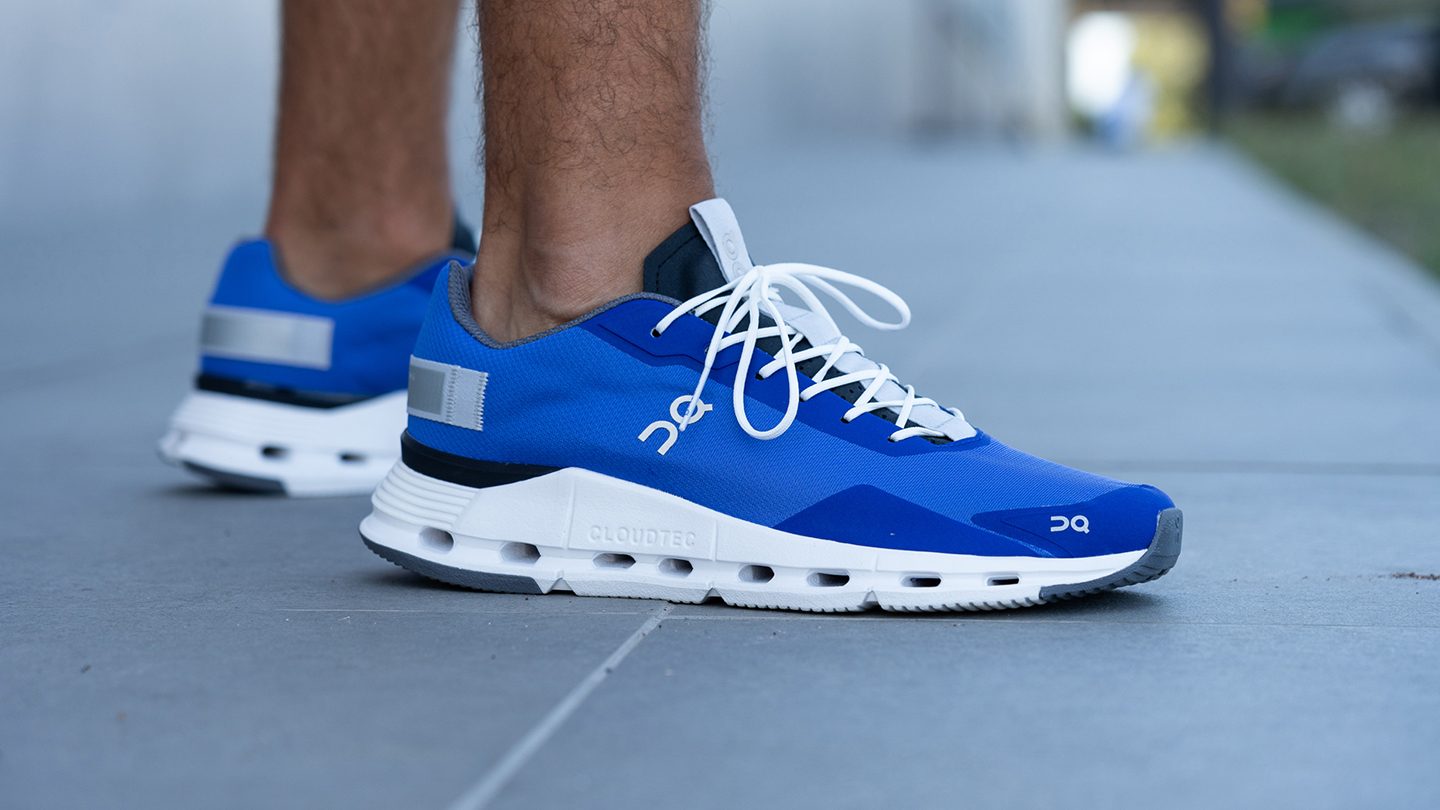
The true test of a style-meets-comfort item is its adaptability. The ideal modern walking shoe functions as a wardrobe chameleon. Let’s envision a day: It begins with a morning school run or a commute. You’re paired with dark, tailored joggers and a structured overshirt. Here, a monochromatic sneaker with clean lines (think a grey or black pair from brands like APL or On Running) provides a cohesive, polished look that can handle miles on pavement. Transition to a casual workplace or a lunch meeting. Swap the joggers for well-fitted, non-denim trousers or a midi skirt. The same shoe, due to its sophisticated color palette and lack of overt sporty branding, remains perfectly appropriate. Finally, an evening spent navigating a museum exhibit or a dinner at a gastropub. With a simple change of top—perhaps a silk blouse or a fine-gauge knit—the outfit is elevated, yet your feet have been in a state of consistent comfort all day. This versatility is economic and sustainable. It champions a “less but better” philosophy, reducing decision fatigue and closet clutter. As author and lifestyle consultant Marie Kondo posits in her best-selling book The Life-Changing Magic of Tidying Up, we should surround ourselves only with items that “spark joy.” A shoe that is both beautiful and kind to your body does exactly that, serving multiple contexts with effortless grace.
Material World: The Science of Touch and Breathability
Comfort is a multi-sensory experience. While cushioning and support address kinetic comfort, thermophysiological comfort—how your foot feels in terms of temperature and moisture—is dictated by materials. This is where textile science becomes crucial. Traditional leather, while durable, can be restrictive and less breathable. Modern footwear leverages advanced knits, such as engineered mesh or Primeknit, which offer targeted zones of stretch, support, and ventilation. A study from the Hong Kong Polytechnic University’s Institute of Textiles and Clothing highlighted the importance of moisture-wicking and quick-drying properties in footwear linings to maintain a healthy microclimate, reducing the risk of blisters and microbial growth. Furthermore, sustainable material innovation is pushing boundaries. Piñatex, made from pineapple leaf fibers, and Mylo, a leather alternative derived from mycelium (mushroom roots), are entering the mainstream, offering ethical, breathable, and stylish options. When you choose a walking shoe crafted from these intelligent materials, you’re not just selecting for feel; you’re investing in a product that considers the entire lifecycle of your foot’s environment, from the first step to the ten-thousandth.
Investment Versus Expense: The Long-Term Calculus of Quality
In an era of fast fashion, it’s tempting to see shoes as disposable commodities. This is a false economy. A cheaply made shoe often fails in two ways: it lacks the sophisticated engineering for long-term comfort, and its materials degrade rapidly, forcing a replacement cycle that costs more over time. Investing in a quality pair from reputable brands known for their research and development is a financially sound decision. Consider the cost-per-wear metric. A $150 pair of expertly engineered walking shoes worn 300 times a year costs 50 cents per wear. A $50 pair that causes discomfort and falls apart after four months not only costs more per wear but also incurs potential “pain costs”—expenses related to foot care or physiotherapy. Brands like New Balance, with their extensive width sizing, or Saucony, with their precise arch support systems, offer value through personalization and durability. Furthermore, the direct-to-consumer models of many modern brands (like Allbirds or Rothy’s) and periodic sales on platforms like Zappos or directly through brand outlets make this investment more accessible. Waiting for seasonal sales or subscribing to newsletters can secure premium technology at discounted prices, bringing professional-grade footwear within reach.
The Psychological Stride: How Comfort Empowers Presence
The impact of comfortable footwear extends beyond the physical into the psychological realm. There is a profound connection between how we feel in our bodies and how we present ourselves to the world. When you are distracted by pinching toes or aching arches, your energy is diverted inward. You are less engaged, less open, and your authentic style is stifled by discomfort. Conversely, when your feet are supported, you move with unconscious ease. This liberates mental bandwidth, allowing you to be fully present in conversations, to stand taller, and to project confidence. Social psychologists have long studied “enclothed cognition”—the systematic influence that clothes have on the wearer’s psychological processes. The right clothing, including shoes, can enhance abstract thinking and increase attentiveness. A reliable, comfortable shoe is the ultimate enabler of this state. It allows your personality, not your discomfort, to lead the way. As style icon and actress Sarah Jessica Parker famously noted in an interview, “I’ve never been able to subscribe to the idea that you have to suffer for fashion. Your energy and smile are your best accessories, and you can’t fake those if you’re in pain.“
The journey to a wardrobe where style seamlessly meets comfort begins with a single, intentional choice: prioritizing your foundation. It’s a recognition that the best-dressed individuals are those who move through their world with grace and assurance, supported by choices that honor their physical being. The perfect walking shoe is not an accessory to your outfit; it is the cornerstone upon which your daily style is built, enabling you to walk your path—literally and figuratively—with unparalleled confidence and ease.