

Step Into Style: The Ultimate Guide to Toe Walker Shoes
In the ever-evolving landscape of footwear, a niche yet profoundly impactful category has emerged, challenging our conventional understanding of gait and style. This is not merely about a trend; it’s about a functional reimagining of how we interface with the ground beneath us. For those who navigate the world on the balls of their feet, whether by habit, necessity, or physiological condition, the quest for the right shoe transcends fashion—it becomes a pursuit of comfort, support, and identity. This guide delves deep into the world of toe walker shoes, moving beyond superficial aesthetics to explore the biomechanical principles, design innovations, and stylistic possibilities they offer. We will dismantle myths, present scientific and cultural evidence, and provide you with the knowledge to make an empowered choice.
Decoding the Gait: What Does “Toe Walking” Truly Mean?
Toe walking, or equinus gait, is a pattern of walking where an individual places most or all of their weight on the forefoot and toes, with minimal or no contact between the heels and the ground. It is crucial to approach this topic with nuance. In early childhood, toe walking can be a common phase of motor development. However, persistent toe walking beyond the age of three may be idiopathic (of unknown cause) or associated with neurological conditions such as cerebral palsy, muscular dystrophy, or autism spectrum disorder, as noted in literature from institutions like Johns Hopkins Medicine. Conversely, in the realm of athletics and performance, toe walking or forefoot striking is a deliberate technique. Elite sprinters, ballet dancers, and rock climbers adopt this posture to maximize power, agility, and silent movement. Therefore, the need for specialized toe walker shoes spans a spectrum from therapeutic intervention to high-performance gear. The design must accommodate a permanently elevated heel position, provide exceptional forefoot cushioning and stability, and ensure the Achilles tendon and calf muscles are not under excessive strain. Understanding this duality is the first step in appreciating the engineering behind these shoes.
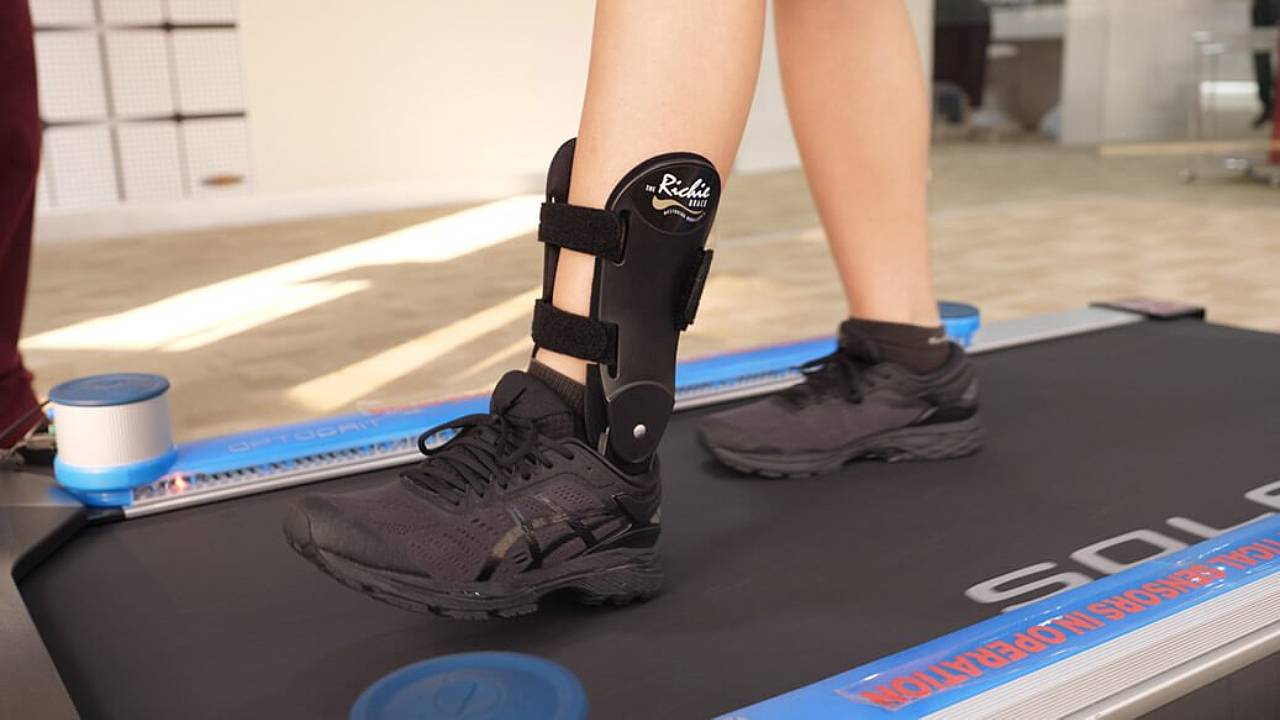
The Biomechanical Blueprint: Design Principles of Toe Walker Footwear
The architecture of a conventional shoe is predicated on a heel-to-toe rocking motion. For a dedicated toe walker shoe, this paradigm is inverted. The core design philosophy revolves around creating a stable platform that aligns with the user’s natural, elevated foot posture. Key elements include a Rocker Sole: This is not a standard curved sole. It is precisely engineered with a pivot point under the ball of the foot, facilitating a smooth roll-forward motion and reducing the energy required to initiate each step. The rocker angle must match the user’s specific degree of plantarflexion. Next is Forefoot Cushioning and Splay: The metatarsal heads bear the entire body’s weight. Advanced materials like proprietary gels, encapsulated air units, or responsive foams are deployed here to absorb shock and prevent stress fractures. Furthermore, a wide toe box allows the toes to splay naturally upon impact, enhancing balance and stability—a principle championed by the “barefoot shoe” movement and supported by podiatric research. Finally, Heel Construction: While the heel may not contact the ground, its design is critical. It must be lightweight yet structured to cradle the calcaneus (heel bone) in its elevated position, preventing lateral slippage and providing a counterforce for the forefoot. This trifecta of features transforms a shoe from a mere covering into a dynamic orthotic device.

From Clinic to Catwalk: The Versatility of Modern Toe Walker Shoes
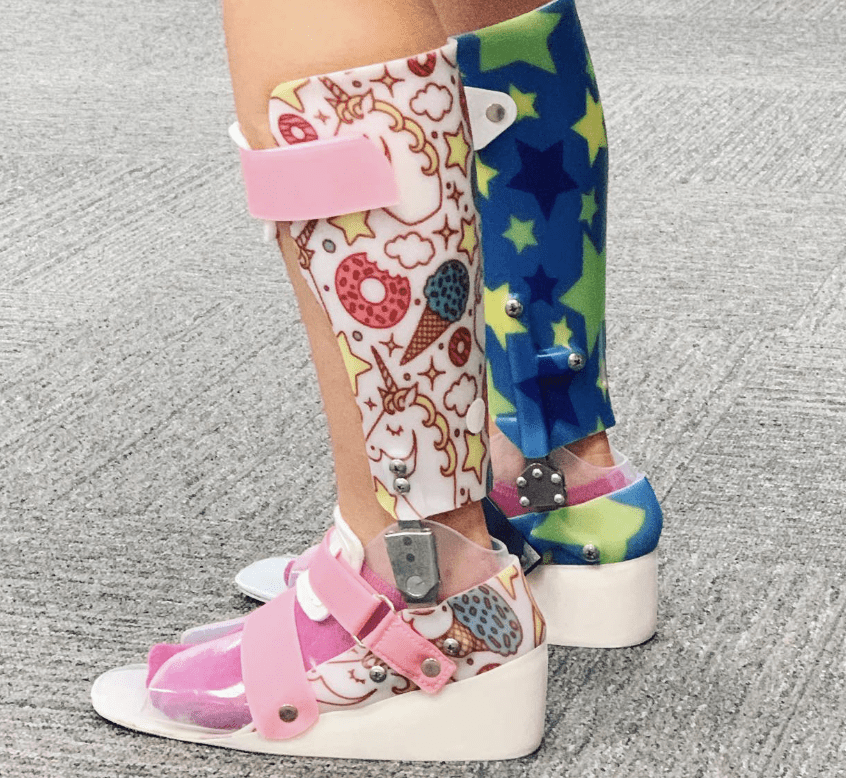
Gone are the days when functional footwear was synonymous with clunky, medical-grade designs. Today’s market for toe walker shoes is a testament to inclusive design, offering options that cater to diverse needs and aesthetics. On one end, we have therapeutic models, often developed in collaboration with podiatrists and orthotists. Brands like Surestep or Memo offer custom-molded ankle-foot orthoses (AFOs) that integrate seamlessly with specially designed shoes, providing the necessary dorsiflexion support. These are lifesavers for children with pathological toe walking, aiding in gait correction. On the opposite end, we find performance and lifestyle brands. Vibram’s FiveFingers, for instance, with their individual toe slots and ultra-thin, flexible soles, encourage a natural forefoot strike and are popular among minimalist runners and fitness enthusiasts. Similarly, certain lines from Altra Running feature a “FootShape” toe box and zero-drop platform (heel and forefoot are at the same height), which can be an excellent off-the-shelf option for mild idiopathic toe walkers seeking comfort. The most exciting development is the emergence of fashion-forward brands that embed these biomechanical principles into sleek sneakers, boots, and even formal wear. This democratization of design asserts that needing a specific type of support does not preclude one from expressing personal style.
Voices of Authority: What Experts and Communities Say
To ground our discussion in reality, it is essential to consider the perspectives of those who study, prescribe, and live with these shoes. On platforms like Quora and Reddit’s r/FootFunction, individuals share lived experiences, discussing how switching to zero-drop or forefoot-focused shoes alleviated chronic knee pain or improved their posture—anecdotal evidence that aligns with biomechanical theory. From the academic sphere, a study published in the Journal of Pediatric Orthopaedics often cited in university literature reviews, examines the long-term outcomes of various interventions for idiopathic toe walking, sometimes highlighting the role of appropriate footwear as part of a conservative management plan. Celebrity opinions also bring visibility. While not a medical endorsement, public figures like television host and author Megan Fox, who has spoken about her son’s journey with autism which can include toe walking, help normalize the conversation around adaptive equipment. As noted on platforms like YouTube, certified pediatric physical therapists frequently review and recommend specific toe walker shoes, breaking down their features for concerned parents. This confluence of community wisdom, scientific research, and public advocacy paints a comprehensive picture of the shoe’s role.

Making the Informed Choice: A Buyer’s Considerations
Selecting the right pair is a personal journey that hinges on several factors. First, Purpose: Are you seeking shoes for daily therapeutic use, for athletic performance, or for stylish everyday wear? This will narrow the field significantly. Second, Professional Assessment: If toe walking is persistent and unexplained, a consultation with a podiatrist, orthopedist, or physical therapist is non-negotiable. They can provide a diagnosis, measure your specific angle of gait, and recommend features like heel wedges or custom orthotics that may need to fit inside the shoe. Third, Fit and Feel: Prioritize brands that offer detailed sizing charts, including measurements for forefoot width and arch length. The shoe should feel secure around the midfoot and ankle without constricting the forefoot. There should be no pressure points on the dorsal surface (top) of the foot, which is often in closer contact with the shoe’s upper in a toe-walking posture. Finally, consider Material and Durability: Look for breathable uppers to manage moisture and robust outsoles with high-abrasion rubber in the forefoot area, as this will be the primary wear point. Remember, the most expensive shoe is not necessarily the best; it is the one that aligns perfectly with your unique biomechanical blueprint.
Beyond the Price Tag: Value, Investment, and Smart Shopping
Let’s address the practicalities. Specialized footwear often comes with a higher price point, reflecting the research, materials, and lower-volume production involved. A pair of therapeutic toe walker shoes or high-end performance models can range from $120 to over $300. However, view this as an investment in long-term musculoskeletal health, potentially offsetting future costs related to pain management or injury. To shop smartly, keep an eye on seasonal sales from major retailers, outlet sections of brand websites, and certified marketplaces on Amazon. Signing up for newsletters can grant access to first-time buyer discounts or exclusive promo codes. Some orthotic companies also work directly with insurance providers, so it’s worth investigating if part of the cost can be covered under a health plan for medically necessary footwear. The key is to not compromise on the core features for a lower price. A cheap shoe that exacerbates an issue is ultimately the most expensive purchase you can make. Prioritize brands with transparent return policies and good customer service, allowing you to test the fit and feel risk-free.
The journey to finding the perfect toe walker shoes is an intersection of science, self-awareness, and style. It requires moving past stigma and embracing the unique way one interacts with the world. Whether your stride is shaped by necessity, choice, or the pursuit of peak performance, the right footwear is not just an accessory—it is a foundation. It is the platform from which every step is launched, a tool that can correct, empower, and express. By understanding the principles outlined here, you are no longer just a consumer; you are an informed participant in shaping your own comfort and mobility. The path forward is clear, and it begins with a single, well-supported step.
