

Step Into Comfort and Style with Vionic Walking Shoes
For years, the pursuit of the perfect walking shoe felt like a compromise. You could have cushioning that felt like walking on clouds, but the shoe looked like a medical device. You could find a stylish sneaker, but after a few city blocks, your feet would ache, and your back would protest. This false choice between wellness and aesthetics has dominated the footwear industry, leaving active individuals feeling they must prioritize one over the other. But what if the narrative changed? What if the very foundation of a shoe was designed not just to carry you, but to actively support you, aligning your body from the ground up while complementing your personal style? This is not a futuristic concept; it is the present reality engineered into every pair of Vionic walking shoes. This article dismantles the old paradigm, presenting a new standard where biomechanical science and contemporary design are inseparable partners in your daily journey.
The Foundation: Biomechanics and the Science of Support
To appreciate the innovation behind a Vionic walking shoe, one must first understand the critical role of foot biomechanics. Biomechanics is the study of the structure and function of biological systems by means of the methods of mechanics. In podiatry and orthopedics, it specifically refers to the mechanics of human movement, analyzing how bones, muscles, ligaments, and tendons work together. A neutral gait, where the foot pronates (rolls inward) and supinates (rolls outward) within a healthy range, is essential for distributing impact forces. However, many people experience overpronation—an excessive inward roll—which can cascade into a chain reaction of misalignment affecting ankles, knees, hips, and the lower back. The American Podiatric Medical Association (APMA) has long emphasized that proper footwear is a first-line defense against such issues. Vionic’s approach is rooted in this scientific understanding. Their signature component is a biomechanical footbed, or orthotic, built into the shoe. This isn’t a simple cushioned insole; it’s a precisely contoured platform with a deep heel cup, arch support, and a forefoot groove that works to naturally reposition the foot. By encouraging a more neutral alignment from the moment of heel strike through toe-off, these shoes aim to reduce strain on the body’s kinetic chain. It’s a proactive approach to comfort, addressing the cause of discomfort rather than just masking it with soft materials.
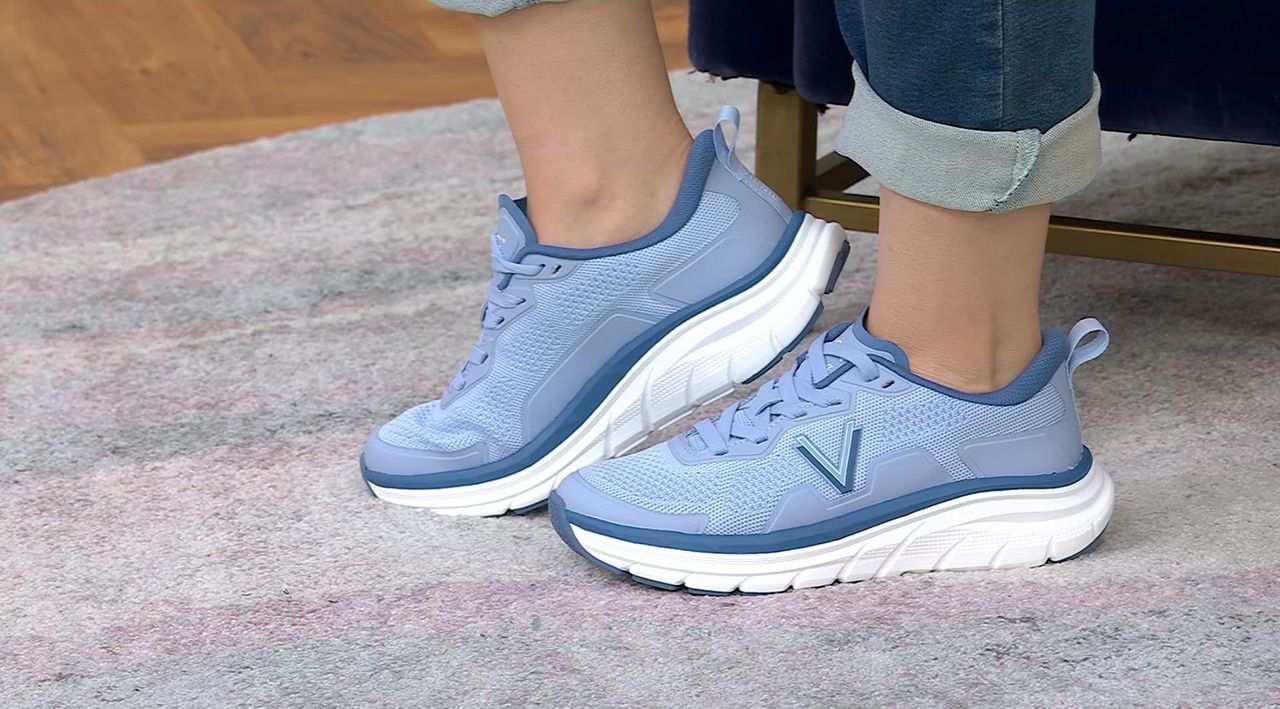
Debunking the Myth: Orthopedic Shoes vs. Modern Orthotic Footwear
A common misconception is that shoes offering real support must be bulky, unattractive, and obviously “orthopedic.” This stereotype stems from a bygone era of footwear where function brutally overruled form. Modern podiatric science, however, has evolved alongside material engineering and design trends. Brands like Vionic have been at the forefront of this evolution. The goal is not to create a “corrective device you wear on your foot,” but to engineer stylish shoes that have therapeutic benefits seamlessly integrated. As noted by Dr. Andrew Shapiro, a podiatrist featured in various health publications, “The advancement in materials allows us to build support into shoes that look like any other fashionable sneaker or loafer. Patients no longer have to choose between feeling good and looking good.” This is a pivotal shift. The Vionic walking shoe you see is not hiding its function; its function is inherent in its sleek silhouette. The arch support is sculpted into the midsole, the stabilizing features are part of the outer design language, and the premium materials are chosen for both durability and aesthetic appeal. This demystifies therapeutic footwear, making it accessible and desirable for anyone who spends time on their feet, from healthcare workers and teachers to travelers and casual walkers.
Anatomy of a Vionic Walker: Where Technology Meets the Pavement
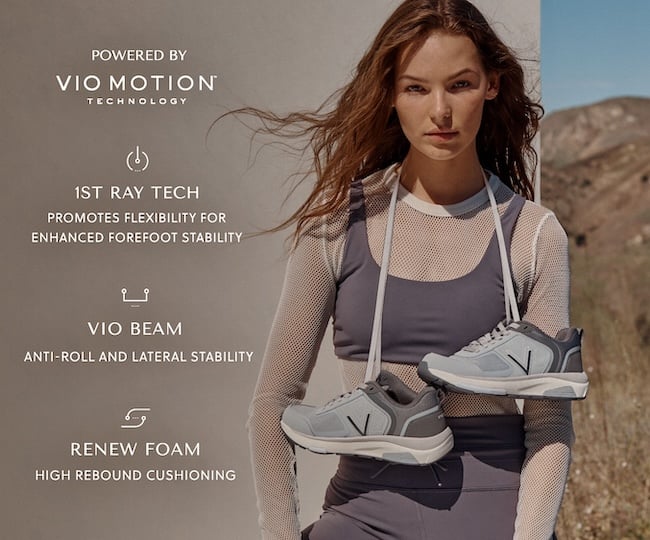
Let’s dissect the specific technologies that make these shoes exceptional. First, the aforementioned biomechanical footbed is the heart of the system. Often made from a firm yet comfortable EVA foam or proprietary polymer, it provides that essential proprioceptive feedback—telling your foot and body where they are in space to promote stability. Second, the midsole frequently incorporates lightweight, responsive cushioning materials like EVA or polyurethane. This layer is crucial for shock absorption, dissipating the impact force that travels up your legs with every step. Third, the outsole is designed for flexibility at the right points (like the forefoot for a natural toe-off) and durability in high-wear areas. Many models feature a rubber compound with strategic tread patterns for reliable traction on varied surfaces. Finally, the upper is where style truly shines. You’ll find breathable mesh for athletic models, premium leather for casual styles, and thoughtful design touches like seamless linings to prevent irritation. Every component is a cog in a machine designed for holistic comfort. As fitness expert and author Jillian Michaels has stated in discussions on gear, “The right equipment should work with your body, not against it. For daily walking, that means shoes with structured support to optimize your posture and efficiency.” This multi-layered approach ensures that a Vionic walking shoe is more than a sum of its parts; it’s a synergistic system for sustained comfort.
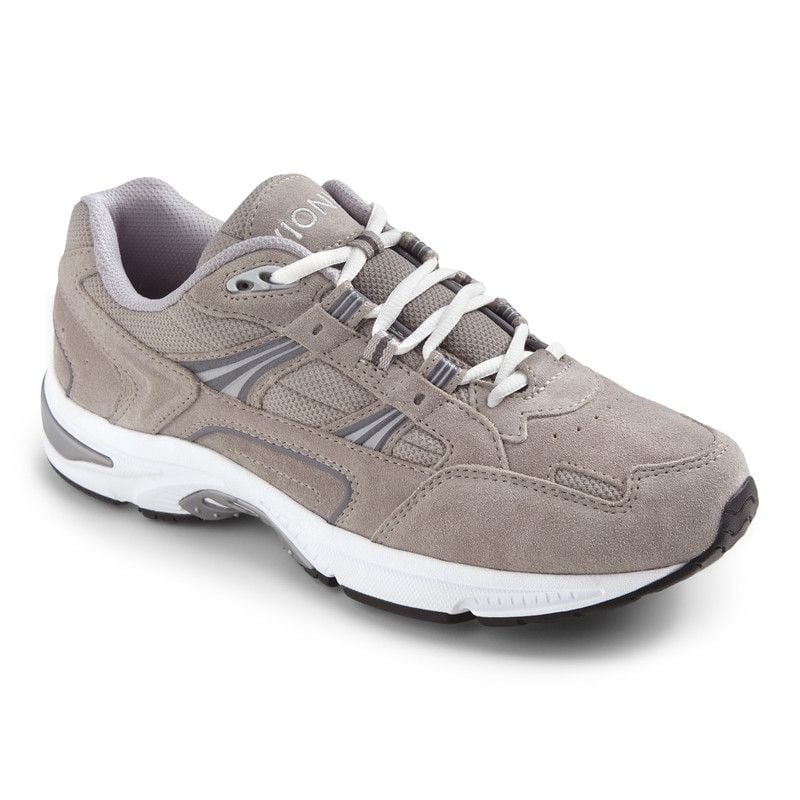
The Style Proposition: From Trail to Town Without a Second Thought
Gone are the days when supportive shoes came in two colors: white and beige. The contemporary lineup of Vionic walkers embraces a wide spectrum of aesthetics. You can find sleek, minimalist sneakers in monochromatic colors that pair effortlessly with athleisure wear or casual jeans. There are rugged, trail-inspired shoes with protective toe caps and aggressive treads for the weekend hiker who also runs errands. For a more polished look, there are leather walkers and loafers with hidden orthotic benefits, perfect for a professional setting or a day out where style is a priority. This versatility is key. It acknowledges that our lives are not segmented into “active” and “inactive” boxes; we move fluidly through different environments and social contexts. A shoe that can transition with you is invaluable. The design philosophy seems to echo a sentiment from fashion icon Iris Apfel: “Style is about self-expression and, above all, attitude.” The attitude here is one of confident well-being. You’re not wearing a “foot brace”; you’re wearing a consciously designed piece of footwear that expresses a care for your body’s long-term health without sacrificing an iota of personal style. This fusion empowers you to make healthier choices effortlessly, simply by choosing what to wear on your feet each morning.

Investing in Your Foundation: Value Beyond the Price Tag
It’s true that Vionic walking shoes often carry a higher initial price point than mass-market athletic shoes. This is where the concept of value must be examined through a long-term lens. Consider the cost of neglecting foot health: custom orthotics alone can cost hundreds of dollars, not to mention potential physical therapy, chiropractic care, or other interventions for pain stemming from poor alignment. A well-made, biomechanically sound shoe is a preventive investment. Furthermore, the construction quality of these shoes is typically superior. Durable materials, reinforced stitching, and robust outsoles mean a longer lifespan, reducing the frequency of replacement. The real value proposition lies in the return on investment for your daily quality of life. Can you put a price on walking through a museum, exploring a new city, or simply completing your workday without foot fatigue or pain? For many, the answer is a resounding no. Recognizing this, retailers often offer these shoes at discounted prices during seasonal sales, promotional events, or through loyalty programs, making this investment in wellness more accessible. It’s a shift from viewing footwear as a disposable fashion item to seeing it as essential, long-lasting gear for the body.
A Community of Confidence: Voices from the Path
The impact of functional, stylish footwear is best told through experience. Across platforms like YouTube, dedicated review channels for “comfort shoes” or “arthritis-friendly footwear” frequently feature Vionic walkers, with creators demonstrating the fit and sharing their personal journeys from pain to relief. On Twitter and health forums, users share unsolicited testimonials. One teacher posted, “After 20 years in the classroom, my Vionics are the only thing that gets me through parent-teacher conferences on my feet.” Another user, an avid traveler, commented, “Walked 15 miles a day in Rome in my Vionic sneakers. My feet were tired, but they never hurt. A miracle.” These anecdotal accounts, while not clinical studies, form a powerful collective narrative. They highlight a crucial point: effective design resonates on a personal level. It solves a real-world problem for real people with active, diverse lives. When a registered nurse, a retail manager, and a grandparent touring with their family all reach for the same brand of shoe, it speaks to a universally understood need met by a thoughtfully executed solution. This community feedback reinforces the idea that you are not just buying a shoe; you are joining a multitude who have decided that comfort and style are non-negotiable partners in their daily stride.
The journey toward finding footwear that truly supports both your body and your lifestyle ends not with a compromise, but with a revelation. The dichotomy between comfort and style is an antiquated notion, skillfully dismantled by brands that respect the intelligence of the human body and the desire for aesthetic expression. Vionic walking shoes stand as a testament to this progress, embodying a philosophy where every step is an opportunity for alignment, relief, and confidence. They represent a conscious choice to invest in your foundational well-being without retreating from the world of modern design. So, as you consider your next pair of shoes, look beyond mere appearance or simple cushioning. Seek the engineered harmony of biomechanics and style. Your feet—and your future self—will recognize the difference with every supported, stylish step you take.
