

Step Into Comfort and Style with Vionic Walking Shoes
For too long, the world of footwear has presented a false dichotomy: shoes that are good for you often lack aesthetic appeal, while stylish options can leave your feet aching by day’s end. This compromise is not just an inconvenience; it’s a disservice to our foundational well-being. Our feet, comprising 26 bones, 33 joints, and over 100 muscles, tendons, and ligaments, form a complex biomechanical marvel that supports our entire body. Compromising their support for fashion, or vice versa, can have cascading effects on our posture, joints, and overall health. The pursuit of a shoe that seamlessly marries orthopedic science with contemporary design is not merely a consumer desire—it is a physiological necessity. This is where the narrative of the vionic walking shoe begins, not as a simple product, but as a synthesis of podiatric insight and design intelligence, engineered to dissolve the boundary between wellness and style.
The Foundation: Biomechanics and the Science of Support
To appreciate the innovation behind a dedicated walking shoe, one must first understand the biomechanics of the human gait. Walking is a repeated cycle of heel strike, foot flat, mid-stance, heel-off, and toe-off. Each phase places unique stresses on the structures of the foot and the kinetic chain above it, including the ankles, knees, hips, and lower back. A neutral foot efficiently absorbs and redistributes these forces. However, many individuals experience overpronation (excessive inward rolling) or supination (outward rolling), which can lead to imbalances and injuries. According to research from institutions like the University of Pittsburgh School of Medicine’s Department of Orthopedic Surgery, improper foot alignment is a contributing factor in conditions such as plantar fasciitis, shin splints, and patellofemoral pain syndrome. The core mission of the vionic walking shoe is to address this at its root. It incorporates a proprietary, biomechanically engineered footbed, often featuring a deep heel cup, a strategic arch support, and a metatarsal ridge. This triad works in concert to stabilize the heel, align the arch, and encourage a natural toe-off, promoting a more efficient and less stressful gait cycle from the ground up.

Beyond the Insole: Holistic Engineering for All-Day Comfort
While the orthotic footbed is the heart of the system, a true walking shoe must consider the entire ecosystem of the foot. Cushioning is not merely about softness; it’s about targeted shock absorption. Materials like EVA (ethylene-vinyl acetate) midsoles are calibrated for resilience, dampening the impact of each heel strike without bottoming out. The flexibility of the forefoot is equally critical, allowing for the natural bending of the foot during push-off without causing strain. Durability in the outsole ensures consistent traction and support over miles of use. The vionic walking shoe exemplifies this holistic approach. Its construction is a layered defense against discomfort: a supportive upper that cradles without constriction, a midsole that absorbs shock, and a durable rubber outsole that provides stability. This is not anecdotal; it’s a principle echoed by podiatrists worldwide. As Dr. Andrew Shapiro, a spokesperson for the American Podiatric Medical Association (APMA), has noted, “Shoes that offer structural support can help mitigate common foot ailments and improve overall musculoskeletal health.” The APMA has awarded its Seal of Acceptance to specific Vionic styles, a certification based on rigorous review by a committee of podiatrists, validating the scientific merit behind their design.
The Style Paradigm: Ergonomic Design Meets Modern Aesthetics
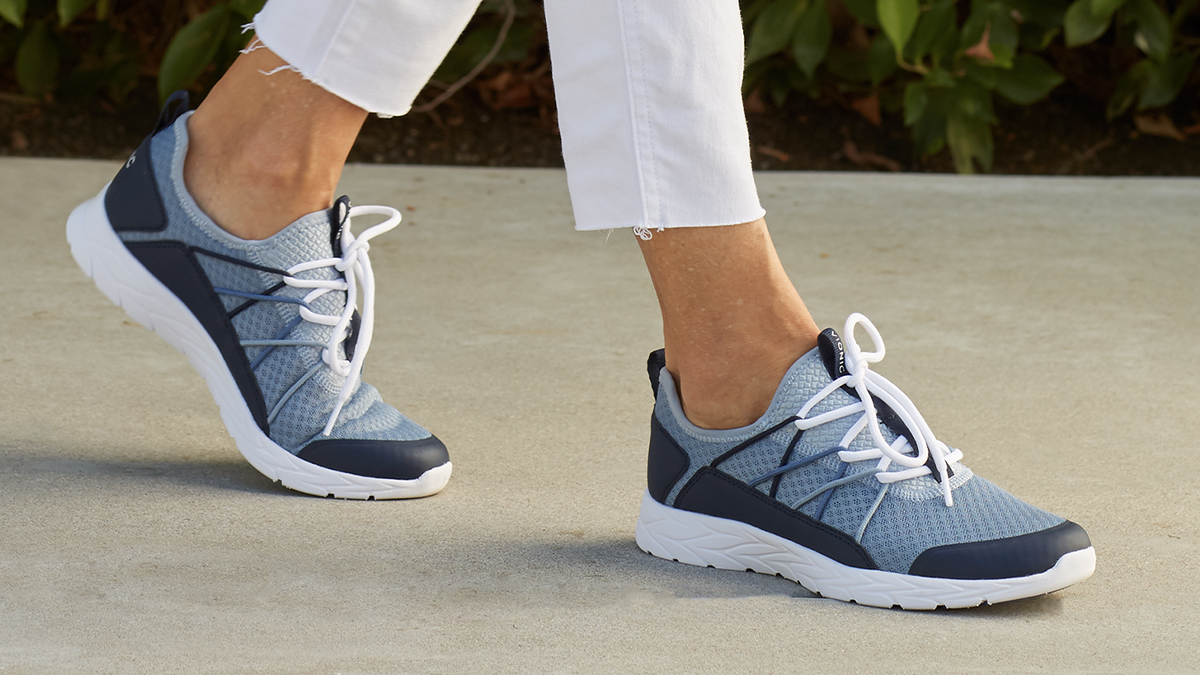
The historical stigma of “orthopedic shoes” being clunky and unfashionable is a relic of the past. Modern design philosophy, influenced by movements like ergonomic industrial design and the minimalist ethos, proves that form can follow function without sacrificing beauty. Brands like Vionic have leveraged this, understanding that consumers no longer wish to choose. A walking shoe can feature sleek silhouettes, contemporary color palettes—from versatile neutrals to bold accents—and textures that align with current fashion trends. The vionic walking shoe collection demonstrates this fusion, offering options that transition effortlessly from a morning walk to casual daytime activities without screaming “medical device.” This alignment with style is crucial for adherence; the most therapeutic shoe in the world is ineffective if it sits in the closet. By creating styles that people are eager to wear, the functional benefits are integrated seamlessly into daily life. This philosophy resonates with public figures who prioritize both performance and appearance. Celebrity fitness trainers and style icons on platforms like YouTube and Instagram have been spotted endorsing such footwear, often highlighting how supportive shoes are the invisible foundation of a confident, active lifestyle.

A Personal Journey: From Discomfort to Discovery
Let us shift to a first-person perspective to ground this science in lived experience. For years, I accepted afternoon foot fatigue as a normal tax for being on my feet. My search for relief led me through a maze of insoles and “comfort” brands that offered temporary cushioning but no real solution. The turning point was a pair of vionic walking shoes. The difference was not instantaneous softness, but rather a feeling of alignment. It was as if my foot, which had been slouching, was suddenly standing at attention. The arch support felt firm yet natural, the heel cup held my foot securely, and the metatarsal pad alleviated a pressure I hadn’t even identified. Over weeks, the chronic tightness in my calves began to ease, and my posture felt subtly improved. This personal testament mirrors countless reviews on consumer platforms and Q&A sites like Quora, where users detail their journeys with plantar fasciitis or general discomfort and cite targeted arch support as the pivotal factor in their recovery. The shoe becomes not just an accessory, but a tool for reclaiming mobility and joy in movement.
Investing in Your Foundation: Value Beyond the Price Tag
Discussing footwear inevitably leads to cost. It is true that shoes built with biomechanical technology and quality materials often command a higher initial price point than fast-fashion alternatives. However, this is a classic case of cost versus value. A cheap shoe is an expense; a well-engineered walking shoe is an investment in your long-term physical capital. Consider the potential costs of neglecting foot health: medical bills for treatment of chronic pain, lost productivity, and the intangible cost of limited activity. When viewed through this lens, the price of a premium walking shoe is justified. Furthermore, the market accommodates savvy shoppers. Authorized retailers frequently offer seasonal sales, bundle discounts, and promotional codes, making this investment more accessible. The key is to recognize that you are not paying for a logo, but for research, development, and materials engineered to support the intricate architecture of your body. As the ancient philosopher Socrates is often paraphrased, “To no one will we sell a false or deficient product.” In the modern context, this translates to transparency about the technology and value offered, empowering you to make an informed decision for your well-being.
Expert Voices and Cultural Context
The importance of proper footwear transcends individual experience and is echoed in broader cultural and expert discourse. In literature and film, the symbolism of a journey often begins with a single step, implicitly acknowledging the importance of what carries us. More concretely, authoritative voices consistently advocate for intelligent footwear choices. For instance, the Harvard Medical School publications on healthy living stress the role of supportive shoes in preventing falls and maintaining mobility as we age. On social media platforms like Twitter, certified podiatrists and physical therapists regularly debunk myths about “barefoot-style” shoes for the average person, advocating instead for structured support for daily wear. A representative quote from such an expert might be styled distinctly to highlight its authority:
“The foot is the base of our kinetic chain. Providing it with stable, supportive footwear is the single most effective thing most people can do to reduce wear and tear on their joints and prevent common overuse injuries.”
This convergence of medical authority, cultural wisdom, and user experience forms a compelling, multi-faceted argument for prioritizing footwear that cares for you as much as you care for where you’re going.
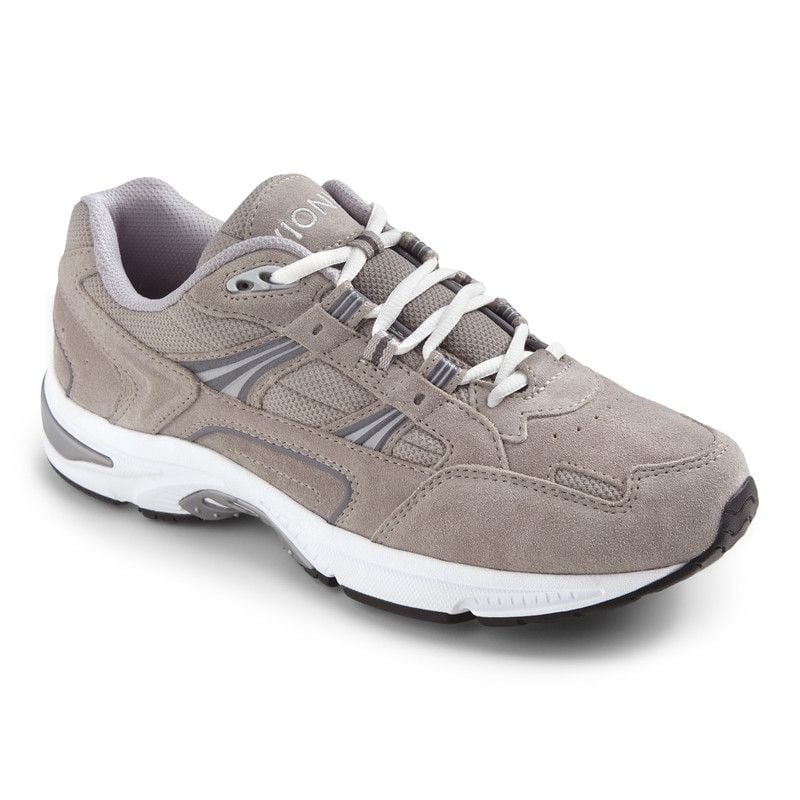
The journey toward comfort and style is not a destination but a continuous path, and it starts from the ground up. The false choice between looking good and feeling good is an outdated concept, dismantled by innovations that respect the complexity of the human body and the human desire for aesthetic expression. The vionic walking shoe stands as a testament to this possibility—a product category where podiatric science and design elegance are not competing interests but collaborative forces. It represents a conscious step away from enduring discomfort and toward embracing a foundation of support that empowers every other step you take. By choosing footwear that aligns with both your physiological needs and your personal style, you are not just buying a shoe; you are investing in the very platform of your daily life, ensuring that each step is taken in confidence, comfort, and undeniable style.
