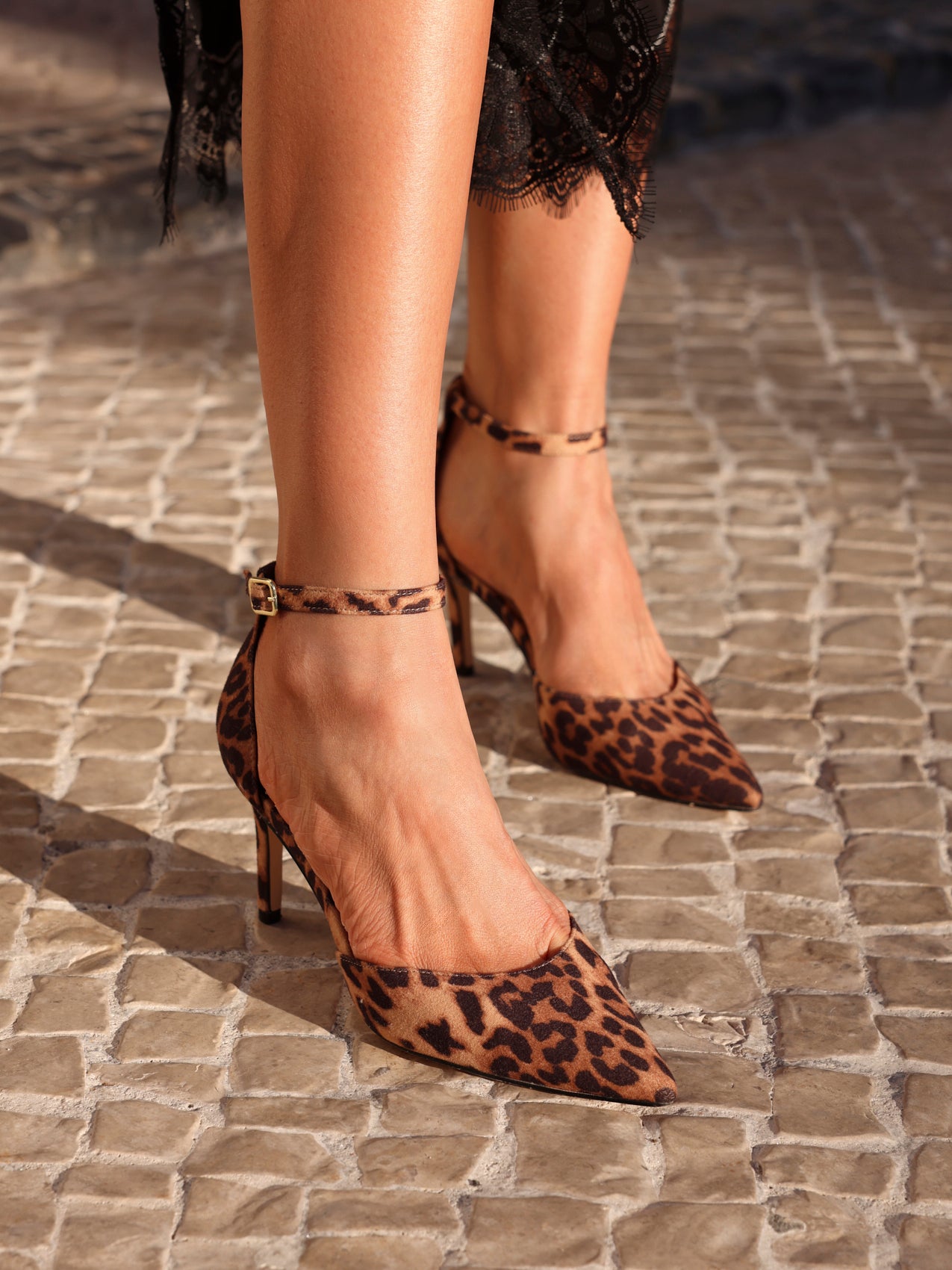
How to Style These Wild Statement Shoes
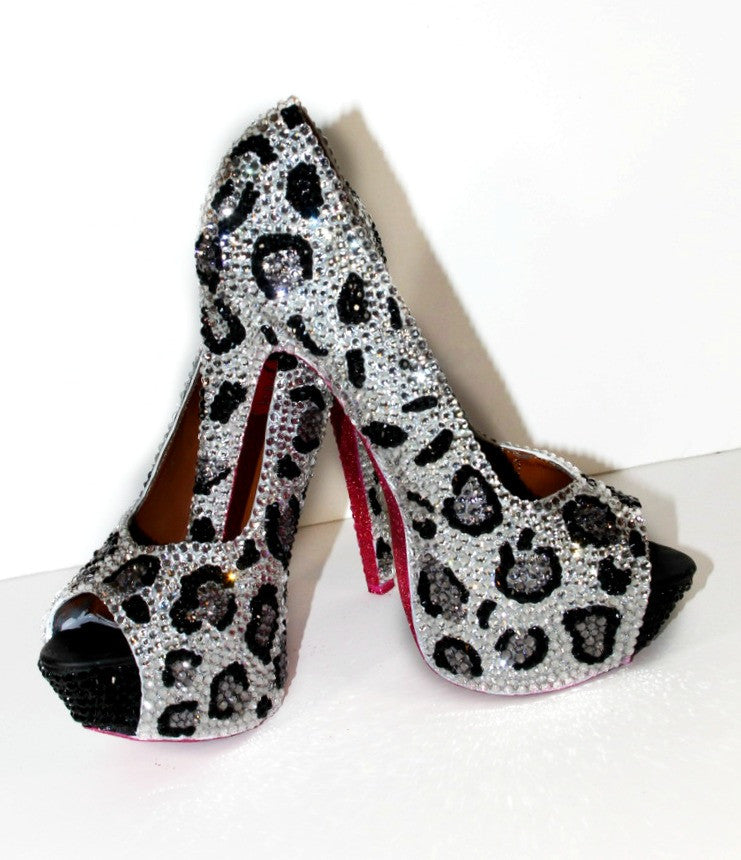
Let’s be clear from the start: a pair of wild statement shoes is not an accessory; it is the protagonist. It’s the exclamation point at the end of your sartorial sentence, the bold signature on a blank page. For too long, these pieces have been relegated to the “daring only” category, whispered about but rarely worn with conviction. That ends now. This is not about timidly integrating a trend; it’s about harnessing a powerful tool of personal expression. Whether it’s a pair of sculptural architectural heels, neon-lit platforms, or the quintessential cheetah print heels, the goal is to move from “Can I wear these?” to “How will I command the room in these?” We’re dismantling the fear, replacing it with strategy, and proving that the wildest shoes in your closet can become the most reliable foundation for unforgettable style.
The Psychology of the Statement: Why We Fear and Crave the Bold
Before we dive into the “how,” we must understand the “why.” The visceral reaction to a truly wild shoe—be it shock, admiration, or desire—is rooted in psychology and social signaling. Dr. Carolyn Mair, a behavioral psychologist and author of The Psychology of Fashion, notes that clothing and footwear are a form of non-verbal communication, a complex language that conveys identity, status, and mood. A statement shoe, therefore, is a high-volume declaration. It breaks the monotony of social uniform and demands attention, which can trigger both excitement and anxiety in the wearer. This duality is perfectly encapsulated in the cultural history of animal prints. Once a symbol of royalty and untamed power in ancient civilizations, leopard and cheetah prints were popularized in the West by mid-20th century icons like Christian Dior and the daring style of Josephine Baker. They represented a rebellious, sophisticated sexuality. A modern pair of cheetah print heels carries this legacy—it’s an imprint of audacity. As fashion historian Dr. Valerie Steele has stated in interviews for The Museum at FIT, “Fashion is about the relationship between the individual and society.” Choosing such a shoe is an active negotiation in that relationship, a conscious decision to stand apart. The initial fear is simply the anticipation of that shift in dynamic; the craving is for the confidence and identity that shift affirms.
Foundation First: The Art of the Neutral Canvas
The single most effective strategy for styling extravagant footwear is mastering the neutral canvas. This is not a call to blandness, but a principle of visual balance rooted in classic art and design theory. Just as a gallery paints its walls white to make the artwork pop, your outfit can provide a calm, structured backdrop to let your shoes shine. This approach is championed by stylists from Hollywood to street-style blogs. Think of a monochromatic ensemble: a tailored, head-to-toe look in black, white, beige, navy, or grey. The power here lies in silhouette and texture. A sleek black turtleneck, high-waisted black trousers with a perfect crease, and a structured black blazer create a long, lean line. When you add a pair of wildly detailed shoes—say, metallic boots with gargantuan buckles—they become the undeniable focal point. The same logic applies to a simple denim-and-white-tee combination. The ubiquitous, democratic nature of denim provides a perfect casual counterpoint to ornate footwear, making the look feel effortless rather than overdone. The key is intentional simplicity in the clothing. Avoid competing patterns, excessive layering, or other standout accessories. Let the shoes be the soloist. This method is foolproof because it relies on contrast, a fundamental element of design that ensures clarity and impact, allowing even the most avant-garde pair to feel integrated and purposeful.
Pattern Play: Clashing with Confidence
For the style-initiated ready to graduate from the neutral canvas, the next frontier is intentional pattern clashing. This is high-risk, high-reward territory, governed not by chaos but by a few strategic rules. The goal is harmonious discord. One effective method is to vary the scale of your patterns. Pair your statement shoes with a pattern that is significantly larger or smaller. For instance, a pair of intricate, small-scale floral embroidered mules could work surprisingly well with a wide-striped blazer, as the stark difference in pattern size prevents visual muddiness. Another authoritative tactic is the tonal clash. This involves keeping all patterns within the same color family. Imagine an outfit built around shades of crimson and cream: a cream blouse with a subtle, small polka dot, a rust-colored skirt with a mid-scale geometric print, and finally, your fiery, abstract-patterned heels. The unified color palette ties the disparate patterns together. This technique finds validation in the work of iconic designers like Emilio Pucci or Missoni, who built legacies on masterful, kaleidoscopic pattern mixing. It’s also seen on platforms like Quora, where fashion theorists discuss the “rule of three” for patterns—limiting yourself to three patterns maximum and ensuring one is a neutral solid to ground the look. When done correctly, pattern play doesn’t distract from your cheetah print heels; it creates an ecosystem where they belong, transforming an outfit into a moving work of art.

Accessorizing the Statement: The Supporting Cast
Once your outfit and shoes are in dialogue, the role of accessories becomes critically nuanced. They are the supporting cast, and their job is to elevate the star, not upstage it. The golden rule is to choose one other focal point, and let everything else recede. If your shoes are intensely colorful and patterned, select one accessory in a complementary or matching hue. A single bold cuff bracelet, a sleek clutch in the same vibrant yellow as a detail on your shoe, or even a vivid lipstick can create a powerful, cohesive link. This principle of selective highlighting is a staple in the styling kits of celebrities on red carpets, where every detail is scrutinized. Conversely, if your shoes are architectural or sculptural in shape—think stark black geometric heels—you might complement them with minimalist, metallic jewelry that echoes their clean lines. The wisdom from authoritative sources like Vogue’s style guides often emphasizes “edited” accessorizing. As the legendary editor Diana Vreeland once proclaimed, “The eye has to travel.” That journey should have a clear path, not be interrupted by competing baubles. Even your bag choice matters; a simple, structured shape often works best. The aim is to build a narrative around your statement shoes, where every element, from earrings to eyewear, serves the central theme of bold, confident expression.
Context is King: From Boardroom to Bar
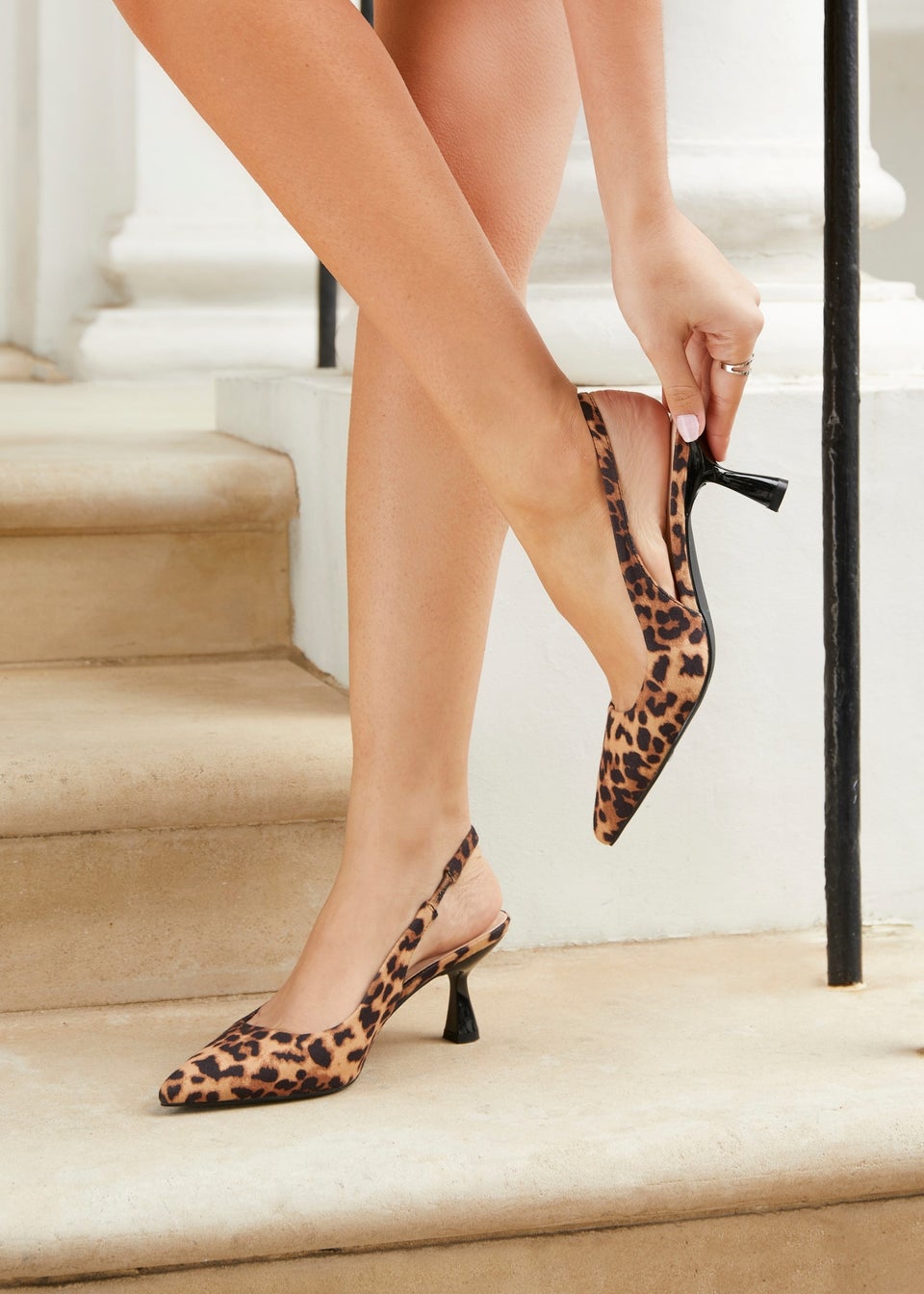
The true test of styling mastery is adaptability across contexts. A wild shoe should not be a prisoner to one type of event. The secret lies in modulating the formality and intensity of the surrounding outfit. Let’s take the classic cheetah print heels. For a creative boardroom or a client meeting, anchor them with severe, tailored pieces. A sharp, single-breasted blazer in charcoal grey, a crisp white button-down, and straight-leg trousers instantly confer authority. The animal print becomes a whisper of creative risk-taking and personal power within a framework of professionalism—a tactic often employed by influential figures in tech and media to signal innovative thinking. For a weekend brunch or casual day out, the same shoes soften when paired with classic blue denim and a simple black sweater. The juxtaposition is chic and approachable. Transitioning to evening, swap the denim for a sleek, little black dress. The dress’s simplicity allows the shoes to transform the entire look from classic to captivating. This contextual chameleon effect is why statement shoes are a smart investment. They are not a single-use item but a versatile tool, their meaning and impact shifting seamlessly based on their sartorial partners. It demonstrates an understanding of fashion as a language with different dialects, all spoken fluently through one powerful pair of shoes.
Investment and Intelligence: The Professional and Practical Lens
Embracing statement shoes is also an exercise in intelligent consumption. From a professional standpoint, these pieces often come from designers who prioritize innovative construction and materials. Understanding this can justify the investment. A shoe with a wild design is frequently a showcase for a brand’s technical prowess—unique lasts, advanced material blends, or hand-applied details. Resources like the Business of Fashion or analyses from fashion business programs at universities like FIT or Parsons often highlight how “statement pieces” drive brand identity and perceived value. On a practical level, the key to longevity is care. Using protective sprays for materials, proper storage with shoe trees to maintain shape, and timely resoling by a skilled cobbler can extend the life of your investment for years. Furthermore, the modern market offers incredible access. While designer originals hold their allure, many contemporary brands and retailers offer high-quality, trend-forward interpretations at accessible price points. The savvy shopper knows to hunt for seasonal sales or explore direct-to-consumer brands that offer premium design without the traditional retail markup. This blend of professional insight and practical savvy means building a collection of wild shoes is not an act of frivolity, but a curated approach to personal style that values design, durability, and smart economics. A stunning pair of cheetah print heels can be a cornerstone of that collection, offering endless stylistic returns.
So, step out. Let those shoes that whispered from the back of your closet now speak with full voice. They are not a costume for a braver alter ego; they are an extension of the confidence you choose to embody today. Style them with the deliberate calm of a neutral canvas, the educated daring of pattern play, or the contextual intelligence that moves from day to night. This is how wild shoes cease to be mere objects and become instruments of self-definition. The room is waiting. What will your shoes say?