

Your Ultimate Guide to Stylish and Comfortable Everyday Footwear
Let’s be honest: for years, the world of comfortable shoes felt like a compromise. On one side, you had the sleek, fashionable options that left your feet aching by midday. On the other, you had the purely functional, often clunky shoes that prioritized support over style. That binary choice is now obsolete. Today, the pinnacle of everyday footwear is the modern walking shoe—a category that masterfully blends biomechanical engineering with contemporary design. This isn’t about choosing between looking good and feeling good; it’s about demanding both. The right pair of shoes is the foundation of your daily comfort, impacting your posture, energy, and even your confidence. We’re moving beyond mere “understanding” of comfort; we’re embracing a philosophy where your footwear actively contributes to your well-being from the moment you step out the door.
The Anatomy of All-Day Comfort: It’s More Than Just Cushioning
When you slip on a shoe, you’re engaging with a complex system designed to manage the forces of gravity and motion. The hallmark of a superior walking shoe lies in its nuanced approach to these forces. Let’s dissect the key components scientifically. First, the midsole: this is the engine of comfort. Materials like EVA (Ethylene-Vinyl Acetate) foam or advanced compounds like Brooks’ DNA LOFT or HOKA’s Profly+ are engineered not just for softness, but for a balance of cushioning and responsive rebound. As noted in biomechanics literature from institutions like the University of Calgary’s Human Performance Lab, the ideal midsole attenuates shock upon heel strike but also provides a stable platform to propel you forward efficiently, reducing muscular fatigue. Next is the heel counter—the firm cup that cradles your heel. A study cited in the Journal of Orthopaedic & Sports Physical Therapy emphasizes its critical role in controlling excessive rearfoot motion, which is a common contributor to lower limb pain. A secure heel counter ensures your foot is aligned, not swimming inside the shoe. Finally, consider the toe box. The American Podiatric Medical Association advocates for adequate width and depth to allow toes to splay naturally during the gait cycle, preventing issues like bunions and neuromas. A true walking shoe integrates these elements seamlessly, creating a symbiotic relationship between foot and footwear.
Style is Not an Afterthought: The Rise of Aesthetic-First Performance
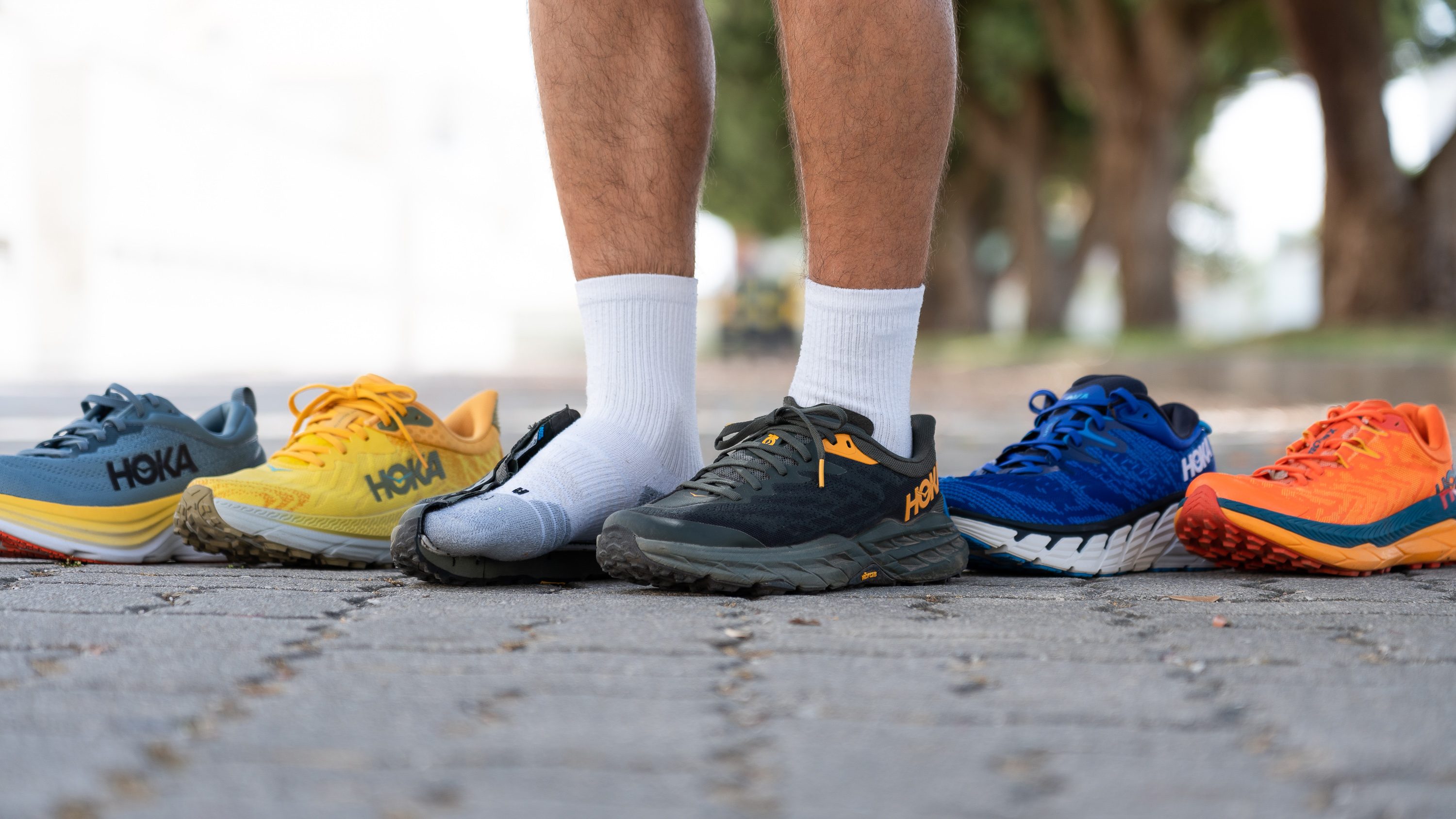
Gone are the days when “comfortable” meant “unfashionable.” The most significant shift in the footwear industry has been the dissolution of this boundary. Leading brands now employ designers who work hand-in-hand with engineers. The result? Shoes that perform on a technical level but are conceived with a fashion-forward palette. Consider the evolution of brands like Cole Haan, which infused Grand.ØS technology into classic derby silhouettes, or the way On Running’s CloudTec soles became a distinctive visual signature. This trend is validated by market analysts and cultural commentators alike. As designer Tinker Hatfield, the mind behind iconic Air Jordans, famously stated in an interview with Fast Company: “Performance and style are not mutually exclusive; in fact, the best performance often leads to a new kind of beauty.” You see this philosophy in the sleek, monochromatic designs of many modern walking shoes, the use of premium materials like knitted uppers and suede overlays, and colorways that complement everyday attire, from business casual to weekend wear. Choosing a stylish walking shoe is a statement that you value intelligent design in all aspects of your life.
:max_bytes(150000):strip_icc()/vwt-asics-womens-gel-pulse-16-jinfeng-chen-21-712f0f140e834b84b3a8dcf0bf154771.jpeg)
Your Foot’s Unique Blueprint: Why One Size Does Not Fit All
Perhaps the most critical, yet most overlooked, aspect of selecting footwear is acknowledging the individuality of your feet. Your arch type (high, neutral, or low), your gait pattern (whether you pronate, supinate, or have a neutral stride), and even the width of your forefoot are as unique as your fingerprint. Investing in a generic shoe is a gamble with your comfort. This is where professional knowledge becomes non-negotiable. Many specialty running and walking stores offer gait analysis, often using pressure plates or slow-motion video. This isn’t a sales gimmick; it’s applied biomechanics. The data gathered can pinpoint exactly what kind of support and stability features your ideal walking shoe requires. For instance, someone with overpronation (where the ankle rolls inward excessively) will benefit from a shoe with structured support or “motion control” features, often visible as a denser medial post in the midsole. Conversely, someone with a high arch and supinating gait may need a highly cushioned, neutral shoe with greater flexibility. Resources like the Spaulding National Running Center at Harvard Medical School publish accessible guides on matching foot type to shoe characteristics. Knowing your blueprint is the first, and most scientific, step toward all-day comfort.
The Investment and The Cycle: Knowing When to Let Go
A high-quality walking shoe is an investment in your physical health, but it’s not a permanent one. The materials degrade over time. The midsole foam compresses, losing its shock-absorption properties. The outsole tread wears down, compromising grip. The upper fabric stretches and the support structures weaken. Continuing to wear a shoe past its prime is akin to driving a car with bald tires—it’s functional until it’s dangerously not. The general consensus among podiatrists and fitness experts, echoed on platforms like the American Council on Exercise’s blog, is to replace walking shoes every 300 to 500 miles. For the average person walking 3 miles a day, that’s roughly every 4 to 6 months. A simple test? Place your shoes on a flat table and look at them from behind. If they tilt inward or outward significantly, the support is gone. Or, press your thumb into the midsole; if it feels hard and unyielding compared to a new pair, the cushioning has collapsed. Planning for this cycle is part of responsible ownership. Thankfully, with seasonal sales, outlet stores, and subscription models from some brands, maintaining this cycle doesn’t have to break the bank. You can often find last season’s top-rated models at discounted prices, making it easier to retire your old companions responsibly.
:max_bytes(150000):strip_icc()/when-should-i-replace-my-walking-shoes-3436325-0801-7a1840d83573471092e0380f9e230ecc.jpg)
Curating Your Rotation: A Shoe for Every Purpose
The concept of a single “perfect shoe” is evolving into the smarter strategy of a small, curated rotation. Just as you wouldn’t use a chef’s knife to chop firewood, different daily activities call for different shoe specifications. Your primary workhorse will be your dedicated neutral walking shoe for longer strolls or daily commutes. But consider adding a more minimalist, flexible style for shorter errands or standing periods, which can help strengthen the intrinsic muscles of your feet. A waterproof option with a grippier outsole is indispensable for rainy or inclement weather, ensuring safety and dryness. This approach, supported by fitness influencers on YouTube who specialize in “everyday carry” and functional fashion, does two things: it extends the life of each pair by allowing materials to decompress between wears, and it ensures you’re always optimally equipped. Building this rotation thoughtfully, perhaps by acquiring one new specialized pair each season, allows you to leverage sales and discounted prices strategically, transforming a necessity into a personalized toolkit for modern living.

The journey to finding your ideal everyday footwear ends not with a conclusion, but with a new beginning—a morning where you lace up without a second thought, confident that your shoes will support you in every sense. It’s the realization that the right pair is a seamless extension of yourself, a tool that empowers rather than inhibits. By prioritizing the scientific principles of support, acknowledging your unique physiology, embracing modern design, and planning wisely for the long term, you step into a world where comfort and style are forever intertwined. Your feet, and your future self, will thank you for making the informed choice.
