

The Walking Shoe: Your Ultimate Guide to Comfort and Style
Forget the notion that comfort and style exist in separate worlds. The modern walking shoe has evolved into a sophisticated piece of footwear technology, engineered to cradle your foot through thousands of steps while making a deliberate statement about your approach to life. This isn’t about surrendering aesthetics for support; it’s about embracing a category of shoe that understands the biomechanics of movement as deeply as the principles of contemporary design. Whether you’re navigating urban landscapes, exploring nature trails, or simply seeking relief from the punishing geometry of fashion-first footwear, the right pair of walking shoes is the foundation upon which daily vitality is built. We’re moving beyond basic utility into an era where what you put on your feet directly influences your posture, energy, and even your mindset.
The Non-Negotiable Foundation: Biomechanics and Support
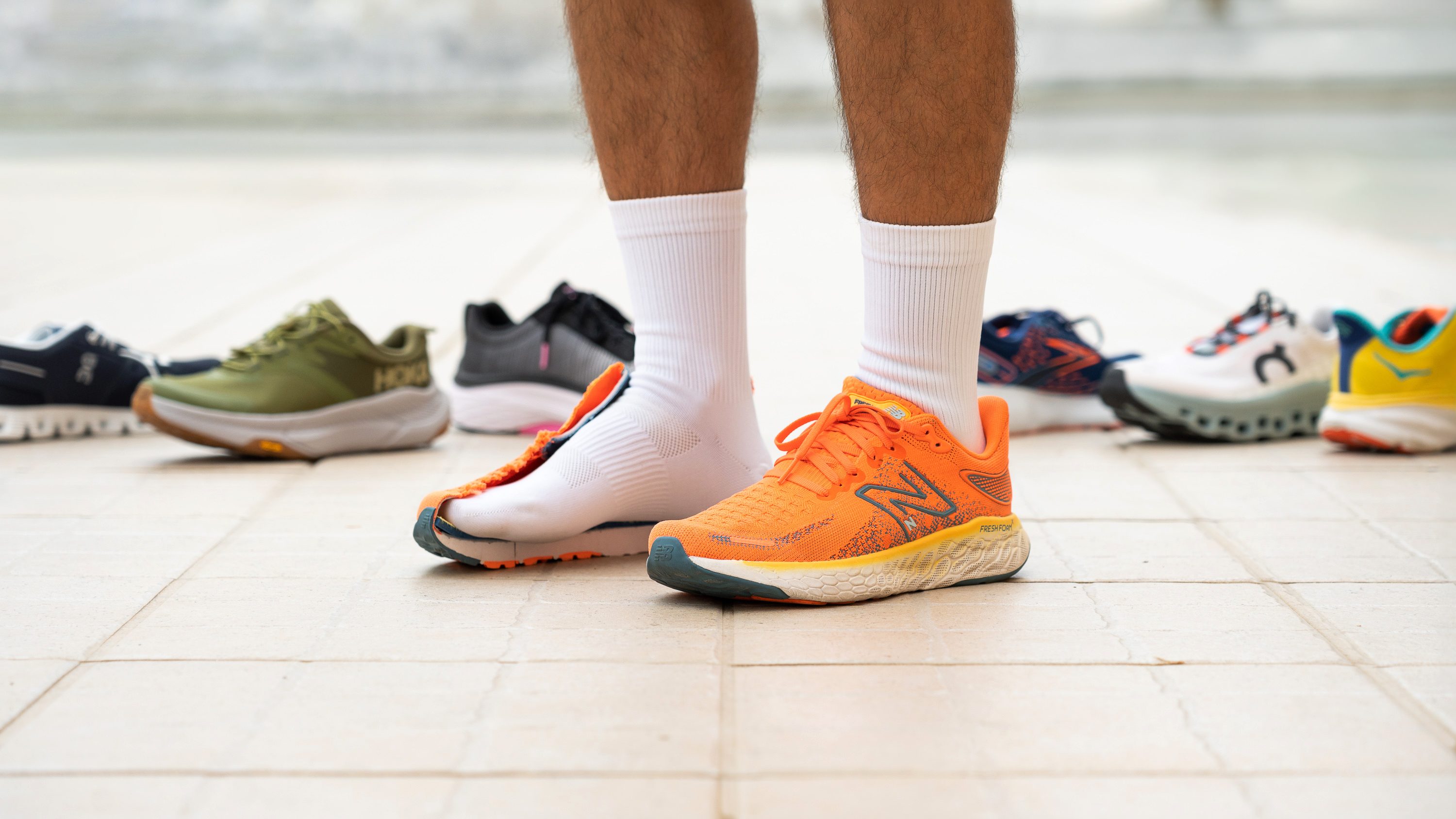
Let’s begin with the science beneath your soles. The human foot is a complex structure of 26 bones, 33 joints, and over a hundred muscles, tendons, and ligaments. Every step you take generates a force of about 1.5 times your body weight; during a brisk walk, this can accumulate to hundreds of tons of force per day. A proper walking shoe is designed to manage this load. According to research from institutions like the University of Pittsburgh Medical Center, the primary biomechanical difference between walking and running is the gait cycle. Walking involves a longer period of heel-to-toe contact and double-limb support, meaning your shoe must excel in heel cushioning and a flexible forefoot to facilitate a smooth roll-through. A rigid or improperly cushioned shoe can disrupt this natural gait, leading to chain-reaction issues in the ankles, knees, hips, and lower back. The midsole, often composed of advanced materials like ethylene-vinyl acetate (EVA) or polyurethane (PU), isn’t just foam; it’s a shock-absorption system. The arch support isn’t an afterthought; it’s a stabilizer preventing overpronation (excessive inward roll) or supination (outward roll). When you choose a shoe that aligns with your foot’s natural mechanics, you’re not just buying footwear—you’re investing in the long-term integrity of your musculoskeletal system.
Decoding the Jargon: Cushioning, Stability, and Breathability
Walk into any store or browse online, and you’ll be met with a lexicon of technical terms. Understanding these is key to making an informed choice. Cushioning refers to the shoe’s ability to attenuate impact forces. Brands like Brooks and HOKA ONE ONE have built their reputations on maximal cushioning technologies, using proprietary compounds like DNA LOFT or Profly+ to create a soft, protective ride. However, as noted by podiatrists on platforms like Quora and in publications from the American Podiatric Medical Association, “more cushion” isn’t universally better. It must be balanced with responsiveness—the energy return you feel with each push-off. Stability features, such as medial posts or guide rails, are crucial for those with flat feet or overpronation. They act as subtle reinforcements to control unwanted motion. Conversely, breathability is governed by the upper material. Engineered meshes, like Adidas’s Primeknit or Nike’s Flyknit, offer a dynamic, sock-like fit that allows heat and moisture to escape, preventing blisters and discomfort. As the famous ultrarunner and biomechanics researcher Dr. Mark Cucuzzella often states in his lectures,
“Your shoe should protect you from the ground, not protect you from your foot. It should allow your foot to do its job as the magnificent adaptive structure it is.”
This philosophy underscores that the best technology supports natural function rather than replacing it.
Where Form Meets Function: The Aesthetics of the Modern Walker
Gone are the days of clunky, purely functional shoes relegated to the back of the closet. Today’s leading designs prove that ergonomic excellence can be visually compelling. Consider the sleek, minimalist profiles of brands like Allbirds or the bold, architectural designs of Salomon’s urban line. This shift is cultural. As noted in analyses from trend-forecasting websites like WGSN, the rise of “healthcore” and functional fashion has blurred the lines between activewear and daily attire. A well-designed walking shoe now pairs as effortlessly with tailored trousers as it does with athletic wear. This isn’t a superficial concern; when you feel confident in what you’re wearing, your posture improves, your stride lengthens, and the activity of walking becomes a more integrated, enjoyable part of your identity. The color palettes have evolved from stark whites and grays to include earthy tones, vibrant accents, and sophisticated monochromes. The design language often incorporates seamless construction and textured materials that hint at the technology within, making the shoe a point of conversation. It’s a statement that you value intelligent design in all aspects of your life.
Material Innovation: From Recycled Oceans to Lab-Grown Leather
The conversation about modern footwear is incomplete without addressing sustainability. The industry is undergoing a material revolution. Companies like Veja have pioneered the use of wild rubber from the Amazon and recycled plastic bottles for their uppers. Adidas, in collaboration with Parley for the Oceans, creates yarn from upcycled marine plastic waste. Beyond uppers, midsoles are now being crafted from algae-based foams (like Bloom) and sugarcane-based EVA (as used by Allbirds’s SweetFoam). This isn’t just greenwashing; it’s a response to a consumer demand for accountability, backed by lifecycle assessments published by universities like MIT. Furthermore, the durability of these materials is paramount. A sustainable shoe that falls apart in six months is less eco-friendly than a durable, conventionally made one that lasts for years. The most responsible walking shoe is one that merges ethical sourcing with uncompromising longevity and performance. When you choose a brand committed to these principles, your purchase supports a larger shift toward circular economies in manufacturing.
The Personal Fit: A Journey, Not a Transaction
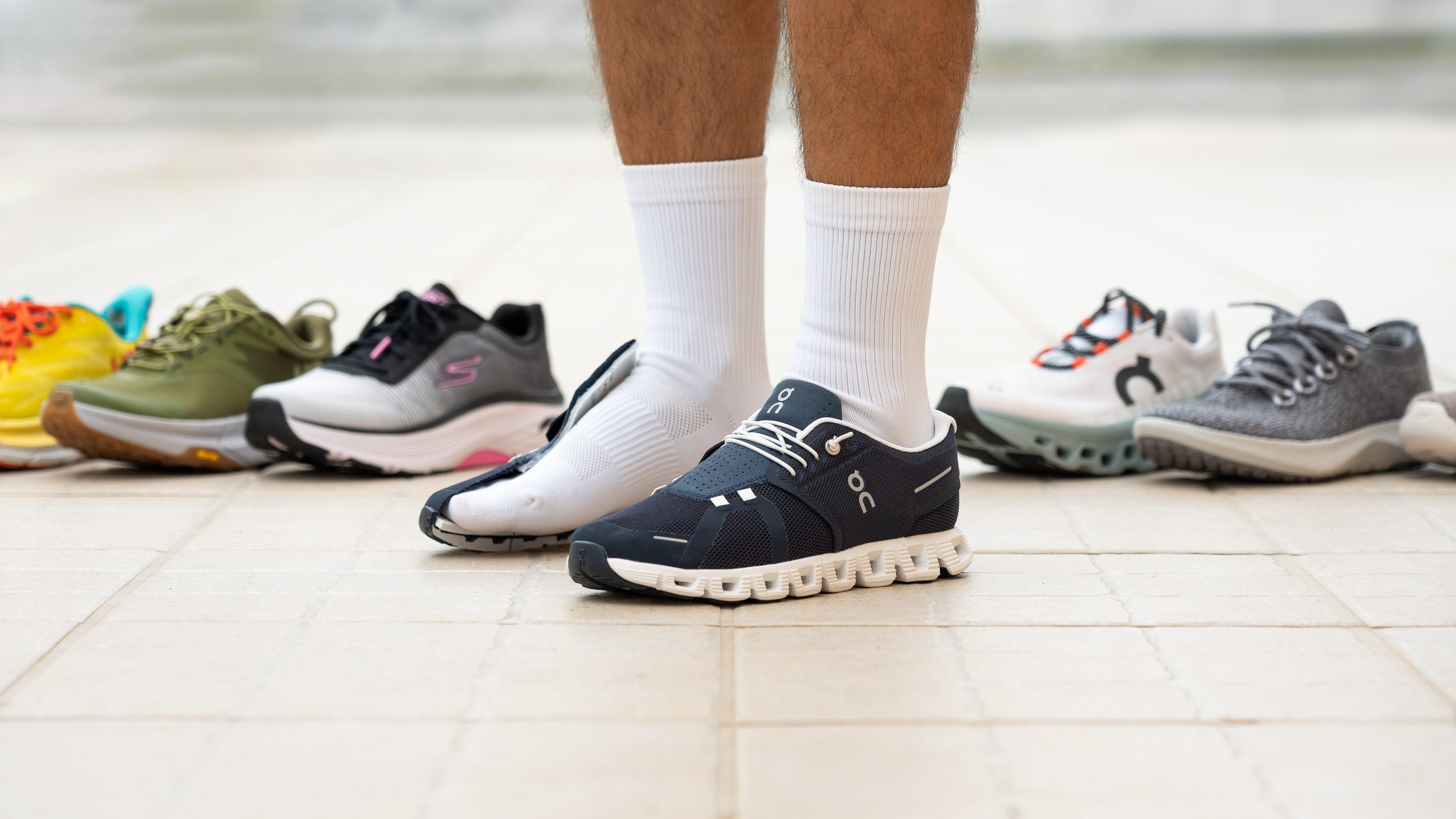
Finding your perfect pair is a deeply personal process. It requires listening to your body and understanding your unique needs. Do you walk primarily on paved surfaces, or do you venture onto gravel paths? Do you have a high arch that demands plush cushioning, or a wider forefoot that requires a specific toe box geometry? The oft-cited advice is to shop for shoes in the afternoon, as feet naturally swell throughout the day. You should have a thumbnail’s length of space between your longest toe and the end of the shoe. But beyond these basics, consider the “feel.” The shoe should feel secure at the heel and midfoot without any pinching or slippage, while allowing your toes to splay naturally with each step. This isn’t merely about comfort; it’s about preventing a host of common ailments. As highlighted in patient literature from Johns Hopkins Medicine, ill-fitting shoes are a leading cause of foot problems like bunions, neuromas, and plantar fasciitis. Your ideal walking shoe should feel like an extension of your foot from the first wear, requiring little to no “break-in” period—a myth that often leads to acceptance of poor fit.

An Investment in Mobility: Cost Versus Value
Let’s address the question of price. A high-quality pair of walking shoes may carry a significant upfront cost, often ranging from $120 to $180 or more for premium models. However, this must be framed as an investment in your mobility and health, not an expense. Consider the cost-per-wear over the shoe’s 300-500 mile lifespan (typically 6-9 months for a daily walker). A $150 shoe worn for 400 miles costs about 38 cents per mile. Compare this to the potential cost of even a single visit to a physical therapist or podiatrist for a foot injury caused by inadequate footwear. Furthermore, the market offers strategic opportunities for savings. End-of-season sales, outlet stores, and reputable online retailers frequently offer previous models at discounts of 30-50%. These models often have only minor technological updates from the latest version, providing nearly identical performance at a fraction of the price. The key is to identify the model that works for your foot type—perhaps through a professional fitting at a specialty running store—and then seek out that specific model on sale. This approach brings professional-grade support and technology within reach, ensuring you don’t have to compromise on the science for the sake of your budget.
The journey to finding your ultimate walking shoe is a confluence of science, personal awareness, and aesthetic preference. It’s a deliberate choice to prioritize the vehicle that carries you through every day. By understanding the biomechanics, embracing the design innovations, and making a smart investment, you equip yourself with more than just footwear. You gain a tool for enhanced well-being, a catalyst for exploration, and a subtle declaration that in your life, every step is taken with intention and support. The path forward is best walked in shoes designed for the journey.
