

Elevate Your Style with Booties Heels This Season
As the seasons shift, so does the landscape of fashion, presenting an opportunity to redefine personal style through intentional choices. This season, one footwear silhouette stands out not merely as a trend but as a transformative style element: the booties heels. These are not just shoes; they are a statement of confidence, a bridge between casual comfort and polished elegance, and a versatile tool for architectural styling. Moving beyond fleeting trends, the enduring appeal of a well-crafted heeled bootie lies in its unique ability to anchor an outfit, providing both literal and figurative elevation. From the structured lines of a chunky block heel to the sleek taper of a stiletto bootie, this footwear category offers a scientific approach to proportion, a historical nod to utilitarian roots, and a modern canvas for self-expression. Let’s delve into how this singular piece can become the cornerstone of your seasonal wardrobe.
The Architectural Foundation: Proportion and Silhouette
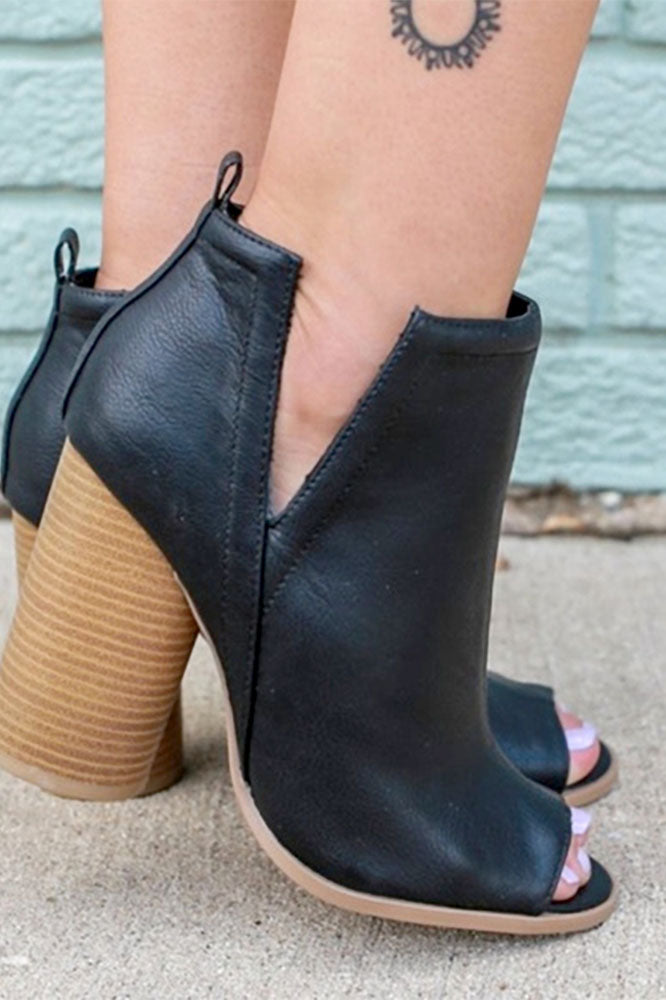
The power of the booties heels begins with its fundamental impact on the human silhouette, a principle grounded in both art history and biomechanics. Historically, footwear with a heel has been used to denote status and alter perception. According to research into costume history, elevated heels originated in practical contexts for horsemen but were swiftly adopted into fashion to create an illusion of height, lengthening the leg line and altering the wearer’s posture. From a design perspective, a bootie heel functions as an architectural base for the body. The vertical lift provided by the heel creates a shift in the body’s center of gravity, often resulting in a straightened spine and engaged core—a posture naturally associated with poise and authority. This isn’t mere anecdote; studies in non-verbal communication, such as those referenced in works like “The Definitive Book of Body Language” by Allan and Barbara Pease, suggest that expanded physical presence (which height can contribute to) is often correlated with perceptions of confidence. The closed toe and ankle coverage of a bootie, unlike a pump, provide a continuous visual line from the leg down, which can make ankles appear narrower and calves more defined. This manipulation of proportion is a key styling tool. Whether paired with a flowing midi skirt to break the line or with skinny jeans to create an unbroken vertical, the bootie heel gives you direct control over the geometry of your outfit. It’s a wearable lesson in the golden ratio, applying aesthetic principles to everyday dressing.
Versatility Defined: From Day to Night, Desk to Dinner
True style mastery is evidenced by pieces that transition seamlessly across the compartments of a modern life, and few items perform this ballet as gracefully as the heeled bootie. Its versatility is not accidental but engineered through design evolution. Consider the testimony of industry icons. As the legendary fashion editor Diana Vreeland once opined, “Fashion is part of the daily air and it changes all the time, with all the events. You can even see the approaching of a revolution in clothes.” The booties heels embody this responsiveness. The chunky-heel, ankle-cut bootie, for instance, finds its roots in practical workwear but has been refined into a daytime powerhouse. Paired with tailored trousers and a crisp blazer, it grounds a professional look with assertive modernity, avoiding the sometimes overly formal feel of a classic pump. Conversely, a sleek, pointed-toe bootie with a slender heel carries the sensual allure necessary for evening wear. It transforms a simple black dress into a cocktail-ready ensemble, offering more coverage and often more comfort for dancing than a strappy sandal. This chameleonic ability stems from its hybrid nature—it possesses the structure of a boot and the elegance of a heel. Websites like Who What Wear and Vogue consistently highlight booties as a perennial “editor’s pick” for fall and winter precisely because of this transitional magic. They are the workhorse that doesn’t look like one, equally at home during a weekend brunch with jeans as they are at a gallery opening. This eliminates the need for multiple shoe changes, offering a streamlined, efficient approach to sophisticated dressing.

Material Science and Comfort: Beyond Aesthetics
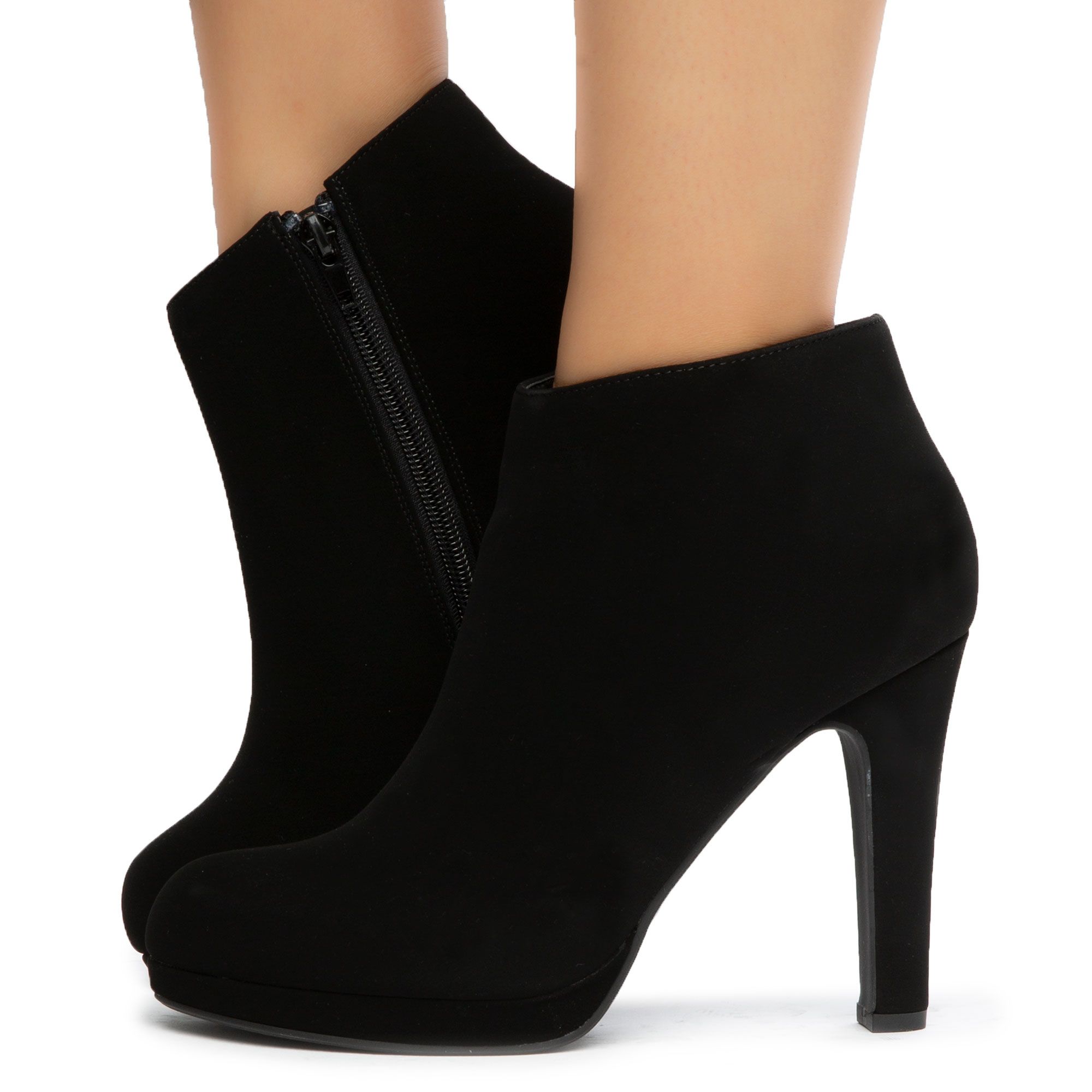
To discuss style without addressing comfort is to build a house on sand. The contemporary embrace of booties heels is inextricably linked to advancements in material science and ergonomic design, moving them firmly away from the realm of “pain for beauty.” Let’s examine the evidence. Authoritative resources like the Wikipedia entry on “Footwear” detail the development of materials such as memory foam insoles, thermoplastic elastomers for flexible yet supportive soles, and advanced leather treatments that improve breathability. These are not marketing gimmicks but applied science. A well-constructed bootie with a block heel distributes body weight more evenly across the foot than a stiletto, reducing pressure on the ball of the foot—a fact supported by podiatric literature. Furthermore, the ankle support inherent in the bootie design provides stability that an open shoe cannot, reducing the risk of twists and strains. This marriage of form and function is championed by modern footwear brands that prioritize biomechanics. Celebrity stylists and influencers on platforms like YouTube often dissect the “all-day comfort” of specific bootie designs, providing real-world wear tests. For instance, a review might highlight a bootie with a padded collar and a heel no higher than 75mm as a “city walking staple.” This objective focus on engineering means you are no longer forced to choose between style and well-being. The right pair offers a foundation that supports you physically as you project your style confidently, making the booties heels a sustainable choice for an active lifestyle, not just a decorative one.
A Cultural and Historical Lens: The Bootie’s Evolution
Understanding the booties heels as a mere accessory misses the depth of its cultural narrative. Its journey is a tapestry woven from utility, rebellion, and high fashion. We can trace a lineage from the practical riding boots of the 15th century, through the rebellious spirit captured by figures like Nancy Sinatra in her 1966 anthem “These Boots Are Made for Walkin’,” to the avant-garde runway interpretations by designers like Alexander McQueen. McQueen’s iconic “armadillo” boots, though extreme, underscored the shoe’s potential as sculptural art and a symbol of formidable power. This historical context is crucial. As cultural critic and author Ted Polhemus might analyze in his work “Streetstyle,” footwear often serves as a key indicator of subcultural identity and social change. The adoption of the bootie by various movements—from punk to grunge to modern streetwear—highlights its role as a canvas for identity. Even in cinema, the bootie heel carries connotations. Think of the sleek, powerful boots worn by iconic characters, which non-verbally communicate competence and style before a word is spoken. This rich background means that when you choose a bootie heel today, you are engaging with a piece of design history. You are selecting an item that has been tested on the streets, glorified on screen, and consecrated on the catwalk. It carries a heritage of strength and autonomy, making it a profoundly personal and culturally resonant choice.
Curating Your Investment: A Guide to Selection
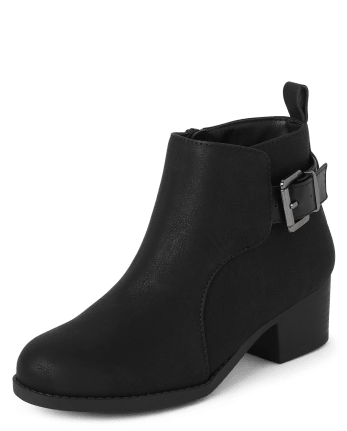
With the “why” firmly established, the “how” becomes paramount. Investing in a season-defining piece like a quality bootie heel requires a strategic approach that balances trend awareness with timeless principles. First, consider the heel geometry. A broad, chunky heel offers maximum stability and a contemporary, grounded aesthetic, perfect for creating a fashion-forward yet practical look. A tapered kitten or block heel under 60mm provides a subtle lift and a retro vibe, incredibly versatile for office settings. Second, analyze the toe shape. A pointed toe elongates the foot and leg, aligning with classic elegance, while a rounded or square toe offers a more relaxed, modern feel. The third critical factor is material. A supple leather or suede bootie will mold to your foot over time, offering a custom fit, while synthetic materials may offer durability and vegan ethics. Look for construction details like a sewn (Goodyear welted or Blake stitched) sole versus a glued one—this often indicates longer lifespan and repairability. Now, let’s talk value. While high-quality materials and construction command an initial investment, the cost-per-wear plummets with a versatile staple. To bring this professional knowledge directly to you with tangible benefit, consider this: a well-chosen bootie heel from a reputable brand, often retailing at a premium, can be secured at a significantly discounted price during seasonal sales, end-of-line clearances, or through certified retailer promotions. The key is to identify the silhouette that fills a gap in your wardrobe—be it a neutral leather block heel or a statement suede pair—and acquire it intelligently. This isn’t an expense; it’s a strategic upgrade to your style infrastructure.
The journey through proportion, versatility, comfort, history, and intelligent selection leads to one undeniable point: the booties heels are a cornerstone of empowered, modern style. They provide the architectural lift, the transitional ease, and the comfortable foundation upon which a dynamic wardrobe is built. This season, instead of scattering your attention across transient micro-trends, consider the concentrated power of this single, potent element. Choose a pair that speaks to your personal narrative, supports your physical journey, and elevates your everyday silhouette. The elevation they offer is far more than just physical height; it is an elevation of intention, capability, and undeniable style.
