

Styling 80s Sneakers for Modern Streetwear Looks
Let’s cut straight to the point: the most resonant style statements often come from the past, recontextualized for the present. In the swirling vortex of contemporary fashion, where trends flicker and fade with algorithmic speed, there exists a foundational pillar that refuses to be eroded—the 80s sneakers. These are not mere relics; they are engineered artifacts of a cultural big bang, carrying the DNA of hip-hop’s birth, athletic innovation, and suburban rebellion. To integrate them into a modern streetwear lexicon is not an act of nostalgia, but a strategic move in personal style. It’s about harnessing a specific, potent energy—bulky, colorful, and unapologetically bold—and making it converse fluently with the minimalist cuts, technical fabrics, and global influences of today’s urban landscape. This isn’t about wearing a costume; it’s about building a dialogue between decades, where the 80s sneakers provide the emphatic, grounded punctuation to a modern sentence.
The Unmistakable DNA: Deconstructing the 80s Sneaker Aesthetic
To wield a tool effectively, you must understand its mechanics. The aesthetic of 1980s athletic footwear was born from a confluence of technological ambition and burgeoning pop culture. This was the decade where performance left the court and track and stormed the sidewalks. Brands like Nike, Adidas, Reebok, and Puma were engaged in a fierce arms race of cushioning, support, and visibility. The result was a series of design principles that now define the era. First, volume and structure. Unlike the sleek racing flats of the 70s, 80s sneakers embraced a chunky, often oversized silhouette. This was driven by new cushioning technologies like Nike’s Air units (first visible in the Air Max 1 in 1987, a direct product of 80s R&D) and EVA foam midsoles, which required physical space. The silhouette became assertive, a declaration of substance underfoot.

Second, color blocking and graphic expression. The muted earth tones of previous decades were blasted away by high-contrast panels of white, black, grey, and vibrant primaries. Think of the Nike Air Jordan I, banned by the NBA for having “too much color,” or the Reebok Freestyle Hi, synonymous with the aerobics craze. This wasn’t random; it reflected the neon-drenched, MTV-influenced visual culture. Third, technical detailing and material mix. Leather, nylon mesh, suede, and synthetic overlays were combined not just for durability, but for visual texture. Exoskeletal supports, molded plastic cages, and prominent logos (the branding itself became a central graphic element) added layers of complexity. As design critic Alice Rawsthorn once noted in her writings on object culture, 80s products often exhibited a “confident exuberance,” a description that fits these sneakers perfectly. They were engineered to be seen, to communicate energy and innovation, making them inherently theatrical—a perfect base for the performative nature of streetwear.
Foundational Pairings: The Modern Wardrobe Anchors
Integrating a bold, historically charged item like 80s sneakers requires a counterbalance. The modern streetwear principle of juxtaposition is key here. You don’t match the sneaker’s intensity head-on; you frame it. Start with the most straightforward canvas: monochromatic and minimalist basics. A pair of robust Nike Air Max 90s or Adidas Forum Hi in classic white/grey/black colorways finds its perfect partner in slim or straight-leg black denim, a heavyweight cotton tee in white or heather grey, and an unstructured chore jacket. This approach, championed by style platforms from Hypebeast to The Essential Man, allows the sneaker to be the singular, undisputed focal point. The clean lines and neutral palette of the clothing provide a gallery-white wall for the sneaker’s sculptural form and subtle color accents to pop. It’s a lesson in restraint, proving that the loudest statement can be made by everything else whispering.
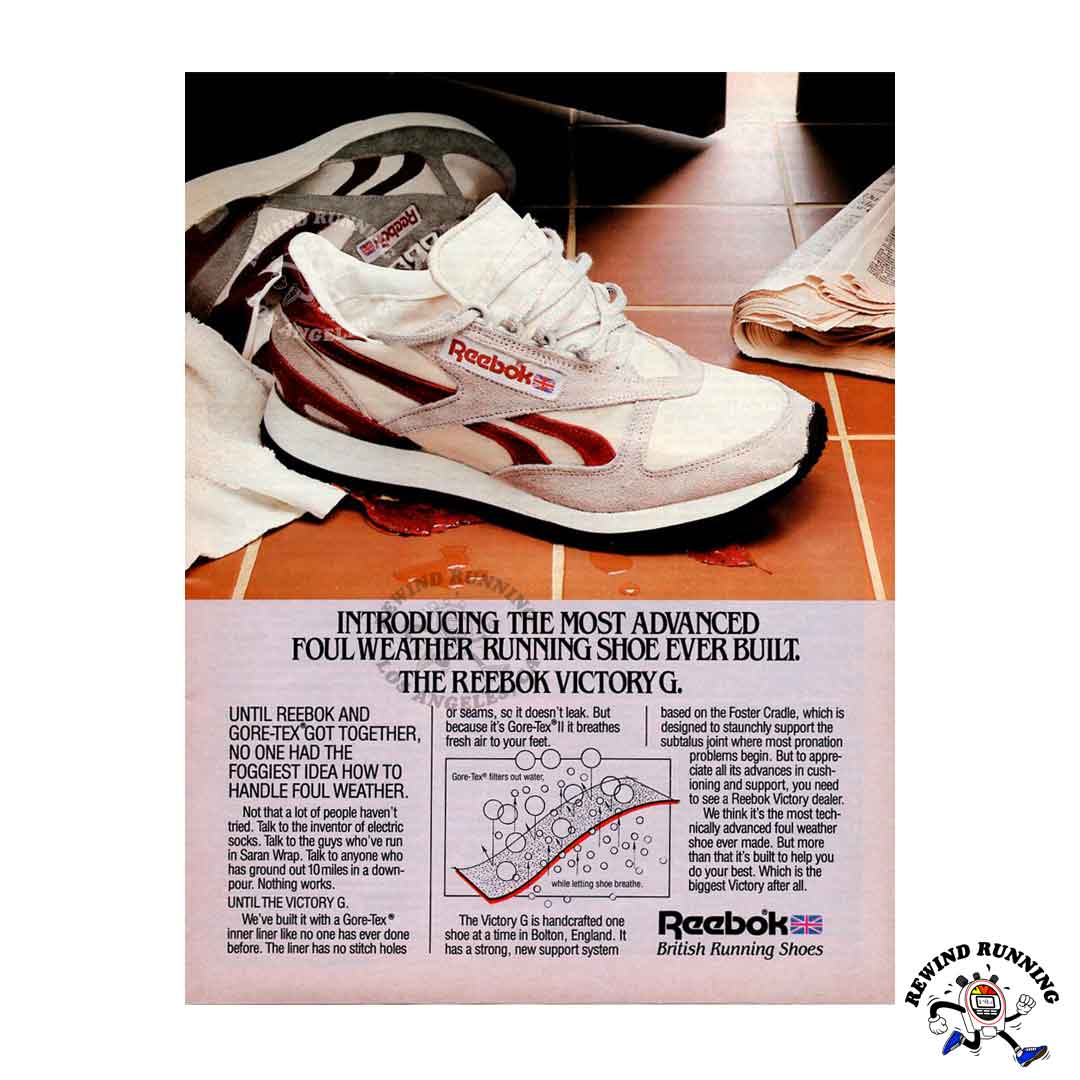
Conversely, embrace the athletic utility trend that has dominated streetwear for the past decade. Here, the goal is harmony rather than contrast. Pair technical track pants—think tapered styles with side stripes—with a streamlined sweatshirt and a technical vest or windbreaker. The 80s sneakers, born from sport, re-enter their native ecosystem. A model like the Reebok Classic Leather or the Nike Air Ship (the precursor to the Jordan 1) completes this head-to-toe athletic-inspired look, bridging the gap between vintage sport and contemporary techwear. This synergy speaks to streetwear’s core identity, as defined by fashion scholars like Elena Romero, as a style “rooted in functionality and subcultural identity,” now elevated to high-fashion relevance. The sneaker is no longer an accessory; it’s an integral component of a unified, purposeful uniform.
The Bold Synthesis: Pattern, Color, and Layering
For those ready to advance the dialogue, the next step is to move from framing the sneaker to engaging with it in a more complex sartorial conversation. This involves embracing intentional clash and layered texture. Take a sneaker with a vibrant, multi-color palette—perhaps the iconic Nike Air Max 95 in its original neon gradient or a Gola Harrier in bold blues and reds. Instead of retreating to neutrals, pick up one of its secondary colors in your clothing. A rust-colored corduroy overshirt, olive cargo pants, or a patterned rugby shirt can create a sophisticated color story that feels curated, not costumed. This technique mirrors the approach of contemporary designers like Virgil Abloh, who famously spoke of “3% manipulation”—taking a classic and altering its context just enough to make it new. Your 80s sneakers are the classic; your modern layering and color-pulling are the strategic manipulation.

Furthermore, don’t shy away from pattern mixing. The geometric panels of an 80s sneaker can surprisingly complement subtle stripes, herringbone tweed in a trucker jacket, or even camouflage, provided the color values are aligned. The key is scale and cohesion. As author and stylist David Kibbe outlined in his theories on style harmony, successful style often involves balancing “yin and yang” elements—the soft with the structured, the fluid with the geometric. The bulky, angular silhouette of the sneaker (yang) can be brilliantly softened (yin) with relaxed, drapey trousers or a soft wool knit. This creates a dynamic, full-bodied look that is thoroughly modern in its intelligent eclecticism. It demonstrates a mastery of the wardrobe, where no item, no matter how historically specific, is an island.
Beyond the Hype: The Enduring Value Proposition
Engaging with 80s sneakers transcends fleeting trend cycles. There is a tangible value proposition here, both in terms of craft and economics. Firstly, construction quality. Many original designs and their faithful retro reissues were built to a standard that prioritized durability. The use of full-grain leather, reinforced stitching, and robust rubber outsoles means these shoes, when cared for, can outlast countless seasons of fast-fashion footwear. This aligns with the growing “buy less, buy better” ethos within conscious consumerism. Secondly, versatility. As outlined, a single pair can anchor looks ranging from stark minimalism to layered tech-utility, offering a high cost-per-wear ratio. They are a strategic investment in wardrobe infrastructure.

This leads to the practical matter of acquisition. While limited-edition retros can command high prices, the market for classic 80s sneakers is vast. Authoritative sneaker marketplaces like StockX and GOAT provide transparent pricing data, allowing you to identify fair value. Furthermore, end-of-season sales, outlet stores, and even dedicated vintage platforms offer opportunities to secure iconic models at a significant discount. The knowledge that a Reebok Club C 85 or a New Balance 574—both designs with 80s origins—can often be found well below retail price empowers you to build this style pillar without capitulating to hype-driven inflation. It’s about informed consumption, leveraging knowledge to access style and quality smartly.
A Living Archive on Your Feet
Ultimately, styling 80s sneakers today is an exercise in personal narrative. Each scuff on a toe box, each crease in the leather, becomes part of your story, layered atop the shoe’s own rich history. You are not just wearing a shoe; you are activating a piece of design history, connecting to the breakdancers on a New York cardboard mat, the basketball players rewriting the rules of style and sport, and the suburban kids who saw in these designs a ticket to a cooler identity. As filmmaker and cultural commentator Spike Lee, whose character Mars Blackmon famously fetishized the Air Jordan, once implied, these objects are vessels of aspiration and identity. In your hands now, they become a tool for self-definition. Pair them with precision, respect their heritage, but don’t be afraid to let them clash and converse with the now. That friction—between the assertive, optimistic engineering of the 80s and the nuanced, globalized sensibility of modern streetwear—is where truly personal style sparks to life. The journey starts with a single, grounded, historically-loaded step.
