

How to Style Air Force Sneakers for Effortless Everyday Cool
Forget chasing trends. The pinnacle of style isn’t about the loudest statement but the quietest confidence, built on foundations that endure. At the heart of this philosophy lies a single, transformative piece: the air force sneakers. More than just footwear, they are a cultural cipher, a blank canvas, and an engineering marvel all at once. This isn’t about following a rulebook; it’s about unlocking a mindset. When you understand the object, you master its application. Let’s move beyond mere pairing and into the realm of intentional styling, where your air force sneakers become the cornerstone of an identity that is both grounded and effortlessly cool.
The Foundation: Understanding the Icon
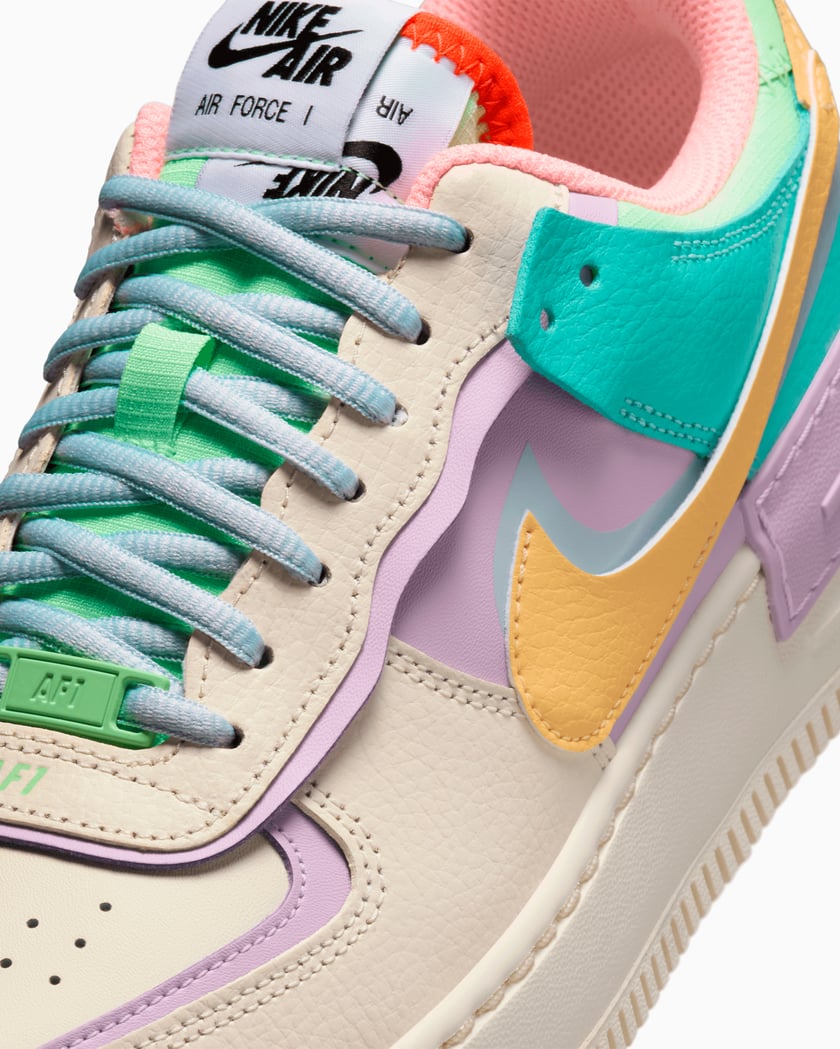
You cannot style an icon effectively without understanding why it became one. The Nike Air Force 1, named after the plane that carries the U.S. President, debuted in 1982 as the first basketball shoe to house Nike Air technology. Its designers, Bruce Kilgore among them, sought performance. Yet, its retirement in 1984 sparked such demand from New York City subcultures that Nike was compelled to reissue it in 1986—a seminal moment in sneaker history marking the birth of the “retro” model. This origin story is critical. As sneaker historian and Complex contributor Russ Bengtson once noted, “The Air Force 1 wasn’t just a shoe; it was a community artifact. Its clean lines made it a uniform off the court.” Its design principles—the crisp leather upper, the ankle strap, the perforated toe box, and the encapsulated Air-Sole unit—were born from function but matured into an aesthetic language. From the perspectives of platforms like Quora and Baidu Baike, its durability and versatile silhouette are consistently cited as primary reasons for its decades-long dominance. It’s this intersection of robust construction, historical weight, and minimalist design that provides the styling bedrock. The shoe carries a narrative of resilience and adaptation, allowing you to wear not just a sneaker, but a piece of evolved design history that complements rather than competes with your personal narrative.
Principle 1: The Power of Contrast and Silhouette
The most common misstep is matching the formality of the shoe to the formality of the entire outfit, resulting in a bland, sporty look. The magic lies in deliberate contrast. The air force sneakers, with their substantial, rounded sole and structured leather build, possess an inherent casual weight. Counterbalance this with tailored or streamlined pieces. Imagine a pair of well-fitted, single-pleat wool trousers—their drape and vertical line juxtaposed against the shoe’s chunkiness creates dynamic tension. This isn’t a new idea; it’s a principle borrowed from modernist design, where contrasting elements achieve harmony. As fashion critic Tim Blanks has often articulated, style is about the dialogue between pieces. A flowing midi skirt or a sharp, minimalist blazer creates a silhouette where the sneaker acts as an anchor, grounding the ensemble with a touch of relaxed insouciance. The goal is to let the shoe be the definitive casual element in an otherwise considered outfit. This approach elevates both the clothing and the footwear, transforming a simple combination into a thoughtful statement. It signals that your choice is intentional, not default. You’re not wearing sneakers because you gave up; you’re wearing them because you understand their specific textural and formal value within a broader sartorial composition.

Material Dialogue: Leather, Denim, and Cotton
Engage the sneaker’s materiality in conversation with your other choices. The classic white-on-white air force sneakers feature a premium leather upper. Pairing them with raw denim creates a timeless, rugged alliance—the starch of the denim against the polish of the leather (even when scuffed) speaks to a heritage workwear sensibility. Conversely, try soft, luxurious cotton like a heavyweight jersey hoodie or a fine-knit polo. The contrast between the sneaker’s rigid form and the fabric’s softness adds a layer of tactile sophistication. This material mindfulness is rooted in industrial and fashion design principles, where combining different “finishes” creates depth. Literature from authoritative design schools like Parsons or the Royal College of Art often emphasizes material juxtaposition as a core tenet of creative direction. Don’t shy away from technical fabrics either; a sleek nylon track pant can create a high-low fusion that feels thoroughly contemporary. The key is to be aware of the conversation. Is it a dialogue between rugged and refined, between hard and soft, between vintage and futuristic? Your air force sneakers are the consistent, articulate participant in that discussion, their meaning shifting slightly with each partner you choose for them.
Principle 2: Color as a Strategic Tool
The ubiquitous white AF1 is a masterpiece of neutrality, but its power is only unlocked through strategic color application. Treat the sneaker as the white space in a painting—it frames and highlights everything else. A monochromatic outfit in black, grey, or navy makes the crisp white sneakers pop as a focal point, clean and graphic. This approach aligns with the minimalist ethos championed by figures like Steve Jobs, whose uniform-centric wardrobe was about removing decision fatigue and emphasizing product (or personal) clarity. Alternatively, use the sneaker to temper and ground bold color choices. A vibrant colored suit or a boldly patterned dress finds its equilibrium when paired with classic white kicks; the outfit feels adventurous yet accessible, daring but not costumey. For those opting for tonal or colored Air Force 1s, let the shoe’s hue guide a single accent elsewhere—a sock, a bag strap, a piece of jewelry. This creates cohesion without falling into matchy-matchy territory. The science of color theory, as explored on platforms like Wikipedia, shows how neutral bases allow other colors to achieve maximum visual impact. Your sneakers are that base. They provide the stability that gives you the freedom to play with color confidently elsewhere, ensuring your overall look remains cohesive and intentionally cool, never chaotic.

Principle 3: The Details Are the Difference
Effortless cool is a carefully constructed illusion, and the devil is in the details. How you treat your Air Forces and what surrounds them matters immensely. Consider the state of the shoe itself. A pristine, blindingly white pair communicates one message—sharp, new, attentive. A lovingly worn-in, slightly creased pair tells another story of experience and authenticity, echoing the “wabi-sabi” philosophy of embracing imperfection. Your choice of socks is critical. Invisible no-show socks maintain the shoe’s pure silhouette for a cleaner look with cropped trousers or shorts. Conversely, a bold, patterned sock peeking over the collar introduces personality and a touch of irreverent prep. The roll of your jeans, the length of your trousers—all should be considered in relation to the shoe’s high-top or low-top profile. As YouTube style commentators like Teachingmensfashion often demonstrate, pant break can make or break a sneaker outfit. Furthermore, accessories matter. A simple watch with a leather strap can tie back to the sneaker’s material, while a technical backpack continues the athletic heritage narrative. Each detail is a brushstroke in the larger portrait of your style. It’s this meticulous, almost obsessive attention to component parts that transforms an outfit from “wearing sneakers” to “styling Air Forces.”
Context is King: From Office to Weekend
The true test of versatility is context. For smart-casual office environments, the aforementioned tailored trouser and blazer combination, with a crisp white t-shirt or fine-gauge knit, allows your air force sneakers to subtly challenge convention while remaining polished. For weekend errands, lean into the shoe’s sporty roots with relaxed, high-quality basics: engineered garments sweatpants, a solid-color hoodie, and a utility jacket. The sneaker bridges the gap, ensuring you look put-together even in the most relaxed settings. For a night out, don’t be afraid to pair them with unconventional pieces—a sleek slip dress, or wide-leg leather trousers. The juxtaposition is the statement. This chameleonic ability is why the Air Force 1 persists. It doesn’t belong to one scene; it adapts to yours. As seen in countless films, from ‘Do the Right Thing’ to more contemporary features, the shoe is worn by characters across social spectra, its meaning shaped by the wearer, not dictated by the brand. You wield that power. Your context defines the shoe’s role, making it a tool for self-expression in every arena of your life.
Investing in Your Foundation: Knowledge and Value
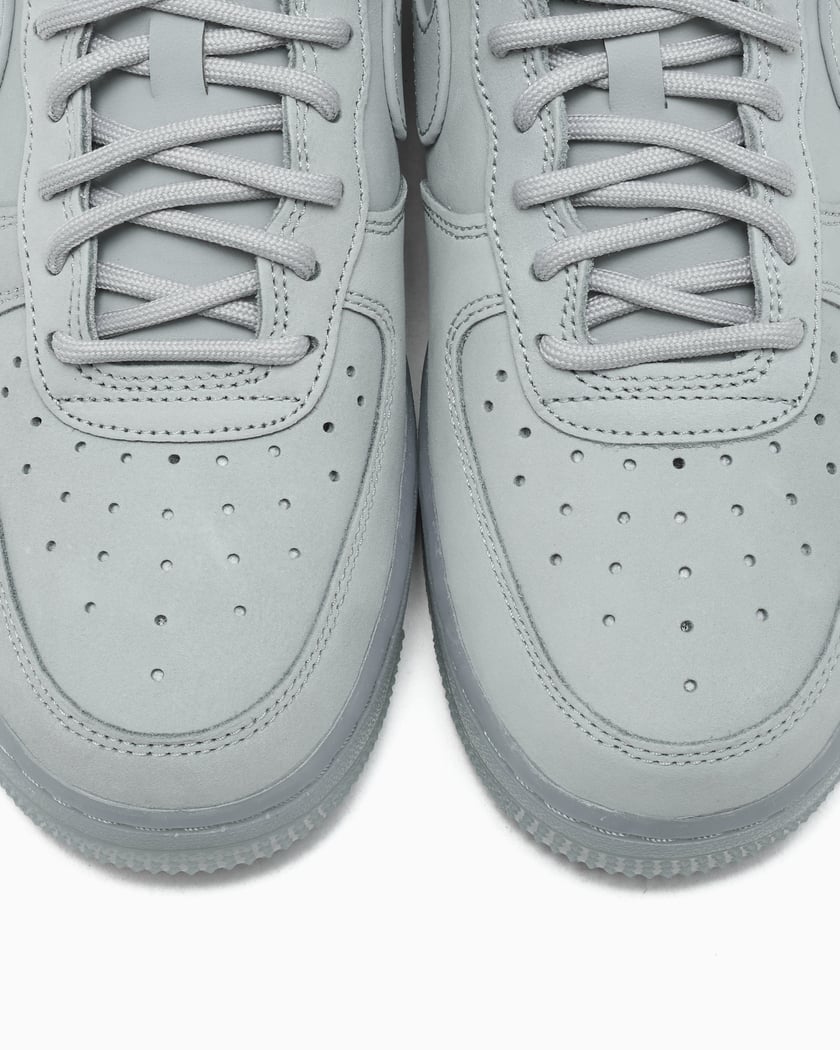
Understanding styling is one pillar; understanding the product’s lifecycle and value is another. The construction of the Air Force 1, with its layered leather and durable outsole, means it’s built to last, a wise investment in your wardrobe’s foundation. Professional knowledge extends to care: using protective sprays, proper cleaning kits for the midsole, and understanding that leather breaks in beautifully over time. Furthermore, being an informed consumer means knowing where to find value. While the retail price reflects the shoe’s quality and heritage, sales, seasonal discounts, and reputable outlet channels often offer opportunities to acquire this icon at a favorable point. This isn’t about chasing the cheapest option, but about making a smart acquisition of a design artifact that will pay dividends in wear-per-day and stylistic utility. The cost-per-wear of a versatile, durable staple like the Air Force 1 is remarkably low. By investing in the classic colorways and maintaining them, you’re not just buying a sneaker; you’re acquiring a long-term style asset that will serve as a reliable cornerstone through countless trends and seasons.
So, where does this leave us? Not with a strict list of do’s and don’ts, but with a clarified vision. Styling the Air Force 1 is an exercise in intentionality. It’s about leveraging its history as a community artifact, its design as a contrast tool, its color as a framing device, and its details as punctuation marks in your style sentence. When you lace up a pair, you’re tapping into a legacy of adaptability. You’re choosing the cornerstone that allows the rest of your architectural style to stand with confidence. The effortless cool you seek isn’t found in the shoe alone, but in the mindful, knowing way you integrate it into the story of you. That’s the ultimate power of the air force sneakers—they don’t change who you are; they give you the foundation to express it, every single day.
