

How to Style 80s Sneakers for a Modern Wardrobe
The resurgence of 80s sneakers is more than a fleeting trend; it’s a reclamation of an era defined by bold self-expression, technological innovation in sportswear, and a distinctive aesthetic that refuses to be forgotten. Integrating these iconic silhouettes into a contemporary wardrobe isn’t about costume dressing. It’s a deliberate style strategy that blends nostalgic character with modern minimalism, creating looks that are both conversation-starting and effortlessly cool. This guide moves beyond simple pairing to explore the philosophy of merging decades, offering practical, sophisticated ways to let your vintage kicks lead the style narrative.
The Enduring Legacy: Why 80s Sneakers Still Captivate
To style 80s sneakers effectively, one must first understand their inherent DNA. The 1980s were a golden age for athletic footwear, marked by a seismic shift from purely performance-oriented gear to cultural artifacts. Brands like Nike, Adidas, Reebok, and Puma engaged in an arms race of technology—visible Air cushioning, gel inserts, and innovative silhouettes like the high-top became mainstream. As Dr. Elizabeth Semmelhack, Senior Curator of the Bata Shoe Museum, notes in her research, “The 1980s saw the sneaker transition from the court and track to the streets, becoming a potent symbol of identity, subculture, and aspirational living.” This was fueled by the rise of hip-hop culture and basketball superstars, making models like the Nike Air Jordan 1 or the Adidas Superstar emblematic of more than just sport; they were badges of authenticity and edge. The chunky soles, vibrant color-blocking, and synthetic materials like nylon and velour that define 80s sneakers were born from both function and flamboyance. When we wear them today, we’re not just wearing an old shoe; we’re tapping into a legacy of innovation and rebellion. This historical weight is their greatest asset, providing a foundational “character” that simpler, modern sneakers often lack. The key to modern styling lies in balancing this assertive character with the clean lines and neutral palette that dominate contemporary fashion.

Principle 1: The Foundation of Contrast
The most fail-safe principle for wearing statement sneakers is contrast. Let the 80s sneakers be the vibrant, complex focal point by anchoring them with deliberately simple, tailored, or monochromatic clothing. A pair of neon-accented Reebok Ex-O-Fits or boldly color-blocked Nike Air Max 1s demands a calm stage. Think of minimalist ensembles: well-fitted, dark wash jeans or tailored chinos paired with a high-quality, neutral-toned t-shirt, a crisp Oxford shirt, or a fine-gauge knit sweater. The goal is to create a visual hierarchy where the eye is drawn to the shoes, appreciating their design without being overwhelmed by competing patterns or colors elsewhere. This approach is championed by stylists and fashion theorists alike, who often cite the “one statement piece” rule. As fashion commentator Tim Gunn famously advocated for “making it work” through balance, the chaotic energy of an 80s silhouette is best tempered by sartorial restraint. This contrast extends to textures as well. The sleekness of a wool blazer, the drape of linen trousers, or the simplicity of raw denim provides a sophisticated counterpoint to the technical, often bulky fabrics of the sneakers. It’s this deliberate juxtaposition—the old with the new, the bold with the basic, the sporty with the refined—that transforms an outfit from “wearing old sneakers” to “curating a modern vintage aesthetic.”
Principle 2: Silhouette Synergy and Proportion Play
Understanding silhouette is crucial, especially with the often-voluminous nature of 80s sneakers. The high-top, a quintessential 80s form, can shorten the leg line if not carefully considered. The modern solution lies in playing with proportions. For high-tops, try pairing them with cropped or slightly rolled trousers. This reveals the ankle and the full height of the shoe, creating a clean break that actually elongates the silhouette. Wide-leg or straight-leg trousers can also work brilliantly, as they create a strong, vertical line that balances the shoe’s bulk, with the hem gently resting on the sneaker’s tongue. Avoid baggy, bunching jeans that engulf the shoe; the relationship between pant and sneaker should be intentional. For low-top 80s models, the options broaden. Tailored trousers, sleek joggers, or even shorts can create a dynamic look. The overarching rule is to avoid matching the shoe’s volume with equal volume on top; a balanced, considered silhouette is more modern than the head-to-toe athletic look of the 80s. This knowledge of proportion isn’t just stylistic guesswork; it’s rooted in the principles of visual design taught in prestigious art and fashion institutions, where the relationship between positive and negative space, weight, and line directs the viewer’s eye and creates a harmonious whole.

Curating Your Vintage Palette: Color Theory in Action
80s sneakers often come with a distinctive color palette: electric blues, radiant orchids, acid yellows, and stark black-and-white blocking. Integrating these into a modern wardrobe requires a strategic approach to color. One advanced method is to use the sneaker as your color inspiration for an accent elsewhere in the outfit. For example, if your sneakers have a pop of cobalt blue, mirror that hue with a simple sock, a watch strap, or even a subtle pattern in your shirt. This creates a cohesive, thoughtful look. Alternatively, embrace tonal dressing by building an outfit in neutral shades (black, white, grey, beige, navy) and let the sneakers provide the only major color hit. This makes the shoes the undeniable star. For the more adventurous, consider complementary or analogous color schemes based on the sneaker’s dominant colors. A rudimentary understanding of the color wheel—a tool foundational to everything from Renaissance painting to modern graphic design—can elevate your styling from random to refined. The vibrant shades of 80s footwear, once symbolic of the decade’s optimism, now serve as perfect punctuation in a more subdued modern color story.
Beyond Casual: The Art of the High-Low Mix
The true test of a garment’s versatility is its ability to transcend its original context. The modern wardrobe thrives on genre-blending, and 80s sneakers are uniquely suited for this. Don’t relegate them solely to weekend wear. The high-low mix—pairing casual, sporty items with formal, tailored ones—is a cornerstone of contemporary menswear and womenswear. Imagine a pair of classic white leather Nike Air Force 1s (a design that soared to fame in the 80s) worn with a impeccably cut navy suit. The contrast is sharp, confident, and undeniably modern. Similarly, a sleek slip dress or a tailored pair of trousers with a structured blazer can be instantly grounded and personalized with a pair of chunky-soled Reebok Club C 85s. This approach deconstructs stuffy formality and injects individuality. It’s a style move frequently spotted on fashion week streets and endorsed by style icons, reflecting a broader cultural shift towards comfort and personal expression without sacrificing sophistication. As designer Virgil Abloh once discussed in interviews, the “breaking” of formal codes with streetwear elements is a dialogue between different cultural languages, and 80s sneakers speak a particularly eloquent dialect in that conversation.
Investment and Authenticity: Navigating the Market
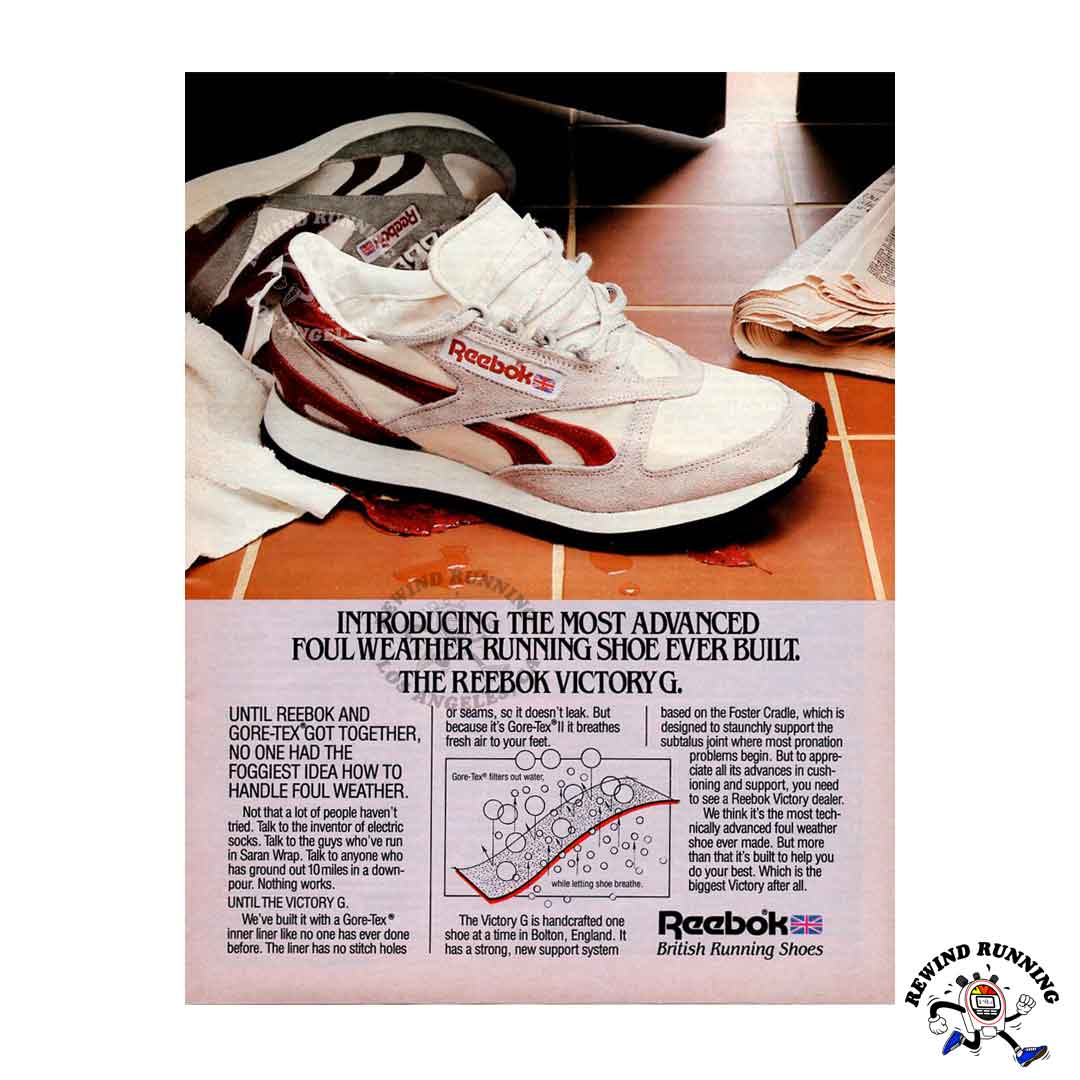
Engaging with 80s sneakers today means navigating a market of vintage finds, modern “re-issues,” and brand-new designs inspired by the era. For the authentic vintage seeker, platforms like specialized resellers or reputable online marketplaces are treasure troves, but require diligence. Check for sole separation, midsole crumbling (a common issue with old polyurethane), and material integrity. A professional restoration can be a worthwhile investment for a rare pair. For most, the practical route is the plethora of high-quality re-releases from the original brands. These “retro” models often use updated materials and construction for better comfort and durability while faithfully replicating the iconic look. Brands have entire lines dedicated to their archives, making these styles more accessible than ever. From a value perspective, consider cost-per-wear. A well-made reissue of a classic 80s sneaker, often available in the $100-$150 range during sales or through outlet channels, represents significant value. It’s a durable, versatile style staple that won’t succumb to fast-fashion obsolescence. This fusion of professional knowledge—understanding construction, market value, and brand history—empowers you to build a collection that is both stylish and smart.
Ultimately, styling 80s sneakers for the modern world is an exercise in confident curation. It’s about recognizing the powerful design language of that decade and translating it through a contemporary lens. By applying principles of contrast, proportion, and color, and by embracing the high-low mix, you transform these nostalgic items into vital components of a dynamic, personal style. They cease to be relics and become reliable, character-filled foundations for countless modern outfits, proving that great design truly is timeless.

