

The Ultimate Guide to Walking Shoes That Elevate Your Everyday Look
Forget the notion that style and comfort are mutually exclusive, especially when it comes to the foundation of your daily movement. The right pair of shoes to walk in is not merely a practical necessity; it is a sartorial statement and a biomechanical tool that can transform your day from a chore into a pleasure. This guide is dedicated to dismantling the old paradigm, proving that the footwear you choose for your daily strides can be the cornerstone of a look that is both elevated and intelligently engineered for your body’s needs. We will navigate through the intersection of aesthetics, anatomy, and technology, providing you with the knowledge to select footwear that supports your journey, step by sophisticated step.
The Anatomy of a Superior Walking Shoe: Beyond the Surface
To understand what makes a great walking shoe, we must first dissect its components from a scientific perspective. The human foot is a complex structure of 26 bones, 33 joints, and over 100 muscles, tendons, and ligaments. According to literature from the Harvard Medical School, improper footwear can contribute to a host of problems, from plantar fasciitis to knee and back pain. Therefore, the architecture of a shoe is paramount. The midsole, often made from EVA (ethylene-vinyl acetate) or polyurethane, is the heart of cushioning. Its density and construction dictate how shock is absorbed as your heel strikes the ground. The heel counter, the firm cup at the back, must be rigid enough to stabilize the foot but padded to prevent Achilles tendon irritation. Furthermore, the toe box must allow for natural splay upon foot strike, a point emphasized by podiatrists and biomechanists alike. A study cited by the American Podiatric Medical Association highlights that cramped toe boxes can lead to deformities like bunions and hammertoes. Thus, when you seek out the perfect shoes to walk in, you are not just choosing a color or brand; you are selecting a piece of engineered equipment designed to work in harmony with one of the most intricate parts of your body.
Where Fashion Meets Function: The Design Philosophy
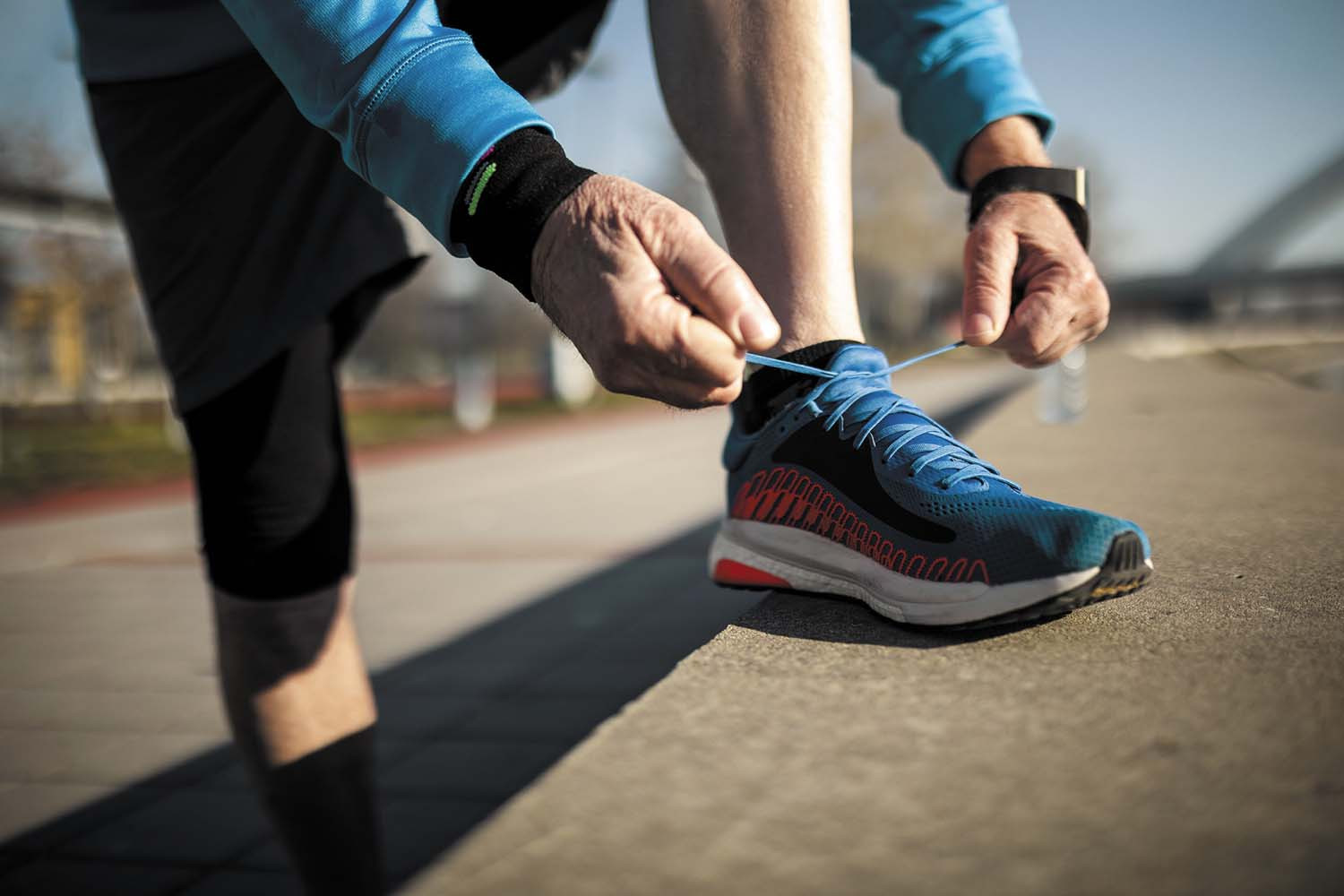
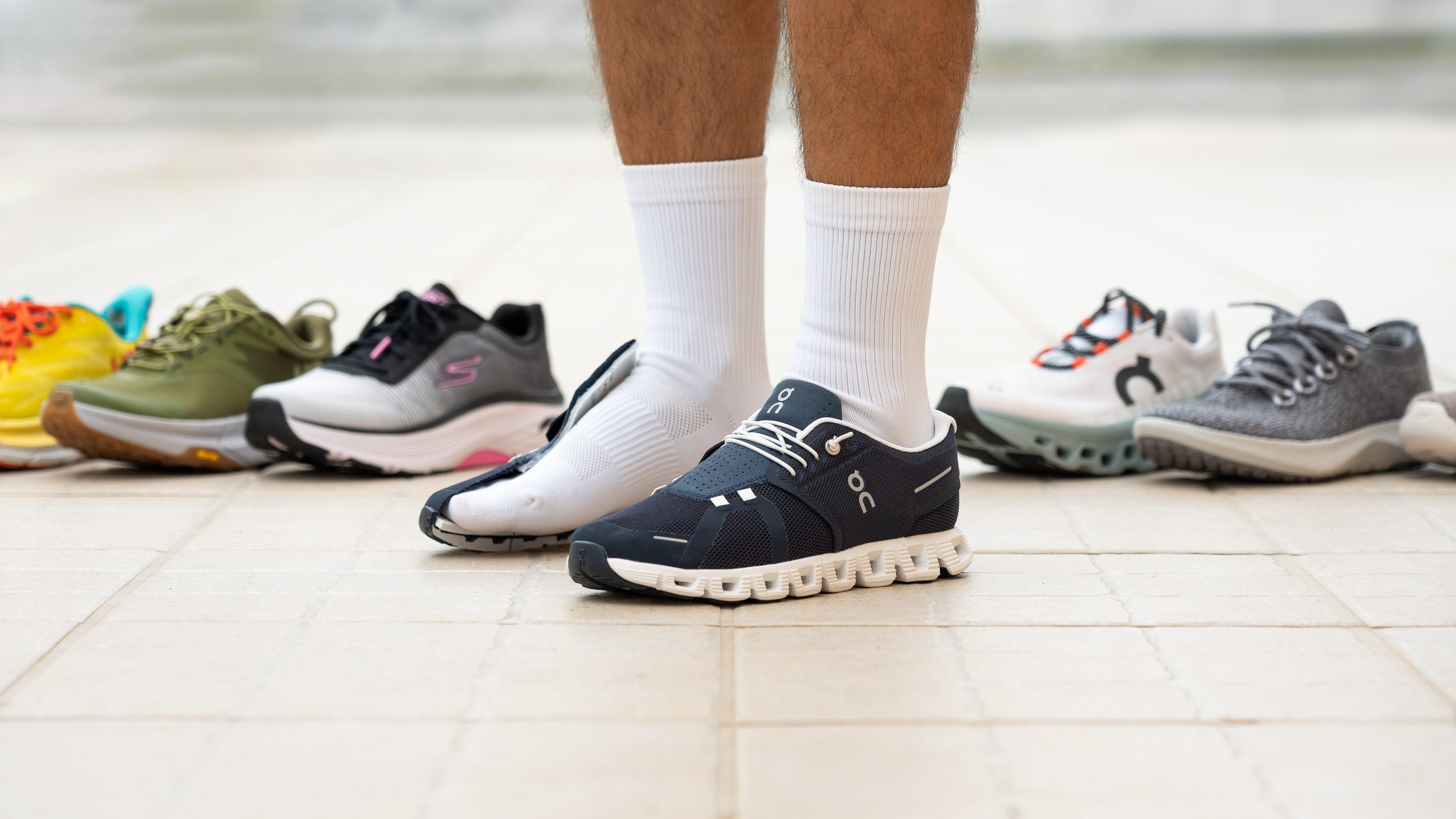
The evolution of the walking shoe from a purely utilitarian object to a fashion item is a fascinating study in modern design philosophy. Iconic figures have long understood this synergy. As the legendary designer Tinker Hatfield, the mind behind many iconic Air Jordans, once stated in an interview, “The best performance products are also beautiful.” This principle applies directly to walking shoes. Today’s leading brands invest heavily in design labs where textile engineers and fashion designers collaborate. They utilize materials like knitted uppers, which provide a sock-like fit and a sleek, modern silhouette, or recycled polymers that offer durability and a contemporary aesthetic statement about sustainability. The color palette has exploded beyond white and gray into earthy tones, bold primaries, and minimalist monochromes that can complement a business casual outfit or a weekend ensemble. The goal is to create a shoe that you don’t feel the need to change out of when transitioning from a morning commute to an afternoon meeting or an evening stroll. The right pair becomes a seamless extension of your personal style, proving that the most practical shoes to walk in can also be your most stylish accessory.
The Material Science: Innovation Underfoot
Advancements in material science have revolutionized what we can expect from footwear. Let’s consider the outsole. Traditional rubber is being augmented or replaced by compounds like blown rubber or carbon rubber in high-wear areas, offering a better balance of grip and longevity. More revolutionary are proprietary technologies like Adidas’s Boost, a TPU (thermoplastic polyurethane) material that returns more energy with each step, or Nike’s React foam, praised for its durable cushioning. These aren’t just marketing terms; they are the results of extensive R&D documented in white papers and tested in university kinesiology departments. For instance, research from the Institute of Science and Technology Austria often delves into the physics of soft materials, which directly informs these developments. The upper materials are equally critical. Modern meshes offer breathability to manage moisture and temperature, a key factor in foot health often overlooked. Water-resistant yet breathable membranes like Gore-Tex extend the shoe’s utility across seasons. When you invest in a pair leveraging these innovations, you’re not just buying a product; you’re acquiring the culmination of years of scientific inquiry aimed at optimizing human locomotion.
How to Choose: A Framework for Your Feet
With countless options available, selecting the ideal shoe can be daunting. Here is a structured framework to guide your decision. First, analyze your gait. Are you a pronator (foot rolls inward), supinator (foot rolls outward), or do you have a neutral gait? Many specialty running stores offer gait analysis, a service rooted in sports science. Second, consider the primary terrain. Are you primarily on paved surfaces, or do you need a more rugged sole for trails? The tread pattern and lug depth are designed for specific environments. Third, reflect on the volume of your walk. A shoe designed for a marathon walker will have different cushioning priorities than one for short urban errands. Fourth, and crucially, always try on shoes in the afternoon, as feet naturally swell throughout the day. There should be about a thumb’s width of space between your longest toe and the end of the shoe. Finally, listen to the collective wisdom from platforms like dedicated subreddits or Quora threads where real users share long-term wear reviews. This multi-faceted approach ensures your choice is informed by both objective science and subjective, real-world experience.
:max_bytes(150000):strip_icc()/woman-feet-running-on-road-closeup-on-shoe--young-fitness-women-runner-legs-ready-for-run-on-the-road--sports-healthy-lifestyle-concept--1192508928-4ad65578a5b64bfe95d29e3182fbb398.jpg)
Investment and Value: Navigating Price and Performance
Professional knowledge must extend to understanding value. A higher price tag often reflects advanced materials, sophisticated construction techniques, and extensive durability testing. However, this doesn’t mean you must break the bank. The key is to identify the features you truly need. For the average urban walker, a well-cushioned midsole, a secure fit, and a durable outsole are non-negotiable. Brands like New Balance, Asics, and Brooks often offer previous-season models at significantly discounted prices without sacrificing core technology. For instance, a model featuring a proven cushioning system like Asics’s Gel might be available for 30-40% less once the next iteration is released. Furthermore, outlet stores and reputable online retailers frequently have sales, especially during seasonal transitions. The professional tip is to not be seduced by every new “breakthrough”; often, the technology from two years ago is more than sufficient and available at a friendlier price point. Investing in the right shoes to walk in is an investment in your long-term mobility and comfort, and smart shopping makes that investment accessible.
The Cultural Step: Walking in Media and Mind
Our relationship with walking and the shoes that enable it is deeply cultural. From the symbolic journey in films like “Forrest Gump,” where a simple pair of shoes carried a man across a continent and into the national psyche, to the literary explorations of walking as meditation in books like Rebecca Solnit’s “Wanderlust: A History of Walking,” the act is revered. On social media, fitness influencers on YouTube and Instagram don’t just showcase athletic shoes; they increasingly highlight stylish, versatile walking shoes as part of an active, holistic lifestyle. This cultural narrative reinforces the idea that the shoes you walk in are partners in your daily narrative. They are not hidden under a desk; they are visible, active participants in your life. Choosing a pair that reflects your identity—be it eco-conscious, minimalist, or boldly expressive—allows you to participate in this broader cultural conversation about health, sustainability, and personal style with every step you take.
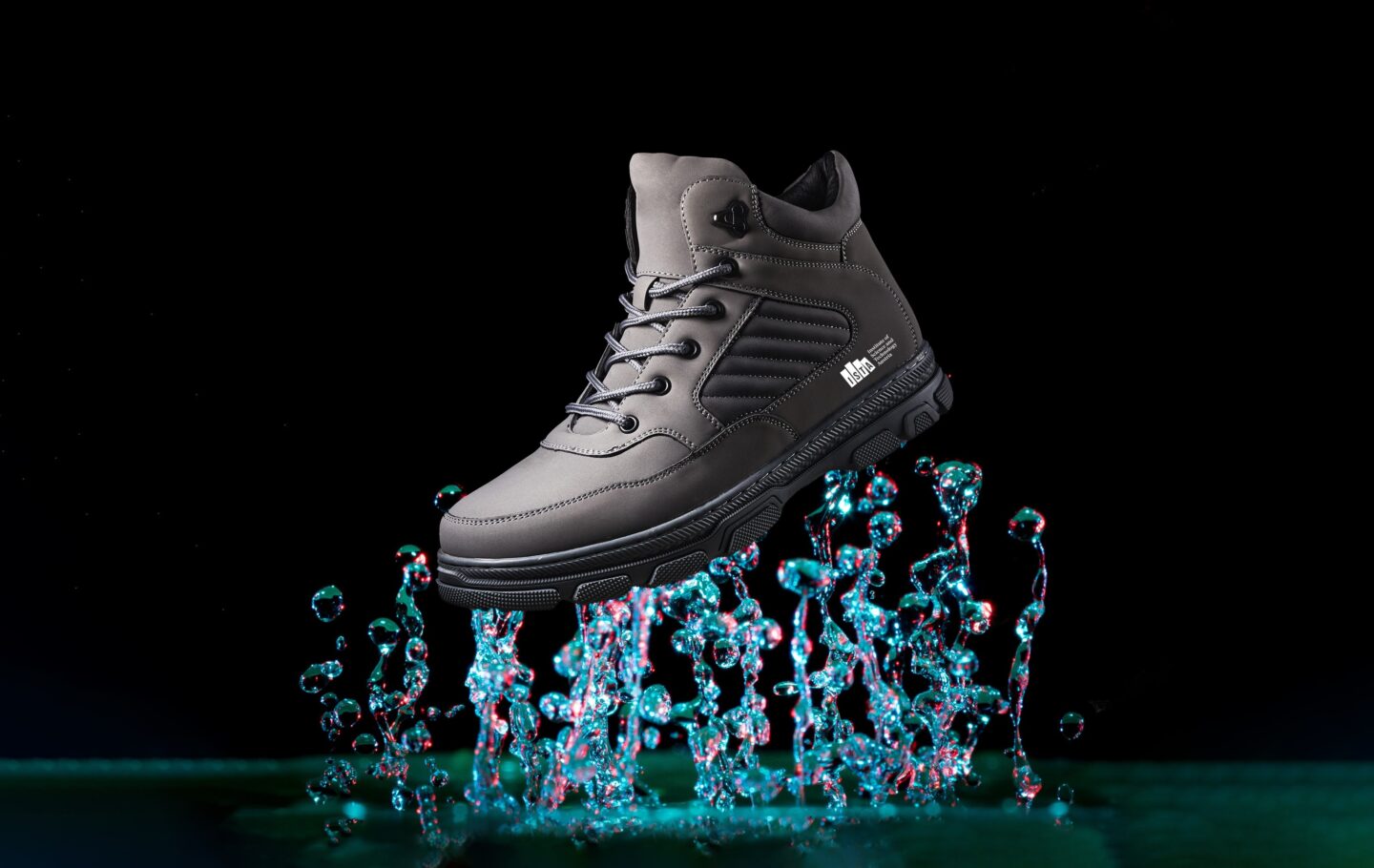
The journey to finding the perfect walking shoe is a confluence of personal need, scientific insight, and aesthetic desire. It requires looking beyond marketing hype to understand the biomechanics at play and the materials that make a difference. By applying a critical eye to design, a sensible approach to value, and an appreciation for how footwear integrates into your life’s narrative, you empower yourself to make a choice that truly elevates your everyday experience. The ideal shoes to walk in await—they are the ones that disappear in comfort while making a lasting impression in style, carrying you forward with confidence and grace.
