

The Ultimate Guide to Shoes That Walk You Through Every Season
Your journey through the year is a narrative written in steps, and the protagonist of this story is the footwear you choose. This isn’t about fleeting fashion; it’s about a fundamental partnership between you and the ground beneath your feet. The right pair of shoes to walk in is a tool for liberation, a shield against the elements, and a silent engineer of your posture and health. From the crisp, leaf-strewn paths of autumn to the sun-baked sidewalks of summer, each season presents a unique dialogue between your body and the environment. This guide is your companion in that dialogue, merging objective science with practical wisdom to ensure that every step you take, regardless of the month on the calendar, is supported, comfortable, and confident. We’ll move beyond mere aesthetics to explore the biomechanics, material science, and seasonal strategies that transform a simple shoe into your personal all-weather vehicle.
The Foundation: Biomechanics and the Science of the Step
Before we delve into seasonal specifics, we must establish what makes a shoe truly functional for walking. Walking is a complex, repetitive load-bearing activity. According to research from the Gait Analysis Laboratory at Stanford University, the average foot strikes the ground with a force of 1.2 to 1.5 times body weight with each step. Over a mile, that accumulates to hundreds of tons of force. A proper walking shoe is engineered to manage this force through a synergy of cushioning, stability, and flexibility. The key components are the midsole, often made from EVA (ethylene-vinyl acetate) or polyurethane for shock absorption; the outsole, designed with specific tread patterns (lugs) for traction; and the upper, which must offer breathability and secure fit without constriction. The rocker sole, a design feature pioneered by brands like MBT and now incorporated into many models, facilitates the natural heel-to-toe rolling motion, reducing strain on joints. As Dr. Casey Kerrigan, a former Harvard Medical School professor and founder of a biomechanics-focused footwear company, stated in an interview with The Atlantic, “Most shoes, by providing too much support, have actually weakened our foot muscles. The goal is to protect without over-supporting, to allow natural foot motion while mitigating harmful impact.” Therefore, selecting shoes to walk in is a balance—providing enough protection from hard surfaces without creating a passive, restrictive environment for the foot.
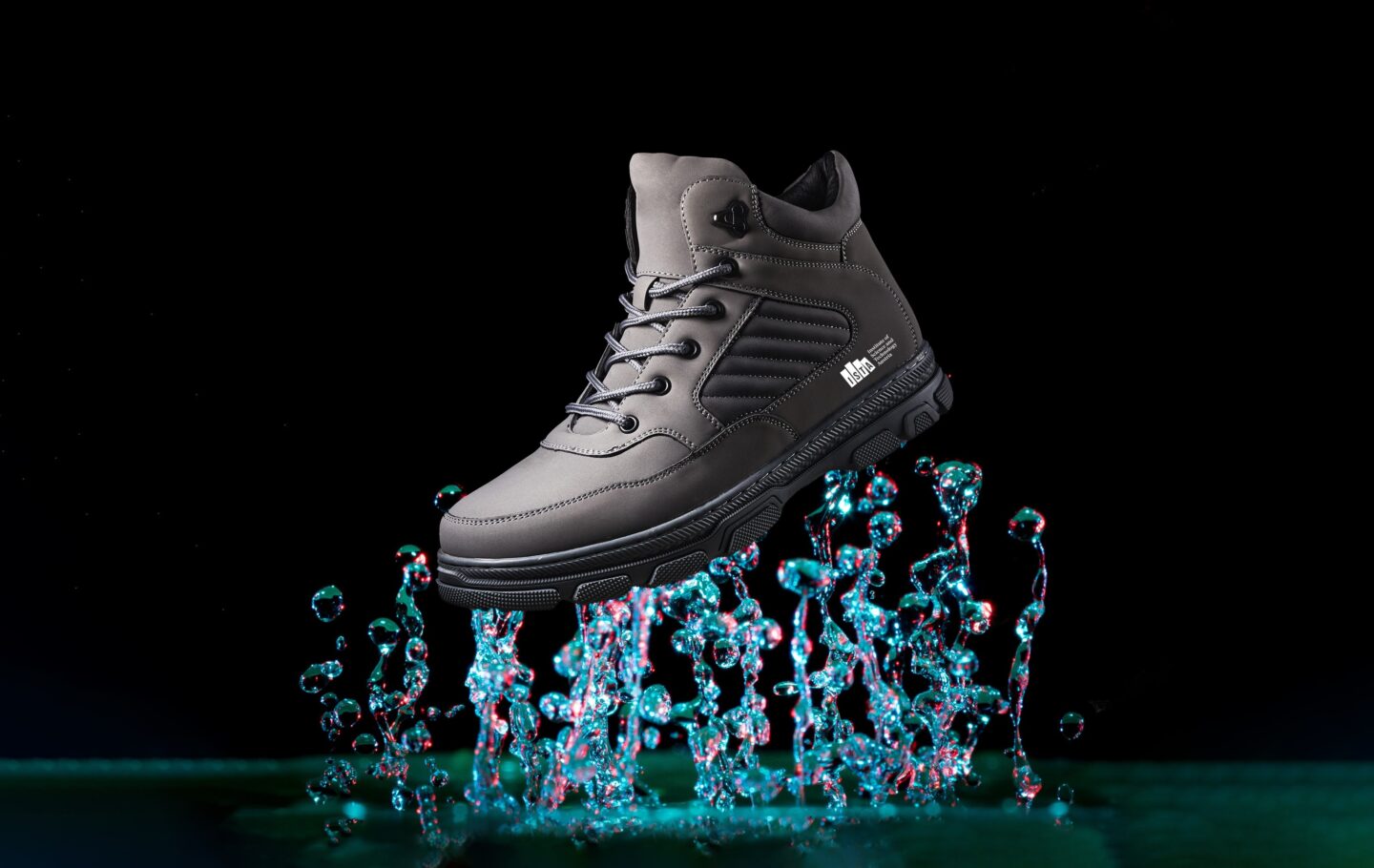
Spring: Traction for Showers and Support for Renewed Activity
Spring is a season of transition, characterized by unpredictable weather—sudden downpours, lingering mud, and rapidly warming temperatures. Your footwear needs to be as adaptable as the season itself. The primary challenge is moisture. Here, the scientific concept of hydrophobicity becomes crucial. Many modern hiking and walking shoes utilize membranes like Gore-Tex, a waterproof yet breathable fabric based on expanded polytetrafluoroethylene (ePTFE). As explained on its official website, Gore-Tex contains 9 billion pores per square inch, each too small for liquid water to penetrate but large enough for water vapor (sweat) to escape. This technology is invaluable for keeping feet dry during spring showers. Furthermore, traction is paramount. Look for outsoles with multi-directional lugs made from carbon rubber or similar durable compounds. The tread pattern should be deep enough to shed mud and provide grip on wet pavement, a principle well-documented in tire and footwear traction studies. For the urban walker, a sleek waterproof sneaker with a sealed seam construction might be ideal. After a sedentary winter, your muscles and ligaments are re-awakening. Opt for shoes with good arch support and a slightly higher level of cushioning to ease the shock on your joints as you increase your mileage. Remember, the goal for spring is a versatile shoes to walk in that guards against wetness while providing a forgiving platform for your re-energized stride.
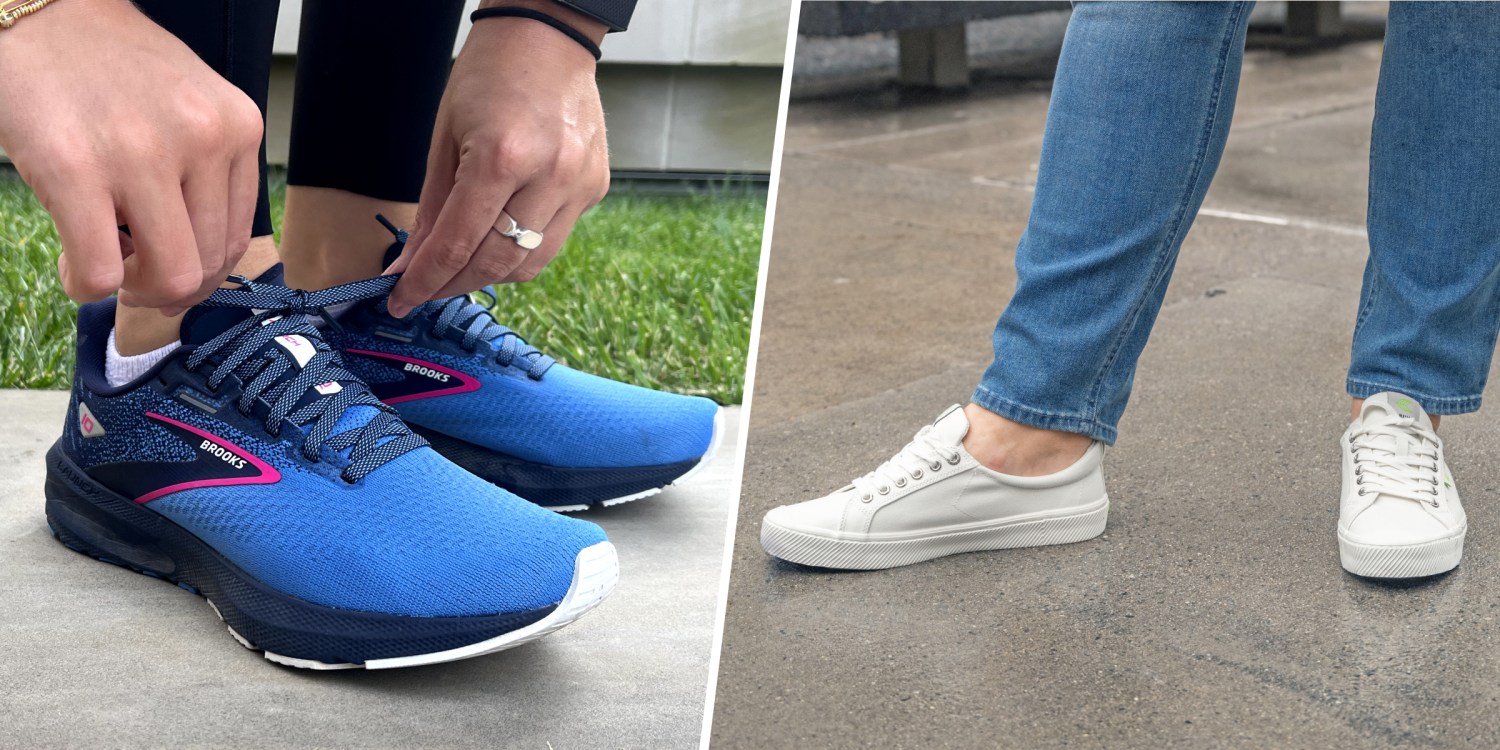
Summer: Breathability, Lightness, and Heat Management
When temperatures soar, the foot’s microenvironment inside a shoe can become a sweltering chamber. The core scientific principle for summer footwear is thermoregulation. Feet have approximately 250,000 sweat glands and can produce over a half-pint of moisture per day. Shoes that trap this heat and humidity create a breeding ground for discomfort and issues like blisters or fungal infections. Therefore, breathability is non-negotiable. Look for uppers made from engineered mesh, a lightweight synthetic fabric with vast, visible pores that promote maximum airflow. Traditional leather, while durable, is often less breathable. The importance of moisture-wicking linings, often made from polyester or wool blends (like Merino wool, renowned for its temperature-regulating properties), cannot be overstated. As noted in textile science literature from the Massachusetts Institute of Technology, these materials use capillary action to pull sweat away from the skin to the outer layer of the fabric, where it can evaporate. Weight is another critical factor. Every gram matters when you’re taking thousands of steps. Summer shoes to walk in should feel almost effortless. Consider styles with single-layer mesh uppers and midsoles made from newer, lighter foams like Adidas’s Boost or Nike’s React. Furthermore, a light-colored upper will reflect more solar radiation than a dark one, a basic principle of physics that directly contributes to cooler foot temperature. The ideal summer shoe is a well-ventilated, minimalist shelter that protects your soles from hot pavement without becoming an oven.
Autumn: Stability on Uneven Terrain and Insulation for the Chill
Autumn brings a visual feast and a tactile challenge underfoot. Slippery wet leaves, hidden roots, and a sharp drop in ambient temperature demand a strategic shift in footwear. The key words here are stability and progressive insulation. On uneven, leaf-covered trails, ankle support and a secure platform become vital. While high-top boots offer maximum ankle stability, many modern trail walking shoes provide ample support through a combination of a wider base, heel counters (rigid material around the heel), and torsional rigidity (resistance to twisting). Materials like thermoplastic polyurethane (TPU) are often used in midfoot shanks to provide this stability without excessive weight. As the air chills, insulation must be balanced with breathability. Full waterproof boots might be overkill and cause sweating on milder days. Instead, look for shoes with light insulation, such as a thin layer of Thinsulate™, a microfibre insulation developed by 3M that provides warmth without bulk. The outsole must have an aggressive, self-cleaning lug pattern to prevent mud and leaf pack, ensuring consistent grip. Think of your autumn footwear as a transition piece—more substantial than your summer sneakers but not as heavy as deep-winter boots. It’s the perfect companion for those long, contemplative walks where the only sound is the crunch of leaves underfoot, a testament to a well-chosen pair of shoes to walk in.
:max_bytes(150000):strip_icc()/tal-walking-shoes-test-on-cloud-5-ashleigh-morley-01-f02f544a3dcf4b67b919b810eac77f09.jpeg)
Winter: Waterproof Integrity, Thermal Protection, and Traction on Ice
Winter is the ultimate test for footwear. The triumvirate of cold, wet, and ice requires a specialized approach centered on barrier technology and advanced traction. Waterproofing moves from a feature to a necessity. Beyond membranes, construction details matter. A “bootie” construction, where the waterproof liner is built as a continuous sleeve, is more reliable than stitched seams that can leak. Insulation levels are measured in grams (e.g., 200g, 400g Thinsulate). For most winter walking, 200-400g is sufficient for urban and moderate trail use, as recommended by outdoor gear experts on platforms like REI’s Expert Advice. The most critical innovation for winter safety, however, is in the outsole. Black ice is a pervasive hazard. Standard rubber compounds harden and lose grip in freezing temperatures. Brands like Vibram offer Arctic Grip or similar technologies that use a rubber compound embedded with millions of microscopic glass fibers or other abrasives that bite into ice. This isn’t mere marketing; a 2017 study published in the Journal of Sports Engineering and Technology tested various outsole materials on ice and found that compounded rubbers with high filler content significantly improved coefficient of friction. Your winter shoes to walk in are your most important piece of safety gear. They must create a warm, dry microclimate for your feet while providing the literal footing to navigate frozen landscapes with confidence.
Investing in Your Journey: Where Knowledge Meets Value
Understanding the science and seasonal needs empowers you to make intelligent investments. Professional knowledge is your best defense against overpaying for gimmicks or under-spending on critical support. Consider this: a high-quality pair of walking shoes from a reputable brand with proper biomechanical design can typically last for 500-800 miles before the midsole cushioning significantly degrades, as per data from the American Podiatric Medical Association. Spreading the cost over that mileage reveals excellent value per step. To access this value, be a savvy shopper. Subscribe to newsletters from major retailers and specialty running/walking stores for alerts on seasonal sales. Outlet stores and online marketplaces often carry previous-season models with identical technology at a fraction of the price. The minor cosmetic updates of a new line rarely justify a large price increase over a functionally identical predecessor. Remember, the most expensive shoe is not always the best for your specific foot and gait. Many specialty stores offer free gait analysis, a service that provides professional insight into your pronation and arch type, ensuring you buy the right tool for the job. By combining this professional knowledge with strategic shopping, you equip yourself with exceptional footwear that supports your year-round journey without straining your budget. Your feet, your joints, and your future self will thank you for every mindful step taken in the right pair of shoes.
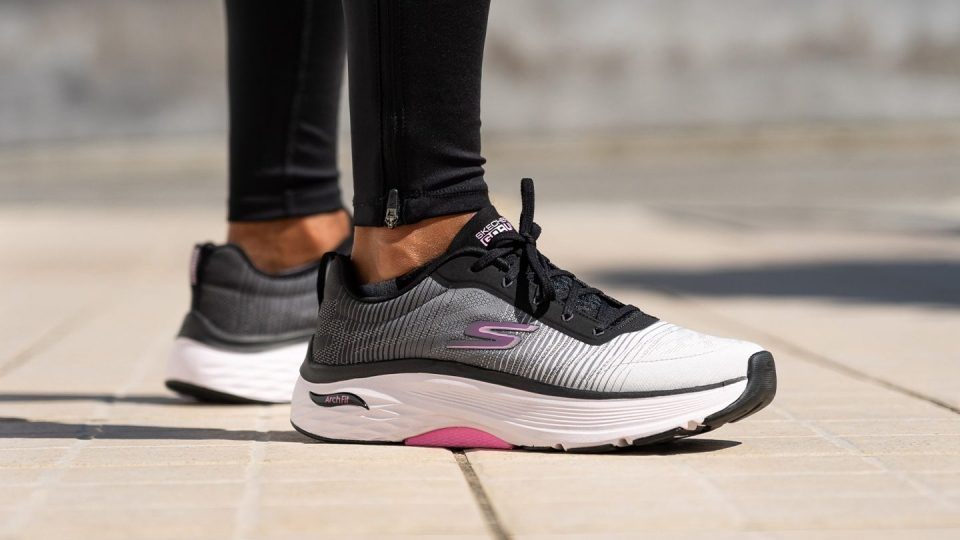
Your path through the seasons is not a series of disconnected episodes but a continuous voyage. The footwear you select is the most intimate piece of gear for this voyage, a daily interface between your aspirations and the earth. It is a choice that resonates through your skeleton with every impact and influences your mood with every comfortable mile. By applying a lens of science and seasonality, you move from being a passive consumer to an active curator of your own mobility and well-being. Let this guide be the first step in a more intentional journey, where every pair you choose is not just an accessory, but a trusted partner engineered for the specific rhythm of the rain, the sun, the leaves, and the snow. The world is meant to be walked, and now, you are prepared to walk it.
