

The Ultimate Guide to Choosing Shoes That Walk You Through Every Season
Your journey begins with a single step, but the quality of that step is defined by what you wear on your feet. This isn’t just about fashion; it’s about forging a partnership with the ground beneath you. The right pair of shoes to walk in is a silent guardian for your body, a tool that adapts to the world’s changing face from the blistering heat of summer to the icy grip of winter. Let’s move beyond fleeting trends and delve into the anatomy of choice, building a foundation of knowledge that will carry you, comfortably and confidently, through every path you choose to tread.
The Foundation: Understanding Your Foot’s Architecture
Before you consider color or brand, you must become an expert on the terrain you are outfitting: your own feet. The human foot is a marvel of biological engineering, comprising 26 bones, 33 joints, and over 100 muscles, tendons, and ligaments. This complex structure is designed for propulsion, balance, and shock absorption. Ignoring its unique shape is the primary reason for discomfort and injury. Start by identifying your arch type—neutral, low (flat feet), or high. The classic “wet test” (stepping onto a dry paper bag or cardboard with a wet foot) remains a simple, effective method. A neutral arch will show a distinct curve inward, a flat foot will leave an almost complete imprint, and a high arch will reveal only a narrow band connecting the heel and ball. Furthermore, observe your wear patterns on old shoes. Excessive wear on the inner side suggests overpronation (rolling inward), while wear on the outer edge points to supination (rolling outward). A neutral gait will show even wear. This self-knowledge isn’t anecdotal; it’s supported by podiatric science. As Dr. James Ioli, Chief of Podiatry at Brigham and Women’s Hospital, states, “Selecting footwear that complements your foot’s natural structure and gait cycle is the first line of defense against common ailments like plantar fasciitis, metatarsalgia, and stress fractures.” Your shoes to walk in must be chosen not for how they look on a shelf, but for how they support this intricate architecture with every step you take.
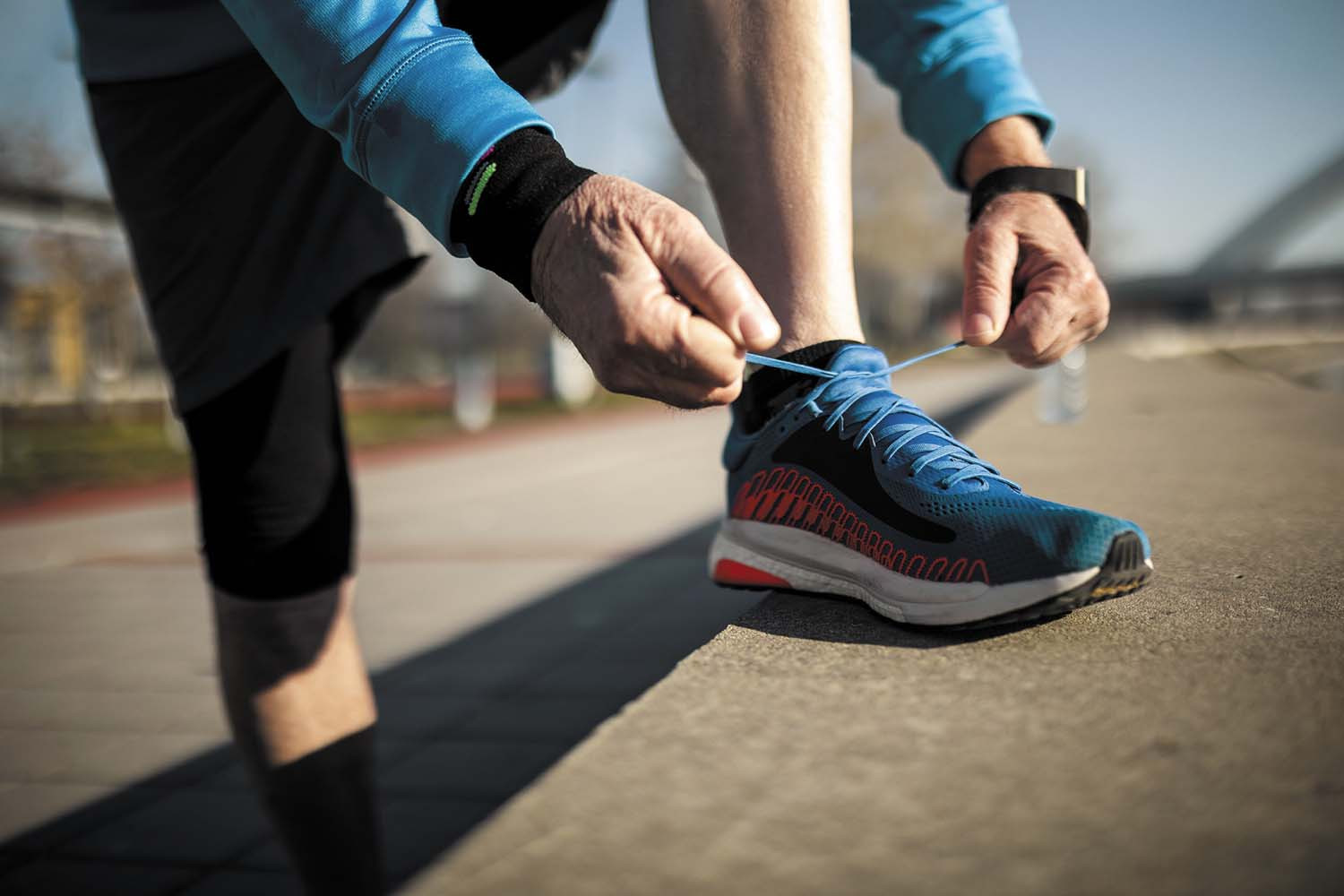
Material Matters: Breathability, Waterproofing, and Durability
The fabric and composition of your shoe are its first responders to environmental conditions. Think of materials as a building’s climate control system. For the warm, humid months, breathability is paramount. Modern mesh uppers, particularly those engineered with technical synthetics, facilitate critical airflow, wicking moisture away from the foot to prevent blisters and fungal infections. Leather, while durable, often lacks the same level of breathability unless specifically perforated. Conversely, the rainy springs and snowy winters demand a fortress-like approach. Here, technologies like Gore-Tex membranes become invaluable. This patented membrane, featuring over 9 billion pores per square inch—each 20,000 times smaller than a water droplet but 700 times larger than a water vapor molecule—creates a barrier that is impervious to liquid water from the outside while allowing perspiration vapor to escape from within. Durability is the third pillar. The outsole’s rubber compound, measured by its hardness on the durometer scale, determines traction and longevity. A softer compound (like those in many trail runners) provides superior grip on varied terrain but may wear down faster on pavement. The debate between natural and synthetic materials is ongoing, but the objective is clear: your chosen material must form a symbiotic relationship with the season’s challenges. A study from the University of Calgary’s Human Performance Laboratory emphasizes that “appropriate footwear material selection can reduce metabolic cost by maintaining an optimal microclimate around the foot, thereby preserving energy over long distances.” Therefore, the ideal shoes to walk in for your annual cycle are not a single pair, but a curated collection of specialized tools.

The Seasonal Rotation: A Quartet of Purpose
Adopting a seasonal shoe wardrobe is the hallmark of a mindful walker. It is an acknowledgment that one tool cannot master all tasks.
Spring: The Season of Transition and Traction
Spring is a promise of renewal, but it delivers that promise through mud, lingering chill, and unpredictable showers. Your footwear here needs to be adaptable. Look for shoes with a versatile outsole—deeper lugs than a road shoe to handle soft, wet trails, but not as aggressive as a full hiking boot. Water resistance is crucial; a shoe with a DWR (Durable Water Repellent) coating or a lightweight waterproof liner will keep your feet dry during sudden April showers. However, remember the lesson of breathability; a fully waterproof, non-breathable boot on a warm spring day can create a sauna for your feet. The midsole should offer a balance of cushioning for occasional hard surfaces and stability for uneven ground. Think of your spring shoes to walk in as your all-terrain vehicle: capable, protective, but not overly burdensome. As noted by outdoor experts on platforms like REI’s blog, the mistake many make is retiring winter boots too early and jumping straight into summer sneakers, leaving feet vulnerable to the season’s damp, variable conditions.
Summer: The Pursuit of Lightness and Ventilation
Summer demands a minimalist philosophy focused on weight and airflow. This is the season for engineered mesh uppers that feel almost translucent, promoting maximum ventilation. Cushioning remains important, but it should be responsive rather than plush, avoiding the retention of heat. Consider shoes with lighter, more flexible outsoles designed for pavement, boardwalks, and dry paths. Color can play a functional role here too; lighter shades reflect sunlight, helping to keep the shoe’s internal temperature lower. The design should accommodate natural foot swelling, which occurs in heat, so ensure there’s adequate space in the toe box. The iconic scene in the film Forrest Gump, where the title character embarks on a coast-to-coast run in simple running shoes, ironically highlights a key point: for prolonged, warm-weather activity, the simplicity, lightness, and breathability of the shoe are its greatest assets. Your summer companions should feel like an extension of your foot, not a barrier between you and the sun-baked earth.

Autumn: Stability on Unpredictable Terrain
Autumn brings a tapestry of colors and a carpet of fallen leaves, which can hide roots, rocks, and become slippery when wet. Stability and grip move to the forefront. Shoes with a wider platform and a lower heel-to-toe drop can enhance stability on uneven, obscured trails. The outsole rubber should be sticky and patterned to shed mud and grip wet surfaces. As temperatures begin to drop, a slightly more substantial upper, perhaps a combination of mesh and synthetic overlays, offers a better balance of protection and breathability. This is also the time to consider slightly more ankle support if your walks venture off perfectly groomed paths. The philosophy aligns with the principles in Cheryl Strayed’s memoir Wild, where her ill-fitting boots caused immense hardship on the Pacific Crest Trail. The right autumn shoe provides confident footing, allowing you to engage with the changing landscape without fear of a misstep on hidden obstacles.
Winter: Insulation, Waterproofing, and Traction Mastery
Winter is the ultimate test. Here, your footwear is your primary defense against the elements. Insulation is non-negotiable. Materials like Thinsulate™ or primaloft provide warmth without excessive bulk. A robust waterproof membrane is essential to block slush and melting snow. However, the most critical feature is often the outsole. Look for technologies like Vibram® Arctic Grip or similar compounds that remain pliable in sub-zero temperatures and feature multidirectional lugs for ice and snow. Some winter-specific shoes to walk in even incorporate integrated traction devices like microspikes for icy conditions. The goal is to create a dry, warm, and stable environment for your foot, irrespective of the chaos outside. Failing to equip proper winter footwear doesn’t just risk discomfort; it can lead to dangerous loss of traction. Resources like the American Hiking Society consistently rank appropriate winter traction as a top safety priority for cold-weather activities.
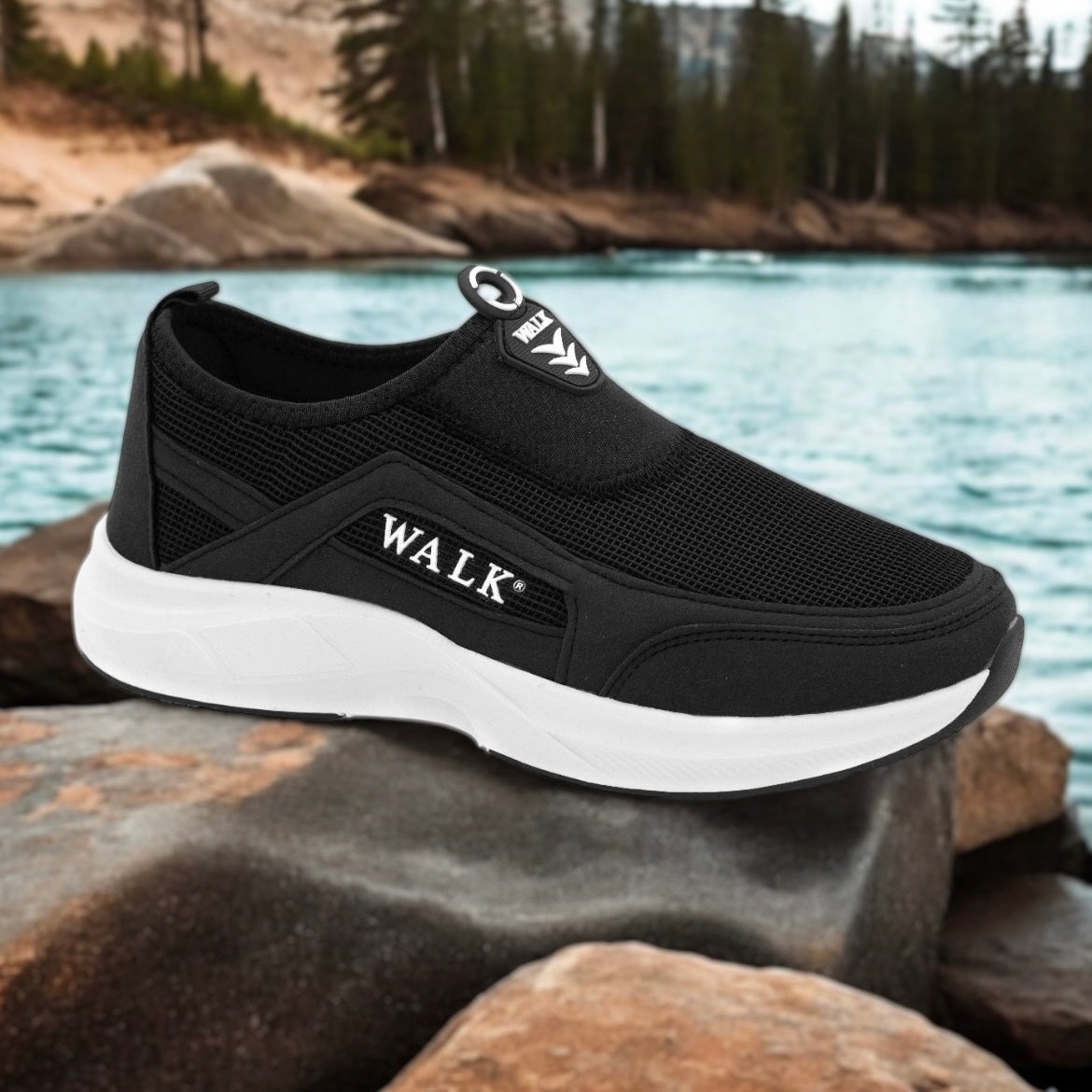
Investing in Your Stride: Where Knowledge Meets Value
Armed with this technical understanding, you are now a discerning buyer, not an impulsive consumer. This knowledge directly translates to value. Professional-grade insight allows you to identify the essential technologies you need, avoiding overpaying for superfluous features on “hype” models. Seek out previous season’s colorways, which often see significant discounts as retailers make room for new inventory. Subscribe to newsletters from reputable outdoor retailers for early access to sales. Consider factory recertified or refurbished programs from major brands, which offer deeply discounted products that have been inspected and restored to like-new condition. Remember, the most expensive shoe is not necessarily the best shoes to walk in for you; the right shoe is the one that matches your foot mechanics, intended use, and the seasonal challenge at hand. A $80 shoe that fits perfectly and is designed for your specific gait is a far wiser investment than a $200 shoe chosen for its celebrity endorsement. Your stride is priceless; protecting it requires informed investment, not just expenditure.
Your path through the seasons is a story written in footsteps. Let each step be one of comfort, confidence, and connection. By choosing footwear with intention and scientific understanding, you are not just buying shoes—you are selecting reliable companions for every chapter of your journey. The world awaits; ensure you are equipped to walk through it all.
