

The Ultimate Guide to Choosing Shoes That Walk With You
Your journey begins with a single step, but that step is only as good as the foundation beneath it. We often speak of shoes as mere accessories, items to complete an outfit or protect our feet. Yet, the right pair transcends this simple utility; they become an extension of your body, a partner in motion. This is about more than fashion or basic comfort—it’s about biomechanical harmony. The wrong choice can lead to a cascade of issues, from localized foot pain to problems impacting your knees, hips, and back. The right choice, however, can unlock freedom, endurance, and joy in movement. This guide is dedicated to helping you find those shoes to walk with you, not just on you, through a synthesis of objective science, professional insight, and practical wisdom.
The Foundation: Understanding Your Foot’s Architecture
Before you consider a single brand or style, you must become an expert on your own feet. This is not an exaggeration. Your foot is a marvel of engineering, comprising 26 bones, 33 joints, and over 100 muscles, tendons, and ligaments. Its primary functions are to absorb shock, provide balance, and propel you forward. The critical concept here is your gait cycle—the sequence of motions from when your heel strikes the ground to when the same toe pushes off. A neutral gait is efficient, but many of us have variations: overpronation (where the foot rolls inward excessively) or supination (where it rolls outward). These patterns are not inherently bad, but they dictate the type of support you need. As Dr. James Ioli, Chief of Podiatry at Brigham and Women’s Hospital, has stated, “Shoes are the interface between your body and the ground. They should correct for imbalances, not exacerbate them.” You can perform a simple wet test at home (wet your foot and step on a paper bag) to see your arch type, but for a definitive analysis, a gait assessment at a specialty running store or a podiatrist’s office is invaluable. This scientific self-knowledge is the non-negotiable first step in choosing shoes to walk miles in comfort.
Decoding the Shoe: Anatomy of a Perfect Partner
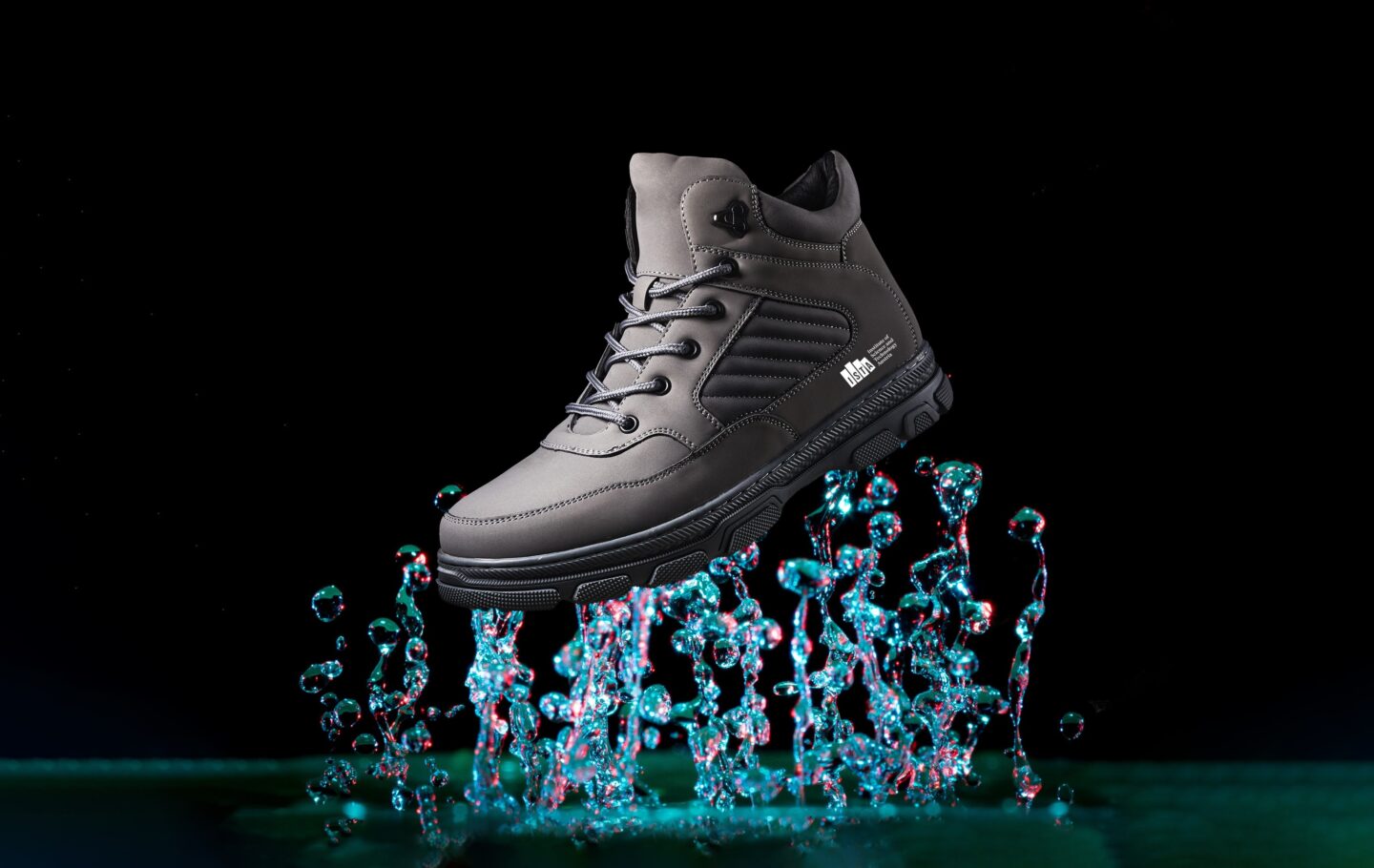
Once you understand your foot, you can decode a shoe’s anatomy. Every component serves a purpose. Let’s start from the ground up. The outsole is the treaded rubber bottom. Its pattern and rubber compound determine traction and durability. A deeper, multi-directional lug pattern is excellent for trails, while a smoother, carbon rubber outsole offers longevity on pavement. Above that lies the midsole, the heart of the shoe. This is where cushioning and stability technologies reside. Materials like EVA (ethylene-vinyl acetate) foam are common, but newer compounds like PEBAX (Polyether block amide) and proprietary gels offer superior energy return and longevity. The key is not maximal cushioning for everyone, but the right cushioning for you. A heavier person or someone with joint issues may benefit from more plush materials, while a lighter, efficiency-focused walker might prefer a firmer, more responsive ride. The heel counter is the rigid cup at the back that cradles your heel, preventing slippage and controlling rear-foot motion. A firm, well-padded counter is crucial for stability. The upper is the fabric or mesh that envelops your foot. It should be breathable, flexible, and seamless in high-friction areas to prevent blisters. Finally, the last is the three-dimensional mold around which the shoe is built. It determines the overall shape—straight, semi-curved, or curved—matching common foot structures. A shoe built on a straight last, for instance, is typically better for overpronators. Understanding these elements transforms you from a passive buyer to an informed selector.
The Critical Intersection: Activity, Terrain, and Fit
A shoe is a tool, and you must match the tool to the task. A shoe designed for a paved city sidewalk is ill-suited for a rocky mountain path, and vice-versa. For daily urban walking or fitness walking on even surfaces, prioritize lightweight construction, good breathability, and flexible forefoots for a natural roll. If your shoes to walk in are for trail use, look for aggressive outsoles, protective toe caps, and often a slightly stiffer construction to handle uneven ground. But the most perfectly designed shoe is worthless if it doesn’t fit. Here, conventional wisdom fails us. Your walking shoe should typically be a half to a full size larger than your dress shoes. Your feet swell during the day and during activity, and you need ample space (about a thumbnail’s width) between your longest toe and the end of the shoe to prevent bruising. Width is equally critical; your foot should not spill over the sides, nor should there be excessive material bunching. Always try shoes on with the socks you intend to wear and do so at the end of the day when your feet are largest. Walk around the store, on an incline if possible. As renowned ultramarathoner and footwear reviewer “The Gear Junkie” once noted on his YouTube channel: “A shoe can feel fine in a 30-second try-on. It’s in the 30-minute mark that the truth reveals itself—seams press, materials rub, and the midsole might feel dead. Never commit until you’ve given it a proper test drive.”
:max_bytes(150000):strip_icc()/tal-walking-shoes-test-on-cloud-5-ashleigh-morley-01-f02f544a3dcf4b67b919b810eac77f09.jpeg)
The Longevity Equation: When to Retire Your Faithful Companions
Even the best shoes to walk in have a finite lifespan. The cushioning and support materials break down long before the outsole is visibly worn out. Continuing to use degraded shoes is one of the most common causes of overuse injuries. The general rule of thumb is 300-500 miles, but this varies dramatically based on your weight, gait, and the shoe’s construction. Monitor your shoes for signs of aging: do they no longer feel springy? Does the midsole foam look compressed and creased? Does the heel counter feel less rigid? Place them on a flat table and look at them from behind; do they tilt inward or outward, indicating the support structure has collapsed? An article from Verywell Fit, citing sports medicine professionals, emphasizes that “listening to your body is key. If you start to develop new, unexplained aches in your feet, shins, or knees, your shoes are often the first place to look.” Keeping a rough log of your walking distance can provide an objective measure, but the subjective feel is your ultimate guide. Retiring a worn-out pair is not an expense; it’s an investment in your continued mobility.
:max_bytes(150000):strip_icc()/when-should-i-replace-my-walking-shoes-3436325-0801-7a1840d83573471092e0380f9e230ecc.jpg)
Beyond the Purchase: Professional Knowledge as Your Ally
Armed with this knowledge, you are empowered. But empowerment also means knowing when to seek expert help. A visit to a certified pedorthist (a professional who designs, manufactures, fits, and modifies footwear) can be transformative, especially if you have specific medical conditions like plantar fasciitis, bunions, or diabetes. They can analyze your gait with sophisticated pressure-mapping technology and make precise recommendations, sometimes including custom orthotics. Orthotics are not one-size-fits-all; they are medical devices prescribed to correct specific biomechanical issues. Furthermore, professional knowledge extends to care. Rotating between two pairs of shoes to walk in allows the foam in each pair to fully decompress between uses, dramatically extending their life. Knowing how to clean different upper materials (e.g., never machine-washing shoes with glued components or stiff counter supports) preserves their integrity. This deep, practical knowledge is what separates a mere consumer from a dedicated steward of their own physical well-being.
Finding Value: Where Professional Insight Meets Discounted Prices
Quality footwear is an investment, but it need not break the bank. The key is strategic purchasing. New models are released annually, often with minor updates. When the new version arrives, the previous model’s price can drop significantly, yet it retains 90% of its performance. End-of-season sales, holiday promotions, and outlet stores are excellent hunting grounds. However, the most important rule is to never compromise on fit for price. A $50 shoe that fits perfectly is a better value than a $150 shoe on sale that causes blisters. Subscribe to newsletters from reputable retailers and price-tracking websites. Consider factory-recertified or refurbished shoes from the manufacturer’s own outlet, which are rigorously inspected and sold at a fraction of the cost. Remember, the goal is to bring professional-grade knowledge to your search, allowing you to identify true value—where discounted prices offer access to the technology and quality you need, not just an attractive price tag on an inferior product.
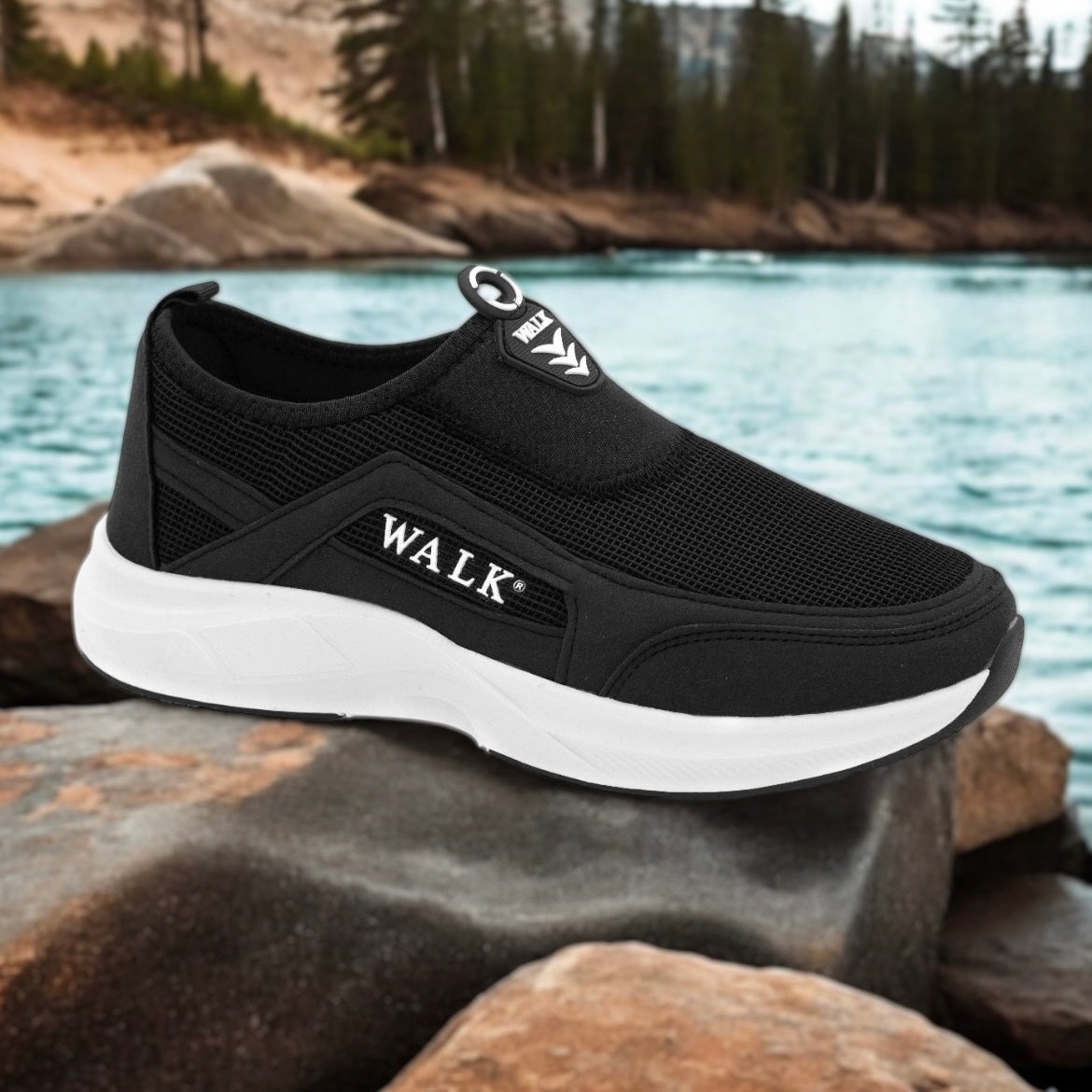
The quest for the perfect pair is a journey of alignment—aligning objective design with subjective feel, scientific principle with personal rhythm. It moves beyond treating shoes as disposable commodities and towards recognizing them as essential gear for the profound, simple act of putting one foot in front of the other. When you find that pair that disappears on your foot, that propels you forward without complaint, that supports you mile after mile, you have found more than footwear. You have found a partner. You have found shoes to walk with you, through city streets and forest paths, through the daily routine and the extraordinary adventure, every step of the way.
