

Styling Your 80s Sneakers for Modern Cool
Let’s cut straight to the point: the 80s sneakers collecting dust in your closet or sitting pristine in a retro shop aren’t just relics; they are a foundational element for crafting a look that is distinctly contemporary. This isn’t about nostalgia for nostalgia’s sake. It’s about recognizing that the design principles of that era—bold color blocking, experimental silhouettes, and a fearless blend of performance and style—are the very ingredients modern fashion craves. We’re moving beyond the museum-curated “vintage” piece and into the realm of intentional, intelligent styling. The goal is to harness the inherent character of these shoes and weave them into your current wardrobe, creating outfits that speak of confidence, knowledge, and a personalized cool that fast fashion can’t replicate.
The Unshakeable Foundation: Why 80s Design Endures
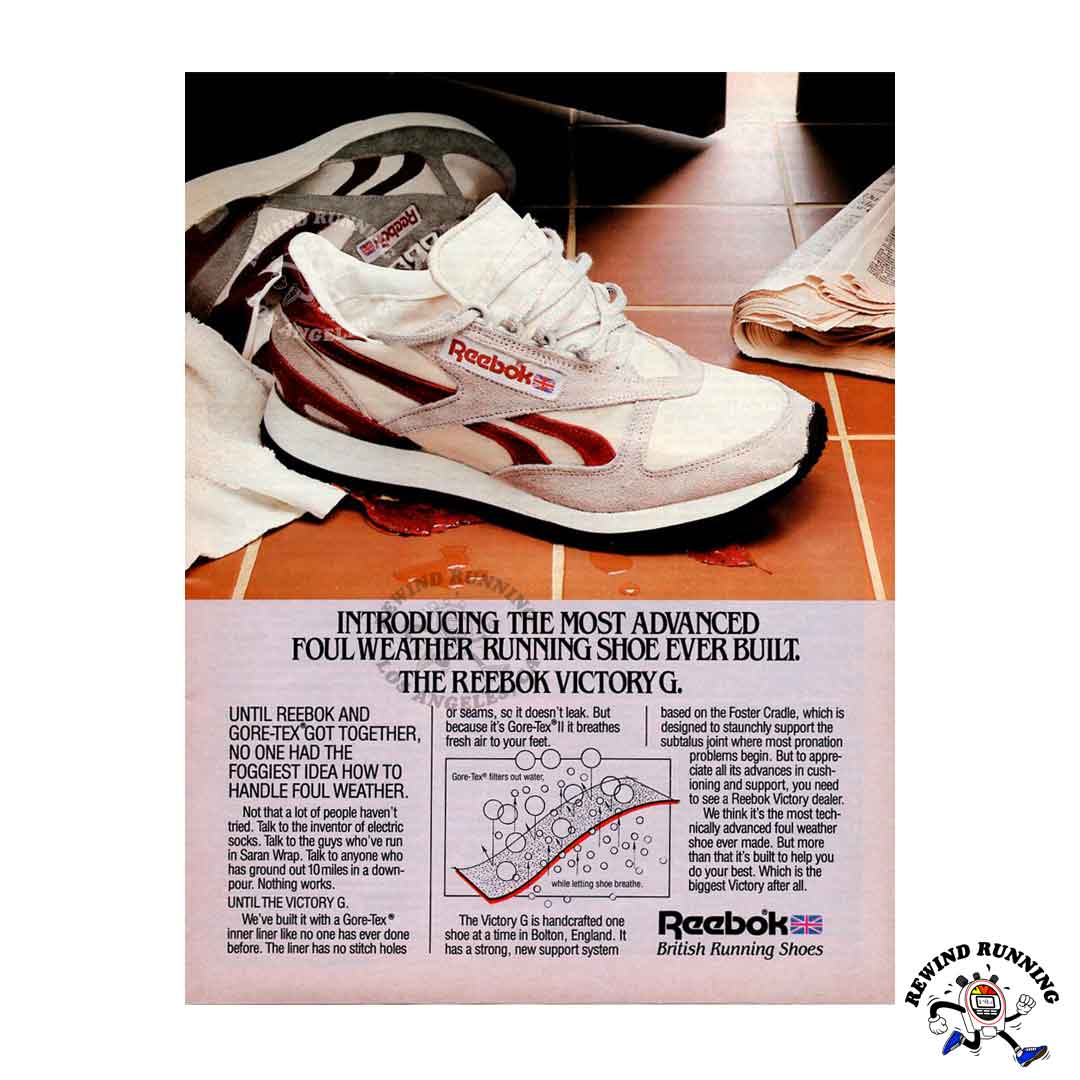
To style something effectively, you must first understand its essence. The 1980s were a crucible of innovation in sneaker design, driven by technological leaps in sports and an exploding crossover into pop culture. Brands like Nike, Adidas, Reebok, and Puma weren’t just making athletic gear; they were engineering statements. The introduction of visible air cushioning, as seen in the 1987 Nike Air Max, was a seismic event. It wasn’t hidden comfort; it was architectural, a visible testament to technology that changed how shoes were perceived. Similarly, the Reebok Freestyle, launched in 1982, became a cultural icon not merely for women’s fitness but for its sleek, low-cut design that blurred lines between the gym and the street. This era championed the “tech-wear” aesthetic before the term existed. The designs were unapologetically graphic, often featuring bold panels, vibrant hues, and materials like nylon mesh, synthetic leather, and suede that created complex textures. As design critic Alice Rawsthorn once noted in her writings for The New York Times, the best 80s design was “brazenly communicative,” a description that fits the era’s sneakers perfectly. They communicated speed, energy, and ambition. This objective, historical fact—that these shoes were born from a specific, fervent moment of design and cultural convergence—is the scientific bedrock upon which we build our modern styling. They have a story, a DNA of boldness, that a generic modern sneaker often lacks.

Principle 1: Contrast is Your Greatest Ally
The most common misstep when wearing statement footwear is matching it too literally, creating a costume-like effect. The power of the 80s sneakers lies in their ability to create dynamic friction with contemporary pieces. Think of it as a visual dialogue between eras. Pair those chunky, brightly colored Reebok Ex-O-Fits or Nike Air Tech Challenges with minimalist, clean-lined clothing. A pair of sleek, tailored black trousers or dark, straight-fit jeans provides a neutral canvas that allows the shoes to pop without overwhelming the eye. A simple, high-quality white t-shirt or an unstructured oatmeal-colored linen shirt offers texture and calm. This principle of contrast extends to proportions. The often-voluminous silhouette of an 80s sneaker is beautifully balanced by a more fitted top or a pant with a precise, non-baggy cut. This isn’t about hiding the shoe’s heritage; it’s about framing it. By placing these historically bold items in a modern, restrained context, you achieve a look that feels considered and fresh, not like a throwback Halloween outfit. The sneaker becomes the focal point, the piece de résistance, precisely because everything else is understated. It’s a lesson in emphasis, a core tenet of design theory taught in institutions like the Rhode Island School of Design, where the relationship between a dominant element and its supporting cast is paramount to successful composition.

Principle 2: Deconstructing the “Sporty” Code
The 80s cemented the athleisure trend, but modern styling demands we deconstruct it. Instead of head-to-toe athletic wear, use the 80s sneakers to inject a sporty accent into decidedly non-sporty ensembles. This is where the magic of anachronism creates cool. Imagine a pair of classic Adidas Forum Hi tops, with their iconic ankle straps and clean leather panels, worn not with sweats but with a relaxed wool blazer, a vintage band t-shirt, and well-worn chinos. Or consider the Nike Cortez, a design immortalized in film and street culture, paired with wide-leg, high-waisted trousers and a crisp button-down. This approach speaks to a fashion-literate mindset. It echoes the sentiment of designer Virgil Abloh, who famously spoke about “the 3% approach”—taking a classic and modifying it just enough to make it new. Here, the sneaker is that transformative 3%. It takes a smart-casual or workwear-inspired outfit and instantly grounds it, adds an edge of accessibility and energy, and prevents it from appearing too formal or stuffy. You’re not dressing for a specific activity; you’re curating a personal aesthetic that borrows confidently from different sartorial languages.
Principle 3: Embrace the Monochrome Pivot
While contrast is powerful, a more advanced and strikingly modern technique involves a tonal, or monochrome, approach. This works exceptionally well with 80s sneaker models that come in muted or singular bold colors. The key is to pick one dominant color from the sneaker and build the rest of your outfit in shades within that same color family. For instance, a pair of grey and black Nike Air Max 1s can be paired with charcoal sweatpants (elevated, tailored ones), a heather grey hoodie, and a black overshirt. The result is a cohesive, streamlined look where the sneaker is integrated rather than contrasted, creating a sophisticated, almost uniform-like effect that feels very current. This method highlights the silhouette and design details of the shoe without the distraction of competing colors. It’s a technique often seen in high-fashion presentations and street style photography from fashion weeks, where the focus is on form and texture. It demonstrates a deep understanding of color theory—a scientific and artistic system that explains how colors interact—and applies it to achieve a quiet, powerful statement. The 80s sneakers here act as the anchor of a carefully calibrated color palette, proving their versatility beyond being just a “pop” of color.

Knowledge as Style Currency: The Stories You Wear
Wearing vintage or retro items carries an implicit responsibility: knowledge. When you choose a pair of 80s sneakers, you’re not just choosing a shape and color; you’re choosing a narrative. Knowing that the Converse Weapon was worn by both Magic Johnson and Larry Bird during their legendary rivalry adds a layer of cultural weight. Understanding that the Reebok Pump, released in 1989, represented a futuristic, user-interactive technology that captivated the era changes how you view its bulbous silhouette. This knowledge isn’t for bragging; it’s for deepening your own appreciation and connection to the item. It transforms the shoe from a commodity into a artifact with context. In an interview for Hypebeast, renowned collector and designer Sean Wotherspoon emphasized this point, stating,
“The story is everything. If you’re wearing a shoe from the 80s, you should want to know why it was made, who wore it, what it meant. That’s what gives it soul, and that soul is what people connect with.”
This informed perspective is the ultimate style currency. It allows you to engage with your clothes intentionally, making your choice of footwear a conscious decision rooted in design history rather than fleeting trend cycles.
Curating Your Pair: A Guide to Intelligent Acquisition
Finding the right pair is the first act of styling. The market is vast, spanning from deadstock (never worn) vintage to modern reissues. Your choice should balance authenticity, condition, and value. For a purist, hunting for original 1980s pairs on dedicated platforms or from reputable vintage dealers offers the truest connection to the era. Check for sole separation, midsole crumbling (a common issue with aged polyurethane), and intact logos. However, don’t discount the exceptional quality of official brand reissues and retro lines. Companies like Nike and Adidas have perfected recreating classic models with modern, more durable materials and improved comfort technology, often at accessible price points. This is where professional knowledge brings discounted prices to you. By knowing which models are frequently reissued, you can often find them on sale during seasonal promotions or through outlet stores, acquiring a piece of design history without the vintage premium or fragility. Whether you seek an original 1985 Air Jordan 1 for its historical patina or a 2023 re-release of the Adidas Samba for its everyday reliability, the key is to make an informed choice that aligns with your budget and how you intend to wear them. The goal is integration into your life, not just preservation in a box.
So, step out of the decade-based box. See those 80s sneakers not as a finished costume, but as a potent, dynamic component—a bolt of visual energy waiting to be grounded by minimalist tailoring, a sporty inflection for a smart outfit, or the tonal anchor for a monochrome masterclass. Their value is no longer trapped in the past; it is activated by your present choices. By applying these principles of contrast, deconstruction, and tonal dressing, and backing it with genuine understanding, you transform heritage into a personal, modern, and undeniably cool signature. The proof is in the wearing.
