

Styling 80s Sneakers for Modern Streetwear Looks
The resurgence of 80s sneakers is not merely a nostalgic blip on fashion’s radar; it is a full-fledged reintegration of foundational design principles into the contemporary streetwear lexicon. These shoes, born from a decade defined by bold experimentation, technological innovation in sportswear, and the nascent sparks of hip-hop and skate culture, carry a genetic code of authenticity that modern mass-produced footwear often lacks. To style them today is to engage in a dialogue between eras, leveraging their inherent character to add depth, history, and a point of defiant individuality to an outfit. This isn’t about costume play or ironic retroism. It is about recognizing that the best design elements—whether in architecture, music, or footwear—are timeless. The chunky silhouettes, vibrant color-blocking, and durable materials of 80s sneakers provide a tactile and visual anchor in the often-fluid, minimalist, or deconstructed landscape of modern street style. They are statement pieces that do not need to shout, their authority is quiet and earned.
The Architectural Foundation: Deconstructing the 80s Sneaker Silhouette
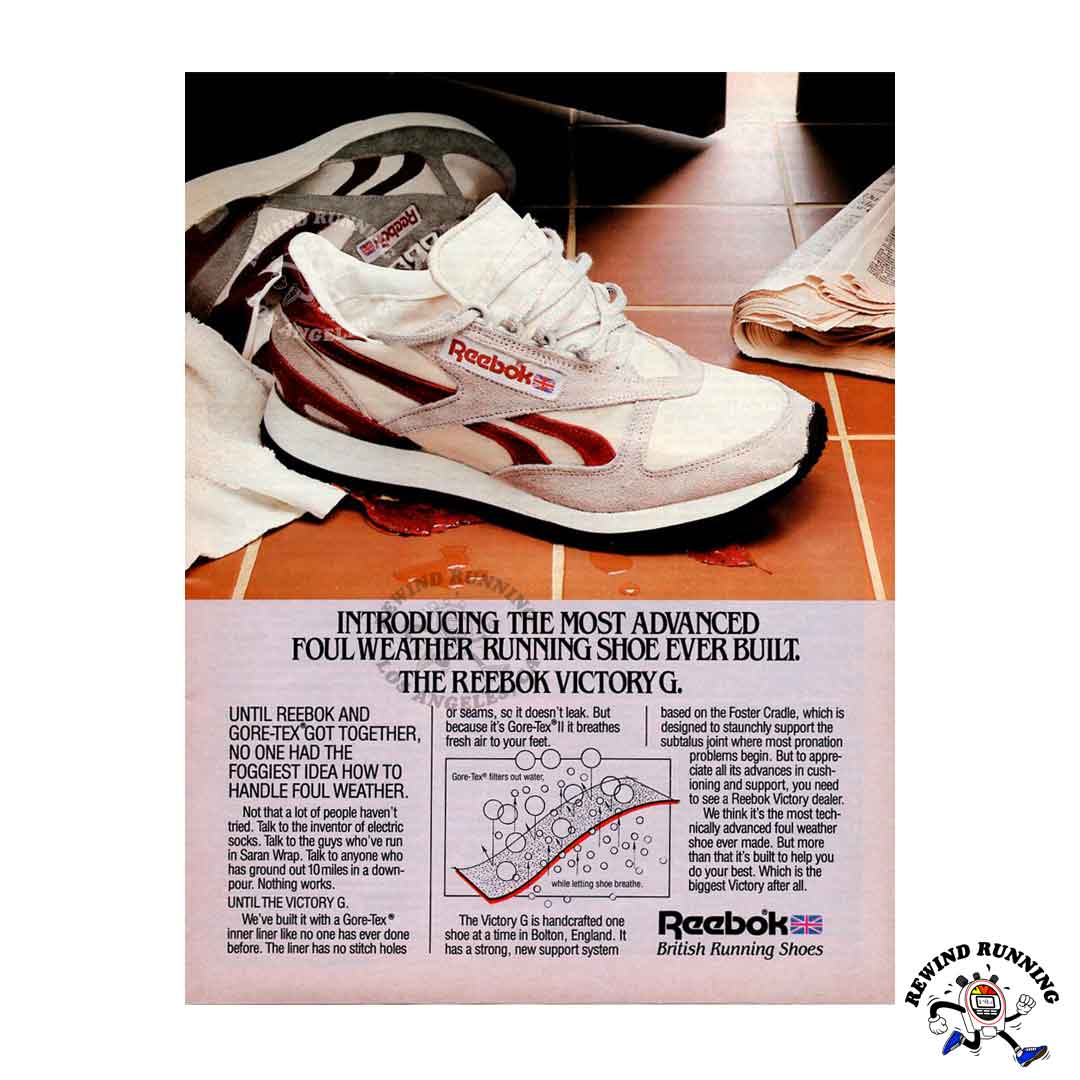
To understand how to style these pieces, one must first appreciate their objective design DNA. The 1980s were a golden age for athletic shoe innovation, driven by fierce competition between brands like Nike, Adidas, Reebok, and Puma. The era moved beyond the simple canvas plimsolls of earlier decades into a realm of advanced performance features that inadvertently created iconic aesthetics. A key scientific principle at play was kinematics and cushioning technology. Nike’s introduction of Air technology in 1978 (with the Tailwind) reached its visual and functional zenith in the 80s with models like the Air Force 1 (1982) and the Air Max 1 (1987). As Tinker Hatfield, the legendary designer behind the Air Max 1, stated in an interview for Nike’s own archive, the goal was to make the technology “visible.” This led to the now-ubiquitous air bubble—a window into the shoe’s function. This visibility of technology became a core aesthetic tenet. Similarly, Reebok’s Freestyle (1982), the first athletic shoe designed specifically for women, featured a soft leather upper and a focus on aerobic movement, creating a low-top, sleek yet structured silhouette that defied the bulkier norms. The common threads are exaggerated proportions (a high-top collar, a thickened midsole), defined paneling (clearly separated sections of leather, mesh, or suede), and bold color application often in primary blocks. These are not subtle design choices; they are architectural. When worn today, they act as the foundational “column” of an outfit, around which other elements must be thoughtfully arranged.

Color Theory in Action: Beyond the White Leather Minimalism
Modern streetwear has long flirted with a palette of black, white, grey, and earth tones—a safe and sophisticated spectrum. 80s sneakers challenge this orthodoxy with a vibrant, sometimes chaotic, color theory rooted in pragmatism and expression. The use of high-contrast color-blocking served a practical purpose: different colored panels often denoted different materials or structural supports. However, it evolved into a language of identity. Take the Nike Air Jordan I, banned by the NBA for its non-conforming “Chicago” colorway of red, black, and white. This controversy, as documented in sports history archives and the ESPN film “The Last Dance,” transformed the shoe from mere footwear into a symbol of rebellion and individuality. Styling these colorful relics today requires a strategic approach. One can embrace full retro-futurism by pairing, for instance, a pair of electric blue and yellow Reebok Exofits with matching tonal sweatpants and a simple white tee, allowing the shoes to be the unchallenged focal point. Conversely, and perhaps more effectively, one can use the sneaker’s palette as an accent within a neutral outfit. A grey marl hoodie, black tailored cargo pants, and a beige overshirt find their point of energetic tension when grounded by a pair of red, white, and blue Nike Air Max 1s. The sneaker doesn’t just complete the look; it activates it. It provides the jolt of personality that prevents minimalist aesthetics from feeling sterile. As fashion historian and author of “Sneakers: The Complete Collectors’ Guide,” Uri Minkoff, notes on platforms like Highsnobiety, “The color stories of 80s sneakers are direct reflections of the graphic design, pop art, and MTV culture of the time. They are wearable art pieces.” Treating them as such allows for more creative styling.

Texture and Materiality: The Tactile Authenticity
Where many contemporary sneakers rely on engineered knits and seamless synthetics, 80s sneakers are a testament to robust, tactile materiality. Full-grain leather, nubuck, durable nylon mesh, and thick suede were the standards. These materials age—they crease, they patina, they tell the story of wear. This inherent “worn-in” quality is a priceless asset in building a streetwear look with soul, countering the “off-the-rack” perfection that can feel impersonal. The thick, padded tongue and collar of an 80s basketball sneaker, or the rugged rubber outsole of a hiking-inspired model like the Nike Air Safari, add volumes of textural interest. Styling them effectively involves playing with these material contrasts. Pair the sleek, tumbled leather of an Adidas Forum Hi with the coarse weave of a raw denim jean and a soft, heavyweight cotton fleece hoodie. The interplay of textures—shiny leather, rough denim, soft fleece—creates a rich, sensory experience that elevates the entire ensemble. This approach aligns with the principles of “heritage” and “workwear” styles that have permeated streetwear, where the value is placed on longevity and character over pristine newness. A scuff on a white leather Nike Air Force 1 from 1985 isn’t a flaw; it’s a badge of honor, a connection to its historical context in New York City’s b-boy scene. By incorporating these pre-aged, texturally complex 80s sneakers, you inject a narrative of authenticity and endurance into your modern wardrobe.
The Modern Synthesis: Integration Techniques for Contemporary Wardrobes
The true test of any vintage item is its ability to integrate seamlessly into a contemporary context without looking costumed. Here is where your styling acumen comes to the fore. The goal is synthesis, not replication.
1. The High-Low Juxtaposition
This is perhaps the most powerful technique. It involves deliberately contrasting the casual, sporty heritage of the 80s sneaker with tailored or formal elements. Imagine a pair of classic Reebok Club C 85s—clean white leather with a green tab. Now, place them not with sweatpants, but with a pair of impeccably tailored, wide-leg wool trousers and a structured, boxy blazer. The sneakers instantly relax the formality of the tailoring, creating an look that is both intelligent and effortless, scholarly and street-smart. This juxtaposition speaks to the modern fashion landscape where categories are blurred. It’s the same principle seen on runways from brands like Louis Vuitton (under Virgil Abloh) or Balenciaga, where athletic footwear is routinely paired with suiting. You are leveraging the sneaker’s inherent casualness to deconstruct and redefine what “dressed up” can mean.
2. Monochromatic Layering with a Punch
Build an outfit in a single, muted color family—all shades of grey, beige, or olive. Use layers like a long-line tee, an unbuttoned overshirt, and a car coat to create depth through silhouette rather than color. Then, introduce your 80s sneakers as the singular, vibrant punctuation mark. A head-to-toe stone-colored outfit is suddenly galvanized by the fire-engine red accents of a pair of Nike Air Jordan I. The sneaker becomes the exclamation point, the focal energy source. This method showcases the shoe as art object against a curated, gallery-like backdrop.
3. Embracing Technical Wear Synergy
The 80s were also the dawn of technical outerwear (think Members Only jackets, early ski wear). This synergy remains potent. Pair a rugged, suede-based hiking sneaker from the era, like the Nike Air Mada, with contemporary technical fabrics—water-resistant nylon cargo pants, a GORE-TEX shell vest, and performance merino wool base layers. The look coheres around a philosophy of functional preparedness. Both the sneaker (designed for outdoor activity) and the modern techwear share a common DNA of utility, making the combination feel historically resonant and futuristic simultaneously.

Beyond Aesthetics: The Professional Knowledge of Provenance and Value
Engaging with 80s sneakers is also an exercise in informed consumption. Understanding a model’s provenance—its original purpose, its cultural moment—enriches the wearing experience. For example, the Adidas Superstar, while from the 70s, solidified its status in the 80s as the cornerstone of Run-D.M.C.’s style and the hip-hop uniform. Wearing them today connects you to that legacy. This knowledge is power. It allows you to discern between a truly impactful vintage model and a mere period piece. Furthermore, in the current market, vintage and reissued 80s models often present a compelling value proposition. While hype-driven contemporary collaborations can reach astronomical prices, many classic 80s silhouettes are available—either as faithful retro re-releases or on the vintage market—at accessible price points. Brands consistently reissue these classics because their design is proven and perennial. Investing in a well-made retro like the New Balance 990v1 (1982) or the Asics Gel-Lyte III (1990, but spiritually 80s) often means acquiring a shoe of superior materials and construction compared to some fast-fashion alternatives, and at a discounted price relative to fleeting “it” sneakers. You are buying into a legacy, not just a trend.
Ultimately, styling 80s sneakers for modern streetwear is an act of creative curation. It demands an eye for balance, a respect for history, and a willingness to let a singular, character-rich element guide your composition. These shoes are not passive accessories; they are active participants with their own stories. By giving them a new context on your feet, you are not just wearing a piece of history—you are continuing its narrative, proving that great design, like true style, is forever evolving yet eternally grounded in its foundational principles. Let the bold lines, confident colors, and rugged textures of the era be your guide, and walk forward into the modern landscape with a sole firmly planted in a rich past.
