

Styling 80s Sneakers for Modern Streetwear Edge
The relentless churn of fashion trends often feels like a search for the new, the next, the never-before-seen. Yet, some of the most potent style statements are not forged in the future but rediscovered from the past. Standing at the intersection of heritage and hype, 80s sneakers offer more than just footwear; they provide a foundational element for constructing a modern streetwear identity with depth, character, and undeniable edge. This isn’t about mere nostalgia or costume play. It’s about recognizing the unique design language, cultural weight, and versatile silhouettes born in a decade of bold expression and technological experimentation in athletic wear. Integrating these vintage-inspired or reissued models into contemporary wardrobes requires a specific approach—one that honors their legacy while sharpening their relevance for today’s urban landscape.
The DNA of Decadence: What Defines an 80s Sneaker?
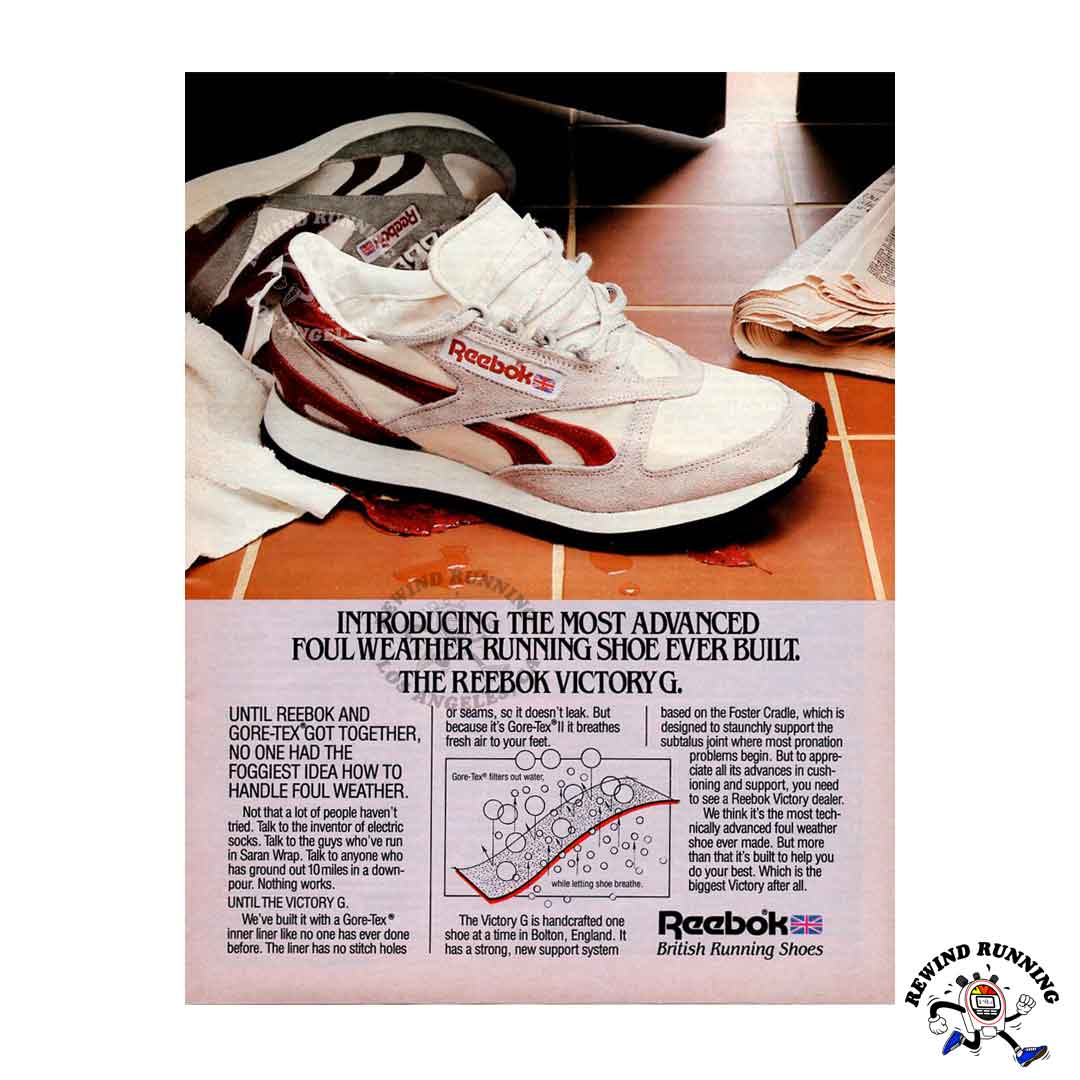
To effectively style 80s sneakers, one must first understand their intrinsic characteristics. The 1980s was a revolutionary period for athletic footwear, marked by a shift from pure performance gear to cultural icons. Scientifically and objectively, several key design elements emerged. Firstly, the use of new materials: the widespread adoption of premium leather, often in white or bold color blocks, replaced simpler canvas. Secondly, technological innovation led to distinctive midsole and outsole designs. Brands like Nike introduced visible Air cushioning units, while others employed bulky, sculpted ethylene-vinyl acetate (EVA) foam midsoles for enhanced shock absorption, creating those now-coveted chunky profiles. Thirdly, graphic branding became prominent. Logos grew larger, often incorporating reflective materials, and panels were segmented with contrasting colors in a way that reflected the era’s embrace of high-tech aesthetics and postmodern design. As noted on Wikipedia’s page on “Sneakers,” the 80s cemented the sneaker’s transition “from being primarily athletic wear to being a statement of fashion and identity.” This convergence of improved performance technology with assertive styling created a blueprint that modern brands continually reference.
Silhouette as Statement: The Power of the Chunky Profile
The most immediate visual cue of an 80s sneaker is its silhouette. Unlike the minimalist, sock-like runners of later decades, 80s models possessed a commanding, grounded presence. This “bulk” was not arbitrary; it was a direct result of the focus on cushioning and support for running, basketball, and aerobics. From a styling perspective, this silhouette is your greatest asset. It provides a counterbalance to the slim and skinny cuts that have dominated menswear and womenswear for years. Pairing a chunky sneaker with tapered jeans or trousers creates a dynamic visual tension—the volume on the feet anchors the outfit, preventing it from looking top-heavy or insubstantial. This principle is echoed by stylists and fashion commentators globally. As streetwear icon and designer Virgil Abloh once discussed in an interview, the importance of “silhouette” in defining a look is paramount. The 80s sneaker’s distinct shape instantly modifies the wearer’s proportions, adding a dose of architectural interest that feels inherently modern in an era obsessed with deconstructed and exaggerated forms. The key is to let the shoe be the hero; avoid overly baggy pants that might swamp the shoe, instead opting for cuts that cleanly break at or above the ankle.
Color Blocking: From Court to Curb
The color palettes of 80s sneakers are a masterclass in bold, graphic communication. Forget washed-out pastels or monochromatic schemes. Think high-contrast: clean white leather punctuated by vibrant panels of “University Red,” “Midnight Navy,” or “Varsity Maize.” These schemes were designed for visibility on the court and track. In modern streetwear, this translates to a powerful tool for building an outfit. You have two strategic paths. First, the tonal integration approach: pick one dominant color from the sneaker’s palette and echo it in a garment—a cap, a hoodie, or even socks. This creates a cohesive, intentional look that showcases the sneaker as the centerpiece. Second, the neutral canvas approach: let the sneakers pop against a backdrop of blacks, whites, greys, and denim blues. This is perhaps the most effective and widely practiced method. A simple outfit of black jeans, a white tee, and a denim jacket becomes instantly elevated and focused when paired with a pair of color-blocked Reebok Classics or Nike Air Max 1s. The sneaker provides all the necessary visual interest, adhering to the minimalist-maximalist balance that defines contemporary edge.

Contextual Fusion: Integrating Heritage with Contemporary Pieces
Wearing 80s sneakers isn’t about recreating a head-to-toe 1980s look. The true modern edge comes from contextual fusion—the deliberate juxtaposition of vintage-inspired footwear with sharply contemporary clothing. This creates a dialogue between eras. Consider pairing your sneakers with technical fabrics: a nylon cargo pant, a Gore-Tex shell jacket, or a sleek tech-fleece sweatsuit. The contrast between the organic, sometimes slightly retro, materials of the sneaker and the advanced synthetics of modern apparel feels forward-thinking. Similarly, high-fashion pieces can be brilliantly grounded with a pair of classic sneakers. A tailored wool overcoat or a structured blazer loses any stuffiness when combined with, say, a pair of New Balance 990s (a model whose design lineage is firmly rooted in 80s innovation). This philosophy is supported by viewpoints from platforms like Highsnobiety and Complex, which frequently highlight how contemporary style leaders “break the rules” by mixing formal and casual, old and new, to create unique personal aesthetics. The 80s sneaker acts as the authentic, accessible anchor in these high-concept mixes.
The Denim Synergy
No discussion of styling 80s sneakers is complete without highlighting their perfect partner: denim. The relationship is symbiotic and timeless. Whether it’s classic blue jeans, a black denim jacket, or even a full denim-on-denim (canadian tuxedo) look, 80s sneakers complement it flawlessly. The clean lines and robust construction of vintage-style sneakers align perfectly with the rugged, workwear origins of denim. For a sharp look, opt for dark, non-distressed denim with a clean hem that sits just above the sneaker’s tongue, allowing the full design to be appreciated. Lighter wash jeans offer a more casual, retro feel that directly channels the era. As fashion historian and author of “Sneakers: The Complete Collectors’ Guide,” Uri Minkoff, has noted, the pairing of sneakers and denim represents one of the most enduring and democratizing style alliances in modern history, a trend that was massively popularized in the 80s and continues to evolve today.

Care, Customization, and the Patina of Wear
Part of the appeal of the 80s sneaker aesthetic is a certain lived-in authenticity. Unlike a pristine, fragile fashion item, many of these designs look better with a bit of character. This embraces the streetwear ethos of individuality. Don’t be afraid of a creased leather toe box or a slightly faded suede mudguard—these tell a story. However, proper care is essential to maintain their integrity. Regular cleaning with appropriate products for leather, suede, and mesh will keep them looking sharp, not shabby. Furthermore, customization is a powerful way to inject modern edge. Simple swaps, like replacing standard flat laces with rounded or reflective ones, can update the feel instantly. The culture of customization is deeply rooted in sneaker history, from basketball players personalizing their shoes to the DIY ethos of punk and hip-hop scenes of the 80s. Today, brands often encourage this, offering tools to design unique colorways. Adding a personal touch to your 80s sneakers bridges the gap between mass-produced heritage and one-of-a-kind contemporary statement.
Beyond the Hype: The Lasting Value Proposition
In an economic climate where value is paramount, 80s sneakers—particularly reissues and retro models—present a compelling case. They are often priced more accessibly than the latest hyped collaborations or limited-edition drops from luxury brands. More importantly, their value is not fleeting. A well-designed sneaker from the 80s has already passed the test of time; its aesthetic is proven and enduring. Investing in a quality pair is investing in a versatile wardrobe staple that will remain relevant for years, not just a single season. This is where professional knowledge benefits the user: understanding which models are true to their original specs, which brands are offering premium materials in their retro lines, and where to find them at discounted prices during seasonal sales or through reputable online retailers. The goal is to build a foundational collection of iconic silhouettes that offer maximum styling flexibility without chasing unsustainable trends.

The journey to a modern streetwear edge is not about discarding the past but recontextualizing its strongest artifacts. 80s sneakers, with their bold designs, technological narratives, and cultural resonance, are not relics. They are raw material. By understanding their design DNA, strategically pairing them with contemporary pieces, and embracing their inherent character, you transform them from vintage footgear into the cornerstone of a confident, individualistic style. They provide the weight, the color, and the history necessary to ground and elevate any outfit, proving that true edge is often found not in looking forward, but in knowing what to bring with you from the journey behind.
