

How to Style Air Force Sneakers for Effortless Street Style
Street style isn’t about following a strict rulebook; it’s about capturing an attitude, a confident ease that appears both intentional and innate. At the heart of this global sartorial language often sits a single, iconic silhouette: the air force sneakers. More than just footwear, they are a cultural artifact, a blank canvas, and a foundational piece for building looks that resonate with authenticity. This guide moves beyond simple outfit pairing to explore the philosophy of effortless styling, dissecting how the Air Force 1’s design, history, and versatility can be harnessed to craft a personal street style statement that feels uniquely yours.
The Foundation: Understanding the Icon
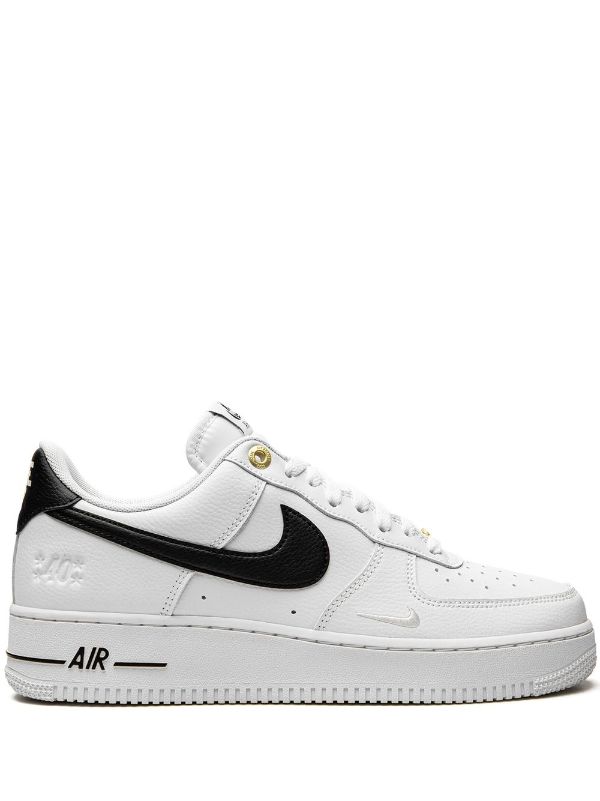
To style something effectively, one must first understand its essence. The Nike Air Force 1, first released in 1982, was revolutionary not merely for its design but for the technology it introduced to basketball: the Nike Air cushioning. However, its journey from the hardwood to the pavement is what cemented its status. As basketball stars like Moses Malone and Michael Cooper championed it on court, its clean lines and sturdy build caught the eye of off-court tastemakers. By the late 80s and early 90s, the sneaker had been discontinued, creating a vacuum that fueled desire and mythos in burgeoning hip-hop and streetwear scenes, particularly in Baltimore. This cultural re-adoption, a form of “semiotic hacking” where a community assigns new meaning to an object, transformed the air force sneakers from a sports shoe into a symbol of urban identity and resilience. As sneaker historian and Complex contributor Russ Bengtson once noted, “The Air Force 1 is the rare shoe that’s been everything to everyone… a basketball shoe, a graffiti canvas, a status symbol, a classic.” Its design—the crisp leather upper, the circular perforations on the toe box, the ankle strap, and the thick, supportive midsole—is a masterpiece of balanced proportions. This balance is key; it provides enough visual weight to anchor loose-fitting garments but retains a sleekness that avoids bulk. Understanding this heritage and design philosophy is the first step: you are not just wearing a sneaker; you are engaging with a piece of design history that carries a narrative of innovation, subversion, and timeless style.
Principle 1: The Power of Contrast and Silhouette
Effortless style often stems from intentional juxtaposition. The air force sneakers, with their substantial, rounded silhouette, excel when played against contrasting garment forms. This is a principle rooted in classical art and design—the interplay of mass and void, light and shadow. For a modern street style application, consider the top-to-bottom flow. Pairing your Air Force 1s with wide-leg trousers or cargo pants creates a dynamic, cascading silhouette. The volume of the pants meets the solid foundation of the sneakers, establishing a stable, grounded look that is both comfortable and commanding. Conversely, for a sharper, more tailored approach, slim-fit or straight-leg jeans can be cuffed once or twice to showcase the sneaker’s full profile, creating a clean break that highlights the shoe as the focal point. This contrast extends to textures as well. The classic smooth or tumbled leather of the AF1 pairs brilliantly with rugged denim, technical nylon, or soft, draped cotton. The goal is to avoid a monolithic look; let each piece in your outfit have a dialogue. A sleek, minimalist sneaker like the AF1 can balance the complexity of a patterned shirt or a layered jacket. Think of your outfit as an ecosystem where the sneakers are the stable, anchoring element, allowing you to experiment with proportion and texture elsewhere without losing cohesion.

Color Theory in Practice: Beyond All-White
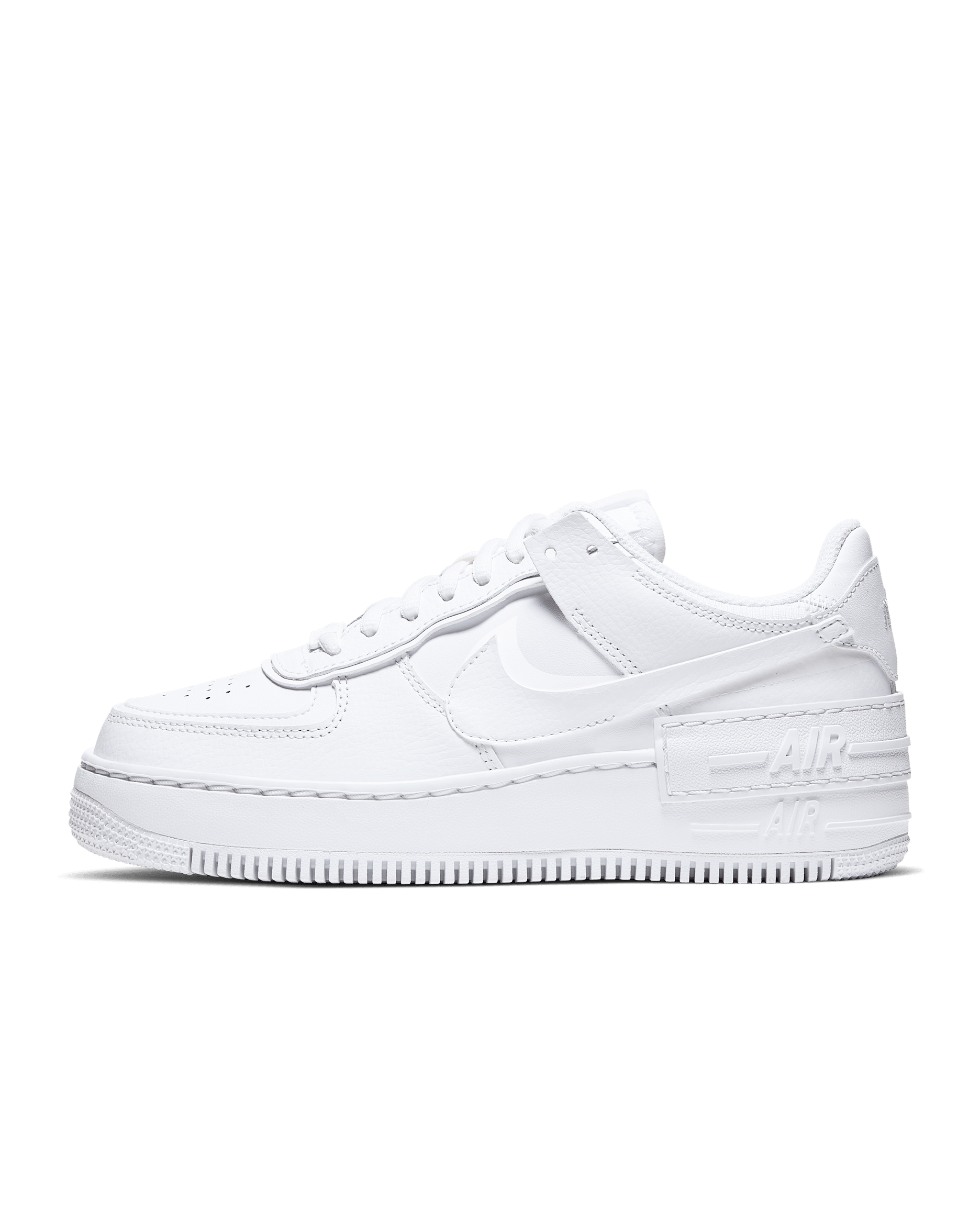
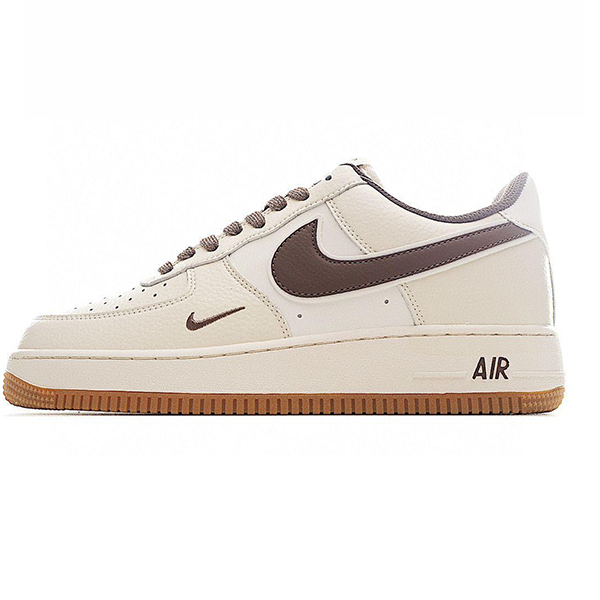
While the classic white-on-white Air Force 1 is a deserved legend, confining yourself to it misses a vast landscape of stylistic possibility. Color theory, as systematized by pioneers like Johannes Itten, teaches us about harmony, contrast, and emotional resonance. A monochromatic outfit in shades of grey, black, or beige, punctuated by a pair of stark white air force sneakers, creates a powerful focal point and a clean, modern aesthetic. This is high-impact minimalism. For a more nuanced approach, employ analogous color schemes. Try pairing ‘Wheat’ or ‘Sail’-colored AF1s with olive green, tan, and cream garments. The colors sit side-by-side on the color wheel, creating a serene and sophisticated look that feels cohesive without being matchy. For the bold, complementary contrast is your tool. The deep university blue of a special edition AF1 can be subtly highlighted with tiny accents of orange in a sock or beanie, or let the sneakers stand as the sole vibrant element against a neutral palette. Remember, the sneaker can be the conductor of your outfit’s color orchestra or a singular, striking note. As fashion educator and blogger Alyssa Coscarelli often demonstrates, it’s about intentionality—”Let your shoes tell part of the story, not the whole story.”
Principle 2: Layering as Narrative
Street style at its best tells a story, and layering is its primary syntax. It adds depth, functionality, and a sense of considered personal style. The air force sneakers, with their inherent versatility, serve as the perfect narrative foundation. Start with a base layer—a simple tee or tank. Add a middle layer for texture and interest: a flannel shirt left unbuttoned, a lightweight knit vest, or a hoodie. The outer layer defines the silhouette: a chore jacket, a tailored wool overcoat, or an oversized blazer. The key is that each layer should be visible and contribute to the whole. The AF1, often in a clean colorway, grounds these layers. Its chunkiness prevents lighter layers from appearing insubstantial and balances the volume of heavier outerwear. This approach aligns with the “sprezzatura” concept from Italian menswear—studied carelessness. It looks easy, but it’s carefully constructed. Consider the words of designer Virgil Abloh, who frequently deconstructed and recontextualized the Air Force 1 in his work for Off-White™ and Louis Vuitton: “I’m interested in the archetype and then adding a 3% adjustment to make it feel new.” Your layering is that 3% adjustment. It’s how you take the archetypal sneaker and build a personal world around it.
From Theory to Wardrobe: Building Your Core Arsenal
Knowing the principles is one thing; applying them requires a foundational wardrobe. You do not need a closet full of high-fashion pieces. Effortless style is often built on reliable, high-quality basics. Invest in well-fitting, non-distressed denim in both dark wash and black. A pair of tailored, neutral chinos offers a smart-casual alternative. For tops, a roster of solid-color heavyweight cotton t-shirts, a few long-sleeve thermals, and a simple hoodie are indispensable. The magic happens with outerwear: a classic denim jacket, a utilitarian field or chore coat, and a structured overcoat for cooler months. With this core arsenal, every pair of air force sneakers you own becomes exponentially more versatile. The white AF1 will look pristine with the dark denim and a white tee under the denim jacket. The same sneaker will take on a different character with the chinos, a thermal, and the tailored overcoat. This approach is not only stylish but economically savvy, maximizing cost-per-wear and ensuring you always have a coherent, adaptable outfit at the ready. It’s the application of the Pareto Principle (the 80/20 rule) to your wardrobe: 20% of your items (including your key sneakers) will be used in 80% of your most effective outfits.
The Professional Knowledge Edge: Care and Customization
True style ownership extends to maintenance and personalization. Professional sneaker care knowledge prolongs the life and appearance of your investment. Regular brushing with a soft-bristle brush to remove dry dirt, spot cleaning with a mild soap solution, and using crease protectors can keep your AF1s looking box-fresh. For deeper cleans, specialized sneaker cleaning kits are a wise purchase. Beyond care, customization is where your air force sneakers become a true personal canvas. This is a tradition as old as the sneaker’s streetwear adoption itself. Simple swaps like replacing the standard white laces with flat waxed laces in a contrasting color can redefine the shoe’s personality. More involved projects might involve carefully painting the midsole stripe or even the swoosh with angelus leather paint, a technique documented by countless DIY experts on YouTube. This act of customization is a direct nod to the sneaker’s history in hip-hop culture, where individuality and standing out were paramount. It transforms a mass-produced icon into a one-of-a-kind statement, perfectly aligning with the ethos of personal, effortless street style.
The journey to effortless street style with Air Force 1s is less about chasing trends and more about understanding foundational design principles and applying them with personal intent. It’s about recognizing the sneaker’s role as a cultural anchor and stylistic stabilizer. By mastering contrast, embracing layered narratives, building a versatile core wardrobe, and taking ownership through care and customization, you move beyond wearing a shoe to curating a look. The air force sneakers provide the perfect platform—stable, iconic, and endlessly adaptable. Let them be the consistent beat in the rhythm of your personal style, around which you can compose infinite variations. The result is a style that appears effortless because it is built on a solid foundation of knowledge and self-expression, not fleeting fashion dictates.
