

How to Style Air Force Sneakers for Effortless Everyday Cool
Let’s cut straight to the point: the Air Force sneakers are not just a pair of shoes; they are a cultural cornerstone, a blank canvas for personal expression, and arguably the most versatile footwear silhouette ever created. Achieving that coveted “effortless cool” isn’t about chasing fleeting trends; it’s about understanding the inherent design language of this icon and building your style from the ground up—literally. This isn’t a rulebook, but a framework. We’re moving past the basic “jeans and a tee” formula to explore how the AF1 integrates into a modern wardrobe, backed by design principles, cultural weight, and styling science.
The Anatomy of an Icon: Why the Air Force 1 Works
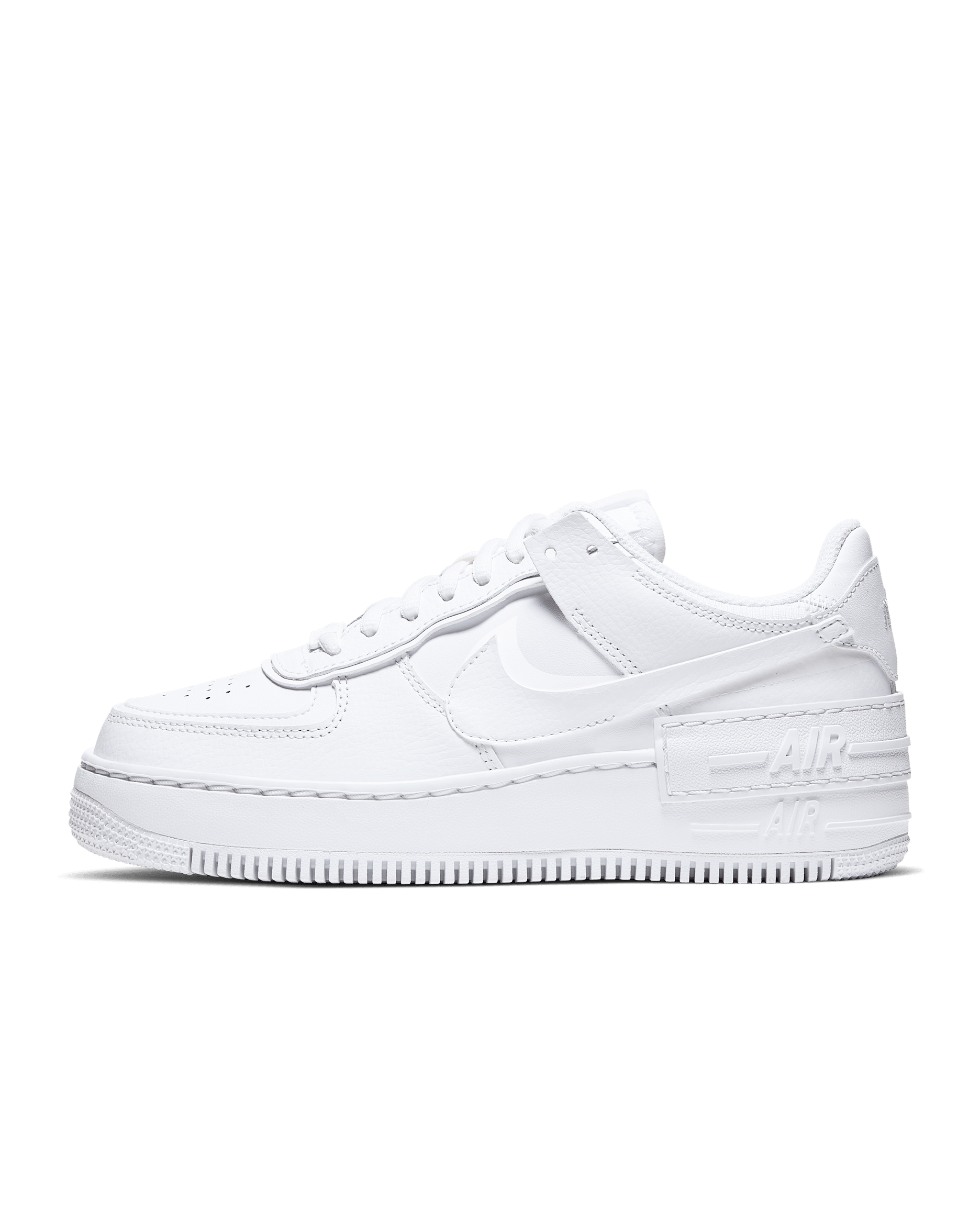
Before we style them, we must understand what we’re working with. Introduced by Nike in 1982, the Air Force 1 was the first basketball shoe to feature Nike Air technology. However, its transition from court staple to streetwear essential is a masterclass in design longevity. The key lies in its architecture. The shoe’s upper, typically in crisp white leather, provides a clean, monolithic form. Its bulky silhouette, born from performance needs, offers a grounded, substantial foundation—a concept in design psychology known as “visual weight,” which conveys stability and presence. The perforated toe box, ankle strap, and circular heel counter are not merely decorative; they break up the shoe’s volume with intentional negative space, creating rhythm and detail. As design critic Alice Rawsthorn once noted in her writings for The New York Times, “The best design objects are those that fulfill their function so seamlessly that they become invisible, yet define the space around them.” The Air Force sneakers do exactly that; they are visually assertive yet neutral enough to not dictate the entire outfit. This balance between statement and subtlety is the core of its versatility, a principle echoed in countless style forums from Reddit’s r/malefashionadvice to high-fashion analyst blogs on Business of Fashion.
Foundation First: Mastering the Monochrome Base
The most powerful tool in your styling arsenal is the monochrome base layer. This doesn’t mean head-to-toe black (though that works brilliantly), but rather building an outfit in a single, or tightly related, color family. The white Air Force sneakers act as a dynamic neutral, a bright punctuation mark against this canvas. Consider a outfit of heather grey from head to calf: a oversized cotton sweatshirt, relaxed track pants tapered at the ankle. The all-grey ensemble presents a cohesive, modern shape, where texture becomes the primary detail. Then, the clean white of the AF1s slices through, highlighting the ankle and drawing the eye downward with crisp contrast. This technique leverages the Gestalt principle of “figure-ground relationship,” where the shoe becomes the defined “figure” against the “ground” of the outfit. It’s a look championed by minimalist aesthetics from Japanese streetwear to Scandinavian design, proving that effortlessness is often about reduction. As filmmaker and style icon Tom Ford has been quoted, “Dressing well is a form of good manners.” In this context, the good manners are in presenting a coherent visual idea, allowing the iconic status of the Air Force 1 to speak without shouting.

The Textural Dialogue: Contrasting Fabrics and Forms
Once the monochrome base is mastered, introduce complexity through texture and silhouette. The sturdy leather and rubber of the Air Force sneakers invite contrast with softer, more fluid materials. Imagine pairing them with wide-leg, wool-blend trousers that pool slightly over the tongue of the shoe. The hardness of the sneaker against the drape of the wool creates a compelling sensory dialogue. Or, try a sleek technical nylon cargo pant with multiple utilitarian details; the shoe’s classic sport heritage converses with futuristic fabric. This is where “everyday cool” becomes personal. The AF1’s chunkiness can also balance proportions. For those wearing slimmer-fit tops or jackets, the shoe provides a necessary counterweight at the base, preventing the silhouette from looking top-heavy—a principle often discussed in fashion design courses at institutions like Central Saint Martins. Don’t shy away from suiting either. A deconstructed, unlined blazer in linen or cotton paired with tailored shorts and crisp AF1s subverts formal expectations, a move seen on everyone from style bloggers to celebrities like A$AP Rocky, who famously blends high fashion with streetwear roots.
Beyond White: Utilizing Color and Special Editions
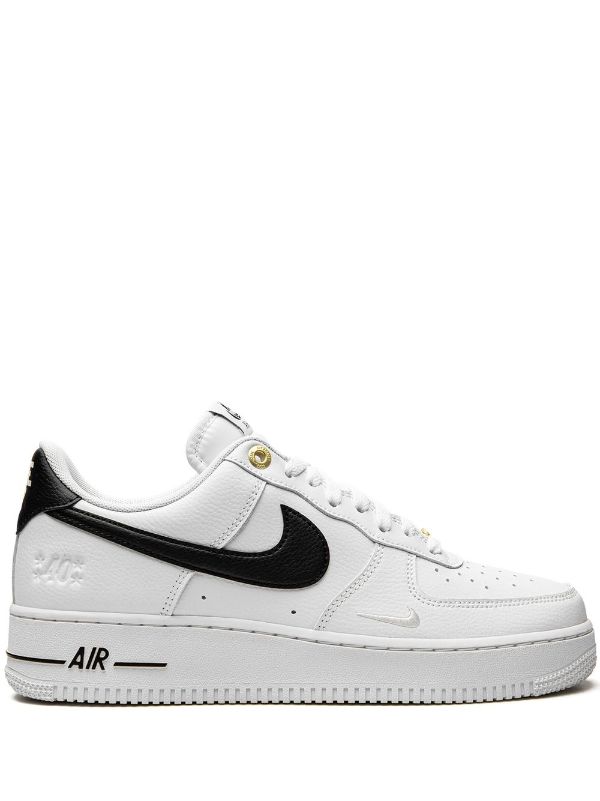
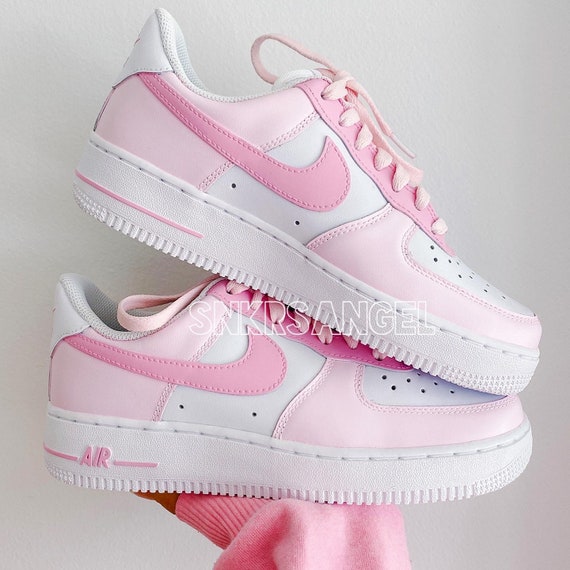
While the white-on-white AF1 is the undisputed king, the silhouette’s vast ecosystem is a styling playground. A pure black pair offers a more subdued, monolithic look, perfect for extending a dark outfit seamlessly to the ground. “Triple Black” outfits, when executed with varied textures (matte, shine, knit), achieve a sophisticated, unified edge. For the more adventurous, tonal styling works wonders with colored AF1s. A sage green pair can be paired with olive cargos, a mossy green overshirt, and a white tee—the sneaker then acts as the anchor point for a nuanced, tonal palette. Limited edition collaborations, from Travis Scott to Off-White, are more than collector’s items; they are conceptual starting points. Wearing a collaborative pair invites you to engage with that designer’s aesthetic language, whether it’s deconstruction, bold graphics, or material innovation. As stated on Complex’s sneaker analysis platform, “A collaboration is a conversation between brands.” Your outfit can continue that conversation.
The Final Layer: Confidence and Context
All the theory is moot without execution, and execution requires confidence. The “cool” in “effortless cool” is an attitude, a comfort in your own skin that translates to how you wear your clothes. The Air Force sneakers, with their rich history in hip-hop culture, basketball, and global streetwear, carry an inherent swagger. They are shoes that have been broken in by generations. This isn’t about being trendy; it’s about being grounded. Furthermore, consider context. The beauty of the AF1 for everyday wear is its adaptability to different “everydays.” It can move from a casual coffee run to a creative studio setting to an evening hangout without missing a beat. The final touch—a curated sock (a minimalist no-show, a bold patterned knit, or a sporty crew sock), the roll of a pant leg to showcase the full silhouette, or the choice to leave the laces loose—are the personal signatures. These micro-styling choices are what make the look yours. As legendary designer Virgil Abloh once stated in a lecture at Harvard GSD, “I’m only here to edit the already existing dictionary of design.” Think of your wardrobe as that dictionary, and the Air Force 1 as a versatile, powerful verb you can use in countless sentences.
So, forget rigid rules. Start with the clean slate of a monochrome base, engage in a textural conversation, and don’t fear color or collaboration. Remember that the Air Force sneakers are a design object built on balance—between sport and style, statement and subtlety, history and tomorrow. Styling them is less about decoration and more about architecture: building a look from a foundation of understood principles, then inhabiting it with complete ownership. That is the essence of true, effortless cool.
