

How to Style 80s Sneakers for a Modern Wardrobe
The resurgence of 80s sneakers is more than a fleeting trend; it’s a testament to their enduring design language and functional versatility. These shoes, born from a decade of bold experimentation in sport, music, and fashion, carry a distinct aesthetic that can feel daunting to integrate into contemporary looks. The key lies not in recreating a full-blown 1980s costume but in harnessing their iconic silhouettes and color palettes as foundational elements for a modern, personalized style. This approach transforms them from nostalgic relics into dynamic, statement-making pieces that anchor an outfit with confidence and a touch of irreverent history. By understanding their design principles and applying current styling logic, you can unlock a unique sartorial vocabulary that bridges decades.
Decoding the DNA of 80s Sneaker Design
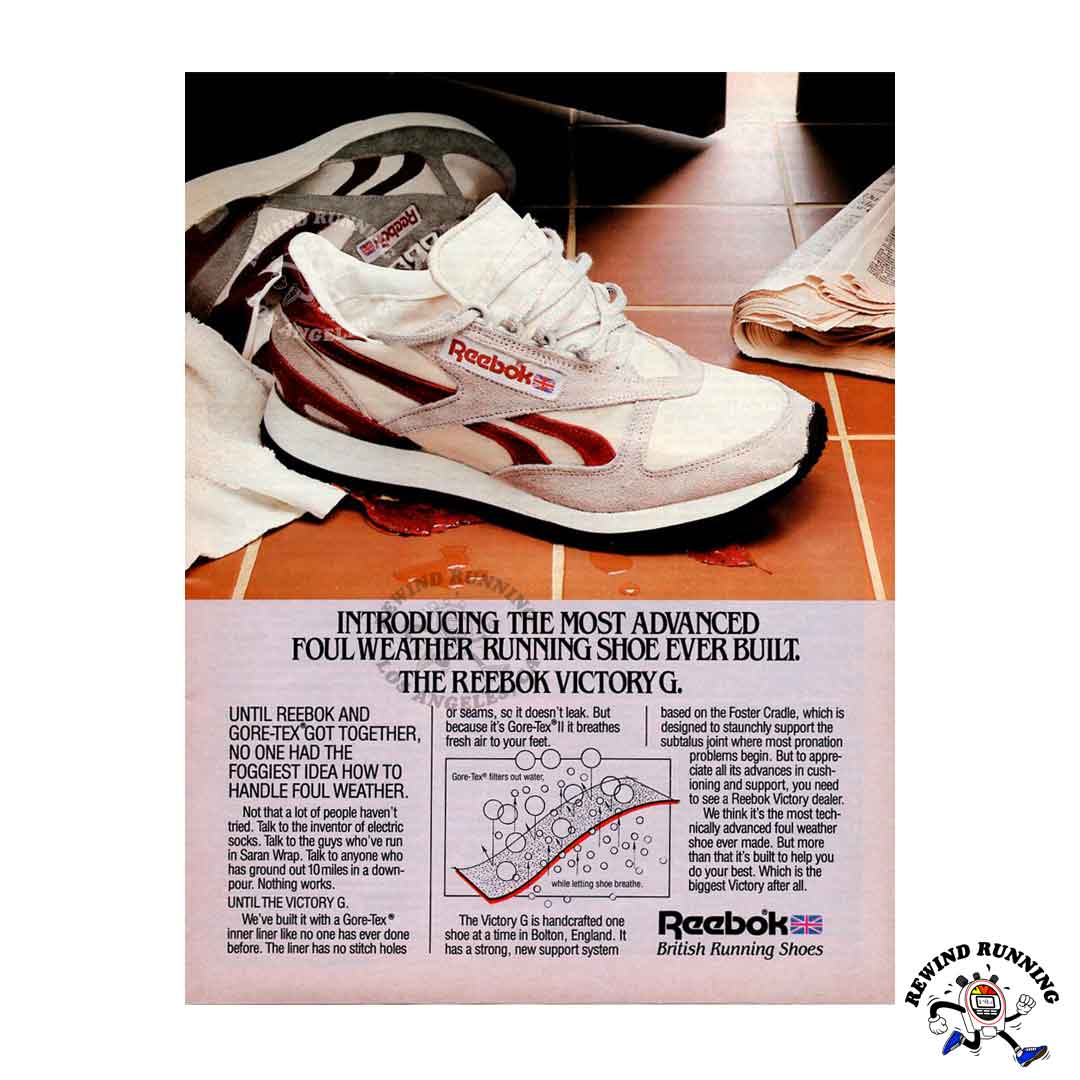
To style 80s sneakers effectively, one must first appreciate the objective design ethos that defined them. This era marked a technological and cultural revolution in athletic footwear. Companies like Nike, Adidas, Reebok, and Puma were engaged in fierce competition, driven by the aerobics craze, the rise of basketball superstars, and the burgeoning hip-hop scene. Scientifically, the focus shifted towards enhanced performance features: encapsulated air cushioning (like Nike Air), gel technology (Asics), and advanced stability systems. Visually, this translated into bold, geometric shapes, oversized branding, and high-cut silhouettes meant for ankle support. Color theory was applied with fearless abandon, often utilizing high-contrast panels, neon accents (influenced by the Memphis Design Group), and metallic details. As design critic Alice Rawsthorn once noted in her writings for The New York Times, 80s design was characterized by “a rejection of minimalist modernism in favor of exuberance, ornamentation, and wit.” This is precisely captured in sneakers of the period—they were unapologetic, engineered for visibility, and served as symbols of identity and subcultural affiliation, from the basketball court to the breakdance circle.
The Foundation: Mastering Monochrome and Neutral Pairings
The most straightforward and powerful method to modernize a pair of 80s sneakers is to let them be the singular burst of character against a restrained backdrop. If your sneakers feature vibrant blues, radiant reds, or electric yellows, construct your entire outfit from a monochromatic or neutral palette. Imagine a classic pair of Nike Air Max 1s with a grey and red color-blocked design. The contemporary styling move would be to pair them with tailored, loose-fit charcoal trousers, a simple white heavyweight cotton t-shirt, and an oversized beige chore jacket. This approach follows a principle often emphasized by stylists on platforms like YouTube, such as Alexa Chung, who advocates for “one statement piece per outfit.” The neutral clothing acts as a gallery wall, allowing the intricate design and color story of the sneakers to be the undeniable artwork. It mitigates any risk of the outfit feeling “costumey” and instead frames the shoes as a deliberate, curated choice. This strategy works exceptionally well with the often complex paneling of 80s models; the clean lines of modern minimalist fashion create a perfect visual balance, allowing the technological and aesthetic details of the footwear to be appreciated without competition.
Embracing the Bulk: Silhouette Balancing Act
A defining trait of many 80s sneakers is their substantial, sometimes chunky, profile. Models like the Reebok Classic or the Nike Air Force 1 have a volume that can feel disproportionate if not balanced correctly. The modern solution lies in playing with proportions elsewhere in your outfit. The current fashion discourse, heavily informed by archival work from designers like Martine Rose and the rise of “gorpcore,” celebrates intentional volume. The key is strategic contrast. Pair these substantial shoes with garments that offer a counterpoint in shape. For example, style them with wide-leg, high-waisted trousers or a midi skirt that flares gently. The volume of the shoe then becomes a grounded, stabilizing element rather than a clumsy appendage. Conversely, for a sharper look, try cropped, straight-leg pants or slim-fit jeans that end just above the ankle, exposing the full silhouette of the sneaker. This creates a clean break and highlights the shoe as an architectural object. The principle is akin to concepts found in design literature from institutions like the Rhode Island School of Design, which teaches the importance of visual weight and counterbalance in composition. Your outfit is that composition, and the chunky sneaker is a bold form that requires thoughtful placement within the whole.

Color Blocking: A Legacy Technique Revived
The 80s were the heyday of color blocking, a technique that involves pairing large, solid blocks of color in a single outfit. This is a more advanced but incredibly rewarding way to style your vintage-inspired footwear. Don’t merely match a single color from your sneaker to your top; instead, pull out two or three of the secondary colors present in the shoe’s design and replicate them in your clothing items. For instance, with a pair of Gola Harriers featuring navy, white, and maroon accents, you could wear maroon chino shorts, a simple white polo shirt, and a navy overshirt tied around your waist. This creates a cohesive, painterly look that feels intentional and modern. This method finds its roots in the work of artists like Piet Mondrian and the De Stijl movement, which influenced fashion decades later. Fashion historian Valerie Steele, in her publications for the Fashion Institute of Technology, has pointed out how 80s designers like Stephen Sprouse directly translated these art principles into wearable garments. By reactivating this technique, you’re not just wearing sneakers; you’re engaging with a visual history, creating an outfit that is both referential and fresh.
Contextual Subversion: Dressing Up the Casual
Perhaps the most contemporary styling trick is the deliberate subversion of context. 80s sneakers, inherently casual and athletic, gain immense power when juxtaposed with elements of formal or tailored wear. This is the essence of modern “hybrid dressing.” Picture a sleek, well-cut single-breasted blazer in a neutral tone, paired with a crisp dress shirt, but instead of derbies or loafers, your feet are clad in a pair of pristine, white leather Adidas Stan Smiths (a design that peaked in 80s popularity) or a bold-colored Nike Cortez. This clash codes—the formality of the blazer with the utility of the sneaker—creates an outfit that is intelligent, relaxed, and confident. It signals a mastery of style rules and the confidence to bend them. This philosophy is echoed by figures like musician and style icon Pharrell Williams, who often mixes high-fashion pieces with streetwear staples, stating in interviews that “the point is to express individuality, not to follow a uniform.” The sneaker becomes the personality-infusing element in an otherwise formal framework, proving its versatility and timeless appeal.

Investment and Acquisition: Building Your Archive
Incorporating 80s sneakers into your wardrobe is an investment in design history. While original vintage pairs can be found on platforms like eBay and specialized dealers, many brands have extensive “reissue” or “retro” lines that faithfully reproduce the classic models with modern material and comfort technology. From a professional consumer standpoint, this is often the most practical route. Brands like New Balance with their 990 series, Reebok with the Classic Leather and Club C, and Nike with their vast “Retro” catalog under the Nike Sportswear line, offer continuous access to these icons. To bring professional knowledge on value: look for models that use original tooling (the mold for the sole), as this is crucial for authentic silhouette. Premium materials like full-grain leather or suede will age better than synthetic alternatives. Furthermore, end-of-season sales, outlet stores, and brand loyalty programs are excellent avenues to acquire these pieces at discounted prices, making this style accessible. Building a capsule collection of one or two iconic 80s silhouettes in versatile colorways can provide endless styling options, offering a higher cost-per-wear value than numerous fast-fashion alternatives.

The journey of integrating 80s sneakers into a modern wardrobe is ultimately an exercise in creative confidence. These shoes are not mere accessories; they are wearable artifacts loaded with cultural meaning, technical innovation, and visual punch. By applying the principles of neutral framing, silhouette balancing, strategic color work, and contextual juxtaposition, you transform their inherent boldness from a challenge into your greatest asset. They become the exclamation point on a sentence built with contemporary grammar, allowing you to navigate the present while tipping a hat to a uniquely inventive past. The goal is a seamless blend where the sneaker feels both intentional and innate, a signature piece that grounds your personal style in a rich history of design.
