

Elevate Your Style with Black Leather Heels for Every Season
Imagine a single item in your wardrobe that holds the power to transform your look, regardless of the weather outside or the occasion on your calendar. This isn’t a fantasy of fashion hyperbole; it’s the grounded reality of the black leather heels. More than just footwear, they are a sartorial keystone, a versatile anchor that provides both foundation and flourish to an ensemble. Their enduring presence across decades and trends isn’t accidental—it’s a testament to a unique confluence of design, psychology, and material science. This article delves into the multifaceted appeal of these iconic shoes, moving beyond subjective style advice to explore the objective reasons behind their supremacy. We’ll examine their material integrity, their psychological impact, their historical evolution, and their practical, season-spanning versatility, ultimately demonstrating why a pair of well-chosen black leather heels is not an expense, but a strategic investment in your personal and professional presentation.
The Unmatched Material: Why Leather Reigns Supreme
The choice of material is the first and most critical factor separating a fleeting trend from a lasting staple. Leather, particularly in its high-quality forms, offers a suite of properties that synthetic materials struggle to replicate. Scientifically, leather is a durable and flexible material created by tanning animal rawhide and skins. The tanning process stabilizes the protein structure (collagen) of the skin, making it resistant to decay and granting it remarkable longevity. From a practical standpoint, leather is breathable. The natural fibers allow for a degree of moisture vapor transmission, which helps regulate foot temperature and reduce discomfort—a crucial factor when wearing heels for extended periods. Furthermore, leather possesses a unique ability to mold to the shape of the wearer’s foot over time. This phenomenon, known as “breaking in,” creates a custom fit that enhances comfort, a claim often echoed by podiatrists and footwear experts. As noted by the University of Kentucky’s College of Agriculture, Food and Environment in their literature on leather science, “Quality leather, when properly cared for, can last for decades, developing a rich patina that adds character.” This durability translates directly to cost-per-wear economics. While the initial investment in a genuine leather shoe may be higher, its extended lifespan often makes it more economical than repeatedly replacing cheaper, less durable alternatives. The sleek, polished surface of black leather also provides a perfect canvas for design, reflecting light in a way that conveys sophistication and finish, making black leather heels a benchmark for professional and formal attire.

The Psychology of Elevation: More Than Just Height
To dismiss heels as merely height-enhancing is to overlook their profound psychological and sociological impact. The effect of wearing heels, particularly a classic style like black leather heels, has been the subject of various studies and cultural commentaries. From a biomechanical perspective, heels alter posture: they tilt the pelvis, arch the back, and shift the center of gravity. This forced alignment often results in what is perceived as a more confident, poised stance. This physical change can trigger a psychological feedback loop. A study published in the journal “Archives of Sexual Behavior” suggested a correlation between wearing heels and increased perceptions of attractiveness, linked to the exaggeration of lumbar curvature—a signal associated with female fertility in evolutionary psychology. Beyond attraction, heels command authority. In her book “The Psychology of Fashion,” Professor Carolyn Mair notes that clothing choices significantly influence both the wearer’s self-perception and the perceptions of others. A sharp, polished shoe like a black leather pump is consistently coded in professional settings as authoritative and competent. This isn’t mere opinion; it’s a widely recognized non-verbal cue in business etiquette. As fashion historian and author Naomi Tarrant has stated, “The heel, especially a simple, dark one, has long been a uniform of power for women entering spaces traditionally dominated by men.” It creates a literal and metaphorical elevation, making the wearer feel more in command and, in turn, being seen as such. This psychological armor is seasonless, providing a boost in confidence whether paired with a summer dress or a winter wool suit.
A Timeless Journey: From Royal Courts to Modern Streets
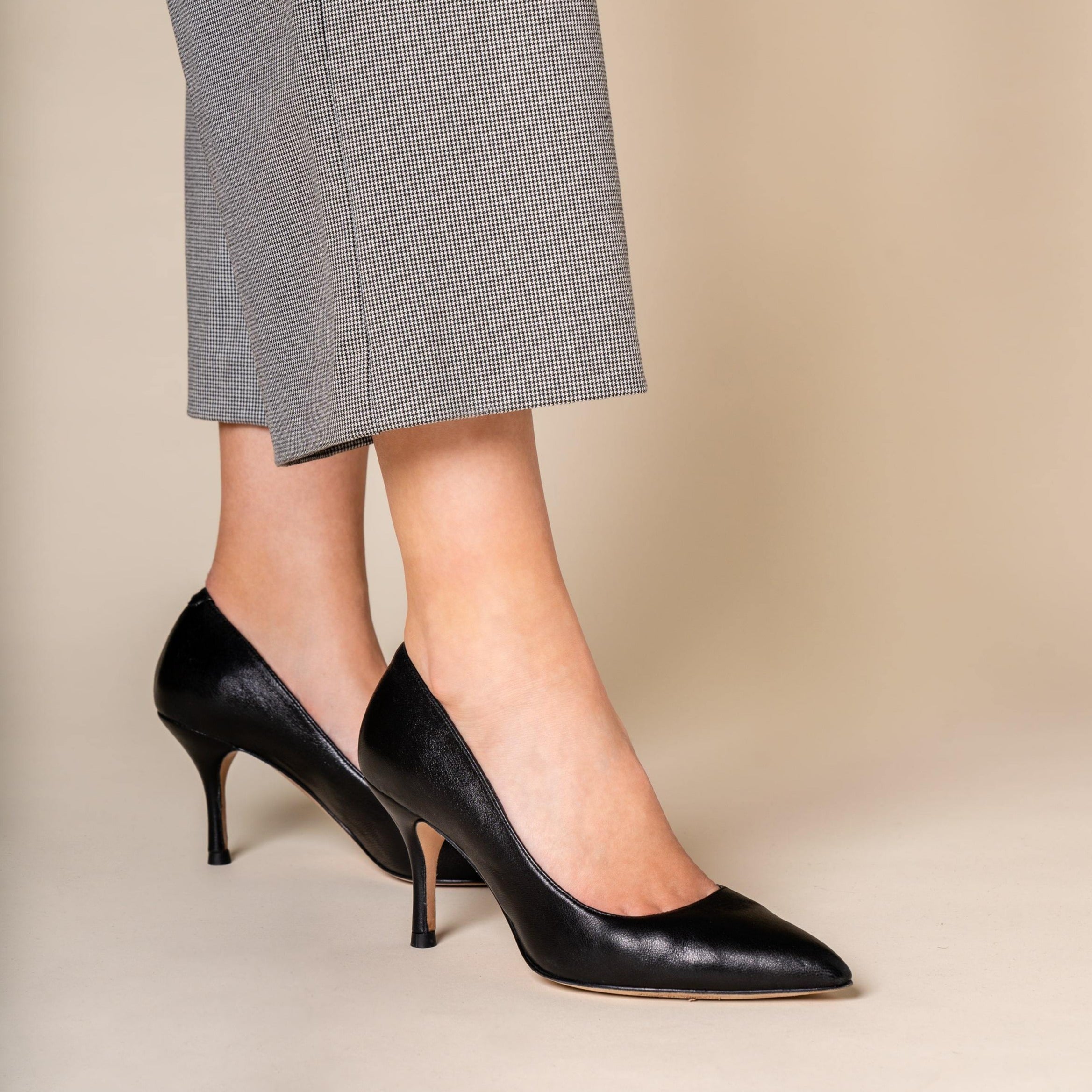
The history of the heel is a fascinating trek through function, status, and gender norms. Contrary to popular belief, heels were not invented for women. According to historical records from institutions like the Bata Shoe Museum, heels originated in Persian cavalry culture in the 10th century, where they helped secure riders’ feet in stirrups. They were later adopted by European aristocracy, notably by King Louis XIV of France, who used red heels to signify his noble status. The democratization and feminization of the heel occurred over centuries. The simple, elegant black leather heels as we know them today began to crystallize in the mid-20th century. The post-war era, particularly the 1950s, saw designers like Christian Dior and Roger Vivier championing the stiletto—a slim, high heel often crafted in leather or patent leather. This design became synonymous with a new, sophisticated femininity. The black leather version offered a versatile alternative to more flamboyant styles, easily moving from day to night. Its popularity was cemented by silver screen icons. Audrey Hepburn’s simple black pumps in “Breakfast at Tiffany’s” projected a chic, attainable elegance, while the powerful stride of characters portrayed by actresses like Lauren Bacall in black heels became a symbol of the modern, assertive woman. This historical lineage isn’t just trivia; it informs the shoe’s DNA. Every pair of contemporary black leather heels carries this heritage of resilience, status, and evolving self-expression, making them a piece of wearable history that is constantly being redefined.
The Four-Season Chameleon: Styling for Every Climate
Versatility is the cornerstone of any wise wardrobe investment, and few items rival the year-round adaptability of black leather heels. Their neutral color and classic form allow them to integrate seamlessly into seasonal rotations, making them a constant amidst changing trends and temperatures. In spring, pair them with a floral midi dress and a light trench coat; the heels ground the femininity of the print with structure and edge. During the summer, they elevate simple pieces—imagine crisp white jeans and a silk camisole, or a minimalist linen shift dress. The leather adds a touch of polished contrast to breezy fabrics, ensuring a look that is relaxed yet refined. Autumn is where they truly shine, complementing the rich palette of the season. Wear them with opaque tights, a tweed skirt, and a chunky knit sweater for a look that balances texture and sophistication. In winter, they are not to be shelved. Paired with tailored wool trousers or a sleek pantsuit, they cut a sharp silhouette against heavier fabrics. The key in colder months is coordination: choose styles that cover more of the foot, like a pointed-toe pump or an ankle boot heel, and ensure your outerwear length complements the shoe’s line. This seamless transition across the calendar is a primary reason for their enduring value. As styling advice from platforms like Who What Wear often emphasizes, “A neutral shoe in a premium material is the connective tissue of a capsule wardrobe.” They are the reliable element that ties disparate seasonal pieces into a coherent personal style, proving that black leather heels are truly a perennial, not a seasonal, choice.
Investment and Care: Securing Your Stylistic Foundation
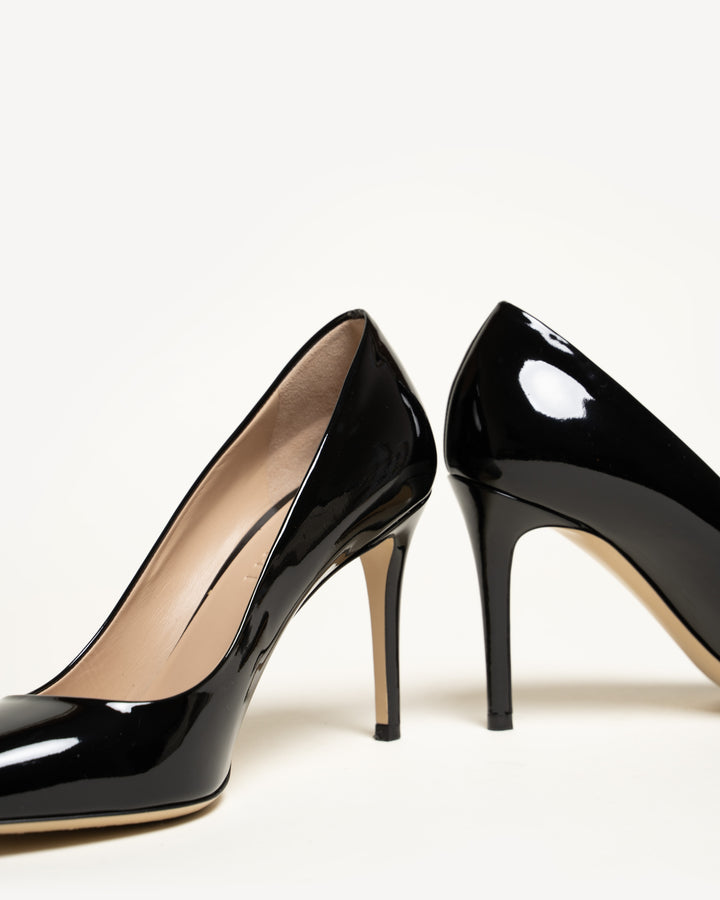
Recognizing the black leather heels as an investment necessitates an understanding of selection and stewardship. The investment begins with informed purchasing. Look for hallmarks of quality: full-grain or top-grain leather, secure and comfortable fastenings, a well-crafted heel that sits squarely under the heel cup for stability, and a lining that feels smooth against the skin. Consider the heel height and shape in relation to your lifestyle; a classic mid-height pump or a block heel often offers the best balance of elegance and practicality for daily wear. Once acquired, proper care is paramount to protect your investment. Regular maintenance includes using shoe trees to maintain shape, brushing off dust with a soft brush, and conditioning the leather every few months to prevent drying and cracking. For scuffs, a quality black leather cream or polish is essential. This isn’t just about aesthetics; it’s about preservation. As the Tannery at the Fashion Institute of Technology advises, “Conditioning replenishes the natural oils lost over time, extending the leather’s pliability and life.” Furthermore, consider practical enhancements. A visit to a trusted cobbler for a thin rubber topy on the sole can dramatically increase longevity by preventing wear on the original leather sole. This proactive approach to care ensures that your heels remain a reliable and polished component of your wardrobe for years, maximizing the return on your initial outlay and solidifying their status as a cornerstone of your style.
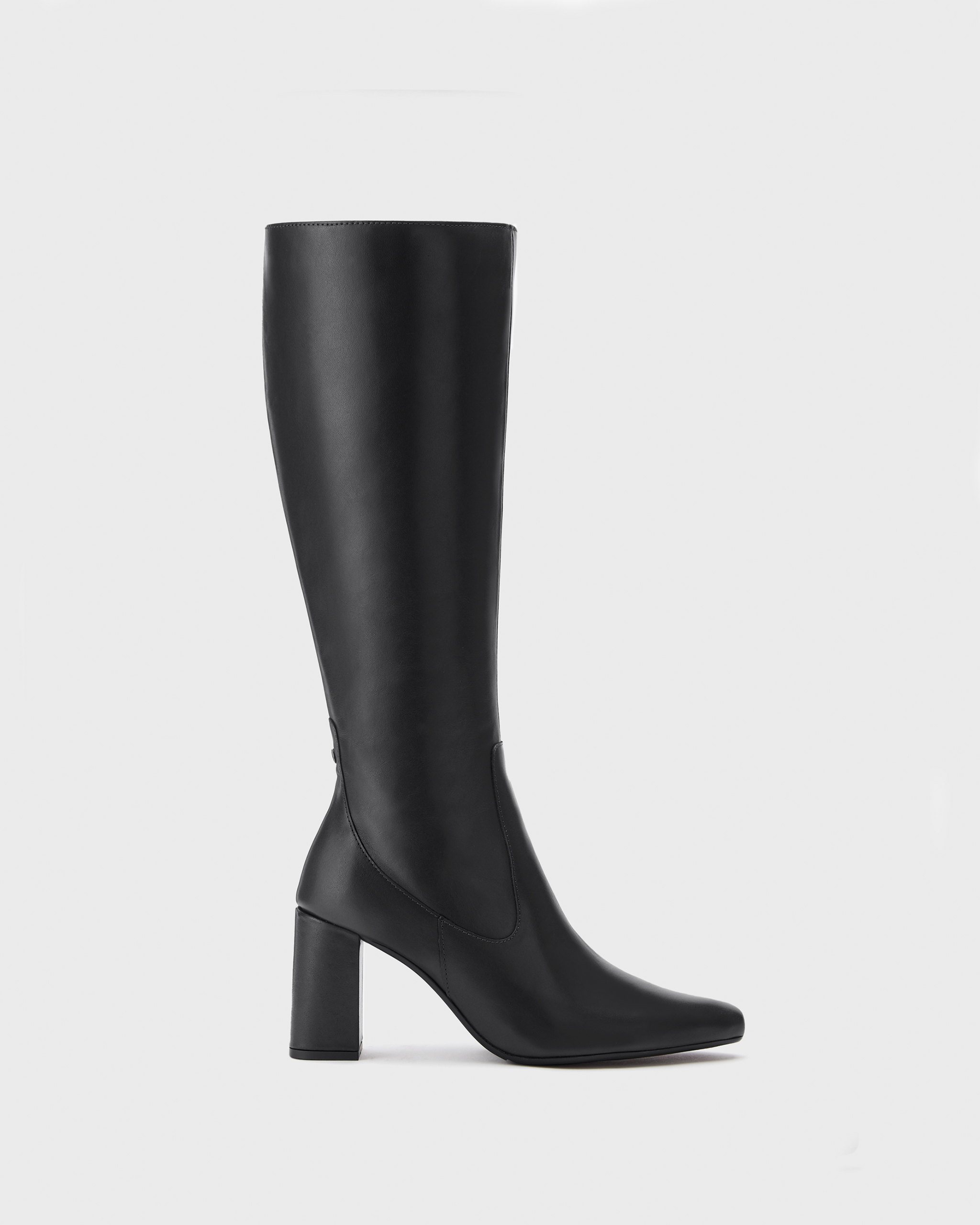
The journey through the material science, psychological power, historical weight, and seasonal versatility of the black leather heels reveals a clear truth: their prominence is earned, not given. They are a tool of non-verbal communication, a product of human ingenuity in material craft, and a versatile workhorse for the modern wardrobe. They require an initial discernment in selection and a commitment to care, but the reward is a lasting symbol of poised self-presentation. In a world of fast fashion and fleeting trends, they stand as a testament to enduring design—a single, powerful choice that consistently elevates, empowers, and defines, one confident step at a time, through every season of the year.
