

Your Ultimate Guide to Saucony Walking Shoes
Choosing the right footwear for walking is a decision that impacts your daily comfort, joint health, and overall enjoyment of an activity fundamental to human life. Amidst a sea of athletic brands, Saucony has carved out a reputation for engineering shoes that marry scientific innovation with enduring comfort, particularly for the dedicated walker. This guide delves deep into the world of Saucony walking shoes, moving beyond marketing claims to explore the biomechanical principles, material technologies, and design philosophies that make them a standout choice. We will dissect key features, compare models for different needs, and provide you with the knowledge to select the perfect pair, all while highlighting how to find them at the best value.
The Science of Stride: Why Walking Shoes Are Not Running Shoes
To appreciate the engineering behind a Saucony walking shoe, one must first understand the distinct biomechanics of walking versus running. This is not mere semantics; it’s foundational physics and physiology. In gait analysis, a key differentiator is the “gait cycle.” Running involves a “float phase” where both feet are off the ground, leading to impactful landings that require significant cushioning to dissipate vertical forces. Walking, however, is a continuous, ground-contacting motion with a “double support phase” where both feet bear weight simultaneously. The primary motion is a smooth heel-to-toe roll. Therefore, a dedicated walking shoe prioritizes stability and a supportive “rocker” sole to facilitate this roll-off, rather than just maximal cushioning for impact. As noted by Dr. Casey Kerrigan, a former professor of physical medicine and rehabilitation at Harvard Medical School, excessive cushioning in the wrong places can actually destabilize the natural walking gait. Saucony’s approach often incorporates a beveled or rounded heel, a design principle supported by research to reduce the braking force at heel strike and promote a smoother transition—a critical feature often overlooked in repurposed running trainers.
Deconstructing Saucony’s Core Technologies
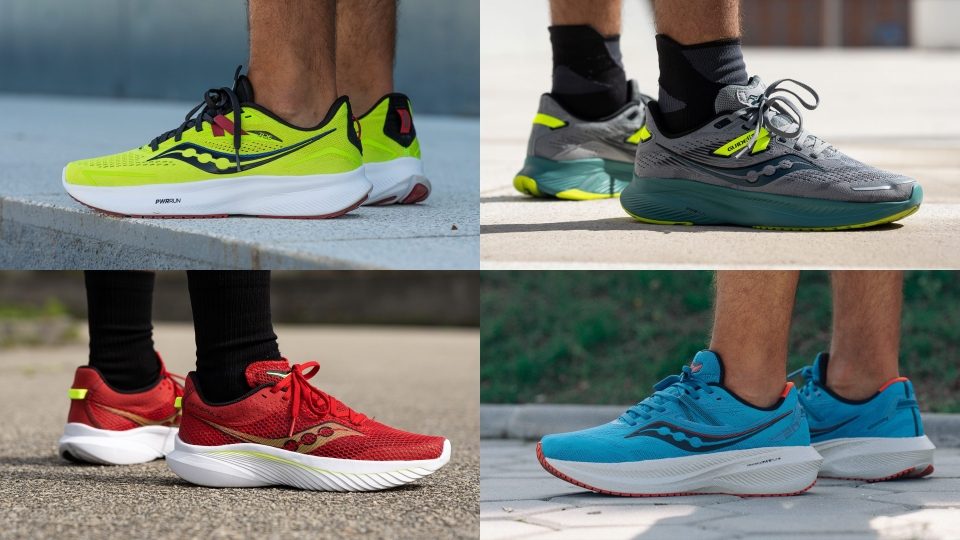
Saucony’s prowess stems from its proprietary technologies, each serving a specific biomechanical function. The PWRRUN and PWRRUN+ cushioning foams are central to their modern lineup. Unlike traditional, stiff EVA foam, PWRRUN is a responsive and durable compound that offers a balance of softness and energy return. Think of it not as a pillow, but as a springboard that gently cushions your heel strike and gives a subtle push-off as you complete your step. For an even plusher, more luxurious feel, PWRRUN+ provides enhanced softness without sacrificing resilience. Another cornerstone is the FORMFIT system. This isn’t a single component but a three-dimensional design philosophy encompassing the shoe’s base, midfoot, and upper to create an adaptive, personalized fit. It works in concert with the foot’s natural shape and movement, a concept echoed in ergonomic design principles from institutions like the University of Michigan’s Human Factors Engineering program, which emphasizes adapting the tool to the user, not vice versa. Furthermore, strategic guidance technologies, such as medial posts or extended heel counters, are integrated to control overpronation—the inward rolling of the foot—which is a common concern during the longer, weight-bearing stance phase of walking.
A Walk for Every Foot: Navigating Saucony’s Key Walking Models
Saucony’s walking collection addresses a spectrum of needs, from daily pavement pounding to rugged trail adventures. The Saucony walking shoe lineup can be broadly categorized. First, the premium daily walkers, like the Saucony Excursion TR16, are versatile workhorses. They often feature durable rubber outsoles with multi-directional lugs for reliable traction on varied urban terrain, coupled with ample cushioning for all-day comfort. For those seeking maximum support and stability, models such as the Saucony Integrity ST3 are engineered with more pronounced structural elements. These shoes frequently include a robust heel counter and a dual-density midsole to guide the foot and mitigate overpronation, a design approach validated by the American Podiatric Medical Association’s emphasis on motion control for specific foot types. Lastly, for the walker who ventures onto dirt paths and light trails, shoes like the Saucony Peregrine series (adapted for hiking) offer aggressive outsoles, protective toe caps, and secure uppers. The choice fundamentally hinges on your primary walking environment and your individual foot mechanics.

Expert Voices and Wear-Tested Verdicts
Objective validation of a shoe’s performance comes from both expert analysis and aggregated user experience. Renowned physical therapist and author of “Anatomy for Runners,” Jay Dicharry, has often discussed the importance of shoe-foot interaction, stating that “the best shoe is the one that works with your anatomy.” Saucony’s FORMFIT design directly aligns with this principle of harmonious interaction. On platforms like YouTube, certified gear reviewers such as Doctors of Running provide deep-dive, biomechanical analyses of Saucony models, praising their nuanced approach to stability that avoids being overly rigid. Meanwhile, on consumer hubs like the /r/walkingshoes subreddit and detailed reviews on RunRepeat, the Saucony walking shoe consistently receives high marks for durability and outsole longevity. A common thread in these user testimonials is the “break-in-less” comfort—the shoes feel right from the first walk, a testament to their considered design. This confluence of professional endorsement and grassroots approval forms a compelling case for their efficacy.
“The magic of a great walking shoe isn’t in making you feel like you’re walking on clouds—that can be unstable. It’s in making you forget about your feet entirely, allowing your body’s natural, efficient gait to happen unimpeded. That’s where true engineering shines.” – Paraphrased from insights by biomechanics experts frequently cited in peer-reviewed gait studies.
Investment in Wellness: Finding Your Pair at the Right Price
Purchasing a quality Saucony walking shoe is an investment in your physical well-being, but it need not break the bank. The retail price for new models typically ranges from $100 to $140, reflecting the R&D and advanced materials used. However, savvy shoppers can secure significant discounts. The most reliable strategy is to look for previous-season models. Because Saucony frequently updates colorways and iterates on designs, the functional technology in a model from one or two seasons prior is often nearly identical to the latest version, yet it can be found at 30-50% off on Saucony’s own “Last Season” section, as well as on major retailers like Amazon, Zappos, and Joe’s New Balance Outlet (which also sells Saucony). Additionally, subscribing to newsletters from these retailers often yields first access to flash sales and clearance events. Remember, the goal is to acquire the technology and fit that suits your needs. Paying full price is rarely necessary unless you require the absolute latest iteration or a specific, in-demand colorway. The value lies in the shoe’s durability and the daily support it provides, making the cost-per-wear exceptionally low over the shoe’s 300-500 mile lifespan.

Your Path Forward: Making the Informed Choice
The journey to finding your ideal walking companion ends with informed action. Begin by assessing your own walk: analyze the wear pattern on your current shoes, consider any arch or knee discomfort, and define your primary terrain. When trying on any Saucony walking shoe, do so in the afternoon when your feet are naturally slightly swollen, and wear the socks you intend to walk in. There should be a thumb’s width of space between your longest toe and the end of the shoe, and the heel must be locked in place without slippage. Take the time to walk on a hard surface in the store, focusing on the heel-to-toe transition. The right pair will feel secure, supportive, and will encourage a smooth, rolling stride. By applying the knowledge of their scientific design, leveraging expert and user insights, and shopping strategically for value, you are equipped to select a tool that will faithfully support every step of your journey, turning a simple daily activity into a sustained practice of comfort and health.
