

The Ultimate Guide to Walking Shoes That Elevate Your Outfit
For years, the narrative around footwear was rigidly compartmentalized: here are the shoes for performance, and over there are the shoes for style. Never the twain shall meet. This false dichotomy has led to countless compromises, where we sacrifice comfort for aesthetics or vice versa, resigning ourselves to sore feet for the sake of a polished look, or opting for clunky silhouettes that derail an otherwise thoughtful ensemble. But what if the very foundation of your daily movement—your shoes to walk in—could also be the cornerstone of your personal style? This guide dismantles that outdated binary, presenting a compelling case that the most intelligent footwear choice you can make today is a pair of walking shoes engineered for both unparalleled comfort and sophisticated design. We are entering an era where technical innovation and fashion sensibility are not just aligned; they are synergistically fused, creating a category of footwear that supports your body and defines your aesthetic.
The Anatomy of a Modern Walking Shoe: Where Science Meets the Sidewalk
To appreciate how far walking shoes have come, one must first understand their critical components. This isn’t about a simple slab of rubber and fabric; it’s about biomechanical engineering. The cornerstone is the midsole, typically crafted from advanced materials like EVA (ethylene-vinyl acetate) foam, polyurethane, or proprietary compounds like Adidas’s Boost or Nike’s React foam. According to research from the Spaulding National Running Center, affiliated with Harvard Medical School, the primary role of the midsole is to attenuate ground reaction forces—the shock that travels up your skeleton with each step. A well-cushioned midsole distributes this force, reducing stress on joints from the ankles to the lower back. Then comes the insole or sockliner, which provides immediate underfoot comfort and can often be removed for orthotic support. The outsole’s tread pattern isn’t merely for show; its geometry is designed for optimal grip and flexibility, allowing a natural roll from heel to toe, a phase podiatrists call the “gait cycle.” The upper, once a simple matter of leather or mesh, now utilizes engineered knits, breathable membranes like Gore-Tex for weather resistance, and seamless constructions that minimize friction points, a common cause of blisters. When you select a pair of shoes to walk in with these scientific principles in mind, you’re not just buying shoes; you’re investing in a mobile support system.
Silhouette and Palette: Integrating Performance into Your Personal Style
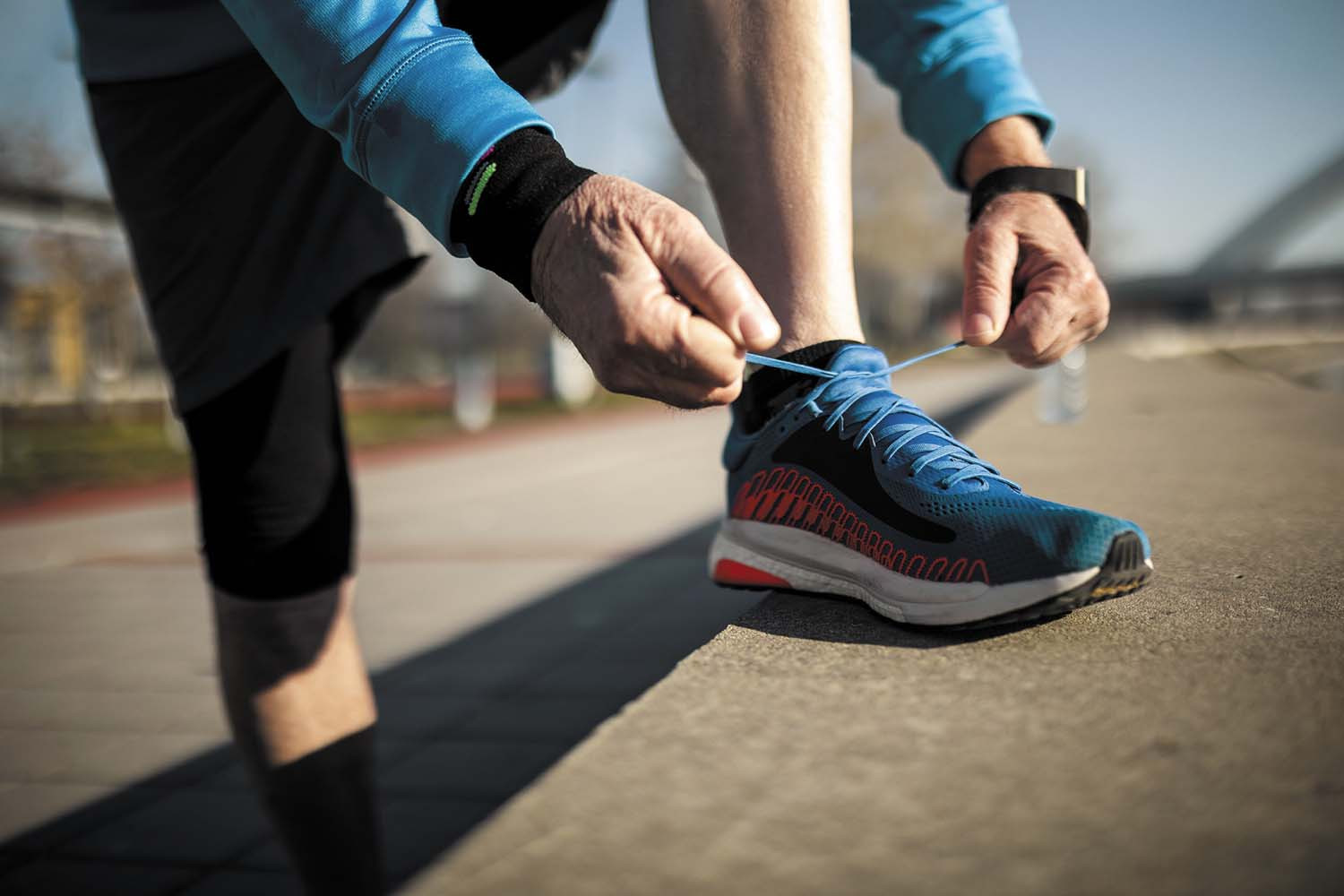
The historic grievance against performance shoes was their visual loudness: garish color blocks, overt branding, and bulky proportions that clashed with tailored clothing. The revolution has been one of subtraction and refinement. Contemporary designers of walking footwear have mastered the art of the minimalist silhouette. Think streamlined profiles, monochromatic colorways, and the use of premium materials like suede, nubuck, and recycled polymers with a matte finish. A neutral-toned shoe with a clean, uncluttered upper can seamlessly integrate into a wide range of outfits. Imagine a sleek, all-black pair with sophisticated texture detailing; they provide the same advanced cushioning as a brightly colored running shoe but can anchor a pair of dark denim, technical trousers, or even a casual blazer ensemble with equal authority. The key is viewing these shoes not as “sneakers” in the traditional athletic sense, but as foundational elements of a modern, dynamic wardrobe. They offer the versatility to move from a morning of errands to an informal meeting without a change of footwear, all while ensuring your feet are cradled in comfort. This stylistic neutrality is their superpower, allowing them to be the quiet, confident base of your outfit rather than a distracting centerpiece.

The Testimonials: From Podiatrists to Fashion Editors
The convergence of health and style in footwear is not a marketing fantasy; it is a reality endorsed by experts across disciplines. Podiatrists, the medical professionals dedicated to foot health, consistently advocate for shoes that prioritize proper support and fit over fleeting trends. Dr. Jane Andersen, a past president of the American Association for Women Podiatrists, has often stated, “The best shoe is the one that fits your foot properly and provides stability.” This medical imperative no longer requires an aesthetic sacrifice. Simultaneously, voices in the fashion industry have championed this shift. Noted fashion director and influencer, whose platform dissects contemporary style, recently observed, “The elevation of the ‘ugly’ sneaker into a luxury item paved the way, but the real victory is the beautiful sneaker—the one you don’t have to apologize for, the one that looks considered and feels incredible.” This dual endorsement is critical. It validates the choice to wear advanced shoes to walk in as both a medically prudent and stylistically astute decision. When the advice of your doctor and the eye of a style critic align, you know a product category has matured beyond a niche.
Material Innovation: The Unseen Engine of Style and Sustainability
The modern walking shoe’s appeal is deeply tied to the materials from which it is constructed. Today’s leading brands are engaged in an arms race of innovation, not just for performance metrics, but for environmental impact and tactile appeal. Recycled polyester from plastic bottles, organic cotton, and bio-based foams derived from algae or castor beans are becoming commonplace. These materials are not merely eco-friendly badges; they often offer superior performance characteristics, such as enhanced breathability, reduced weight, and unique aesthetic textures. A knitted upper made from recycled yarn can provide a sock-like, adaptive fit that is both visually sleek and functionally superior to stiff, traditional materials. Furthermore, the development of durable water repellents (DWR) that are PFC-free allows for weather-ready shoes without the environmental toll of forever chemicals. This focus on material science means your choice in shoes to walk in can reflect a broader values-driven approach to consumption. You are supporting technologies that reduce waste and pollution, all while enjoying a product that feels modern and looks impeccably clean. The story of the shoe is now woven into its very fabric, adding a layer of narrative depth to your purchase.
Making the Investment: A Curated Selection for the Discerning Walker
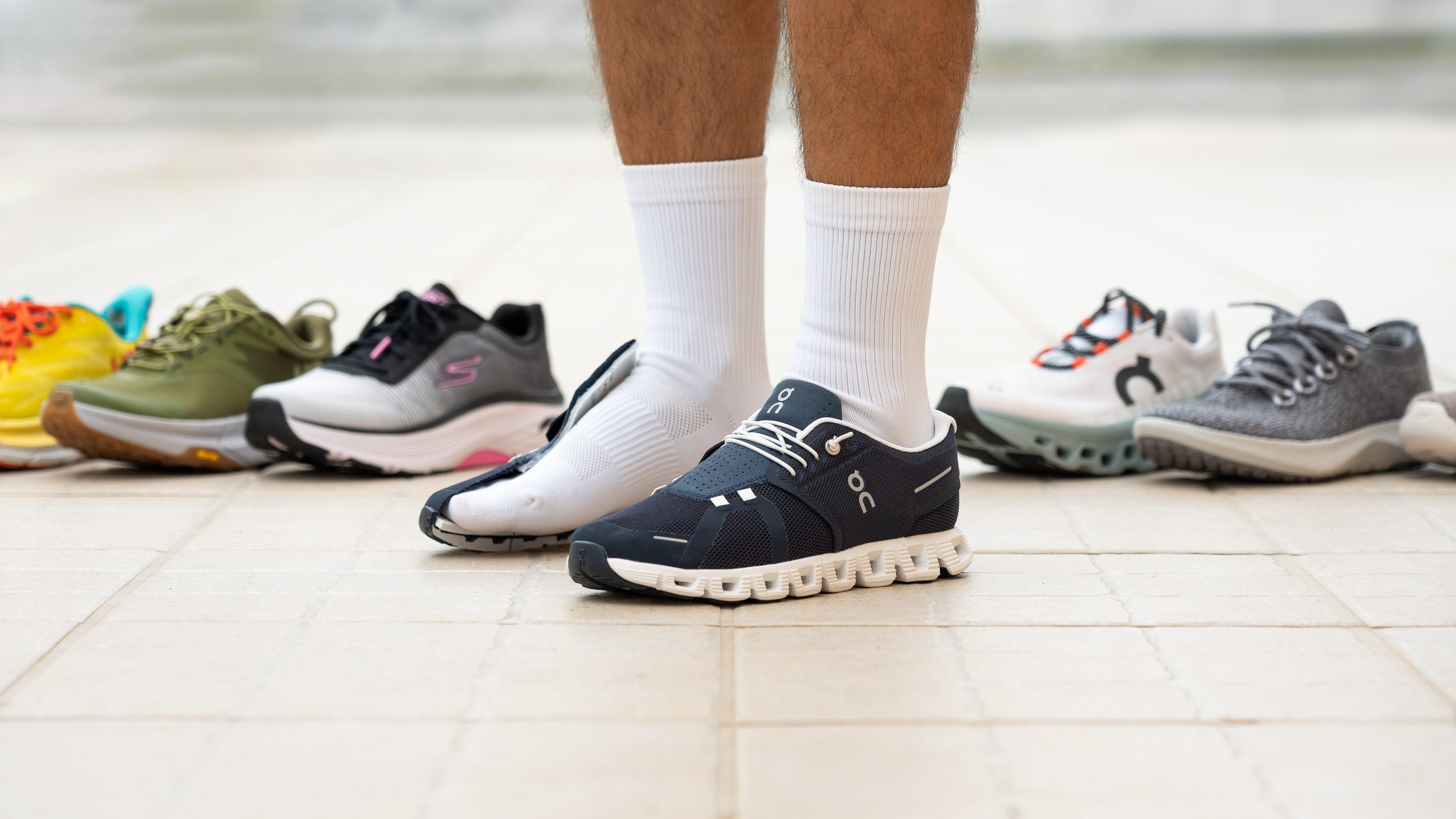
Understanding the principles is one thing; applying them is another. Let’s translate this knowledge into actionable insight. When shopping, look beyond the brand name and interrogate the shoe’s features. First, identify your primary use-case: are you navigating urban concrete, forest trails, or a mix of both? This will dictate the required tread pattern and potential need for water resistance. Second, prioritize fit above all else. Your foot should feel secure at the heel with ample room for your toes to splay naturally. Consider going for a fitting in the afternoon when feet are naturally slightly swollen. Third, examine the design language. Does the shoe’s color and form complement the majority of your wardrobe? A versatile grey, olive, or navy can be more valuable than a statement neon. Finally, recognize that this is an investment in your long-term well-being and daily presentation. While premium walking shoes from brands like On, Hoka, Cole Haan Grand, or Allbirds may carry a higher initial cost—often ranging from $120 to $180—their value is amortized over thousands of comfortable, stylish steps. Many of these brands also offer direct-to-consumer models and seasonal sales, bringing professional knowledge and discounted prices directly to you. The cost per wear of a shoe you love and use daily quickly becomes negligible compared to cheaper, disposable alternatives that fail in both comfort and style.
The journey to finding the perfect pair of shoes to walk in is a journey toward a more integrated life. It is a rejection of the notion that we must segment our days into compartments of “active” and “stylish.” The modern walking shoe stands as a testament to human-centered design, where ergonomics, material science, and aesthetic clarity converge. It empowers you to move through your world with confidence, knowing that each step is cushioned by innovation and each outfit is grounded in intentionality. This isn’t just about footwear; it’s about crafting a daily experience where you never have to choose between feeling good and looking good. You simply step forward, equipped for anything the day brings.
:max_bytes(150000):strip_icc()/tal-walking-shoes-test-on-cloud-5-ashleigh-morley-01-f02f544a3dcf4b67b919b810eac77f09.jpeg)
