

The Ultimate Guide to Walking Shoes That Elevate Your Outfit
For years, the narrative around footwear has been frustratingly binary: either you choose style and suffer in silence, or you prioritize comfort and sacrifice your aesthetic vision. This false dichotomy ends now. The modern individual does not have to choose. The right pair of shoes to walk in can be the cornerstone of an outfit, merging biomechanical engineering with design intelligence to create a seamless experience of confidence and capability. This is not about finding a “comfortable shoe” to hide; it’s about discovering the shoes to walk in that actively enhance your presence, empower your stride, and become a deliberate, celebrated part of your personal style. We are moving beyond mere footwear into the realm of functional art for your feet.
The Anatomy of Elevation: Where Science Meets Style
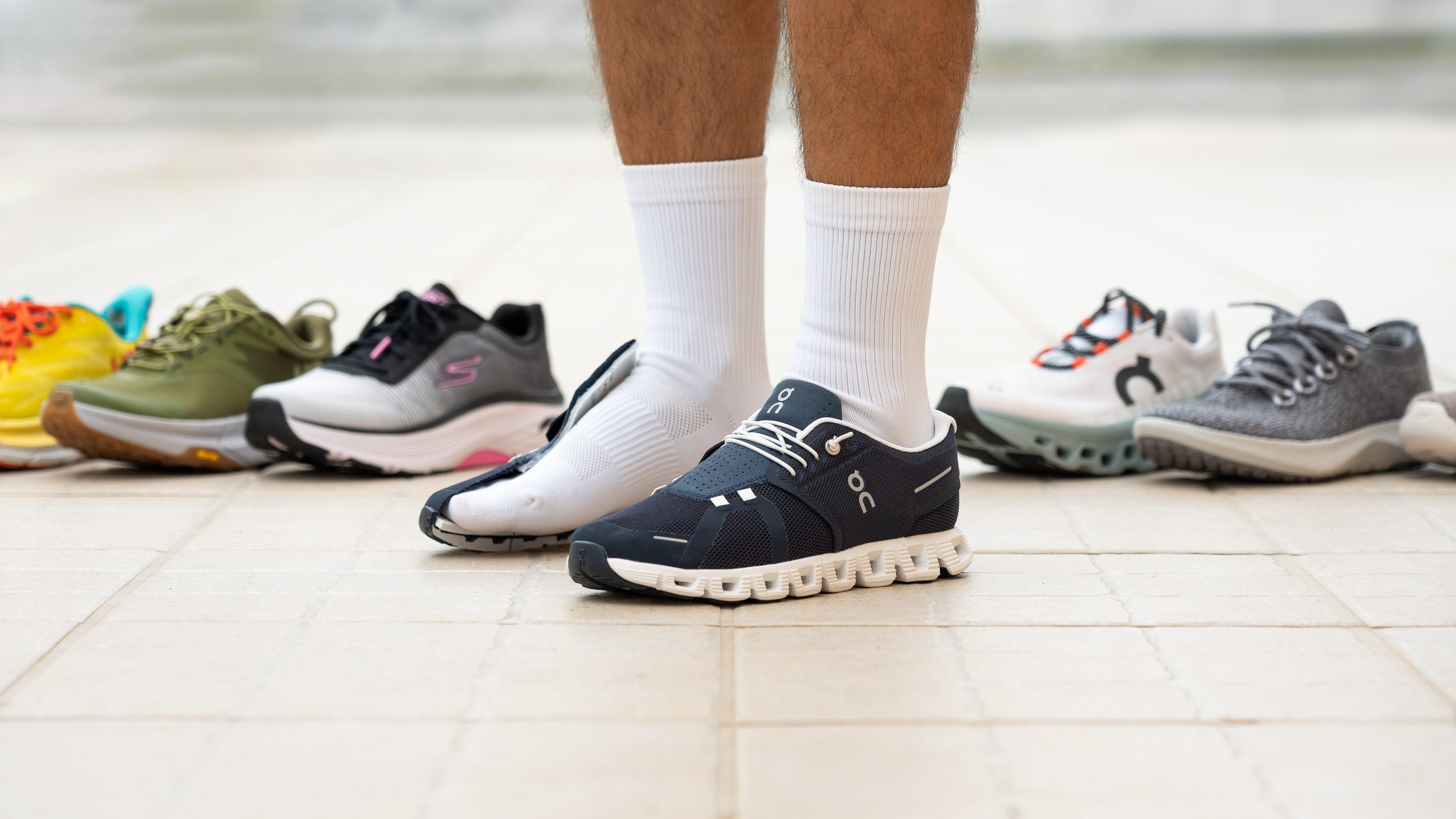
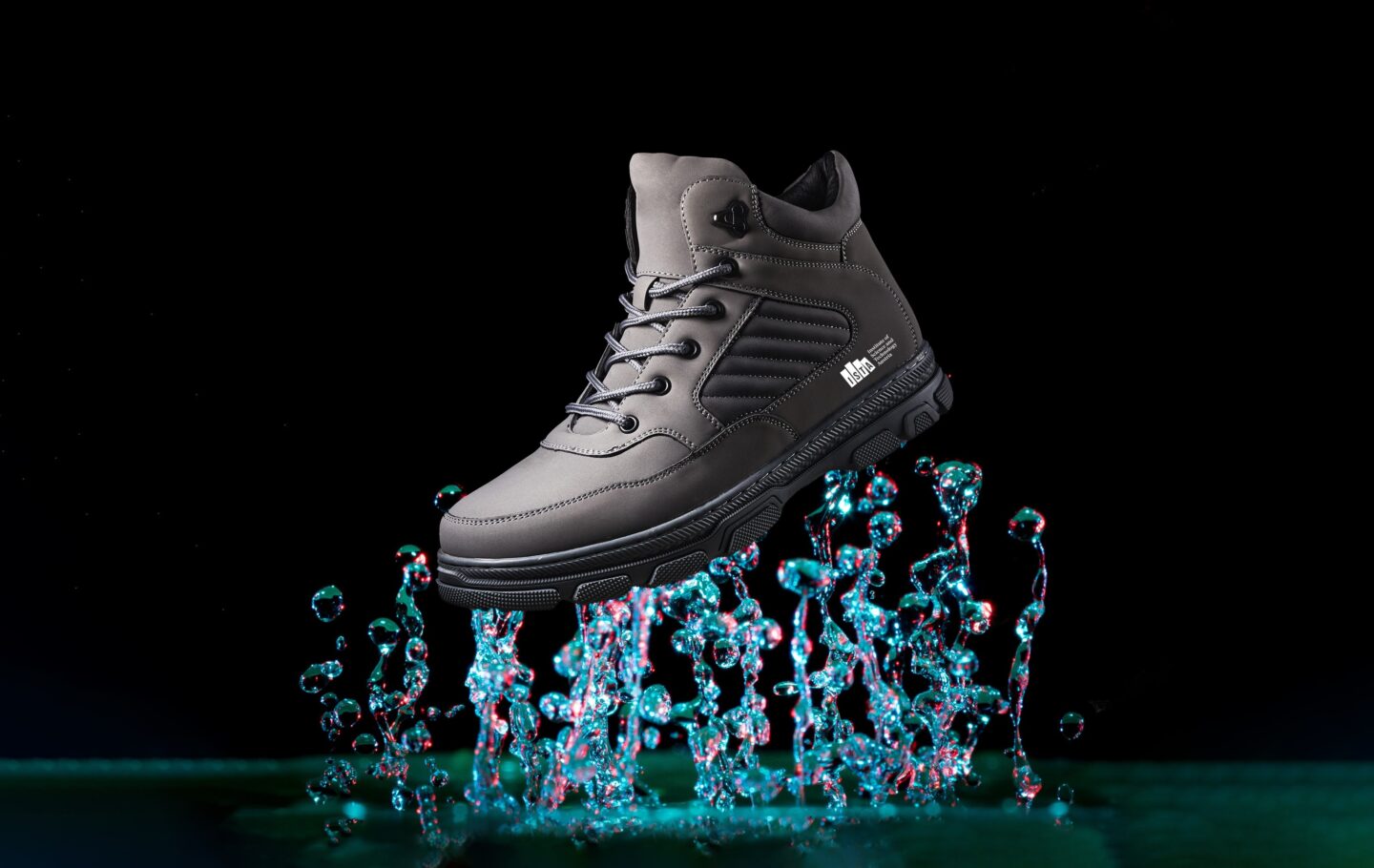
To understand how a shoe can elevate both your foot and your outfit, we must dissect its components through a dual lens. Consider the midsole, the heart of any walking shoe. From a scientific standpoint, as research from the Spaulding National Running Center, affiliated with Harvard Medical School, emphasizes, the midsole’s material and geometry are critical for shock attenuation and energy return. Technologies like EVA foam, polyurethane, or proprietary compounds like Adidas’s Boost or Brooks’s DNA LOFT determine how much impact is dissipated with each step, protecting joints from the cumulative stress of daily ambulation. Yet, from a style perspective, the midsole’s thickness, contour, and color define the shoe’s silhouette. The chunky, layered “dad shoe” trend, for instance, derives its aesthetic power directly from an exaggerated, engineered midsole, transforming a performance feature into a bold fashion statement. Similarly, the outsole’s tread pattern is designed for traction and durability—principles well-documented in podiatric literature for preventing slips and ensuring longevity. But this pattern also creates a distinctive visual texture. A sleek, almost smooth outsole suggests minimalism and urban sophistication, while an aggressive, multi-directional lug pattern communicates a readiness for adventure, adding a layer of narrative to your look. The upper’s materials—engineered mesh for breathability, leather for structure, or recycled textiles for sustainability—are chosen for functional benefits. However, their texture, sheen, and weave are the fabrics of your style. A meticulously crafted suede or a high-tech, seamless knit speaks volumes before you’ve taken a single step. The true elevation occurs when these elements are not in conflict but in concert, where every stitch and polymer serves a dual purpose: to support the body and to express the individual.
Beyond the Gym: Recontextualizing Performance Aesthetics
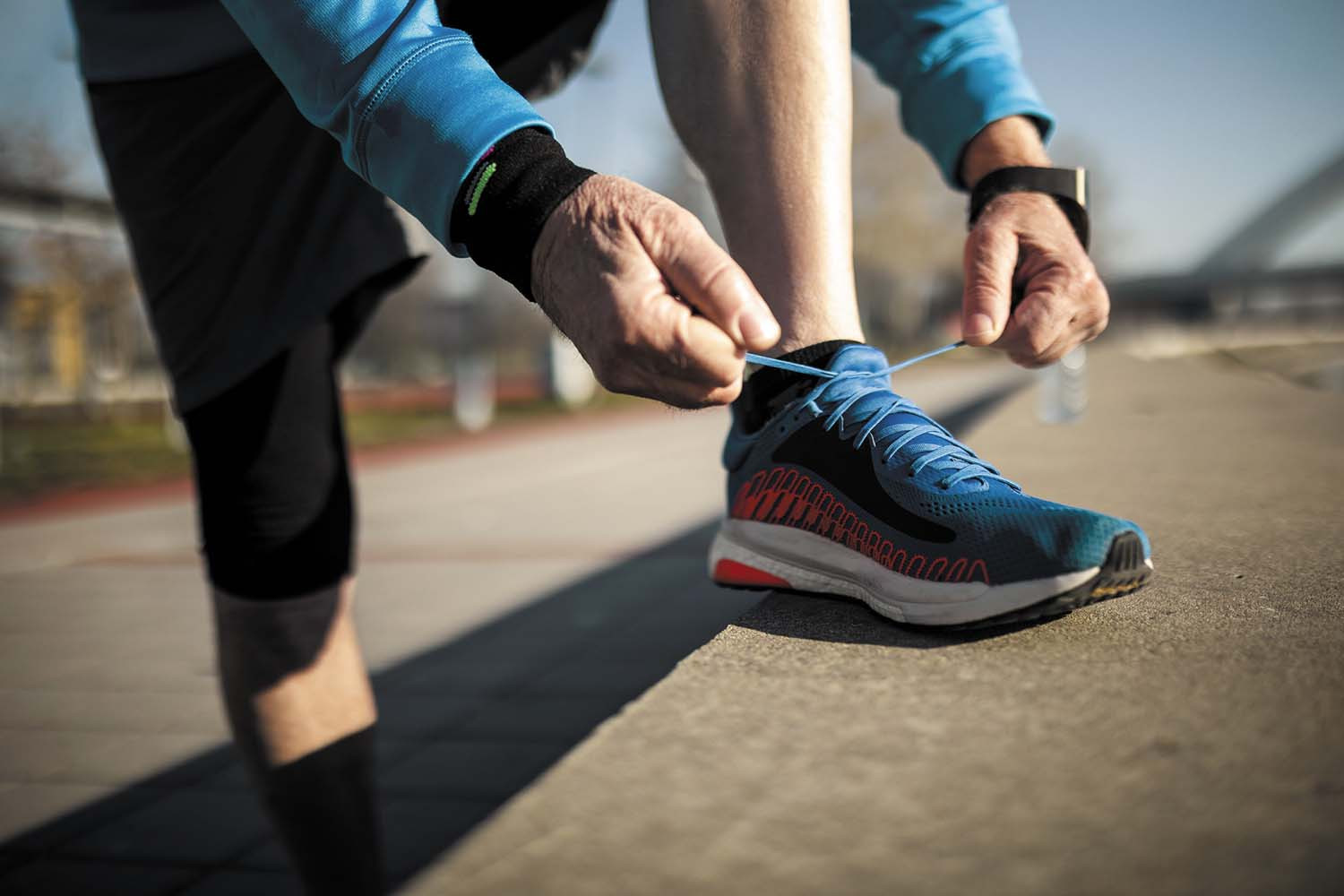
The most significant shift in contemporary fashion has been the seamless integration of technical apparel and footwear into everyday wear. This is not mere appropriation; it is a recontextualization driven by an appreciation for authenticity, innovation, and purpose-driven design. The classic running shoe, once confined to tracks and treadmills, is now a staple paired with tailored trousers and blazers. Why does this work? The answer lies in the philosophy behind the design. As renowned designer Tinker Hatfield, the mind behind iconic Nike Air Max and Jordan models, often articulates, the best performance shoes are born from solving real problems for athletes. This problem-solving process yields forms that are inherently functional, honest, and visually dynamic. When you wear a shoe born from this ethos, you are not just wearing a “sneaker”; you are wearing a piece of resolved engineering, a story of innovation. This narrative adds intellectual depth to your outfit. A minimalist, all-white trainer from brands like Common Projects or Koio brings a clean, architectural purity to a casual ensemble, its value lying in precision and material quality. Conversely, a technical trail-running shoe with its protective toe caps and vibrant, layered construction, when paired with simple streetwear, introduces a note of rugged capability and intentional contrast. The key is intentionality. The shoes to walk in become a focal point that communicates a mindset—one that values smart design, embraces hybridity, and refuses to be categorized. This movement is validated by fashion institutions worldwide; for example, the Museum of Modern Art in New York has included sneakers in its permanent design collection, cementing their status as culturally significant objects where form truly follows function.
The Foundation of Confidence: Biomechanics and Posture
True style is an expression of confidence, and nothing erodes confidence faster than physical discomfort. This is where the objective, scientific superiority of a proper walking shoe becomes your silent advantage. Let’s consider posture. A study published in the Journal of Physical Therapy Science demonstrated a direct correlation between footwear and spinal alignment. Shoes with inadequate support or improper heel-to-toe drop can lead to anterior pelvic tilt or rounded shoulders as the body compensates for instability. A well-designed shoes to walk in, with appropriate arch support (whether neutral, stability, or motion control, tailored to your gait) and a balanced platform, promotes a neutral alignment. This allows your skeleton to stack efficiently, your lungs to expand fully, and your head to sit properly atop your spine. The result? You stand taller, literally and figuratively. Your gait changes. Instead of a hesitant, energy-sapping shuffle to avoid pain, you develop a purposeful, efficient stride. This kinetic confidence radiates outward. People perceive you as more assured and commanding when your movement is fluid and grounded. Furthermore, the cognitive load of pain is immense. Neuroscientific research, such as that cited by pain specialist Dr. Lorimer Moseley, shows that chronic discomfort consumes attentional resources. When your feet are at ease in shoes engineered for sustained mobility, that mental energy is freed. You are no longer subconsciously monitoring for the next twinge of pain in your heel or pinch in your toe. Your focus can be entirely on your surroundings, your conversation, your goals. In this way, the right shoes to walk in do more than protect your feet; they optimize your entire physical and mental presence, creating an unshakable foundation from which your personal style can confidently emerge.
Curating Your Walk: A Framework for Selection
Knowing that the perfect shoe exists is one thing; finding it is another. This process should be treated not as a chore, but as a curatorial act. Begin with a ruthless assessment of your lifestyle’s biomechanical demands. Are your days spent primarily on hard, flat urban surfaces like concrete and tile, or do you navigate uneven park paths and natural trails? The former demands exceptional cushioning and flexibility for repetitive impact on unyielding surfaces, while the latter requires enhanced stability, deeper traction, and often protective elements like rock plates. Next, undergo a simple gait analysis. Many specialty running stores offer this service, or you can perform a basic wet-foot test at home to see your arch type (neutral, low, or high). This is not trivial data; it is the blueprint for your support needs. A person with overpronation (flat arches) will benefit from structured support to guide the foot, while someone with a high, rigid arch often needs maximum cushioning to compensate for lack of natural shock absorption. With this technical foundation, you can then engage with style. Define your aesthetic vocabulary. Do you lean towards monochromatic minimalism, techwear futurism, heritage classicism, or bold athletic statement? Brands cater to these niches with specific design languages. Finally, materiality matters. Consider longevity and ethics. Full-grain leather develops a patina and often outlasts synthetic materials. Knitted uppers offer a sock-like fit and breathability. Sustainable materials like recycled polyester or algae-based foams align your purchase with your values. Remember, you are not buying a disposable item; you are investing in a tool and a talisman for your daily journey.
Investment and Value: The Long-Term Cost-Per-Wear Equation
In an era of fast fashion, it is crucial to reframe how we assess the value of our shoes to walk in. A high-quality pair with a price tag of $150-$200 may seem steep compared to a $50 alternative. However, the true metric is cost-per-wear and total cost of ownership. A well-constructed shoe from a brand like ECCO, Cole Haan, or On, which uses durable materials and robust construction techniques like cemented or, better yet, Goodyear welted soles, can easily last for 500-800 miles of walking before the midsole compression significantly degrades. That’s over a year of daily use. The cheaper alternative, with a less resilient foam and glued-on outsole, might break down in 3-4 months, requiring replacement. Financially, you spend less over two years on the single, higher-quality pair. But the value extends beyond money. It includes the avoided discomfort, the prevented potential for injury from degraded support, and the sustained aesthetic pleasure of a shoe that continues to look and feel considered. Furthermore, many premium brands now offer recrafting services. You can send worn shoes back to the manufacturer for a resole and refresh, extending their life for decades. This transforms the shoe from a product into a companion. The initial investment becomes an act of foresight, a commitment to quality, and a rejection of waste. It is the ultimate smart buy, where financial sense, personal well-being, and stylistic consistency perfectly align.
The Final Step: Walking Into Your Style
The journey culminates not in the purchase, but in the first step you take in your perfectly curated pair. This is where theory becomes lived experience. You will feel the difference immediately—the spring in the cushioning, the secure hug of the heel counter, the effortless roll from heel to toe. But more importantly, you will see the difference. Notice how the clean lines of a white leather trainer elevate a simple jeans-and-tee combination to look deliberate and sharp. Observe how the sophisticated texture of a brown walking boot adds gravity and richness to chinos and a wool coat. Your shoes are the punctuation mark of your outfit; they can be a period (understated and classic), an exclamation point (bold and energetic), or a semicolon (connecting different elements of your style in a thoughtful pause). They are the point of contact between you and the world, and they should tell the story you want to tell. Stop seeing comfort and style as opposing forces. The modern landscape of footwear design has rendered that debate obsolete. Your next pair of shoes to walk in awaits—not as a compromise, but as a catalyst. Choose the pair that supports your body, reflects your mind, and propels you forward, in every sense. That is the ultimate elevation.
