

The Ultimate Guide to Walking Shoes That Elevate Your Outfit
Forget the notion that style and comfort are mutually exclusive, especially when it comes to footwear. The right pair of shoes to walk in can be the cornerstone of an outfit, seamlessly blending biomechanical support with aesthetic appeal. This isn’t about sacrificing your well-being for fashion, or vice versa. It’s about understanding that the foundation of great personal style is built from the ground up—literally. When your feet are properly supported, your posture improves, your stride becomes more confident, and that confidence radiates through your entire ensemble. This guide dismantles the old paradigm, proving that the most practical choice can also be your most stylish one. We will navigate the intersection of podiatric science, material innovation, and design principles to curate a selection of footwear that doesn’t just get you from point A to point B, but makes the journey—and your look—remarkably better.
The Anatomy of a Superior Walking Shoe: Where Science Meets the Sidewalk
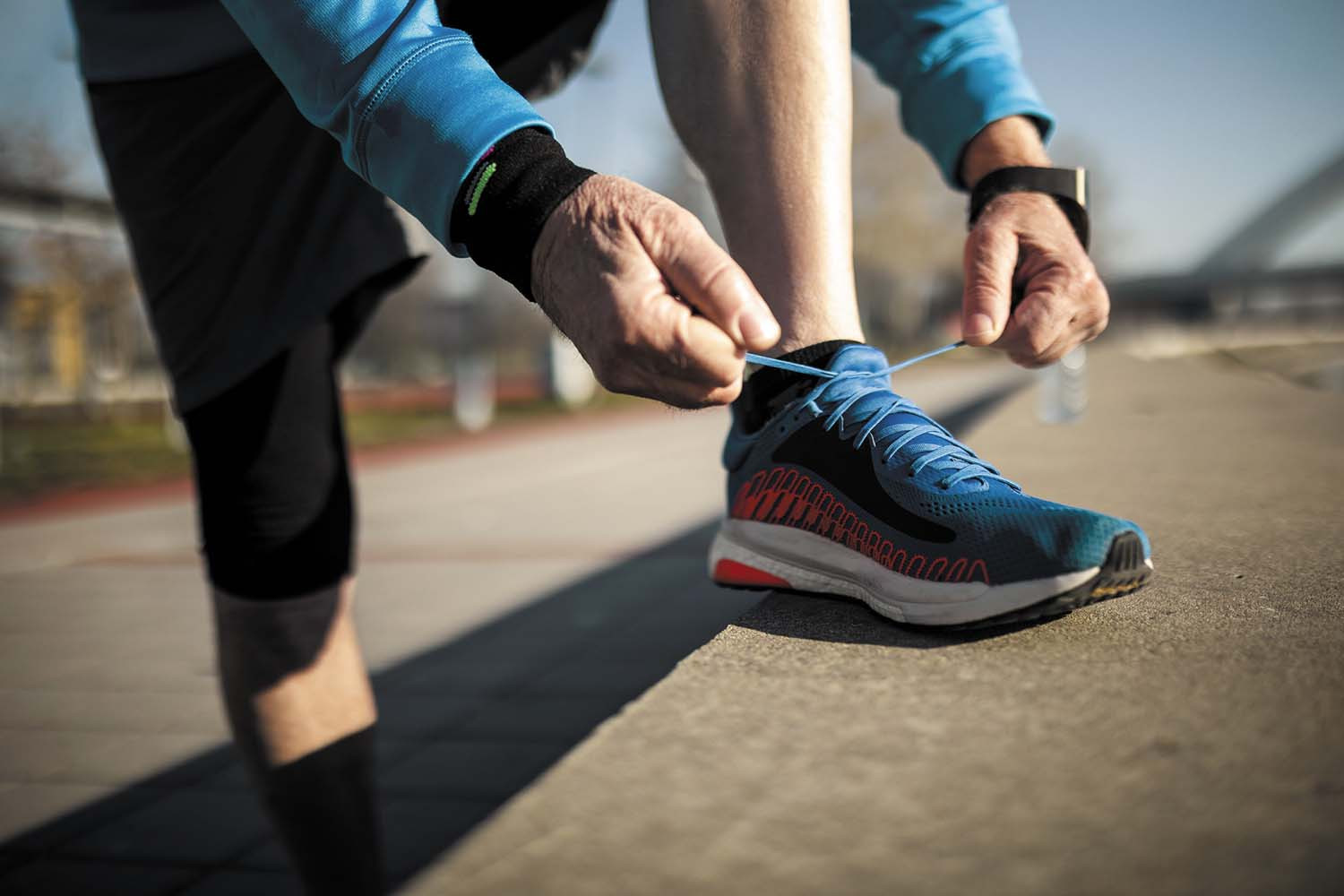
To appreciate a great walking shoe, one must first understand its architecture. This is not merely a fashion item; it’s a piece of ergonomic equipment. The critical components begin with the midsole, typically crafted from EVA (ethylene-vinyl acetate) foam, polyurethane, or advanced proprietary compounds like Adidas’s Boost or Brooks’s DNA LOFT. According to biomechanics literature from institutions like the University of Calgary’s Human Performance Laboratory, the midsole’s primary function is shock attenuation—dissipating the ground reaction forces that travel up your skeleton with each step, which can be 1.2 to 1.5 times your body weight. A deficient midsole turns your joints into the shock absorbers. Next is the heel counter, the firm cup that cradles your heel. A study cited in the Journal of Orthopaedic & Sports Physical Therapy emphasizes its role in controlling rearfoot motion, preventing excessive pronation or supination that can lead to chain-reaction injuries in ankles, knees, and hips. The toe box must provide adequate width and depth to allow natural toe splay upon foot strike, a concept championed by Harvard Medical School’s health publications to prevent issues like bunions and neuromas. Finally, the outsole requires a flexible groove at the forefoot (where your foot naturally bends) and durable rubber with a strategic tread pattern for grip. When these elements coalesce, you have more than a shoe; you have a mobile support system. This foundational knowledge empowers you to look beyond color and brand, to assess the engineering that makes a pair of shoes to walk in truly exceptional.
Silhouette and Style: Translating Technical Features into Fashion Vocabulary
With the technical blueprint in mind, the translation to style becomes an exciting exercise. The modern market offers silhouettes that cleverly integrate these features without screaming “athletic gear.” Consider the minimalist white sneaker. Its popularity, as dissected on platforms like The Cut and Vogue, stems from its clean, architectural lines that pair as effortlessly with tailored trousers as with summer dresses. Brands like Koio, Common Projects, and even certain models from On Running have mastered this, using premium leathers and streamlined lasts that hide substantial cushioning. Then there’s the chunky-soled “dad shoe” revival, a trend with roots in 90s nostalgia but justified by its inherent stability and maximum cushioning. As designer Demna Gvasalia of Balenciaga articulated in an interview with Business of Fashion, this style represents “the beauty of the uncool,” prioritizing comfort and a bold, grounded profile. For a more polished look, leather walking loafers or oxfords from brands like Cole Haan or Ecco incorporate hidden athletic technology—Grand.ØS cushioning or FLUIDFORM™ direct-attached outsoles—into classic designs. The key is to view the technical features not as constraints, but as the invisible framework that enables enduring style. A shoe that causes discomfort will be relegated to the back of the closet, no matter how beautiful. Conversely, a perfectly comfortable shoe that you’re proud to wear becomes a wardrobe staple. Your choice of shoes to walk in communicates a sophisticated pragmatism, a knowledge that true style is holistic.
:max_bytes(150000):strip_icc()/tal-walking-shoes-test-on-cloud-5-ashleigh-morley-01-f02f544a3dcf4b67b919b810eac77f09.jpeg)
Material Matters: Sustainability and Sensation on Your Feet
The conversation about modern footwear is incomplete without addressing materials. Beyond aesthetics, the upper material dictates breathability, durability, and environmental impact. Traditional full-grain leather offers unmatched durability and moldable comfort but comes with a higher environmental hoofprint and ethical considerations. Innovations like knitted uppers, pioneered by Adidas with Primeknit, provide a sock-like, adaptive fit that reduces break-in time and potential for blisters, as noted in wearer reviews on Runner’s World. For the eco-conscious, materials like recycled polyester (often from plastic bottles), organic cotton, and plant-based alternatives (e.g., Piñatex from pineapple leaves, mushroom leather) are becoming mainstream. Allbirds, for instance, built its brand on merino wool and sugarcane-based EVA, highlighting a life-cycle assessment approach. The sensation against your skin matters. A breathable mesh keeps feet cool during long urban explorations, while a water-repellent treated suede offers practical protection for unpredictable weather. The insole lining is equally critical; moisture-wicking and anti-microbial treatments, often using silver ion technology, keep the shoe environment fresh. Choosing the right material is a direct investment in the longevity of the shoe and the health of your foot. It’s the difference between a shoe that feels good for an hour and a trusted companion for miles of city streets.
The Color and Coordination Strategy: Building a Versatile Foundation
A strategically chosen color can multiply the outfit potential of your walking shoes. The goal is to select hues that serve as a neutral foundation for your wardrobe palette. For maximum versatility, optical white, classic black, or tonal grey are unparalleled. As stylist Allison Bornstein discusses in her “three-word method” popularized on TikTok and YouTube, a neutral shoe acts as a “connector” piece, creating cohesion between different items in your closet. A crisp white sneaker lightens a dark denim look and grounds a flowing floral dress. A sleek black walking shoe adds a modern, polished edge to wide-leg trousers or a minimalist monochrome outfit. For those wanting a subtle lift, earthy tones like olive, taupe, or rust can serve as nuanced neutrals that add depth without clashing. If you invest in a statement color or pattern, let it be intentional—a vibrant pop for a primarily neutral wardrobe, or a complementary tone to a specific color family you wear often. The principle is to avoid limiting your options. Your ideal shoes to walk in should be the item you reach for without a second thought, knowing they will harmonize, not compete. This strategic approach to color transforms your footwear from a mere accessory into a central, unifying pillar of your daily style.
Investment and Value: Decoding Price Points and Smart Shopping
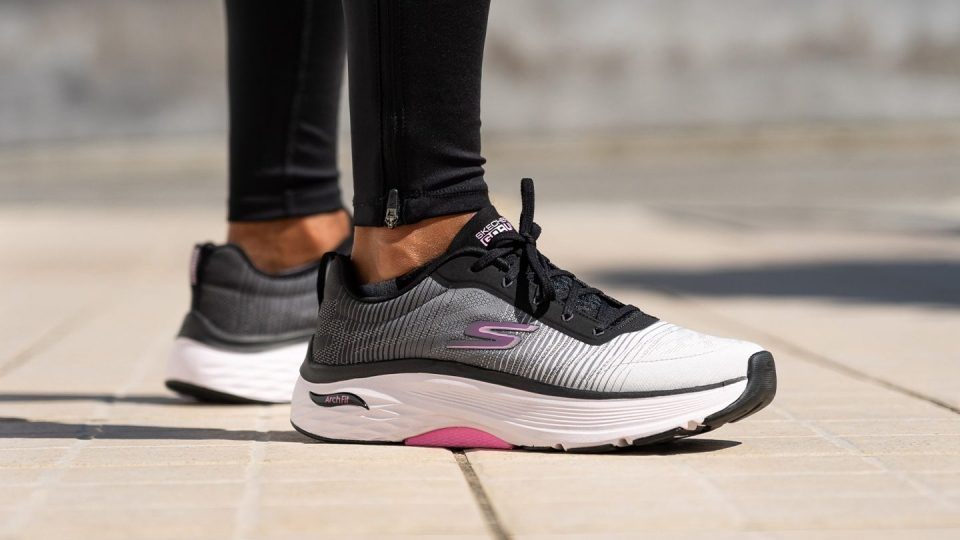
Navigating the price spectrum of walking shoes requires a value-based analysis. A higher price tag often, but not always, correlates with advanced proprietary technology, higher-grade materials, and more sophisticated construction methods like cemented vs. welded vs. Goodyear welting (the latter allowing for resoling). A $150-$200 shoe from a dedicated performance brand like Hoka or Saucony typically includes extensive R&D in biomechanics, high-resilience foams, and durable rubber compounds. As podiatrist Dr. Brad Schaeffer noted in a Forbes interview, “You’re paying for engineering that protects a $1 million asset—your body.” However, excellent options exist in the $80-$120 range from brands like Skechers (with their Memory Foam line) or New Balance, which offer tremendous comfort technology at accessible prices. The key is to identify the features you truly need. Do you require maximum stability for overpronation, or is lightweight cushioning your priority? Look for end-of-season sales, outlet stores, and reputable online retailers for discounts on previous models—the core technology often changes minimally year-to-year. Remember, the true cost-per-wear of a well-made, versatile pair of shoes to walk in that you wear three times a week is minuscule compared to an uncomfortable, trendy pair worn once. Invest first in the shoe that solves your biomechanical and stylistic needs, then seek the deal.
Your Footwear, Your Narrative: Walking with Purpose and Poise
The final step is the most personal: aligning your selection with your daily narrative. Your footwear is a quiet proclamation of how you move through the world. The executive who walks from Grand Central to a Midtown office needs a different silhouette than the artist traversing a sprawling campus or the parent navigating zoo aisles and playgrounds. This isn’t just about occupation; it’s about attitude. The right walking shoe empowers a sense of readiness and capability. It’s the difference between hailing a cab because your feet hurt and choosing to stroll through a new neighborhood to discover a hidden café. It supports the spontaneous detour, the extended conversation, the decision to take the stairs. In film, this is subtly acknowledged—think of the purposeful, comfortable yet stylish shoes worn by characters who are agents of action, from detectives to journalists. They are prepared for pursuit, for standing long hours, for being on their feet. Your choice is a commitment to that active, engaged lifestyle. It says you expect to move, to explore, to participate fully in your day, and you’ve dressed every part of yourself, down to the foundation, for that reality. When your shoes are both a joy to wear and a tool for effortless movement, your entire presence is elevated.
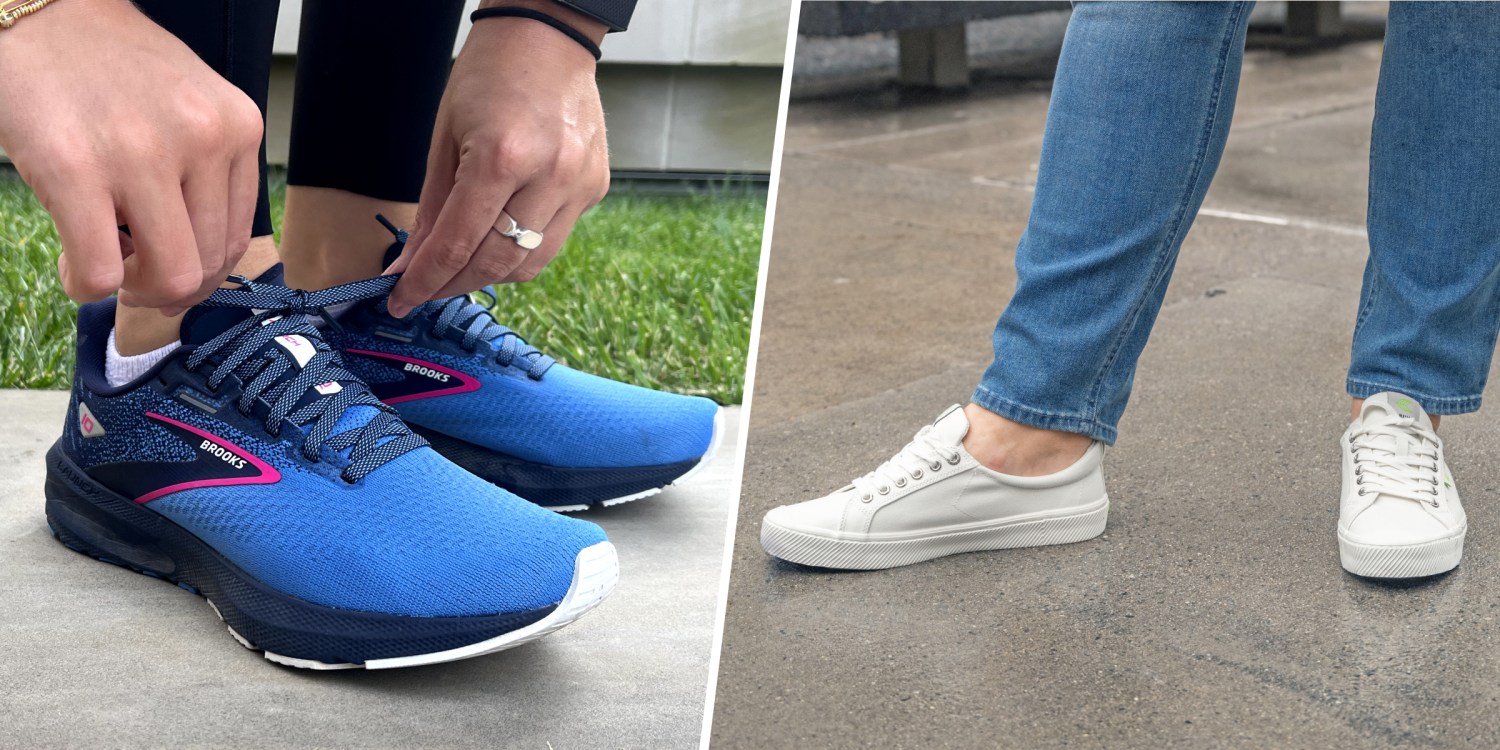
Elevating your outfit with your walking shoes is the ultimate act of sartorial intelligence. It merges an informed understanding of human biomechanics with a curated sense of personal style. It rejects the false choice between comfort and appearance, instead building a wardrobe on the principle of integrated well-being. The perfect pair is out there—engineered to support your every step and designed to complement your unique expression. Start from the ground up, and let your journey be both comfortable and remarkably stylish.
