

The Ultimate Guide to Walking Shoes That Elevate Your Everyday Outfits
Forget the notion that style and comfort are mutually exclusive. The right pair of shoes to walk in can be the cornerstone of a wardrobe that feels as good as it looks. This isn’t about sacrificing aesthetics for the sake of practicality; it’s about embracing footwear engineered for movement that simultaneously complements and completes your personal style. We’re moving beyond the purely functional sneaker into a realm where biomechanical science meets design philosophy, creating pieces that support your body and define your look. Let’s explore how the very shoes you choose for daily motion can become your most powerful sartorial asset.
The Foundation: Why Your Choice of Walking Shoes Matters More Than You Think
The human foot is a marvel of engineering, comprising 26 bones, 33 joints, and over 100 muscles, tendons, and ligaments. When you take a step, forces equivalent to 1.5 times your body weight travel through this complex structure. According to Harvard Medical School’s health publications, improper footwear can lead to a cascade of issues, from plantar fasciitis and Achilles tendinitis to knee, hip, and even back pain. Therefore, selecting the right shoes to walk in is not a trivial fashion decision but a critical investment in your long-term musculoskeletal health. The science is clear: shoes that provide adequate arch support, cushioning, and a proper fit act as essential tools for kinetic energy absorption and efficient gait mechanics. This objective, physiological need forms the non-negotiable bedrock upon which we can build stylistic choices. When your feet are properly supported, your posture improves, your stride becomes more natural, and that inherent confidence becomes the best accessory you can wear.
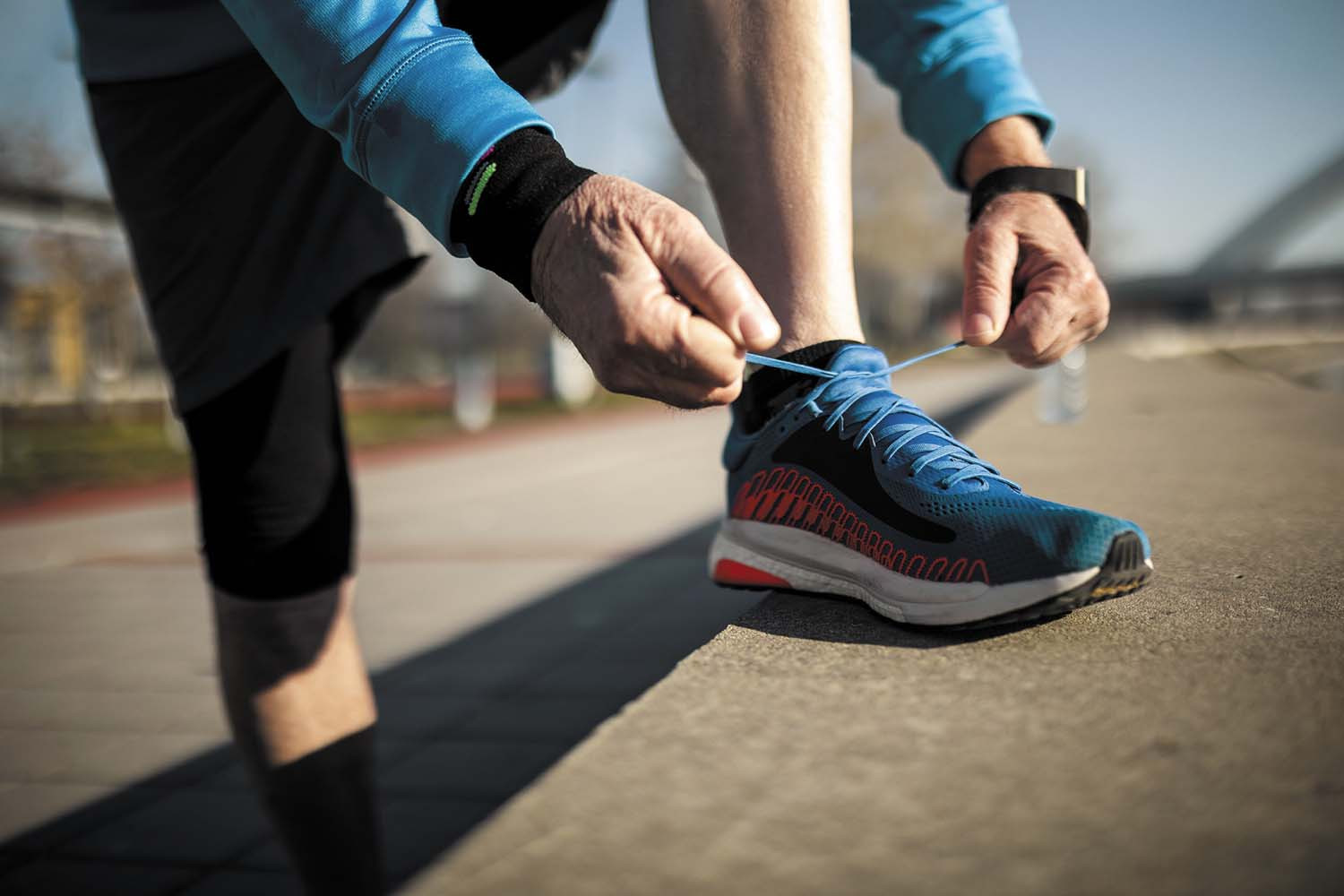
Decoding the Anatomy: Key Features of a Superior Walking Shoe
To make an informed choice, you must become fluent in the language of shoe construction. Let’s dissect the critical components. First, the midsole is the heart of the shoe, typically made from EVA (ethylene-vinyl acetate) foam, polyurethane, or newer technologies like PEBAX (Polyether block amide). This layer is responsible for cushioning and shock absorption. Research from institutions like the Spaulding National Running Center emphasizes that the density and responsiveness of the midsole material directly impact joint loading. Second, the outsole requires a flexible yet durable rubber compound with a tread pattern that provides traction without being overly aggressive. A study cited in the Journal of Foot and Ankle Research notes that optimal flexibility at the forefoot (the ball of the foot) is crucial for a natural toe-off during the walking gait cycle. Third, the upper must balance breathability, often through engineered mesh, with structural support through synthetic overlays or leather. Finally, the heel counter—the firm cup at the back—should be rigid to stabilize the heel and prevent excessive inward rolling (overpronation) or outward rolling (supination). Understanding these elements allows you to evaluate any shoe, from a minimalist design to a maximalist platform, through a lens of informed functionality.
Beyond the Gym: The Aesthetic Evolution of the Walking Shoe
The cultural perception of the athletic shoe has undergone a radical transformation. Once confined to sports or casual wear, it has been elevated to high fashion by designers and embraced by street style icons. This shift is epitomized by figures like the late Virgil Abloh, who famously blurred the lines between luxury and utility. In a talk, he once reflected on the sneaker as “the punk of our generation,” a symbol of accessibility and rebellion that has been co-opted and refined. This philosophy has trickled down to everyday shoes to walk in. Brands now offer sophisticated color palettes—think muted olives, rich ochres, and clean off-whites—that integrate seamlessly with tailored trousers, denim, or midi skirts. Silhouettes have diversified: chunky soles provide a bold, grounding statement, while sleek, low-profile designs offer a minimalist elegance. The modern walking shoe is no longer an outlier in a polished outfit; it is the intentional centerpiece that communicates a dynamic, contemporary lifestyle. It tells the world you are ready for anything, from a morning commute to an evening stroll, without missing a beat in style.
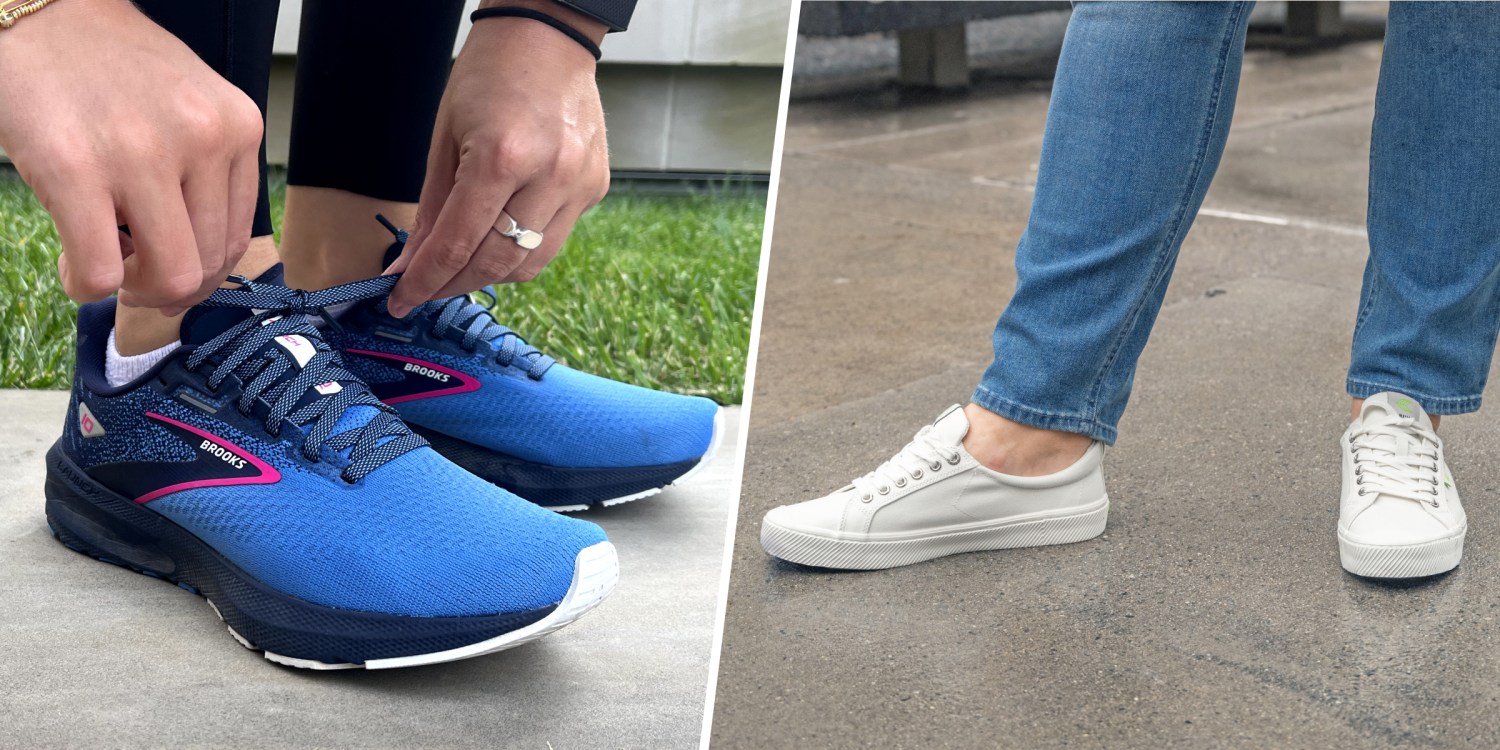
Strategic Styling: Integrating Walking Shoes into Your Wardrobe Archetypes
The true test of a versatile shoes to walk in is its ability to adapt across different style personas. Let’s apply this to three common archetypes. For the Urban Minimalist, a clean, white or grey leather sneaker with subtle branding is paramount. Pair it with wide-leg, high-waisted trousers in wool or crepe, a structured oversized blazer, and a simple tank. The shoe provides comfort for city miles while maintaining a sharp, architectural line. The key is monochromatic or tonal dressing, letting the shoe’s form shine. For the Creative Eclectic, a bold, chunky-soled shoe in a neutral or unexpected pastel can be the foundation. Contrast it with a flowing midi dress, an eclectic mix of textures (denim jacket, silk scarf), and statement socks peeking over the collar. Here, the shoe acts as a modern, grounded counterpoint to softer, more romantic elements. For the Smart Casual Professional, the challenge is greatest. The solution lies in premium materials. Opt for a walking shoe in suede or nubuck with a sleek profile. Colors like dark brown, navy, or black are ideal. Wear them with dark, straight-leg jeans or chinos and a crisp button-down or fine-gauge knit. A quality wool overcoat ties the look together, proving that comfort-centric footwear can reside within a polished, intentional framework.
The Expert’s Eye: What Podiatrists and Stylists Agree On
Bridging the gap between medical necessity and aesthetic desire requires listening to experts from both fields. On the functional side, Dr. Jane Andersen, a podiatrist frequently cited in health media, states:
“The best walking shoe is one you don’t feel. It should disappear on your foot, providing support without pressure points. Prioritize fit over trends—your foot size can change, and a thumb’s width of space in the toe box is non-negotiable for long-term health.”
Conversely, a stylist like Allison Bornstein, whose principles circulate on platforms like TikTok and Instagram, focuses on intentionality: “A sneaker or walking shoe in an outfit works when it looks chosen, not default. It’s about the harmony of proportions and the message of ease.” The convergence is clear: the ideal shoe is one that fits your body’s biomechanics perfectly (the podiatrist’s view) and is then consciously selected to align with your personal aesthetic narrative (the stylist’s view). This synergy is where true elevated everyday style is born.
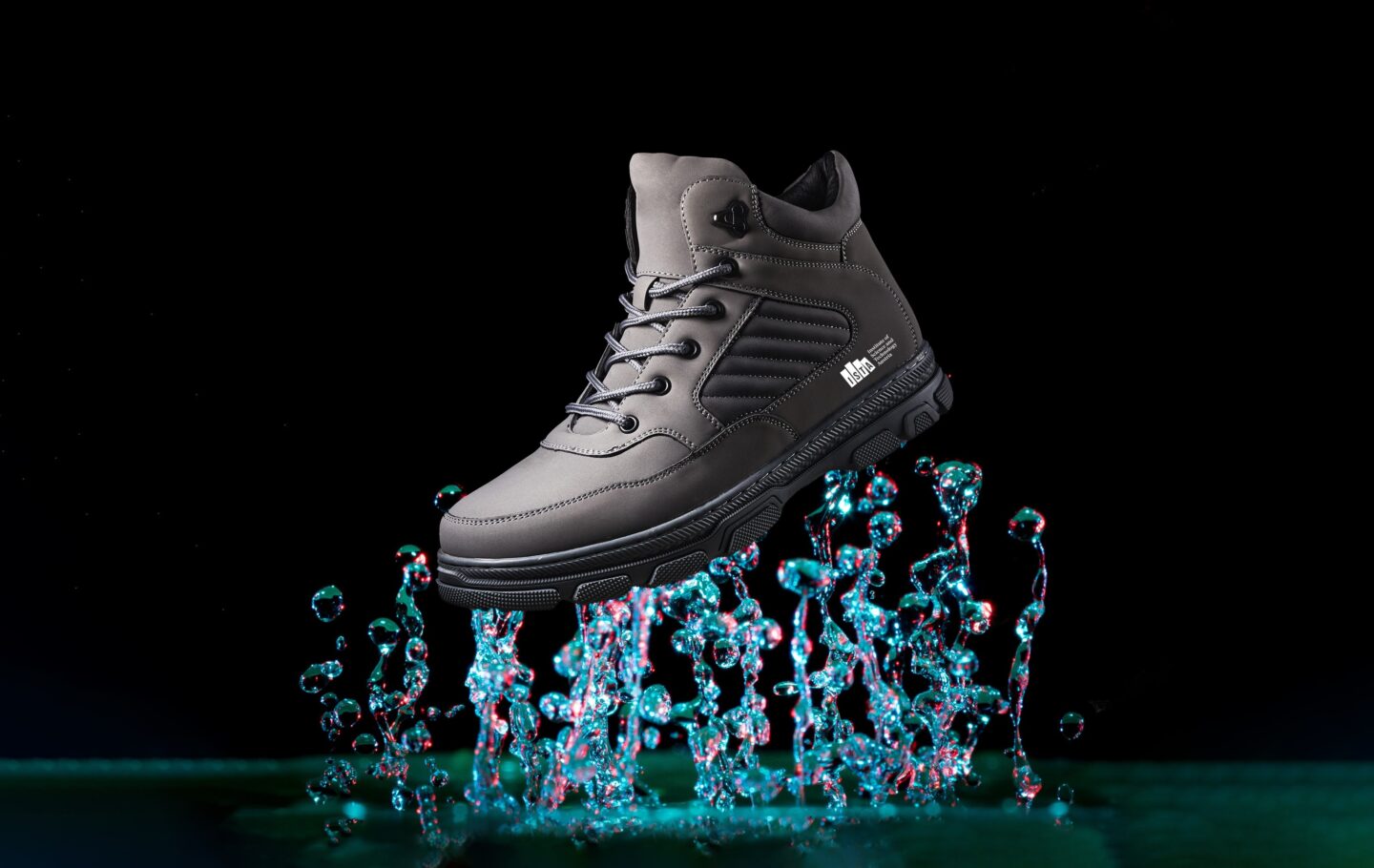
Investment and Care: Maximizing Value and Longevity
Quality shoes to walk in represent an investment. The price point often reflects advanced materials, durable construction, and ergonomic research. However, savvy shopping can yield significant value. Look for end-of-season sales on previous models, which often feature the same core technology as the newest releases. Direct-to-consumer brands frequently offer better value by cutting out retail markups. Subscription to brand newsletters or following reputable footwear review sites can alert you to flash sales. Once purchased, care is crucial. The American Podiatric Medical Association recommends replacing walking shoes every 300-500 miles, as the midsole cushioning compresses and loses its protective properties long before the outsole wears out. Rotate between two pairs to allow the foam to decompress fully between wears, dramatically extending the life of each. For leather or suede uppers, use appropriate cleaners and protectors. For mesh, a gentle brush and air drying are sufficient. This disciplined approach to acquisition and maintenance ensures your shoes remain both a supportive tool and a stylish staple for as long as possible.
:max_bytes(150000):strip_icc()/when-should-i-replace-my-walking-shoes-3436325-0801-7a1840d83573471092e0380f9e230ecc.jpg)
Your Next Step: Curating a Personal Rotation
The ultimate goal is not to find one perfect shoe, but to curate a small, versatile rotation that serves different needs and moods. Start with a foundational pair: a neutral-colored, supremely comfortable shoe for high-mileage days and versatile styling. This is your workhorse. Next, consider a weather-specific option: a water-resistant or Gore-Tex-lined model for rainy climates, or a highly breathable, lightweight pair for summer. Finally, allow yourself a “wild card”—a pair that speaks to your personal style, whether it’s a retro-inspired design, a bold color, or an interesting texture. This trio ensures you are prepared for physical demands and sartorial moments. Remember, the most elevated outfit is one worn with the unshakeable confidence that comes from perfect comfort. Your journey to merging well-being with style begins with the conscious choice of the shoes to walk through your life in. Let them be a testament to a life in motion, dressed with intention.
