

The Ultimate Guide to Walking Shoes That Elevate Your Everyday Look
Forget the notion that style and comfort are mutually exclusive. The right pair of walking shoes can be the cornerstone of a wardrobe that feels as good as it looks, seamlessly transitioning from a morning commute to an afternoon stroll and an evening outing. This guide isn’t about sacrificing aesthetics for support; it’s about discovering how modern footwear engineering and design converge to create shoes to walk in that genuinely elevate your daily presence. We’ll move beyond fleeting trends to examine the foundational principles of biomechanics, material science, and timeless style, empowering you to make choices that benefit your posture, your stride, and your personal aesthetic.
The Biomechanical Foundation: Why Your Feet Deserve More Than Just a Pretty Exterior
Before we delve into colors and silhouettes, we must address the architecture of movement. The human foot is a complex structure of 26 bones, 33 joints, and over 100 muscles, tendons, and ligaments. According to biomechanics literature from institutions like Stanford University’s Human Performance Lab, each step you take generates a force of approximately 1.5 times your body weight. A shoe that fails to accommodate and support this intricate system doesn’t just cause discomfort—it can lead to a cascade of issues, including plantar fasciitis, shin splints, and even knee and lower back pain. The primary function of any shoe to walk in is to manage this impact and guide the foot through its natural gait cycle: heel strike, foot flat, mid-stance, heel-off, and toe-off. A well-designed walking shoe provides cushioning at the heel strike, arch support during mid-stance to prevent overpronation or supination, and flexibility at the forefoot to facilitate a smooth toe-off. This scientific understanding is non-negotiable; it’s the bedrock upon which true, lasting comfort—and by extension, confident style—is built. When your body is not fighting against your footwear, your posture improves, your movement becomes more fluid, and you carry yourself with an innate grace that no uncomfortable, restrictive shoe can ever provide.
Decoding the Anatomy of a Superior Walking Shoe
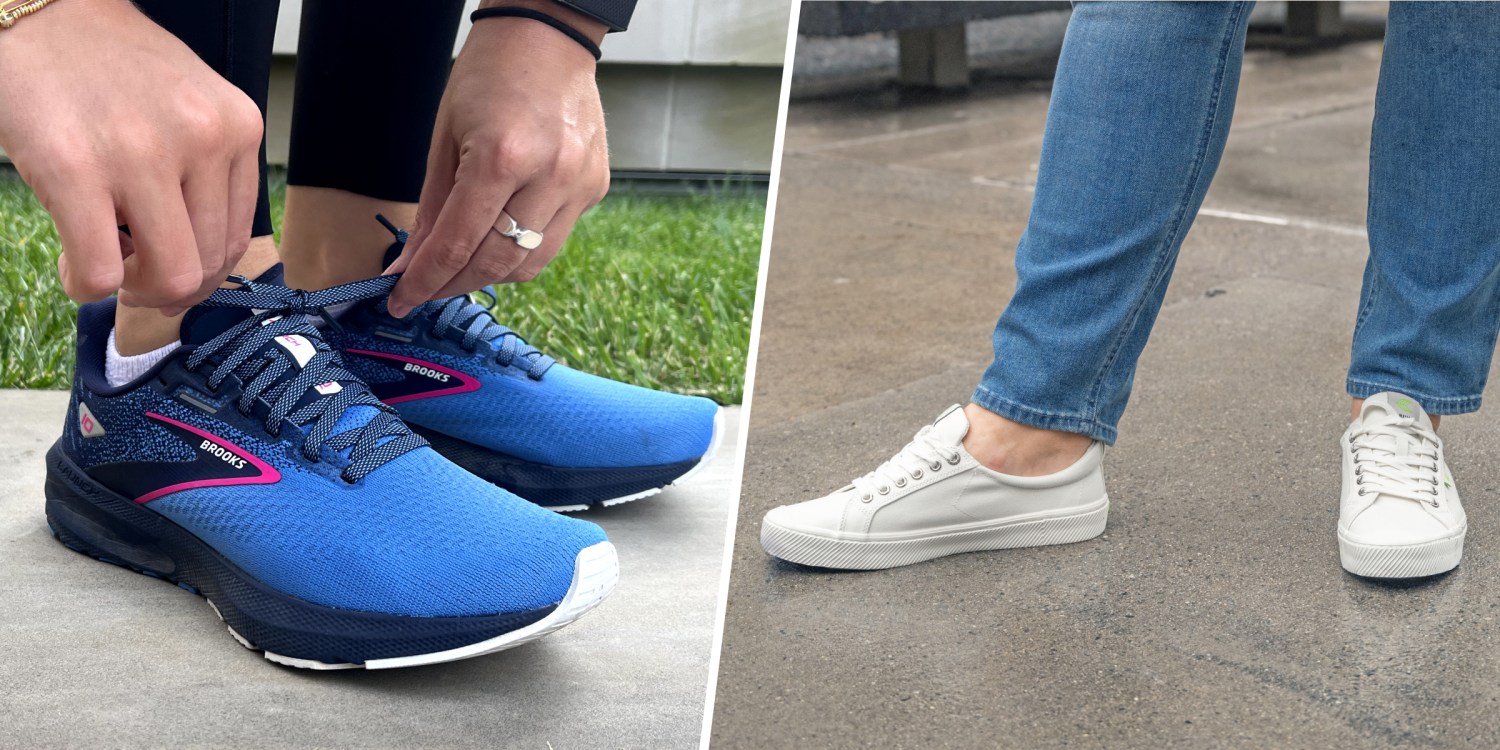
Let’s dissect the components that transform a simple shoe into a premier tool for daily mobility and style. The upper, traditionally made from leather or synthetic materials, is now increasingly crafted from engineered knits and breathable meshes. As noted by footwear experts on platforms like Quora and in industry white papers, these modern materials offer a “sock-like” fit that adapts to the foot’s shape, reducing pressure points and hot spots. The midsole is the heart of the operation. Technologies like ethylene-vinyl acetate (EVA), polyurethane (PU), and proprietary gels (such as ASICS’ GEL cushioning) are formulated to provide a balance of soft cushioning and responsive rebound. A study cited by Harvard Health Publishing emphasizes that adequate midsole cushioning is critical for shock absorption, particularly on hard urban surfaces. The insole or footbed should offer contoured arch support, a feature often overlooked in fashion-centric designs. Finally, the outsole’s rubber compound and tread pattern determine durability and traction. A multi-directional lug pattern ensures grip on varied surfaces, from polished office floors to rain-slicked pavements. Understanding this anatomy allows you to scrutinize a shoe’s construction objectively, looking past marketing claims to assess its genuine capability as a reliable pair of shoes to walk in.
The Style Synergy: Where Form Meets Function Without Compromise
The great sartorial challenge of our time has been solved: you no longer need to choose between orthopedic-looking clunkers and painfully chic slip-ons. The current market is rich with options that respect both disciplines. Consider the minimalist elegance of a white leather sneaker with a hidden, responsive midsole—it pairs effortlessly with tailored trousers or a summer dress. Or the rugged sophistication of a suede walking boot with a Vibram outsole, offering trail-ready stability with an aesthetic straight from a Milanese street style blog. The key is to identify silhouettes that align with your personal style lexicon. Are you drawn to clean, architectural lines? Seek out brands that incorporate seamless uppers and monochromatic colorways. Do you prefer heritage-inspired looks? Many brands now retrofit classic sneaker and loafer designs with modern cushioning systems. As fashion commentator Tim Gunn has often reiterated, “Style is about self-expression and confidence.” A shoe that causes pain is antithetical to confidence. Therefore, the most stylish shoe you can own is one that disappears in comfort, allowing your personal style, not your discomfort, to command attention.

Curating Your Collection: A Scenario-Based Approach
A single perfect pair is a great start, but a curated capsule of walking shoes ensures you’re prepared for any aspect of your life. Let’s build a functional wardrobe.
The Urban Commuter
This is your workhorse. It must withstand miles of pavement, transition from outdoors to the office, and maintain a professional enough demeanor. Look for a shoe in a neutral color (deep navy, charcoal, olive, or classic white) with a sleek profile. Water-resistant properties are a major plus for unexpected weather. The cushioning should be substantial but not overly bulky. Brands like Cole Haan and ECCO have mastered this niche, often integrating Grand.Ø and FLUIDFORM™ technologies respectively into dressier oxford and derby silhouettes. The goal is a shoe that says “capable and composed,” not “just came from the gym.”
The Weekend Explorer
When your day involves farmers’ markets, museum visits, or long park walks, comfort reigns supreme, but so does versatility. This is where modern athletic-inspired sneakers shine. A pair with a breathable knit upper, a rocker sole design (which promotes a natural rolling motion of the foot, reducing calf strain), and a pop of color can energize a simple jeans-and-tee outfit. The rocker sole technology, discussed in podiatry journals and by brands like HOKA, is a game-changer for all-day wear, making each step feel effortless and propulsive.
The Traveler’s Essential
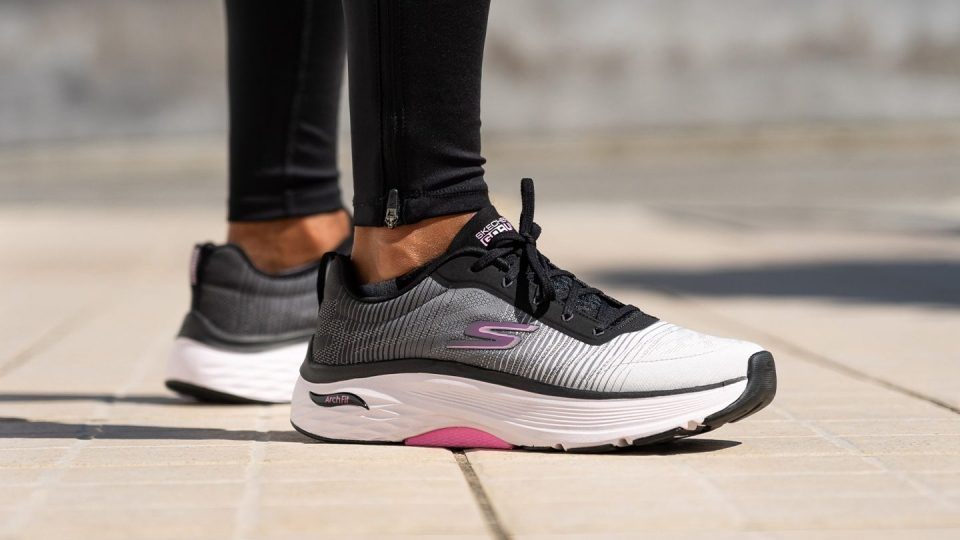
Travel demands a shoe that can do everything. It must be lightweight to avoid baggage fees and foot fatigue, exceptionally comfortable for sightseeing marathons, and stylish enough for a nice dinner. A slip-on style with elasticated elements or a secure lace-up system with a gusseted tongue (to keep out debris) is ideal. Memory foam footbeds, as popularized by brands like Allbirds and Skechers, provide personalized comfort that molds to your foot over time. As travel expert Rick Steves pragmatically advises, “Take care of your feet, and your feet will take care of you.” Investing in the right travel shoes is an investment in the quality of your entire journey.
Expert Voices and Tangible Benefits
The convergence of comfort and style isn’t just a commercial pitch; it’s a perspective shared by thought leaders across fields. Celebrity trainer Harley Pasternak frequently tells his clients, including A-list celebrities, that “the best workout shoe is the one you wear all day.” His point underscores that consistent, low-impact movement (walking) in supportive shoes is more beneficial for overall health than sporadic, intense workouts in specialized footwear. Similarly, renowned podiatrist Dr. Emily Splichal, in her TEDx talks and clinical work, focuses on “foot literacy,” arguing that proper footwear is the first step in holistic body alignment and wellness. From a design perspective, the late visionary architect Zaha Hadid’s philosophy applies unexpectedly well: “There should be no end to the experimentation.” This spirit of innovation is precisely what drives footwear companies to experiment with new foams, sustainable materials, and adaptive fits, pushing the boundaries of what a shoe to walk in can be.
“The fundamental truth is that when your feet are at ease, your mind is free. You are not preoccupied with an aching arch or a pinching toe box. You are present. And that presence is the ultimate accessory, far more valuable than any designer label.” – Adapted from mindfulness and wellness principles often discussed by experts like Dr. Andrew Weil.
Now, let’s translate this knowledge into actionable value. While premium technology and design command investment, savvy shopping strategies exist. Consider end-of-season sales for classic colorways that never go out of style. Sign up for brand newsletters for exclusive first-access discounts. Outlet stores often carry previous models where the core technology is identical, only the color palette changes. For instance, a last-season model of a renowned walking shoe from New Balance or Brooks might retail at a 30-40% discount, offering the same biomechanical benefits for a fraction of the price. Remember, investing in quality shoes to walk in is a long-term saving, potentially offsetting future medical costs related to foot, knee, or back problems. It’s a purchase that pays dividends in health, comfort, and daily satisfaction.
The Sustainable Stride: A Forward-Thinking Consideration
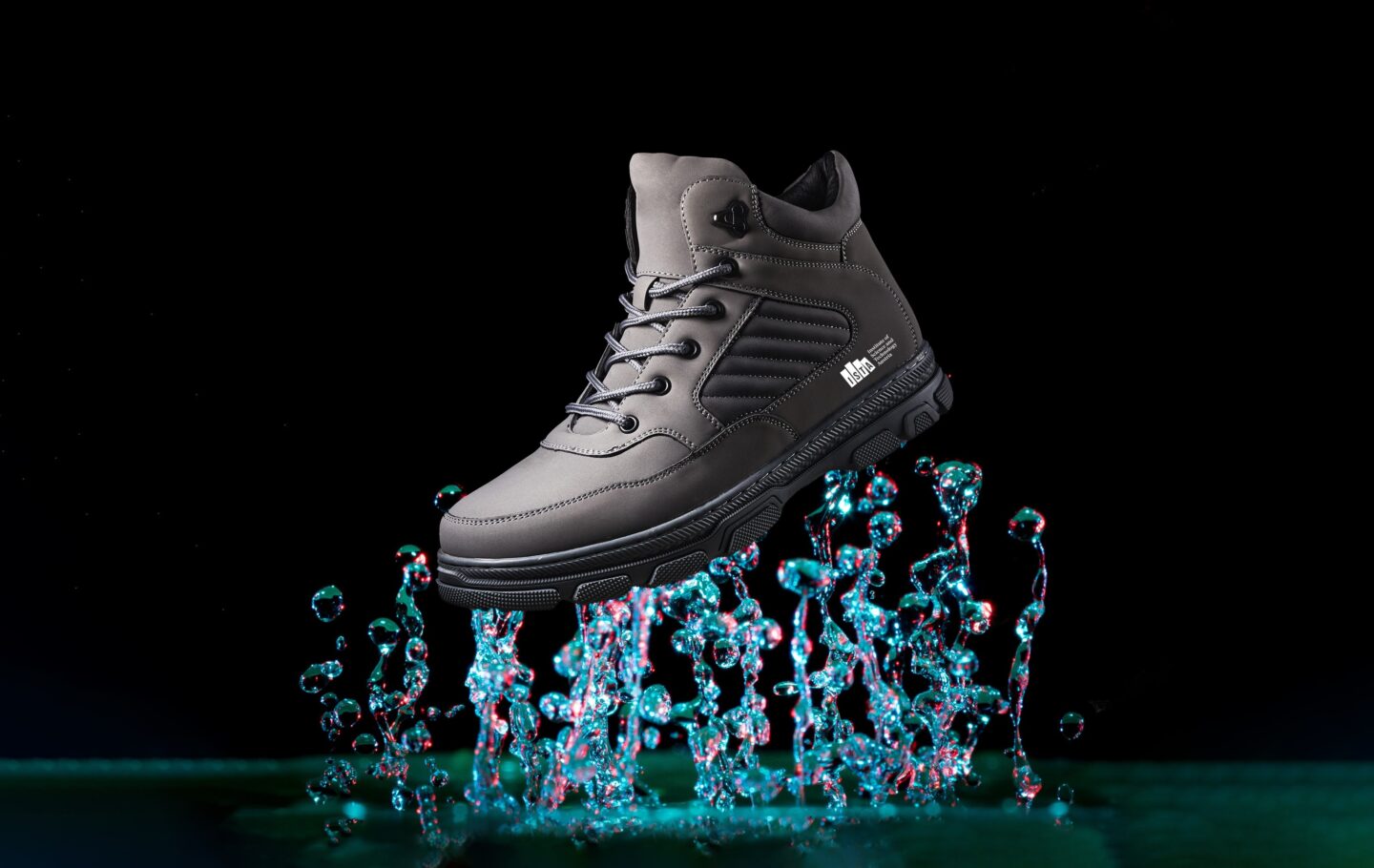
Elevating your look today also means considering the footprint you leave for tomorrow. The footwear industry is undergoing a green revolution. Brands are now offering walking shoes made from recycled plastics harvested from oceans, organic cotton, natural rubber, and even innovative materials like pineapple leaf fiber (Piñatex) and mushroom-based leather (Mylo). Choosing such a product aligns your personal style with a global ethic. Furthermore, the durability inherent in a well-constructed walking shoe is itself a sustainable act. A cheap, disposable pair might last a season, while a properly cared-for quality pair can last for years, reducing waste. Caring for your shoes—regular cleaning, using waterproofing sprays, and rotating pairs to allow materials to decompress—extends their life significantly, making your initial investment more economical and ecologically sound over time.
Your journey begins with a single step, and the foundation of that step matters more than you might have imagined. The perfect walking shoe is out there, waiting to be discovered—a fusion of silent engineering and expressive design that supports your body and reflects your identity. It’s a tool for living well, a statement of intent, and proof that you never have to choose between feeling good and looking great. Go find the pair that speaks to you, and walk confidently into your day.
