

The Ultimate Guide to Choosing Shoes That Walk You Through Every Season
Your journey begins with a single step, but the quality of that step is defined by what you wear on your feet. The right pair of shoes is not merely an accessory; it is a fundamental tool for mobility, health, and comfort across the changing tapestry of the year. This guide is crafted to move beyond fleeting trends and delve into the science, anatomy, and practical wisdom of selecting footwear that truly supports you. We will navigate through the essential considerations—from biomechanics and material technology to seasonal demands and value—equipping you with the knowledge to make informed choices. Let’s walk through the process of finding the perfect shoes to walk in, ensuring every mile, whether on a city pavement or a forest trail, is met with confidence and ease.
The Foundation: Understanding Your Foot and Gait
Before considering style or season, the primary dialogue must be between your foot and the shoe. Human feet are complex structures comprising 26 bones, 33 joints, and over a hundred muscles, tendons, and ligaments. According to literature from the American Podiatric Medical Association, the foot’s biomechanics—how it moves from heel strike to toe-off—are critical in distributing force and maintaining balance. Your gait pattern, whether you pronate (roll inward), supinate (roll outward), or have a neutral stride, dictates the type of support you need. Ignoring this is akin to building a house on an unstable foundation; the repercussions travel up the kinetic chain, potentially causing knee, hip, or back pain. Renowned running coach and author Dr. Jack Daniels, in his book “Daniels’ Running Formula,” emphasizes that footwear should complement, not correct, natural motion unless there is a diagnosed biomechanical issue. Therefore, the first step is often a professional gait analysis, available at many specialty running stores. This objective assessment provides a scientific baseline, ensuring the shoes to walk in are allies to your anatomy, not adversaries. The goal is harmony between footfall and footwear, creating a seamless partnership for propulsion and stability.

Material Matters: Breathability, Waterproofing, and Durability
The composition of a shoe is its first line of defense and comfort against the elements. Materials science has revolutionized footwear, offering solutions for every climate. In warmer months, breathability is paramount. Meshes made from engineered synthetics or natural fibers like bamboo charcoal allow for continuous air circulation, wicking moisture away from the foot to prevent blisters and overheating. As stated on authoritative educational resources like MIT’s OpenCourseWare on materials engineering, the microstructure of these fabrics is designed for optimal vapor transmission. Conversely, autumn and winter demand protection. Technologies like Gore-Tex provide a waterproof yet breathable membrane, a concept famously derived from outdoor gear innovation. This membrane contains billions of pores small enough to block liquid water but large enough to let water vapor escape, keeping feet dry from both external puddles and internal sweat. Durability, often determined by the outsole rubber compound and the tensile strength of the upper material, ensures your investment lasts. The trade-off often involves weight and flexibility; a rugged hiking boot uses denser materials than a summer sneaker. The key is to match the material profile to your primary activity and seasonal environment, ensuring your chosen shoes to walk in are not just comfortable but also appropriately resilient.
Seasonal Strategies: A Quarterly Footwear Rotation
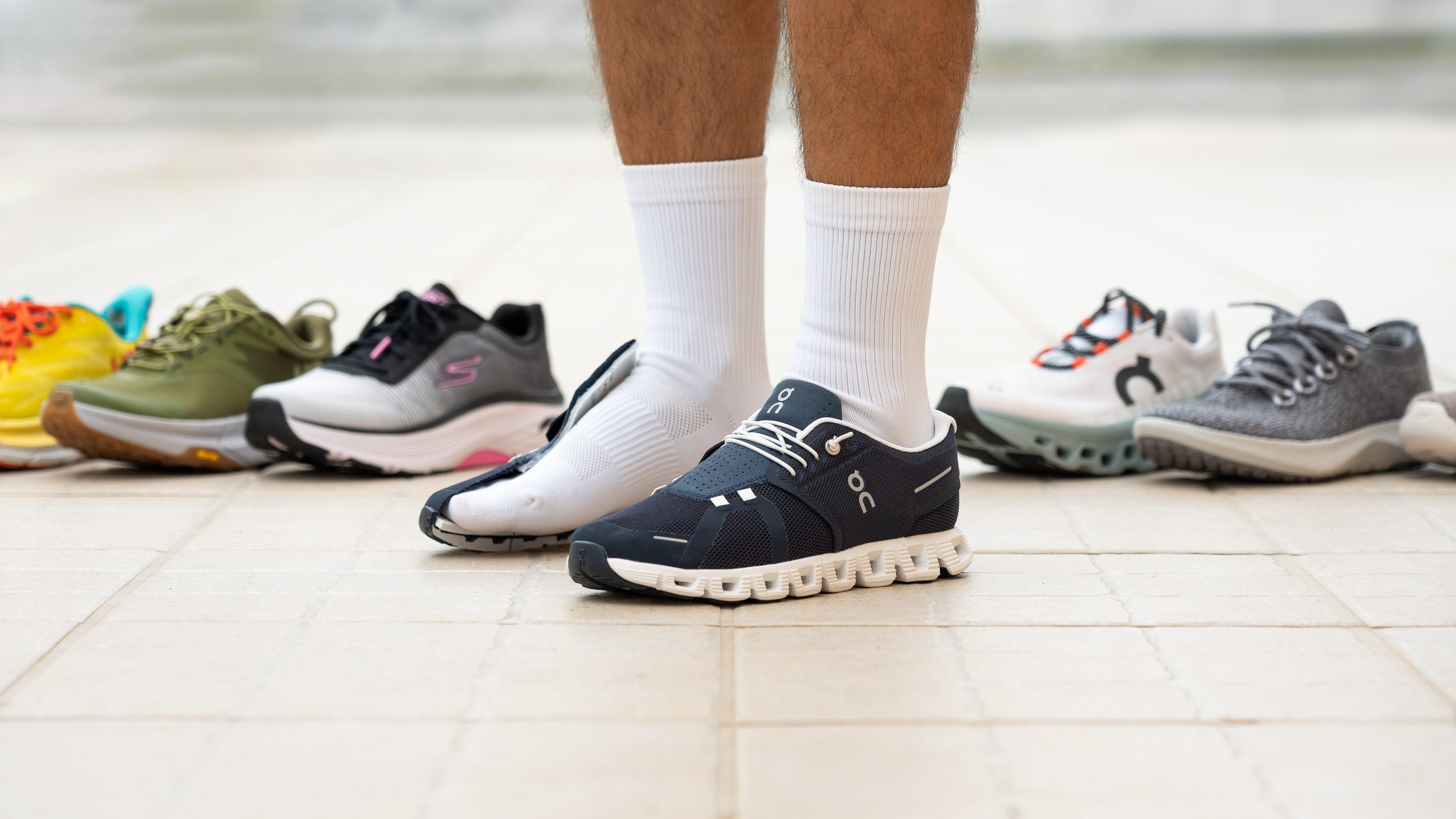
A single pair of shoes cannot optimally serve all four seasons. Just as you rotate your wardrobe, consider a footwear rotation tailored to seasonal challenges. Spring, with its unpredictable showers and lingering chill, calls for a transitional shoe—perhaps a water-resistant walking shoe with moderate insulation. Summer is the domain of ultra-breathable, lightweight models with enhanced moisture management; think of shoes with large mesh panels and light-colored uppers to reflect heat. Autumn demands traction as leaves become slippery, and waterproofing becomes increasingly relevant. Winter, especially in snowy or icy climates, requires shoes with aggressive, lugged outsoles for grip, insulated linings for warmth, and a complete waterproof barrier. The Harvard Medical School publication “Walking for Health” explicitly recommends appropriate footwear for different weather conditions to prevent falls and maintain consistent activity levels year-round. By adopting a seasonal rotation, you not only optimize comfort and safety but also extend the lifespan of each pair, as materials are not subjected to constant, year-round stress. This strategic approach means you always have the right tool for the job, making every walk a pleasure, not a battle against the elements.
The Cushioning and Support Conundrum: Science Over Sensation
The debate between maximal cushioning and minimalist shoes is a central one in footwear discourse. Proponents of maximal cushioning, often highlighted in marketing from major brands, argue that ample midsole foam (like EVA, polyurethane, or newer proprietary compounds like Adidas’s Boost or Nike’s React) absorbs impact, reducing stress on joints. This viewpoint finds support in studies cited by institutions like the Spaulding National Running Center, which note potential benefits for heavier individuals or those on hard surfaces. Conversely, the minimalist or “barefoot-style” movement, popularized by books like Christopher McDougall’s “Born to Run,” advocates for thinner soles and greater ground feel to encourage a more natural gait and strengthen foot muscles. The truth, as often is the case, lies in a nuanced middle ground. The ideal amount of cushioning and support is highly individual, dependent on weight, gait, foot structure, and intended use. A 2019 meta-analysis published in the British Journal of Sports Medicine concluded that comfort and subjective fit were the strongest predictors of injury prevention, not a specific cushioning level. Therefore, the most scientific approach is to try on multiple types and walk around. The right shoes to walk in will feel secure and comfortable immediately, without a lengthy “break-in” period that signals poor compatibility.
:max_bytes(150000):strip_icc()/woman-feet-running-on-road-closeup-on-shoe--young-fitness-women-runner-legs-ready-for-run-on-the-road--sports-healthy-lifestyle-concept--1192508928-4ad65578a5b64bfe95d29e3182fbb398.jpg)
Investing in Your Stride: Value, Lifespan, and Smart Purchasing
Quality footwear is an investment in your long-term well-being. While the initial price tag of a well-constructed pair from reputable brands may be higher, the cost-per-wear and health benefits justify the expense. A good pair of walking shoes typically has a lifespan of 300 to 500 miles, after which the midsole compression and outsole wear diminish their protective qualities, as noted by the American College of Sports Medicine. To maximize value, consider purchasing previous-season models or looking for sales from authorized retailers, which often offer significant discounts on high-performance technology. Furthermore, investing in proper socks—moisture-wicking, seamless, and appropriately padded—enhances the function of your shoes. The professional knowledge here is clear: do not compromise on fit for price. An ill-fitting discount shoe can lead to costly medical issues. Instead, view your purchase as preventative healthcare. Brands often offer last season’s colorways at 20-30% off, providing access to identical technology and construction at a friendlier price point. By timing your purchases and prioritizing technical merit over cosmetic newness, you can build a versatile, high-quality footwear collection without overspending.
When to Let Go: The Signs of Shoe Retirement
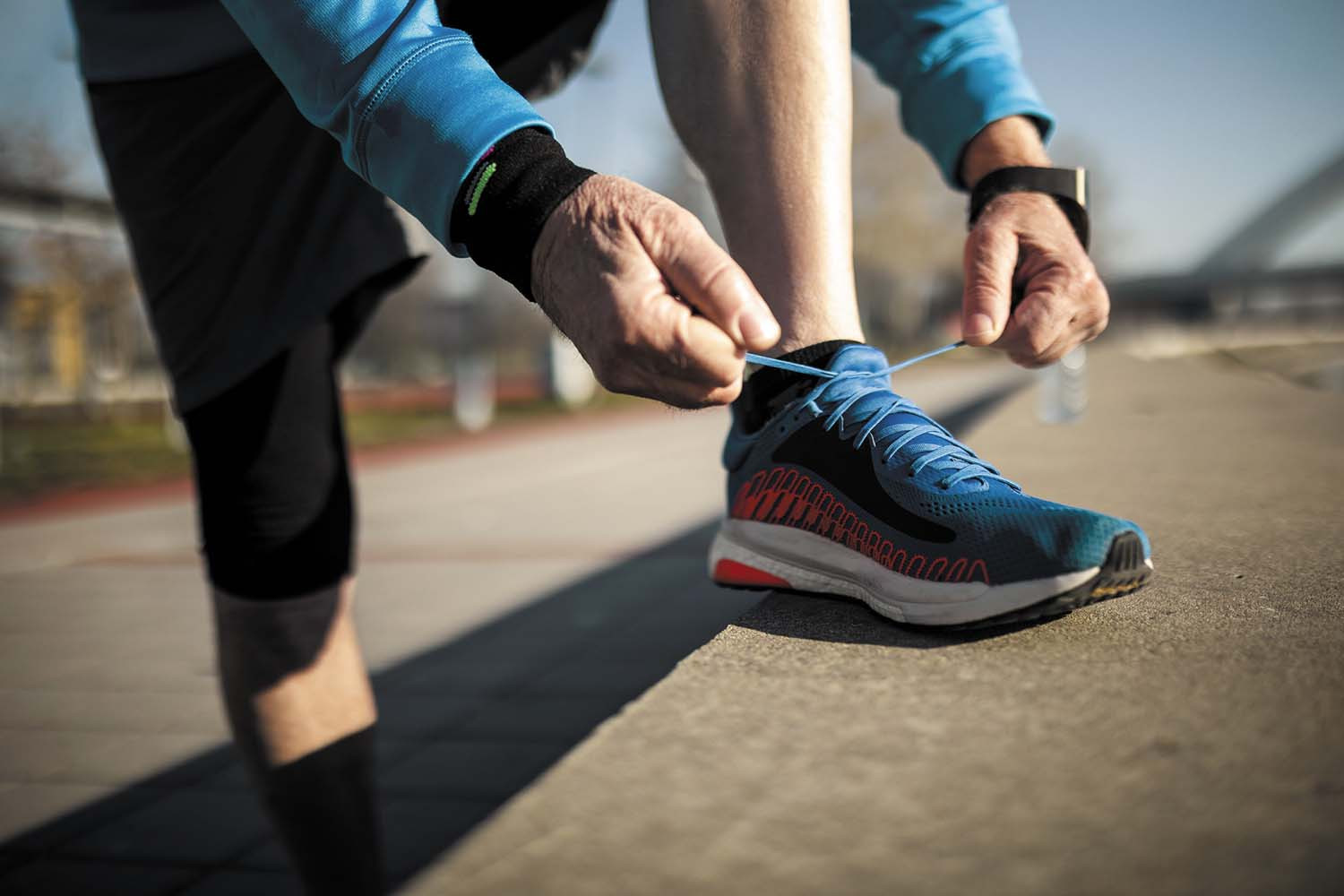
Even the best shoes to walk in have a finite service life. Clinging to worn-out footwear negates all the careful selection criteria discussed. The primary indicators of retirement are not always dramatic holes in the upper. More subtly, examine the outsole: worn-down tread patterns, especially in the heel or ball-of-foot areas, signal lost traction. Compress the midsole with your thumb; if it feels hard and unresponsive, the shock-absorption is gone. Look for asymmetric wear or creasing in the midsole foam, which indicates structural breakdown. Internally, a collapsed or uneven footbed can alter your alignment. Many experts, including podiatrists featured on health platforms like WebMD, advise tracking mileage as the most objective measure. Once you approach the 500-mile mark, start assessing your shoes critically. Persistent new aches in your feet, shins, or knees can also be a telltale sign that your shoes are no longer providing adequate support. Retiring shoes on time is a non-negotiable aspect of foot care; it protects the investment you’ve made in your joints and muscles, ensuring that every step forward is taken on a solid, supportive foundation.
Your path through the seasons should be defined by exploration and vitality, not discomfort or limitation. The journey to find the ideal footwear is an exercise in self-knowledge—understanding your body’s mechanics, your environment’s demands, and your personal definition of comfort and value. By applying the principles outlined here, from biomechanics to material science and smart consumer habits, you empower yourself to choose companions for your feet that are worthy of the miles ahead. Let your selection be intentional, informed, and inspired by the simple, profound goal of unimpeded motion. Step into each day, each season, with confidence, knowing you have chosen the perfect shoes to walk you through it all.
